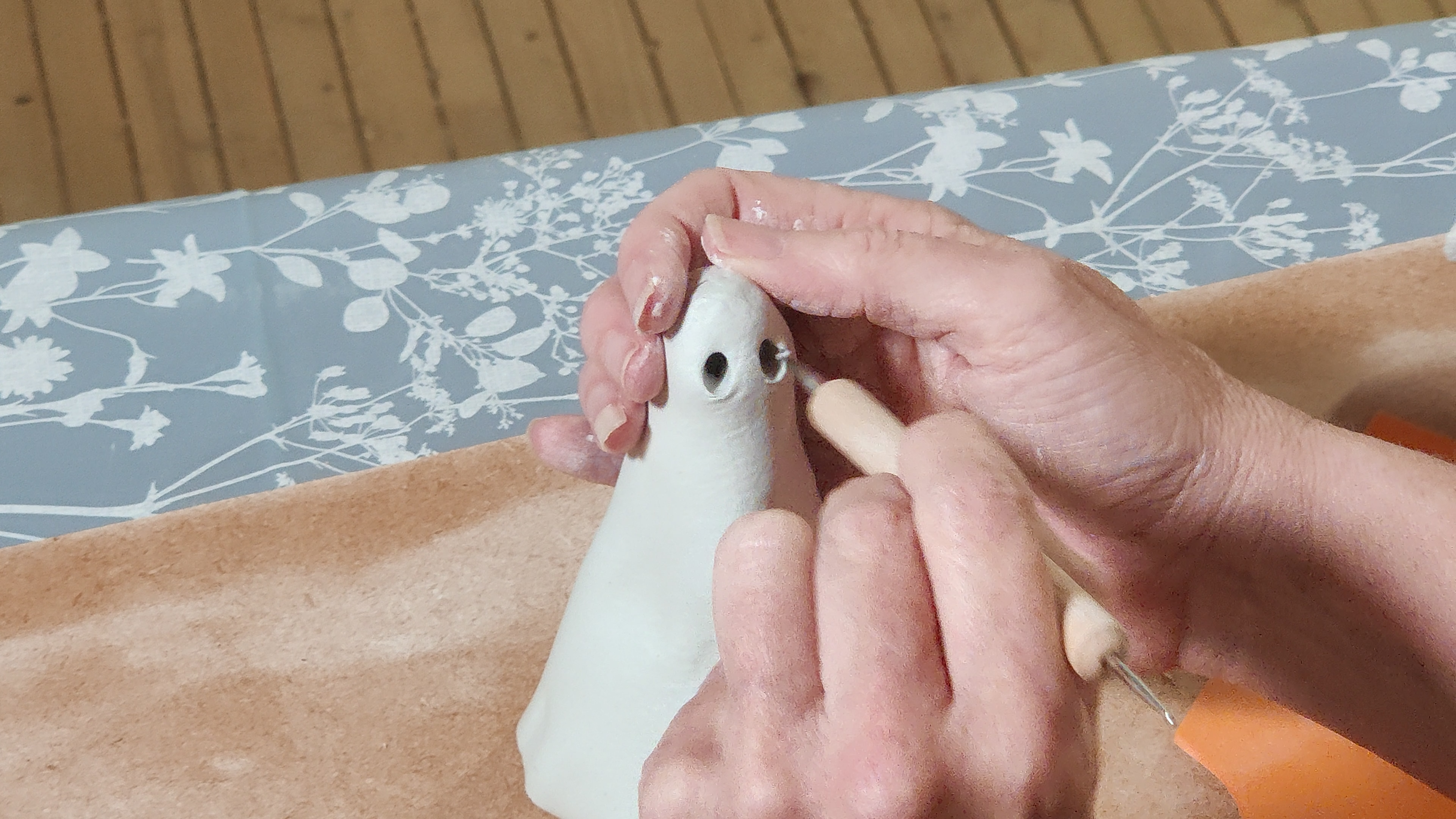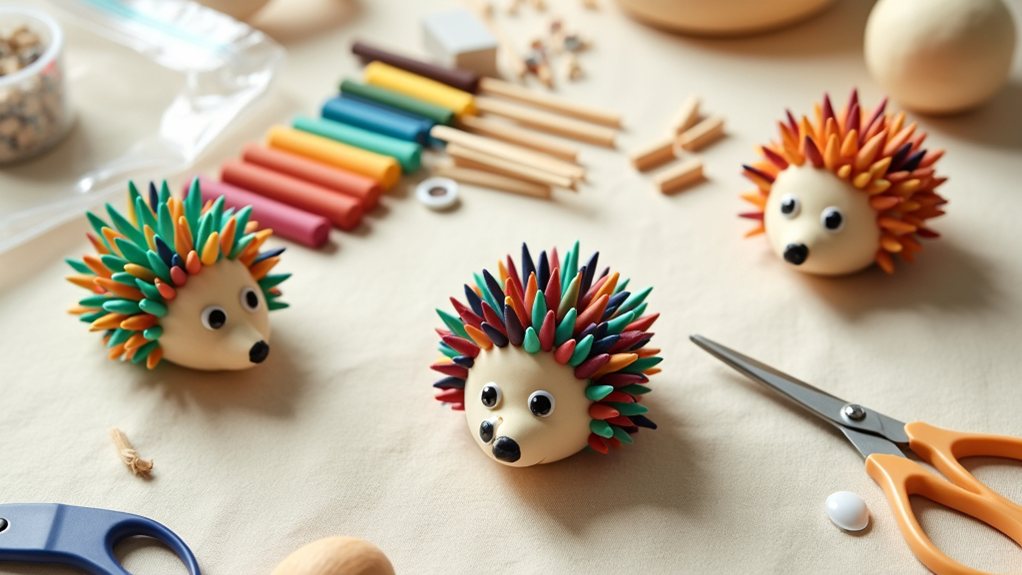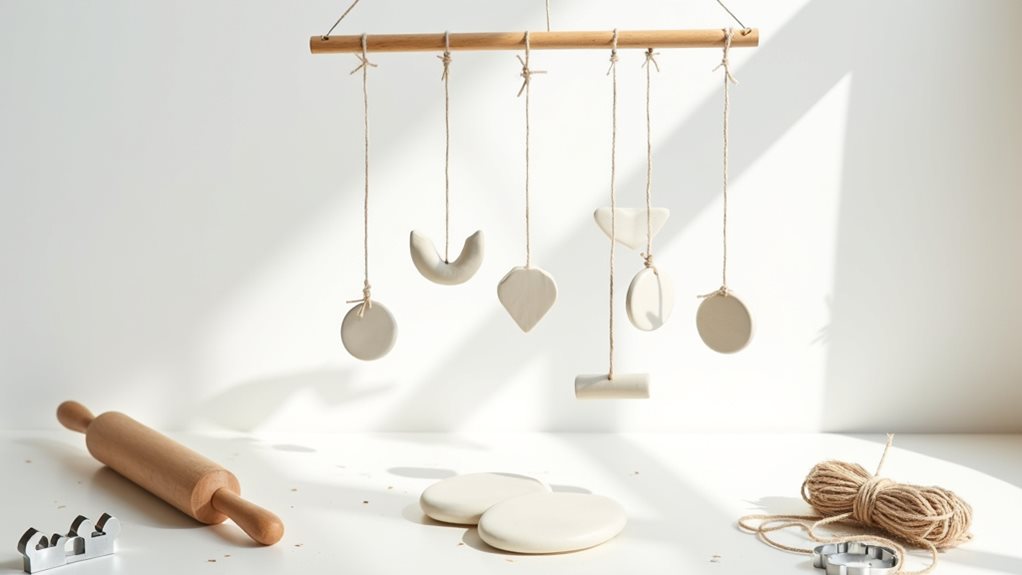
You’ve decided to embark on a ceramic journey, the allure of shaping raw earth into something beautiful, functional, or expressive calling to your inner artist. But before your hands even touch a lump of clay, a crucial decision awaits: which type of clay should you choose? Walking into a pottery supply store or browsing online can feel overwhelming, with a dizzying array of options, each promising different results. Fear not, aspiring potter! This guide is designed to cut through the confusion, helping you determine which clay is easiest for you and your specific creative endeavors.
Before delving into the specifics of ease of use, it’s essential to grasp the fundamental distinctions between the main types of clay you’ll encounter. Think of these as the primary families, each with its own unique characteristics and best-suited applications.
Traditional Kiln-Fired Clays
These are the clays that have been used for millennia, requiring high temperatures in a kiln to transform them into durable, vitreous objects. Their inherent properties dictate how they respond to your touch, how they dry, and ultimately, how they fire.
Earthenware: Your Friendly Introduction
If you’re just starting out in the world of traditional pottery, earthenware is your best friend. It consistently earns the reputation as the easiest traditional pottery clay for beginners, and for good reason. It’s incredibly forgiving, allowing you to experiment and learn without the frustration often associated with more temperamental clays. Imagine a clay that’s happy to be pushed and pulled, and won’t crack at the slightest imperfection – that’s earthenware. Its wide firing range also means less heartache in the kiln, a huge plus for those still learning the ropes of firing schedules and temperature control. You’ll find it enjoyable to work with, offering a tactile experience that’s both satisfying and encouraging.
Stoneware: The Workhorse of the Pottery World
Often lauded as the sweet spot between ease of use and durability, stoneware is a versatile champion in the ceramic studio. Many seasoned potters and beginners alike gravitate towards stoneware because it strikes an excellent balance. It’s significantly more durable than earthenware once fired, making it ideal for everyday functional pieces – think your favorite coffee mug or a sturdy dinner plate. What makes it particularly appealing for ease of use is when you opt for smooth, grog-free versions. These types offer a buttery texture that’s a dream for wheel throwing, allowing for smooth pulling and shaping without the gritty resistance of coarser clays. If your goal is to create pieces that will withstand the rigors of daily life and dishwashers, while still being relatively easy to manipulate, stoneware is a superb choice.
Porcelain: The Pinnacle of Challenge and Refinement
If earthenware is your friendly introduction, porcelain is the advanced degree. It is universally considered the hardest pottery clay to use. Don’t let its delicate beauty fool you; porcelain demands a level of skill, precision, and patience that often comes only with considerable experience. It’s less forgiving than its earthenware and stoneware cousins, prone to warping, cracking, and collapsing if not handled with expert care. Its high plasticity can be a double-edged sword: while it allows for incredible detail and thinness, it also means it’s more apt to lose its form on the wheel or in the drying process. While the results can be breathtakingly elegant and luminous, approaching porcelain as a beginner is like trying to run a marathon before you’ve learned to walk – it’s best to build your foundational skills with other clays first.
Non-Kiln Clays: Instant Gratification for Craft Enthusiasts
For those who are drawn to the meditative act of working with clay but don’t have access to a kiln, or perhaps prefer not to deal with the complexities of firing, non-kiln clays offer a fantastic alternative. These clays air dry or cure with heat from a conventional oven, providing a quicker route to a finished piece.
Polymer Clay: Vibrant and Versatile
Polymer clay stands out as an incredibly user-friendly option for non-kiln crafts. It ranks consistently as easier to use than traditional kiln-fired clays, and for good reason. Its main advantage is its workability – it remains pliable until baked in a standard home oven, giving you ample time to sculpt, adjust, and refine your piece without worrying about it drying out prematurely. This extended working time is invaluable for beginners who need to take breaks or make numerous revisions. Furthermore, polymer clay comes in a vast array of vibrant colors, eliminating the need for complex glazing or painting in many cases. Its versatility extends to its finished properties; once baked, it becomes durable and waterproof, suitable for jewelry, small sculptures, and decorative items.
Air-Dry Clay: Accessible and Immediate
Another excellent choice for those new to clay work, air-dry clay offers unmatched accessibility. Like polymer clay, it consistently ranks as easier to use than traditional kiln-fired clays because it doesn’t require a kiln. Simply sculpt your piece and leave it out to dry. This simplicity makes it a favorite for children’s crafts, school projects, and anyone looking for immediate creative gratification. While it doesn’t achieve the same vitrification or durability as kiln-fired clays, nor the strength of baked polymer clay, specific types can be painted and sealed for added protection. Its ease of use lies in its straightforward drying process, removing the firing stage’s technical hurdles entirely.
What is Your Project? Matching Clay to Your Artistic Vision
Here’s an often-overlooked but absolutely critical piece of advice: the easiest clay depends heavily on your project. What you intend to create should be the primary driver of your clay choice. A clay that’s perfect for a detailed sculpture might be a nightmare on the pottery wheel, and vice-versa.
Handbuilding: The Tactile Freedom
Handbuilding techniques – pinch pots, coil building, slab construction – are often the entry point for many potters, offering a direct, tactile connection to the material.
Earthenware for Forgiveness and Fun
For handbuilding, especially as a beginner, earthenware is an outstanding choice. Its forgiving nature allows for easy manipulation, joining, and rejoining of pieces without excessive cracking. You can take your time, build slowly, and correct mistakes with minimal fuss. Its natural plasticity makes it amenable to all forms of handbuilding, from simple sculptures to more complex functional forms. The sheer enjoyment of working with earthenware will encourage you to continue exploring.
Stoneware for Functional Strength
If your handbuilt creations are intended for daily use – think a large serving bowl, a casserole dish, or a sturdy planter – then stoneware should be your go-to. While still workable by hand, its inherent strength after firing means your pieces will withstand regular handling and washing cycles. You might find slightly groggier stoneware varieties beneficial for handbuilding, as the grog (pre-fired clay particles) adds structural integrity, helping larger forms hold their shape during construction and drying.
Wheel Throwing: The Dance of Centering and Pulling
Wheel throwing is a mesmerizing art form, but also one that demands a specific type of clay to achieve success. The clay needs to be plastic enough to stretch and pull, yet firm enough to hold its form.
Smooth Stoneware for Effortless Centering
Without a doubt, smooth, grog-free stoneware is widely recommended for wheel throwing. Its consistent texture and excellent plasticity allow it to center beautifully on the wheel, the first and often most challenging step in throwing. Once centered, it pulls up into walls gracefully, permitting you to create elegant, uniform shapes. The absence of grog means less abrasion on your hands and a smoother surface finish, both desirable qualities for thrown ware. Its ability to hold its form while being worked, yet remain pliable enough to be manipulated, makes it the ideal partner for the potter’s wheel.
Porcelain for the Experienced Thrower
If you’re an experienced thrower seeking the ultimate challenge and desiring pieces of unparalleled thinness and translucency, then porcelain awaits. However, you’ll need significant practice to master its unique characteristics on the wheel. It slumps easily, dries quickly, and can be frustratingly finicky. Only after you’ve developed a strong command of centering, pulling, and managing moisture should you attempt porcelain on the wheel.
Sculpting: Bringing Forms to Life
Sculpting demands a clay that can hold intricate details, support its own weight, and respond well to carving and modeling tools.
Earthenware for Early Sculptural Exploration
For introductory sculpting, particularly for pieces that aren’t overly large or complex, earthenware is an excellent starting point. Its plasticity and forgiving nature allow you to build up forms, engrave details, and make adjustments without excessive cracking. You can easily add sections, carve away material, and achieve a range of textures, making it ideal for learning the fundamentals of three-dimensional form.
Stoneware for Detailed and Durable Sculptures
If your sculptures are intended to be detailed, substantial, or placed outdoors, then stoneware is a better long-term choice. Many sculpting clays are actually varieties of grogged stoneware, specifically designed to withstand the stresses of larger forms. The grog provides internal structure, preventing slumping and cracking during drying and firing. It also offers a toothier texture that can be beneficial for holding detailed marks and creating interesting surface finishes.
Functional Ware: Utility Meets Art
Creating pieces that are meant to be used, eaten from, or stored in requires specific clay properties that ensure safety, durability, and practicality.
Stoneware: The Gold Standard for Functionality
As mentioned earlier, stoneware is usually the best balance of ease and durability for functional pieces. Once fired to its vitrification point, it becomes non-porous and incredibly strong, resistant to chipping and thermal shock, making it safe for food, microwave, and dishwasher use. The vast array of stoneware bodies available means you can choose one that suits both your aesthetic preferences and your functional requirements, from smooth, refined dinnerware to rustic, earthy casseroles. It’s the most widely recommended clay for anyone looking to make pottery for their home or to sell for practical use.
Earthenware with Caution
While you can make functional pieces with earthenware, it requires careful consideration. Earthenware remains porous after firing, meaning it’s not truly waterproof unless heavily
FAQs
What are the different types of clay available for use?
There are several types of clay available for use, including air-dry clay, polymer clay, and oven-bake clay. Each type has its own unique properties and is suitable for different projects.
Which type of clay is easier to use for beginners?
For beginners, air-dry clay is often recommended as it is easy to work with and does not require any special equipment or baking. It is also more forgiving and can be easily shaped and molded.
What are the advantages of using polymer clay?
Polymer clay is known for its versatility and ability to hold fine details. It can be easily cured in a home oven and comes in a wide range of colors. It is also durable and can be used for a variety of projects.
Is oven-bake clay suitable for intricate designs?
Yes, oven-bake clay is suitable for intricate designs as it can hold fine details and can be cured to a hard, durable finish. It is often used for jewelry making and sculpting.
What factors should be considered when choosing a type of clay?
When choosing a type of clay, factors to consider include the project at hand, the level of detail required, the desired finish, and the available equipment for curing the clay. It is also important to consider the individual’s skill level and comfort with the specific type of clay.