Deciding on the right artistic medium for your child’s creative endeavors can feel like navigating a maze, especially when it comes to clay. You want something engaging, safe, and something that fosters their imagination. Two popular choices stand out: air dry clay and polymer clay. Both offer unique benefits and present different learning opportunities for young artists. But which one is the right fit for your budding sculptor? This guide is designed to help you understand the nuances of each, so you can make an informed decision that leads to joyful creations and minimized frustration.
Understanding the Core Differences: A Foundation for Your Choice
Before you even pull out the art supplies, it’s crucial to grasp the fundamental distinctions between air dry clay and polymer clay. These differences impact everything from the crafting process to the longevity of your child’s masterpieces. Think of this as surveying the building site before you start construction. Understanding the raw materials will dictate the kind of structure you can build.
The Magic of Air Dry Clay: Instant Gratification
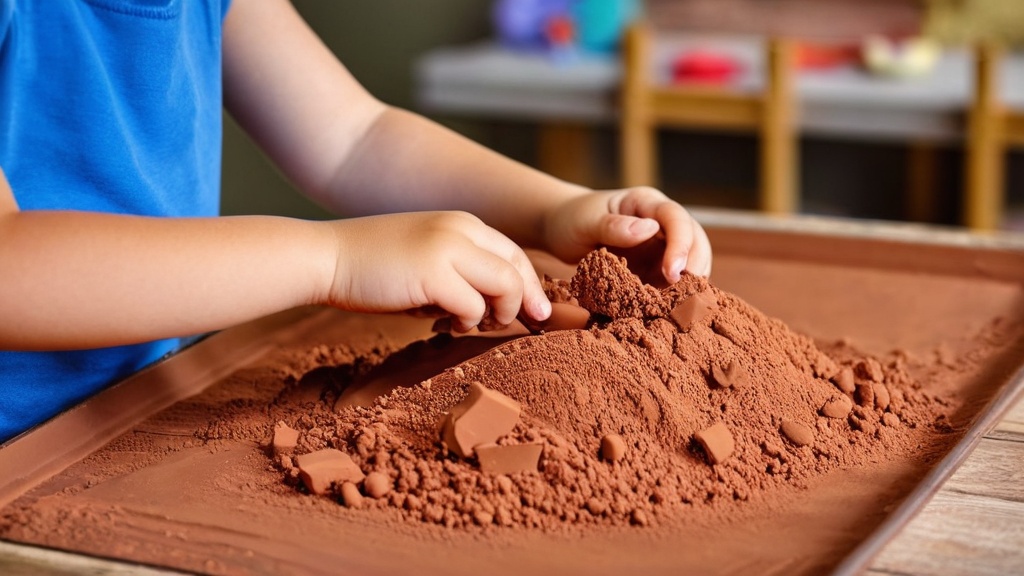
Air dry clay is often the go-to for parents and educators introducing young children to the world of sculpting. Its allure lies in its simplicity and the immediate gratification it offers. You don’t need any special equipment or a degree in ceramics to get started. As the name suggests, it hardens simply by being exposed to air. This means no preheating ovens, no concern about baking times, and no fear of burning little fingers.
This type of clay is wonderfully forgiving. If a mistake is made, it can often be corrected before it dries. The texture is typically soft and pliable, making it easy for small hands to knead, shape, and mold. The results, while perhaps not as permanent or as finely detailed as with other mediums, are often charming and deeply personal. The focus here is on the process, the tactile experience, and the pure joy of creation. It’s about letting your child express themselves without the added pressure of technical mastery or specialized finishing.
The Craftsmanship of Polymer Clay: Precision and Permanence
Polymer clay, on the other hand, is a more deliberate and, frankly, more advanced artistic tool. It remains soft and workable until it’s intentionally cured through baking in a standard oven. This extended workability is a significant advantage for projects that require intricate details or a longer sculpting session. You don’t have to rush your child’s artistic vision; they can take their time to perfect each curve and texture.
The baked result is a durable, often slightly flexible, and surprisingly resilient material. This means that your child’s creations can withstand more handling and retain their shape and detail over time. For older children or supervised projects, polymer clay opens up a world of possibilities for creating more complex and lasting pieces. It bridges the gap between simple crafting and more serious art forms, allowing for a greater sense of accomplishment as their creations transform from soft clay to hardened sculptures.
Key Considerations for Your Young Artist: Age, Skill, and Project Goals
When you’re standing in the craft aisle, the decision isn’t just about the clay itself, but about who is using it and what you hope to achieve. Your child’s age, their current artistic skill level, and the ultimate goal of your crafting session are paramount.
Age Appropriateness: Safety and Dexterity
The age of your child is a crucial factor in determining which clay is best suited for them. For very young children, say those under 7 or 8, the simplicity and safety of air dry clay are hard to beat. There are no small parts to lose, no sharp tools required out of the box (though they can be introduced), and no risk of thermal burns. The immediate feedback of seeing their creation harden on its own is also incredibly rewarding for this age group.
For children aged 8 and up, polymer clay becomes a viable and exciting option, provided there’s adult supervision. This age group often possesses the fine motor skills necessary to manipulate polymer clay with more precision. They can also understand and follow instructions regarding oven use. The ability to create more detailed and durable pieces can be a significant motivator for older children who are developing a more refined artistic sense.
Skill Level and Fine Motor Development
The development of fine motor skills is intrinsically linked to the type of clay that will be most successful. Younger children, or those still developing their dexterity, will find air dry clay much easier to handle. The softer texture requires less force to shape and sculpt, reducing potential frustration. Simple tools like cookie cutters, rolling pins, and their own fingers are perfectly adequate for creating charming figures and abstract forms.
As children mature and their fine motor skills become more developed, they can tackle the challenges and rewards of polymer clay. The ability to roll thin strands, create precise indentations, and blend colors requires a level of control that younger hands might struggle with. Polymer clay allows for the exploration of more complex techniques, such as caning, creating textures with specialized tools, and working with small embellishments, all of which further hone those fine motor abilities.
Project Goals: Quick Creations vs. Lasting Art
What is the ultimate vision for this crafting session? Are you looking for a quick, fun activity that results in charming, albeit perhaps fragile, creations? Or are you aiming to produce more durable, detailed pieces that can be cherished and even used for functional purposes?
Air dry clay excels at quick, low-mess crafts. Think of holiday ornaments, simple animal figures, or handprint keepsakes. The satisfaction comes from the immediate act of creation and the tangible result that dries relatively quickly. These projects are fantastic for developing a child’s understanding of form and volume without the commitment of a lengthy process.
Polymer clay, with its extended workability and oven-baked durability, is ideal for projects where longevity and detail are important. This could include creating small figurines that can be played with, jewelry pieces that are meant to be worn, or decorative items that will hold their shape and color for years to come. The process is more involved, but the outcome is a creation that has a much greater resistance to damage and can be considered a more permanent piece of art.
The Practicalities: Mess, Cleanup, and Cost
Let’s face it, crafting with kids can sometimes mean a trail of supplies and a bit of a mess. Understanding the practical differences in terms of cleanup and cost can significantly influence your decision.
Mess Factor: Studio Preparation and Cleanup Strategy
Air dry clay can be a bit messy, especially with younger children who might not have the most controlled movements. Crumbs can form, and stray bits can stick to surfaces. However, the cleanup is generally straightforward. A damp cloth or sponge usually does the trick for surfaces, and dried crumbs can be swept or vacuumed. It’s a mess that is contained and manageable.
Polymer clay, while also requiring care, often presents a different kind of mess. Because it needs to be baked, you’ll need to consider your oven and surrounding area. Uncured polymer clay can leave a residue on surfaces and tools, and baked pieces can sometimes emit a faint odor. It’s essential to work on a protected surface, such as a craft mat or parchment paper, and to ensure good ventilation during baking. Cleanup of sticky residue might require a bit more elbow grease and possibly isopropyl alcohol.
Cost Comparison: Budget-Friendly Options and Value
When it comes to cost, air dry clay is generally the more budget-friendly option. It’s readily available in large quantities at lower price points, making it an economical choice for frequent crafting or for large groups. The absence of specialized tools or baking requirements further reduces the overall investment.
Polymer clay typically has a higher initial cost per unit. However, when you consider the durability and the potential for creating more intricate and lasting pieces, it can offer excellent value. For older children who are serious about their art, investing in polymer clay can be a way to foster that passion without constant replenishment of a less durable material. Think of it as an investment in a more specialized art supply.
Storage and Longevity of Unused Clay
Proper storage is key to getting the most out of your clay, regardless of the type. Air dry clay needs to be kept in an airtight container or bag to prevent it from drying out prematurely. Once it has fully dried, it cannot be rehydrated.
Polymer clay, on the other hand, will remain workable for a considerable time if stored properly in its original packaging or a sealed container away from direct sunlight and heat. This means you can buy a larger quantity and use it over multiple sessions without worrying about it drying out, which can make it a more cost-effective option in the long run for dedicated crafters.
The Creative Process: Workability and Finishing Touches
The journey from a lump of clay to a finished piece is where the true magic happens. The way the clay behaves during sculpting and how you can finish it afterward are critical aspects to consider.
Workability: How Long Can Your Child Play?
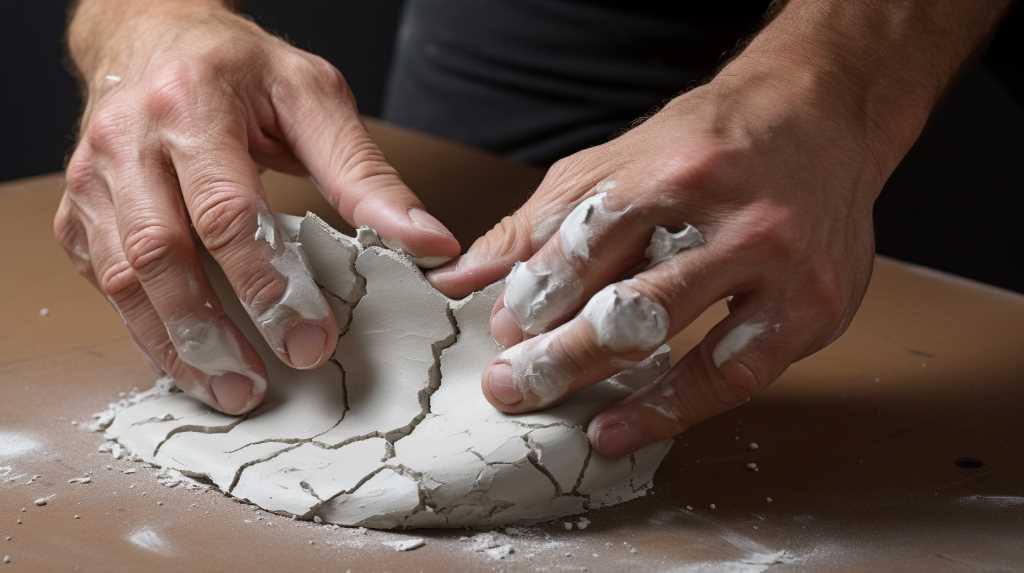
This is where a significant divergence occurs. Air dry clay is malleable and easy to shape, but its workability is limited by its drying time. Once it starts to harden, it becomes increasingly difficult to mold and can crack if you try to force it. This encourages a more spontaneous and immediate approach to sculpting, which can be excellent for capturing fleeting ideas.
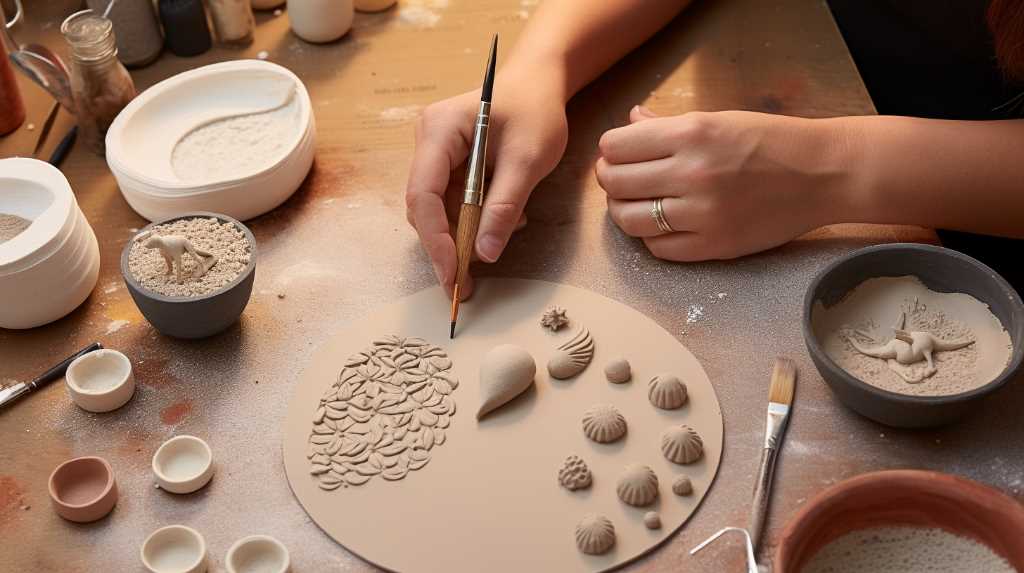
Polymer clay, by contrast, stays pliable and easy to manipulate for extended periods. This allows for a more deliberate and iterative creative process. Your child can spend hours refining a shape, adding small details, or even coming back to a project over several days to add more elements. This extended workability is invaluable for projects that require precision and patient development.
Drying and Curing: Air vs. Oven
The method of hardening is a defining characteristic. Air dry clay simply needs time and exposure to air. This can take anywhere from 24 to 72 hours, depending on the thickness of the piece and the humidity of the environment. Once dry, it’s ready for decoration.
Polymer clay requires oven baking to cure. This process typically takes between 15 to 30 minutes at a low oven temperature (usually around 230-275°F or 110-135°C). It’s crucial to follow the manufacturer’s instructions precisely for the specific brand of clay used. This baking process transforms the clay into a hard, permanent material.
Finishing Touches: Painting, Sealing, and Durability
Once air dry clay is hardened, it becomes porous and ready for painting. Acrylic paints are a popular choice, allowing for vibrant colors and unique decorations. You can also seal air dry clay creations with varnishes or mod podge to provide some protection, though it will never be completely waterproof or as robust as baked polymer clay. Some air dry clays are also designed to be painted without a sealant, making them even simpler to finish.
Polymer clay, after baking, provides a smooth surface for painting if desired, but many creations are left unpainted to showcase the vibrant colors of the clay itself. It can also be buffed to a shine or sanded and polished for a professional finish. Due to its composition, cured polymer clay is much more durable and can even be waterproof, making it suitable for items that might be handled frequently or exposed to moisture.
Safety First: Always Prioritize Well-being
When it comes to crafting with children, safety is paramount. Both air dry and polymer clay are generally considered non-toxic, which is a significant relief for parents. However, there are nuances to be aware of.
Non-Toxic but Supervising is Key
Both types of clay are typically labeled as non-toxic, meaning they are safe for children to handle and mold. This is a fundamental reassurance for parents. However, “non-toxic” doesn’t mean “edible”! It’s always wise to remind children not to put the clay in their mouths, as ingesting even non-toxic materials can cause digestive upset.
Adult Supervision During Baking (Polymer Clay)
The most significant safety consideration arises with polymer clay. While the clay itself is non-toxic, the oven baking process necessitates adult supervision. Children should never operate the oven unsupervised. They should also be kept at a safe distance from the hot oven and the baked clay as it cools. This is where the age recommendation of 8 and up becomes particularly relevant, as it implies a child’s ability to understand and follow safety instructions in a potentially hazardous situation.
Ventilation and Handling
Even with non-toxic materials, good ventilation is always a good practice when crafting, especially when using polymer clay. Ensure the crafting area is well-ventilated, particularly during the baking phase, to avoid any potential fumes. For young children, it’s also important to ensure they are not using sharp tools without close supervision.
Making Your Decision: Air Dry vs. Polymer Clay Summary
To help you solidify your choice, let’s condense the key factors into a clear comparison.
When to Choose Air Dry Clay:
- For younger children (under 8): Its ease of use and safety without baking are ideal.
- For quick, simple crafts: Think ornaments, handprint art, or spontaneous sculpting.
- When you want a low-mess, low-stress activity: Cleanup is generally easier.
- If budget is a primary concern: It’s a more economical option.
- For projects where immediate gratification is key: The drying process is straightforward.
- When the focus is on the tactile experience and process: Less emphasis on perfect, lasting results.
When to Choose Polymer Clay:
- For older children (8 and up) with adult supervision: They can handle the more intricate process.
- For detailed, intricate projects: Its long workability allows for precision.
- When durability and longevity are important: Creations will last longer and resist damage.
- For functional art or items that will be handled frequently: Jewelry, small figures, or decorative items.
- When you want to explore more advanced sculpting techniques: It opens doors to a wider range of artistic expression.
- For projects that require a polished and permanent finish: Cured polymer clay can be sanded, buffed, and even waterproof.
Ultimately, the choice between air dry clay and polymer clay depends on your child’s specific needs and your artistic goals for your crafting sessions. Both offer fantastic opportunities for creativity, skill development, and hours of engaging fun. By carefully considering these factors, you can select the perfect clay to ignite your child’s imagination and help them bring their colorful visions to life, one sculpted masterpiece at a time. Happy crafting!
FAQs
1. What is air dry clay and polymer clay?
Air dry clay is a type of clay that hardens when left to dry in the air, while polymer clay is a type of modeling clay that must be baked in an oven to harden.
2. What are the differences between air dry clay and polymer clay?
Air dry clay is more suitable for younger children as it does not require baking and is non-toxic, while polymer clay is better suited for older children as it requires baking and can emit fumes during the process.
3. Which type of clay is safer for kids to use?
Air dry clay is generally considered safer for kids to use, as it does not require baking and is non-toxic. However, it is important for kids to always use clay under adult supervision.
4. What are the advantages of using air dry clay for kids’ projects?
Air dry clay is easy to use, does not require special equipment, and is non-toxic, making it a great option for kids’ art projects. It also comes in a variety of colors and can be easily painted once dry.
5. What are the advantages of using polymer clay for kids’ projects?
Polymer clay is more durable and can be used to create more intricate and detailed projects. It also comes in a wider range of colors and can be easily blended to create custom colors. However, it requires adult supervision during the baking process.