Choosing Between Air Dry Clay and Polymer Clay for Your Sculptures
You’ve got an idea swirling in your head, a vision of a tangible creation waiting to take shape. As you stand at the precipice of your artistic endeavor, one of the first and most crucial decisions you’ll face is which clay to bring to life. The world of sculpting offers a fascinating duality: the forgiving nature of air-dry clay versus the precision and permanence of polymer clay. Each boasts its own unique personality, strengths, and quirks, and understanding these differences is key to unlocking your creative potential and ensuring your sculptures not only meet your expectations but also endure the test of time. Think of this as your personal guide, helping you navigate the landscape of clay and choose the perfect partner for your next masterpiece.
Before you even pick up a sculpting tool, it’s essential to grasp the fundamental distinctions between air-dry clay and polymer clay. These aren’t just minor variations; they dictate how you’ll work, the types of projects you can undertake, and the longevity of your finished pieces. Imagine them as two distinct languages of sculpting, each with its own grammar and vocabulary.
How They Harden
This is perhaps the most significant differentiator. The way these clays transform from pliable material into a solid form dictates the entire workflow.
Air Dry Clay: The Natural Approach
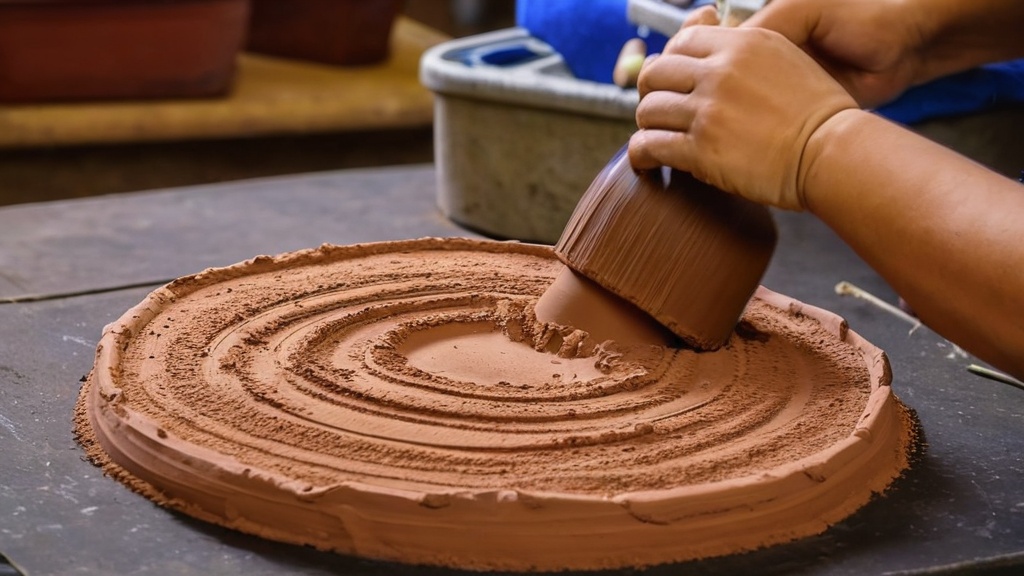
You’ll find air-dry clay to be the more accessible and straightforward option when it comes to hardening. Its name tells you precisely what to expect: it dries and hardens when exposed to the air. This process typically takes between 24 to 72 hours, depending on the thickness of your sculpture and the humidity of your environment. There’s no need for specialized equipment or lengthy baking sessions. You simply let it sit, and over time, it becomes a solid object. This natural drying process makes it incredibly convenient, especially for those who prefer a hands-off approach to curing or lack access to a baking oven.
Polymer Clay: The Controlled Transformation
Polymer clay, on the other hand, requires a deliberate act to solidify: baking. This isn’t the kind of baking you do for cakes; it’s an oven-curing process. Once you’ve sculpted your piece to perfection, you place it in a standard home oven at a specific temperature for a designated amount of time. This baking process triggers a chemical reaction within the clay, fusing its polymer particles together to create a hard, durable, and permanent form. The control offered by this method is a significant advantage for many sculptors. You dictate exactly when and how your creation hardens.
Workability and Handling
The tactile experience of working with clay is a critical part of the sculpting process. How the clay feels in your hands, how easily it can be shaped, and how it holds detail will greatly influence your creative flow.
Air Dry Clay: Forgiving and Malleable
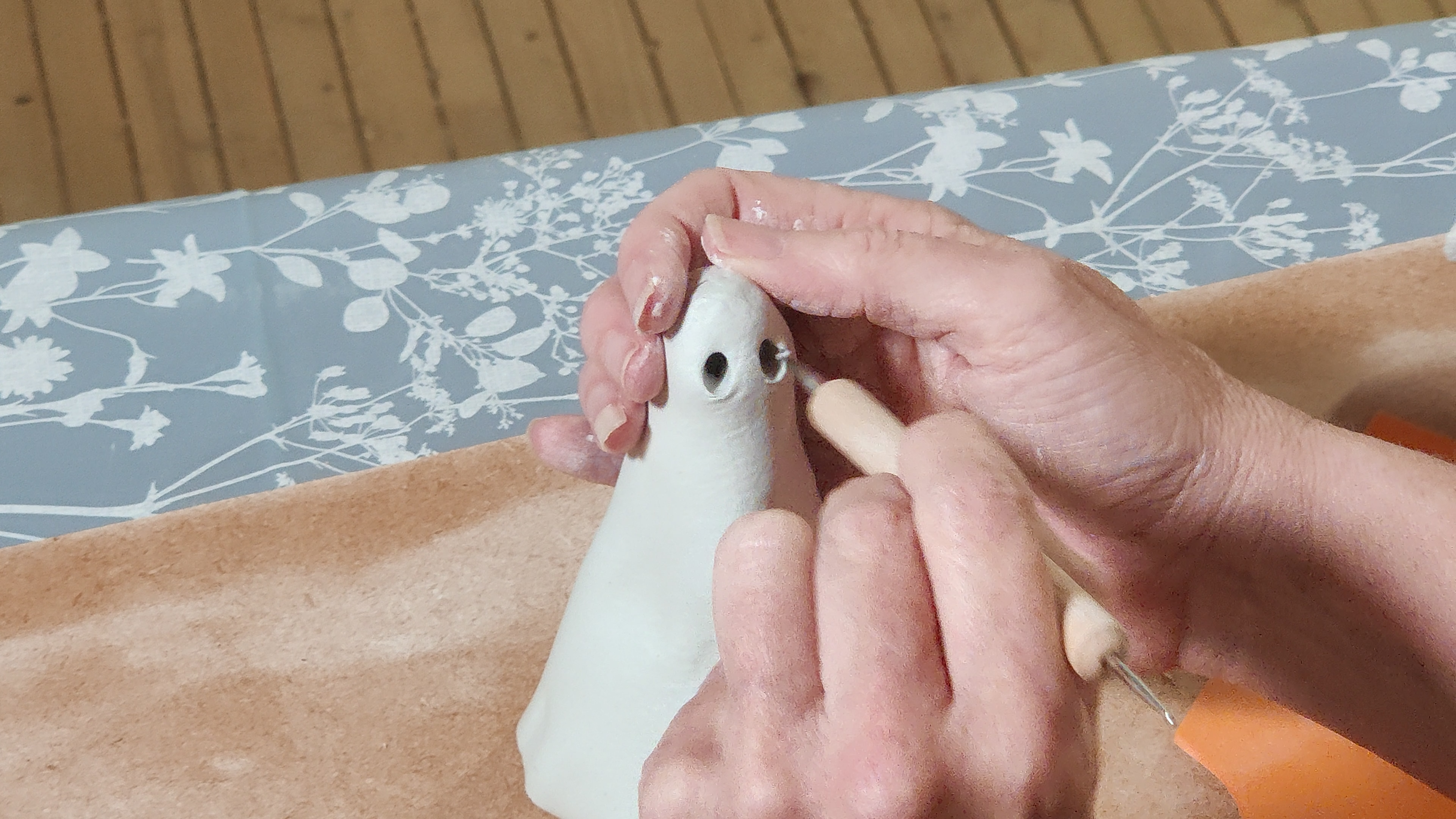
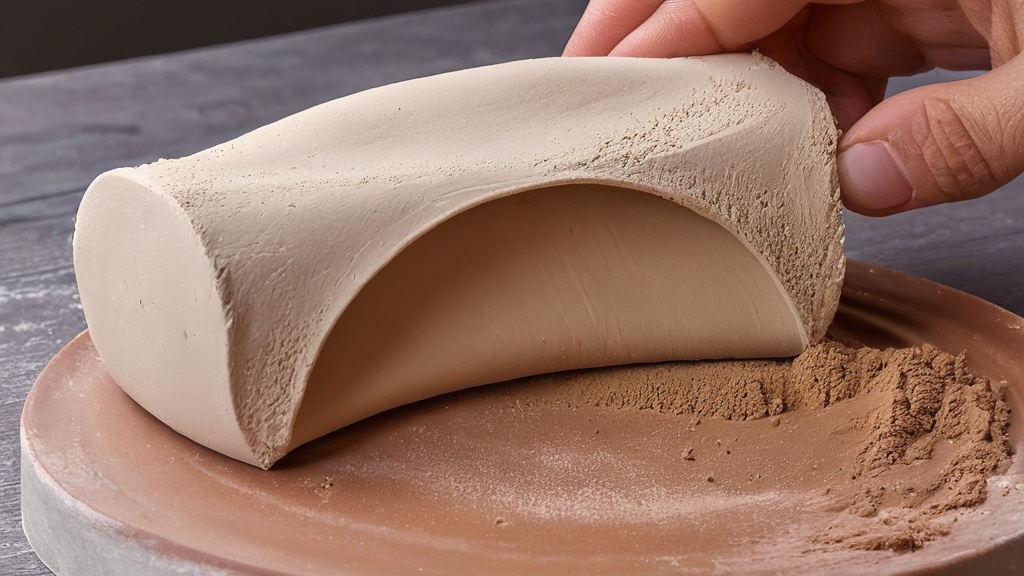
Air-dry clay is generally known for its soft and pliable nature, making it very forgiving for beginners. It’s often described as being similar to modeling clay, allowing you to easily mold, shape, and blend without much effort. If you make a mistake, you can often simply rehydrate a small area or blend it in. This ease of use makes it an excellent choice for those just starting out or for younger artists who are exploring their creative instincts. Its malleability means you can push and pull it into various forms with your fingers and basic tools.
Polymer Clay: Demanding, Yet Rewarding
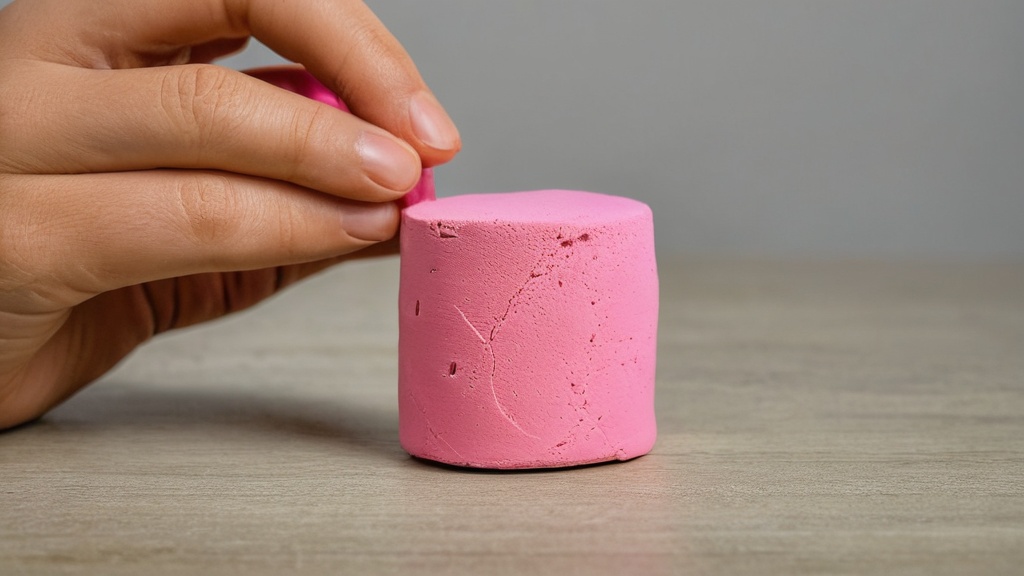
Polymer clay can be a bit more demanding to work with initially. Out of the package, it can sometimes be quite stiff and may require conditioning. This conditioning involves kneading and working the clay until it becomes pliable and smooth. Many artists use pasta machines or specialized clay conditioning tools for this purpose. However, once conditioned, polymer clay becomes incredibly responsive. It holds fine detail exceptionally well, allowing you to create intricate textures and sharp edges that might be difficult to achieve with air-dry clay. This responsiveness, while requiring a bit more initial effort, ultimately leads to a higher level of precision in your work.
Durability and Strength
Once your sculpture is complete, its longevity becomes a paramount concern. How will it hold up to handling, environmental factors, and the passage of time?
Air Dry Clay: Prone to Fragility
Air-dry clay, while satisfying to work with, is generally more fragile once dried. This is particularly true for thinner sections of your sculpture, which can be more susceptible to breaking or chipping. It’s also more prone to shrinking and cracking during the drying process, especially if not dried slowly and carefully. This means that while it’s great for quick prototypes or decorative pieces that won’t be handled frequently, it might not be the best choice for items that need to withstand a lot of wear and tear or are meant to be very delicate.
Polymer Clay: Robust and Resilient
Polymer clay, after baking, is renowned for its exceptional durability. It becomes strong, hard, and remarkably resistant to breakage. This makes it an ideal medium for projects that require resilience, such as jewelry, small figurines that will be played with, or decorative items that you want to be able to handle without worry. Its water-resistant nature after baking further contributes to its longevity, protecting it from moisture damage. You can be confident that a well-baked polymer clay sculpture will stand the test of time.
Water Resistance
The interaction of your sculpture with water is a critical consideration, especially if you plan to display it in various environments or if it will be exposed to moisture.
Air Dry Clay: Vulnerable to Moisture
One of the most significant limitations of air-dry clay is its lack of inherent water resistance. Once dried, it is porous and will absorb moisture, which can lead to softening, warping, or even disintegration. To protect your air-dry clay sculptures from water, you will almost always need to seal them with a varnish, sealant, or acrylic paint. This creates a barrier against moisture, but it’s an added step and a constant consideration for maintenance.
Polymer Clay: Built to Withstand
In stark contrast, polymer clay is described as waterproof or highly water-resistant after baking. This inherent property means that your baked polymer clay creations can withstand exposure to water without degradation. This makes it an excellent choice for projects like outdoor decorations, items that might get wet, or even jewelry that you want to be able to clean easily. You don’t need to worry about sealing it specifically for water protection, although sealing for aesthetic purposes (like adding a gloss or matte finish) is still common.
Project Suitability: Where Do They Shine?
Understanding the core differences naturally leads to exploring where each type of clay truly excels. Certain projects are inherently better suited to the characteristics of one clay over the other, guiding your choice towards the most successful outcome.
For the Beginners and the Young Artists
If you’re just dipping your toes into the world of sculpting, or if you’re looking for an activity that’s easy for children to engage with, air-dry clay often takes the crown.
Air Dry Clay: The Gentle Introduction
The ease of use and the no-bake requirement of air-dry clay make it the perfect starting point for beginners. There’s less pressure, fewer steps, and a more immediate reward as your creation hardens at room temperature. For children, the tactile experience, the ability to mold and shape freely without complex tools or heating elements, and the relatively low cost make it an ideal medium for fostering creativity and fine motor skills. You can simply let them explore their imagination, and their creations will solidify into tangible keepsakes.
Polymer Clay: A Step Up in Complexity
While not entirely out of reach for beginners, polymer clay does present a slightly steeper learning curve. The initial conditioning, the need for precise baking, and the potential for tiny details that can be finicky can be a bit overwhelming for someone completely new to sculpting. However, for those who are ready to invest a little more time in learning the techniques, polymer clay offers a much richer and more detailed creative experience right from the start.
For Intricate Details and Miniatures
When your artistic vision demands crisp lines, tiny features, and the ability to capture the smallest nuances, one clay clearly has the edge.
Polymer Clay: The Master of Fine Detail
Polymer clay is the undisputed champion when it comes to fine detail. Its ability to hold incredibly sharp edges, smooth surfaces, and intricate textures makes it the preferred choice for sculptors working on miniatures, detailed jewelry components, character figurines with delicate features, and anything requiring a high level of precision. The plasticity of conditioned polymer clay allows you to sculpt with tiny tools and achieve a level of refinement that is difficult, if not impossible, with air-dry clay. Think of the tiny stitches on a miniature garment or the delicate patterns on a tiny teacup – polymer clay excels here.
Air Dry Clay: Best for Broader Strokes
While air-dry clay can be worked with tools to create some texture, it’s generally not as adept at capturing the ultra-fine details. Its slightly softer consistency can lead to less crisp edges, and the potential for cracking or shrinking during drying can compromise very delicate features. It’s better suited for sculptures with broader strokes, simpler shapes, and where intricate, microscopic detail isn’t the primary focus.
For Jewelry and Wearable Art
If your goal is to create pieces you can wear, pieces that need to be both beautiful and durable, your choice will lean heavily in one direction.
Polymer Clay: The Jewelry Artisan’s Choice
Polymer clay is a favorite among jewelry makers for several compelling reasons. Its ability to hold fine detail is essential for creating intricate beads, pendants, charms, and other decorative elements. Crucially, after baking, it becomes incredibly strong and durable, meaning your creations are less likely to break or chip during everyday wear. Its water resistance also adds to its longevity, making it resistant to the elements and easier to clean. You can achieve a professional, polished finish with polymer clay that is ideal for wearable art.
Air Dry Clay: Best for Display Pieces
While you can create jewelry with air-dry clay, it’s generally not recommended for pieces that will be worn frequently. The inherent fragility and vulnerability to moisture mean that air-dry clay jewelry would require constant care and would likely not withstand the rigors of daily wear. It’s better suited for decorative jewelry pieces that are meant to be displayed or for very simple, less delicate designs that are handled with extreme care.
For Quick Prototypes and Concepts
Sometimes, you need to get an idea out of your head and into a physical form quickly, without the commitment of a long-term project.
Air Dry Clay: The Speed Demon
When you need to rapidly bring a concept to life, explore a shape, or create a quick prototype, air-dry clay is your go-to. Its ease of use and straightforward hardening process mean you can sculpt and have a solid, albeit potentially fragile, model in a matter of days. This is perfect for brainstorming, creating maquettes, or testing out designs before committing to a more permanent or expensive medium.
Polymer Clay: The Long Game
While you can create a quick prototype with polymer clay, the conditioning and baking steps add time and complexity that might not be ideal for a truly rapid concept exploration. However, if the prototype needs to be durable and hold fine detail for evaluation, polymer clay might be the better choice, even if it takes a bit longer.
The Practicalities: Cost, Tools, and Maintenance
Beyond the artistic considerations, the practical aspects of working with clay can heavily influence your decision. These include your budget, the tools you already own or are willing to acquire, and the ongoing care your finished pieces will require.
Cost Considerations
Budget is always a factor in any creative pursuit. The financial investment in your materials can range significantly depending on your chosen clay.
Air Dry Clay: The Economical Option
Generally speaking, air-dry clay is significantly cheaper than polymer clay. You can often find large quantities for a relatively low price, making it an accessible option for students, hobbyists on a tight budget, or for projects where you need to use a lot of material. This cost-effectiveness makes it ideal for experimentation and for large-scale projects where material cost could become a significant factor.
Polymer Clay: An Investment in Quality
Polymer clay tends to be more expensive per ounce or pound than air-dry clay. This higher cost reflects the specialized nature of the material and its superior properties after curing. While it’s a greater initial investment, many artists find that the durability, detail retention, and professional finish of polymer clay justify the cost, especially for projects that will be sold or displayed professionally.
Tools and Equipment
What you need to have on hand to work with each type of clay can also influence your choice.
Air Dry Clay: Minimalist Approach
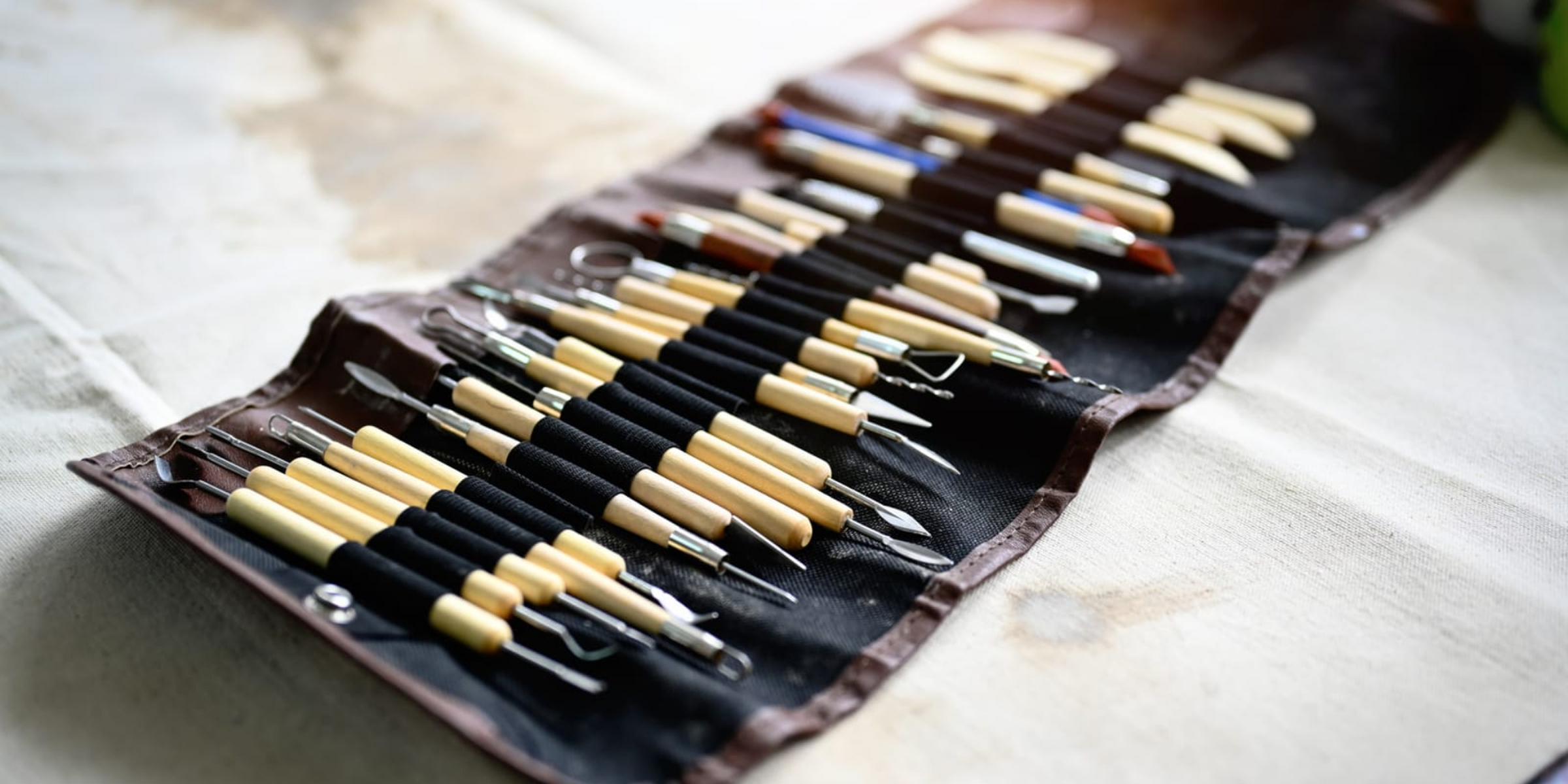
The beauty of air-dry clay is that you don’t need much specialized equipment to get started. Your hands, some basic sculpting tools (like wooden modeling tools, spatulas, or even household items like toothpicks), and a surface to work on are usually sufficient. If you plan to seal your air-dry clay, you’ll need brushes and your chosen sealant.
Polymer Clay: A Few Key Additions
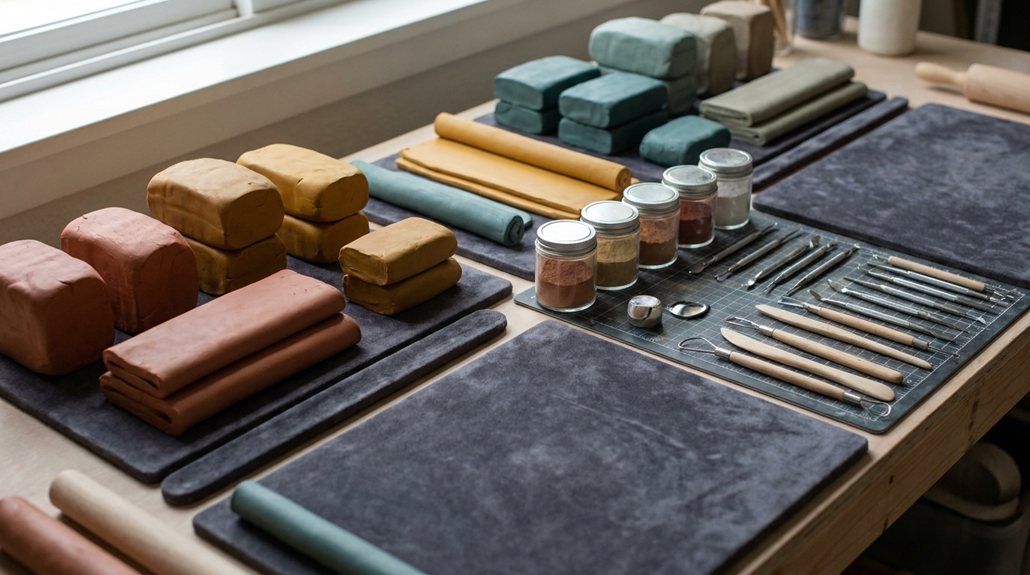
While you can certainly start with basic sculpting tools for polymer clay, you’ll likely find yourself wanting a few more specialized items to enhance your workflow. Conditioning tools, such as a pasta machine or a clay conditioning tool, are highly recommended for making the clay pliable. For intricate details, you might invest in finer sculpting tools, needle tools, and possibly texture sheets. Crucially, you will need a functioning oven for baking, and it’s advisable to have a dedicated oven thermometer to ensure accurate temperatures.
Maintenance and Longevity
Once your sculpture is complete, how will you care for it, and how long can you expect it to last?
Air Dry Clay: Careful Handling is Key
Air-dry clay requires careful handling and a mindful approach to maintenance. As mentioned, it’s prone to chipping and breaking, so you’ll want to display your pieces in areas where they are unlikely to be knocked over. Its susceptibility to moisture means you’ll need to be cautious about placing them in damp environments. If the sealant wears off over time, you may need to reapply it to maintain protection.
Polymer Clay: Built to Last
Once properly baked, polymer clay sculptures are remarkably resilient and require minimal maintenance. Their durability means they can withstand regular handling. Their water resistance protects them from moisture damage. You can clean them with a damp cloth, and they will generally retain their form and color for a very long time. This low-maintenance aspect is a significant advantage for creating lasting pieces.
The Process: Tips for Success with Each Clay
Understanding how to work with each clay type is crucial for achieving the best results and avoiding common pitfalls. Here are some practical tips to guide you through the process.
Working with Air Dry Clay
The key to success with air-dry clay lies in managing its drying process and understanding its limitations.
Slow and Steady Wins the Race
A common practical tip for working with air-dry clay is to dry it slowly. Rapid drying can lead to increased shrinkage and cracking. If you’re working on a larger piece, consider covering it loosely with plastic wrap or a damp cloth when you’re not actively working on it, especially during the initial stages. This helps to prevent the surface from drying out too quickly.
Sealing for Protection
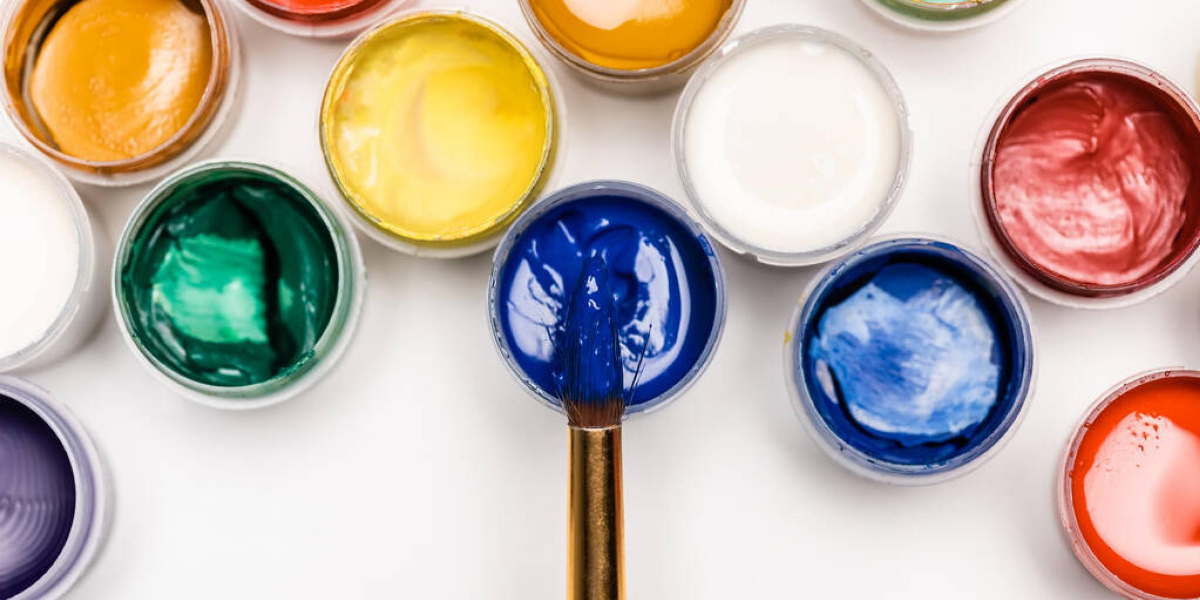
As you’ve learned, air-dry clay is not waterproof on its own. Once your sculpture is completely dry, it’s highly recommended to seal it. This can be done with acrylic paints, varnishes, or specialized sealants. Sealing not only protects your piece from moisture but also provides a surface for further decoration and can enhance its appearance with a matte or gloss finish.
Working with Polymer Clay
Polymer clay requires a bit more preparation and attention to detail, but the rewards are well worth the effort.
Condition for Consistency
Before you begin sculpting with polymer clay, you’ll want to ensure it’s properly conditioned. This process involves kneading and working the clay until it’s smooth, pliable, and easy to manipulate. Unconditioned clay can be stiff and prone to cracking. Using a pasta machine or a clay conditioning tool can make this process much easier and more consistent.
Bake with Precision
Baking is the critical step for polymer clay. Always follow the manufacturer’s instructions for baking time and temperature. Using an oven thermometer is highly recommended to ensure your oven is accurate, as under-baking or over-baking can compromise the strength and durability of your sculpture. Allow the clay to cool completely in the oven before removing it.
Final Thoughts: Making Your Choice
| Metrics | Air Dry Clay Sculptures | Polymer Clay Sculptures |
|---|---|---|
| Drying Time | Requires air drying for several days | Requires baking in an oven for a short time |
| Texture | Has a natural, matte finish | Can have a glossy or matte finish |
| Strength | Can be brittle and fragile | Generally more durable and strong |
| Color Options | Can be painted after drying | Available in a wide range of pre-colored options |
| Detailing | May not hold fine details as well | Can hold intricate details and textures |
As you stand at the crossroads of your sculptural journey, reflect on what you aim to create. Consider your skill level, your patience, your budget, and the ultimate purpose of your artwork.
If you’re a beginner looking for an accessible entry point, a parent guiding a child’s artistic exploration, or someone who prioritizes convenience and a no-oven approach, air-dry clay is likely your best friend. Its affordability and ease of use make it a forgiving medium for experimentation and quick projects. Just remember its limitations regarding durability and water resistance, and plan your finishing steps accordingly.
However, if your artistic vision demands the utmost precision, if you dream of creating intricate miniatures, durable jewelry, or pieces that will stand the test of time with minimal fuss, then polymer clay is your superior choice. Its ability to hold fine detail, its strength after baking, and its water-resistant nature make it an investment in quality and longevity. Embrace the conditioning process, master the baking, and you’ll unlock a world of detailed and enduring sculptural possibilities.
Ultimately, there’s no single “better” clay; there’s only the clay that is better suited for your specific project and your artistic goals. Don’t be afraid to experiment with both, to learn their nuances, and to discover which one sings to your creative spirit the loudest. Happy sculpting!
FAQs
1. What is the difference between air dry clay and polymer clay?
Air dry clay hardens when left out in the open air, while polymer clay needs to be baked in an oven to cure and harden.
2. Which type of clay is better for sculpting detailed and intricate designs?
Polymer clay is better for sculpting detailed and intricate designs due to its ability to hold fine details and its flexibility.
3. Can air dry clay and polymer clay be used together in a single sculpture?
Yes, air dry clay and polymer clay can be used together in a single sculpture. However, it is important to consider the differences in curing methods and compatibility of the two clays.
4. Which type of clay is more suitable for beginners in sculpting?
Air dry clay is more suitable for beginners in sculpting as it is easier to work with and does not require special equipment for curing.
5. What are the differences in the finishing and painting process for air dry clay and polymer clay sculptures?
Air dry clay sculptures can be painted directly once they are dry, while polymer clay sculptures require special paints and techniques due to their smooth and non-porous surface after baking.