So, you’ve found yourself drawn to the tactile world of clay sculpting, haven’t you? That urge to mold, shape, and create something tangible from your imagination is a powerful one. As you start to explore this exciting craft, a fundamental question will inevitably arise: which clay is right for you? The two titans of accessible clay crafting often presented are air-dry clay and polymer clay. While both offer the joy of three-dimensional creation, they operate on fundamentally different principles and cater to distinct project types and skill levels. Navigating this choice can feel a bit overwhelming at first, but understanding their core characteristics, strengths, and weaknesses will empower you to make an informed decision that will set you up for success and satisfaction in your artistic endeavors. Let’s dive into the nitty-gritty of air-dry clay versus polymer clay, helping you pinpoint the perfect medium for your next masterpiece.
The most significant divergence between air-dry clay and polymer clay lies in their drying and curing processes. This fundamental difference dictates much of their behavior, durability, and the types of projects they are best suited for. Grasping this initial concept is the cornerstone of your decision-making process.
Air Dry Clay: Nature’s Own Curing Method
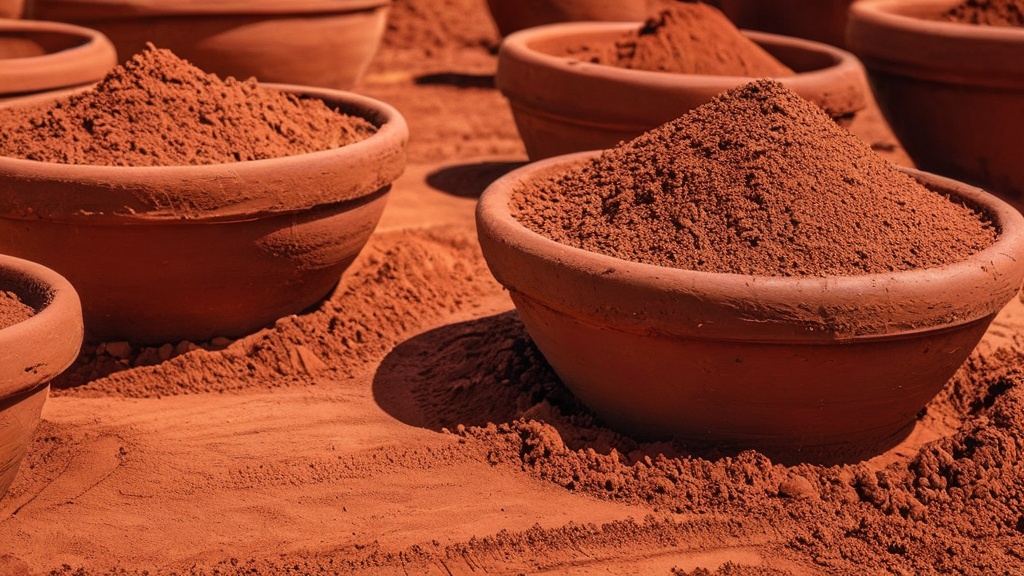
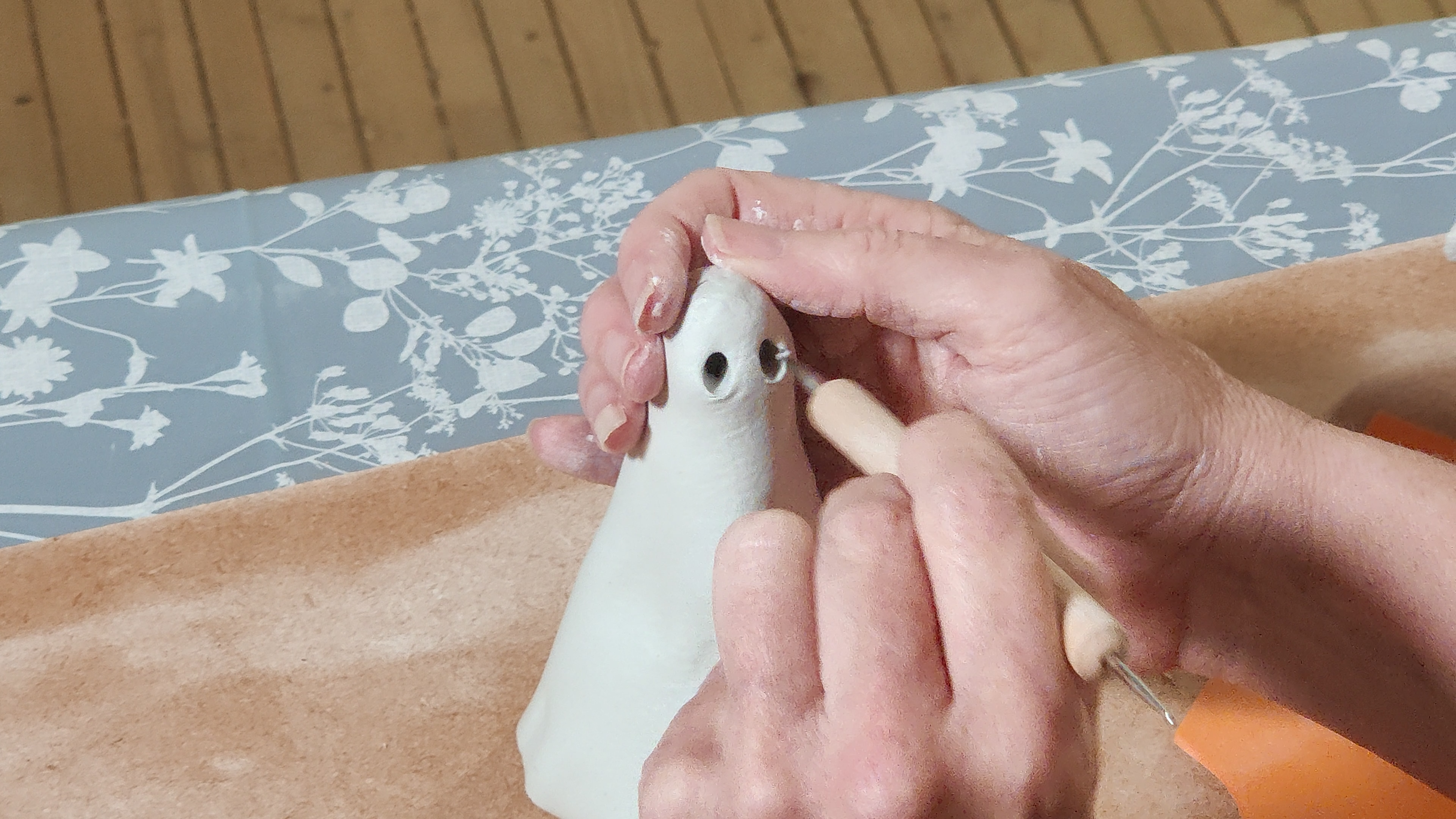
Air-dry clay, as its name strongly suggests, hardens when exposed to the air. There’s no complex baking procedure or special curing process involved. You simply sculpt your piece, let it sit out, and over time, the moisture within the clay evaporates, causing it to become solid and permanent. This natural drying process makes it incredibly user-friendly, especially for those just dipping their toes into the world of clay.
The Evaporation Game
The magic, or rather the science, behind air-dry clay is the evaporation of water. When you first open a package of air-dry clay, you’ll notice its pliable, moist texture. As it sits in the open air, the water molecules begin to transform into vapor and dissipate into your surroundings. This gradual loss of moisture causes the clay particles to bind together, forming a rigid structure. The time it takes for a piece to fully dry can vary significantly. Factors like humidity, temperature, and the thickness of your sculpture all play a role. A thin piece might dry in a day or two, while a larger, more substantial project could take a week or even longer. This patient waiting period is part of the charm for some, but it’s something to consider if you’re working on a tight deadline or crave immediate gratification.
Ease of Use for the Uninitiated
The lack of special equipment or baking requirements makes air-dry clay incredibly accessible. You don’t need an oven, specialized tools, or particularly complex instructions to get started. All you need is the clay, your hands, and a surface to work on. This low barrier to entry is a major draw for beginners, children, and anyone looking for a simple, straightforward crafting experience. It allows you to focus on the creative act itself without getting bogged down in technicalities.
Polymer Clay: A Controlled Baking Transformation
Polymer clay, on the other hand, is an entirely different beast. It’s a synthetic material composed of PVC (polyvinyl chloride) polymer, plasticizers, and pigments. Crucially, it remains soft and pliable until it’s exposed to heat, at which point it undergoes a chemical transformation and cures into a hard, durable plastic. This curing process is typically done in a standard home oven.
The Polymerization Process
When you bake polymer clay, the heat causes the PVC particles to soften, flow, and fuse together, creating a solid, permanent structure. This process is known as polymerization. It’s a chemical reaction that fundamentally changes the clay’s properties, rendering it much harder and more robust than it was in its uncured state. The temperature and baking time are critical for achieving a good cure. Too low a temperature or too short a time, and the clay might remain somewhat soft or brittle. Too high a temperature or too long a time, and you risk burning or discoloring the clay. Following the manufacturer’s instructions for baking is paramount for achieving the best results.
Durability Through Baking
The act of baking is what imbues polymer clay with its impressive durability. Once cured, it becomes a remarkably strong material, capable of withstanding a good deal of handling and stress. This makes it ideal for projects that will be used frequently or need to be particularly robust. The plastic-like nature of cured polymer clay also contributes to its resistance to water and its ability to hold fine details.
Your Project Goals: What Do You Want to Create?
The type of project you envision completing is perhaps the most significant factor in deciding between air-dry and polymer clay. Each medium excels in different areas, making one a clear winner depending on your artistic aspirations.
Decorative & Lightweight Creations with Air Dry Clay
If your goal is to create decorative items that don’t need to withstand heavy use, air-dry clay often shines. Think of handcrafted figurines for display, lightweight ornaments, faux floral arrangements, or even simple wall art. Its natural drying process means you don’t have to worry about its structural integrity once it’s dry and sealed.
- Home Décor: Creating charming decorative pieces for your home is a fantastic application for air-dry clay. You can sculpt beautiful bowls, decorative tiles, small statues, or even whimsical character figures that you can later paint or embellish. Since these items are primarily for display, the lesser inherent strength of air-dry clay is not a significant drawback.
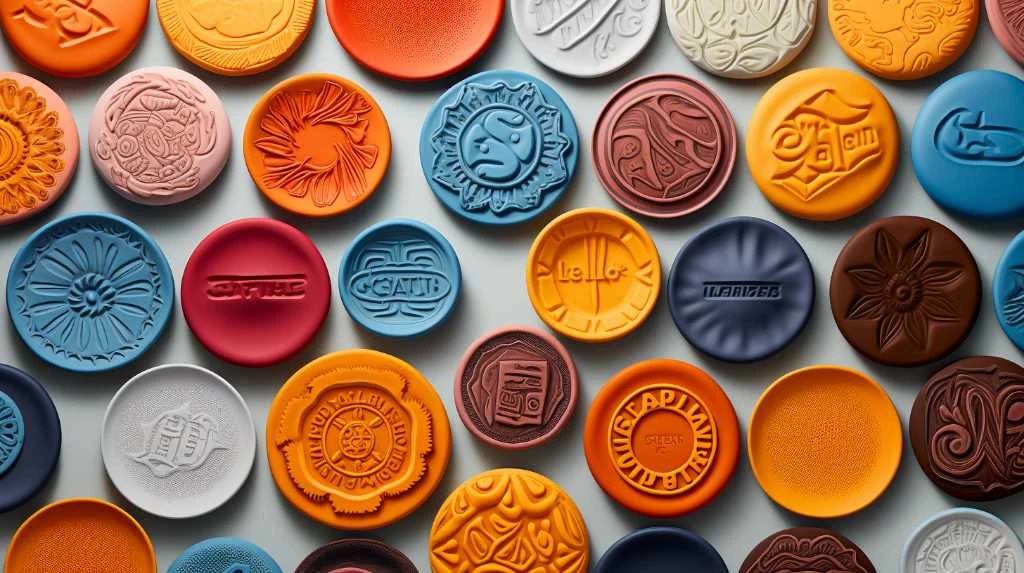
- Seasonal Ornaments: For holiday celebrations, air-dry clay is a perfect choice for crafting unique ornaments. You can press stamps into the surface for texture, cut out shapes, or sculpt small festive figures. Their lightweight nature makes them easy to hang on branches without causing them to droop.
- Faux Florals and Plants: If you have a green thumb but struggle to keep actual plants alive, air-dry clay can be your secret weapon. You can sculpt realistic or stylized flowers and leaves, paint them vibrantly, and create everlasting botanical arrangements that require no watering or sunlight.
Detailed & Durable Items with Polymer Clay
For projects that require intricate detail, vibrant colors that remain consistent, and a high degree of durability, polymer clay is often the superior choice. This is especially true for items that will be handled regularly or need to withstand wear and tear.
- Jewelry Making: Polymer clay is a powerhouse in the world of handmade jewelry. Its ability to hold extremely fine details, its vast color palette, and its strength after baking make it perfect for creating beads, pendants, earrings, and charms. You can achieve incredibly intricate patterns, textures, and sculpted elements that would be difficult or impossible with air-dry clay.
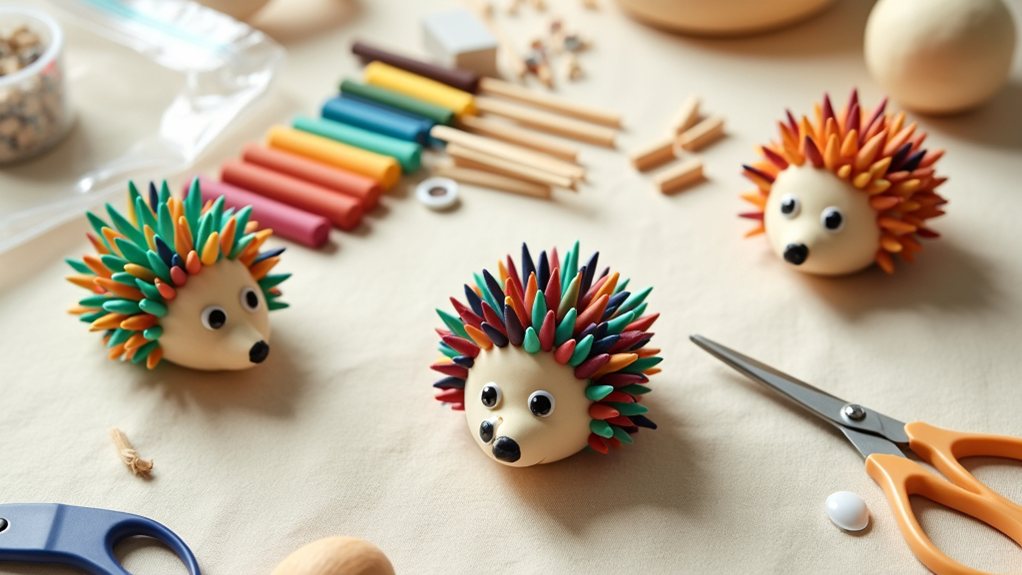
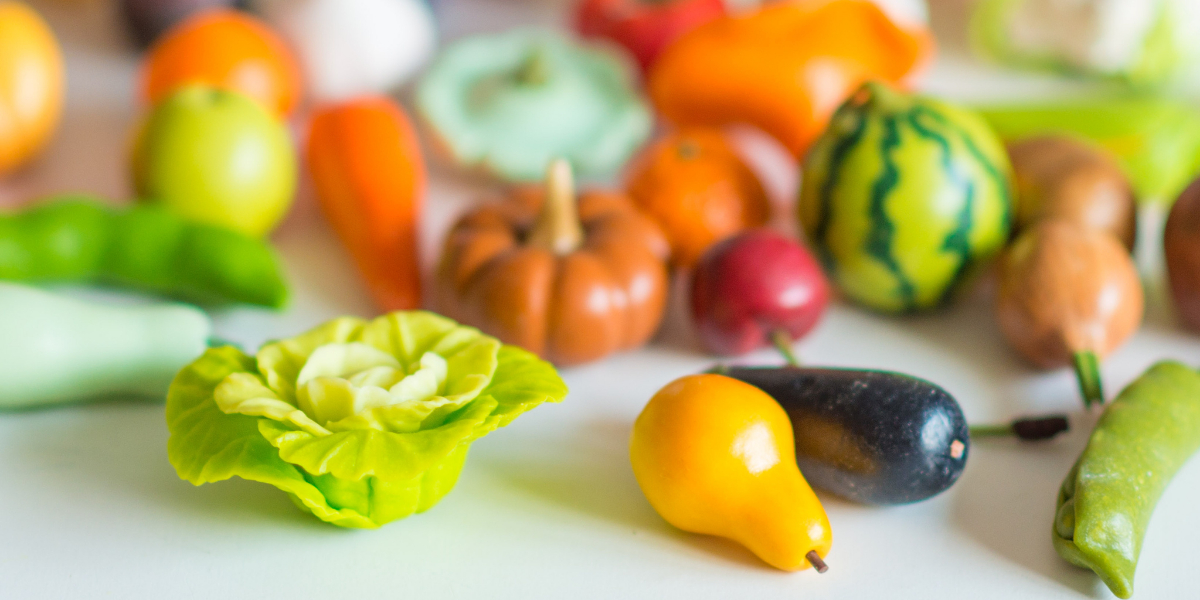
- Miniatures and Figurines: If you’re into gaming, dollhouses, or creating tiny worlds, polymer clay is your go-to. It allows for the meticulous sculpting of small figures, furniture, and accessories with incredibly fine details. The durability of cured polymer clay means these delicate creations can be handled and displayed without fear of them crumbling.
- Small Accessories and Charms: Beyond jewelry, polymer clay is excellent for crafting small accessories like keychains, phone charms, zipper pulls, and decorative elements for bags. These items often experience a good deal of friction and handling, making the robustness of cured polymer clay a significant advantage.
Cost and Accessibility: Your Budget and Convenience
When you’re starting out or on a budget, the cost of your materials can be a crucial deciding factor. Both air-dry and polymer clay have varying price points and accessibility.
Gearing Up on a Budget with Air Dry Clay
Generally speaking, air-dry clay is the more budget-friendly option. You can often find large blocks of it at craft stores and even at discount retailers for a very reasonable price. This makes it an excellent choice for experimentation, large-scale projects where material cost can add up, or when you’re just trying out clay sculpting for the first time and don’t want to invest heavily.
- Low Initial Investment: The initial cost of purchasing air-dry clay is typically much lower than polymer clay. This allows you to experiment freely without significant financial commitment, making it an ideal choice for beginners or those with a limited crafting budget.
- Widely Available: You can find air-dry clay in almost any craft store, department store, or even online. Its widespread availability means you can easily pick some up whenever inspiration strikes.
- Minimal Tool Requirements: Beyond the clay itself, you don’t need many specialized tools for air-dry clay. Your hands and a few basic sculpting tools (which can often be found inexpensive or even improvised) are usually sufficient, further reducing the overall cost of getting started.
Investing in Quality with Polymer Clay
While polymer clay typically comes with a higher price tag per ounce, it’s important to consider what you’re getting for that investment. The added durability, the ability to hold finer details, and the consistent color payoff can justify the extra expense for specific projects.
- Higher Upfront Cost: Be prepared for polymer clay to be more expensive on a per-unit basis compared to air-dry clay. This is due to its synthetic composition and manufacturing process. However, a little goes a long way, and the results can be well worth the investment.
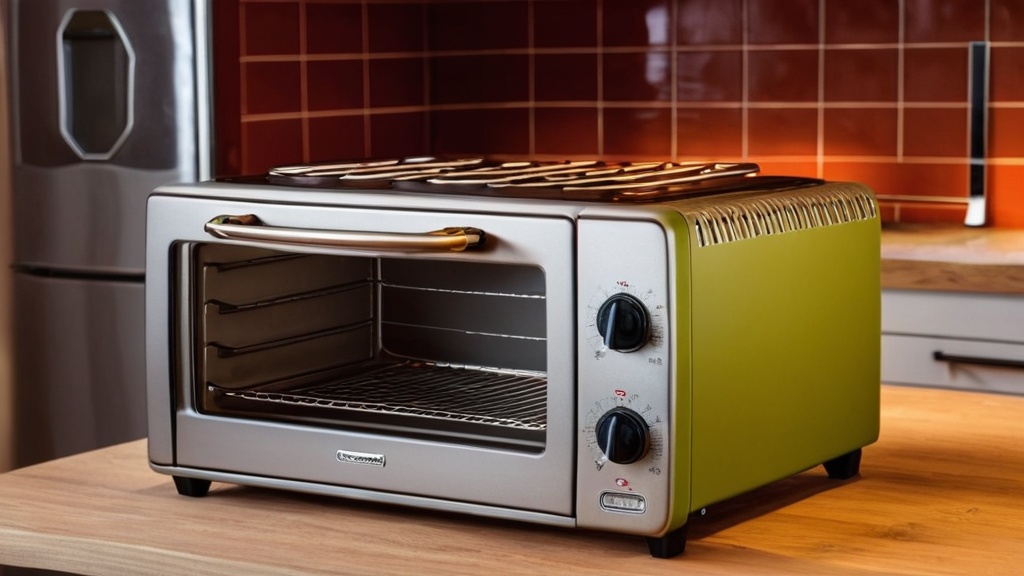
- Requires Baking Equipment: The necessity of baking polymer clay means you’ll need access to a reliable oven. While most homes have one, if you’re in a situation where an oven isn’t readily available, this could be an additional barrier or cost to consider (though small toaster ovens can sometimes suffice for smaller projects and are a relatively inexpensive purchase).
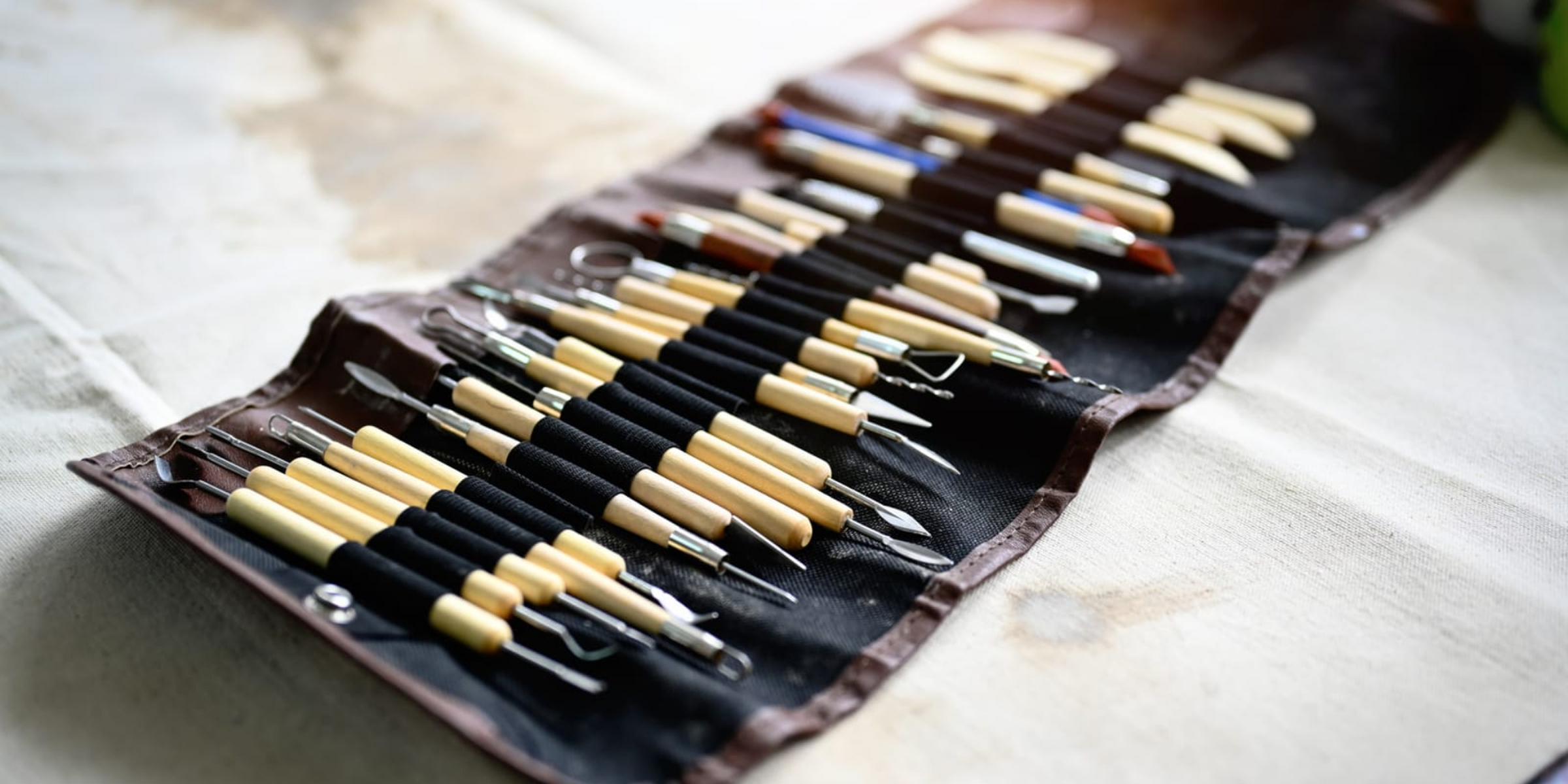
- Specialized Tools Can Enhance Results: While you can work with polymer clay using basic tools, investing in specialized sculpting tools, blades, and perhaps a pasta machine for conditioning and conditioning can significantly improve your workflow and the quality of your finished pieces. These additional tools do add to the overall cost of working with polymer clay.
Handling and Working Qualities: Your Sculpting Experience
The way a clay feels in your hands and how it behaves as you sculpt it can greatly influence your creative process and overall enjoyment. Both air-dry and polymer clays offer distinct working experiences.
The Malleability of Air Dry Clay
Air-dry clay is often lauded for its immediate malleability and ease of handling. It’s typically soft, moist, and forgiving, making it incredibly easy to shape and mold. This is why it’s frequently recommended for children’s crafts and for individuals who are new to sculpting.
- Soft and Pliable: Right out of the package, air-dry clay is usually very soft and easy to knead and shape. This makes it a joy to work with for those who enjoy a tactile, less physically demanding sculpting experience.
- Forgiving Nature: If you make a mistake with air-dry clay, it’s often easy to fix. You can add more water to re-moisten dried areas, or if you’re working with a fresh piece, you can simply reshape it. Small errors are usually not permanent.
- Less Conditioning Required: Unlike some polymer clays that can be quite firm and require significant kneading to become pliable, air-dry clay is often ready to go straight out of the package. This saves time and effort, especially for quick crafts.
The Refined Feel of Polymer Clay
Polymer clay, especially when cool, can be quite firm. It requires a bit more effort to condition, but this conditioning process actually enhances its workability and allows for fine detail. Once conditioned, it becomes smooth, workable, and holds its shape beautifully.
- Requires Conditioning: Polymer clay often needs to be “conditioned” before it’s fully workable. This involves kneading and warming it in your hands until it becomes smooth, pliable, and loses any chalky or crumbly texture. This step is essential for achieving the best results and can be physically demanding for some.
- Excellent for Fine Detail: Once conditioned, polymer clay becomes incredibly smooth and responsive. It holds intricate details like tiny textures, sharp edges, and delicate carvings exceptionally well. This makes it ideal for projects requiring precision and a high level of finish.
- Smooth Finish: Cured polymer clay typically results in a very smooth, plastic-like finish. This can be desirable for many applications, and it means you often don’t need extensive sanding or finishing unless you’re aiming for a specific effect.
Durability and Finishing: The Longevity of Your Creations
| Criteria | Air Dry Clay | Polymer Clay |
|---|---|---|
| Hardening Process | Air dries and hardens on its own | Requires baking in an oven to harden |
| Color Options | Limited color options | Wide range of colors available |
| Texture | Can have a more natural, matte finish | Can have a glossy or shiny finish |
| Strength | Can be more brittle and prone to breakage | Generally stronger and more durable |
| Cost | Generally more affordable | Can be more expensive |
Once your clay creation is complete, its durability and how it holds up over time are crucial considerations. This is where the differences between air-dry and polymer clay become particularly pronounced.
The Need for Sealing with Air Dry Clay
The primary drawback of air-dry clay in terms of durability is its inherent brittleness and lack of water resistance. While it hardens, it can still be prone to cracking or breaking if dropped or subjected to significant stress. Furthermore, it’s susceptible to moisture damage.
- Brittle Nature: Air-dry clay, once dried, can be quite brittle. This means it’s not suitable for items that will be handled frequently, dropped, or put through rigorous use. A careless bump can lead to cracks or even pieces breaking off.
- Not Waterproof: Unsealed air-dry clay is not waterproof. If it gets wet, it can soften, deform, or even dissolve. This limits its use in areas where moisture is present, like bathrooms or kitchens, unless it’s properly sealed.
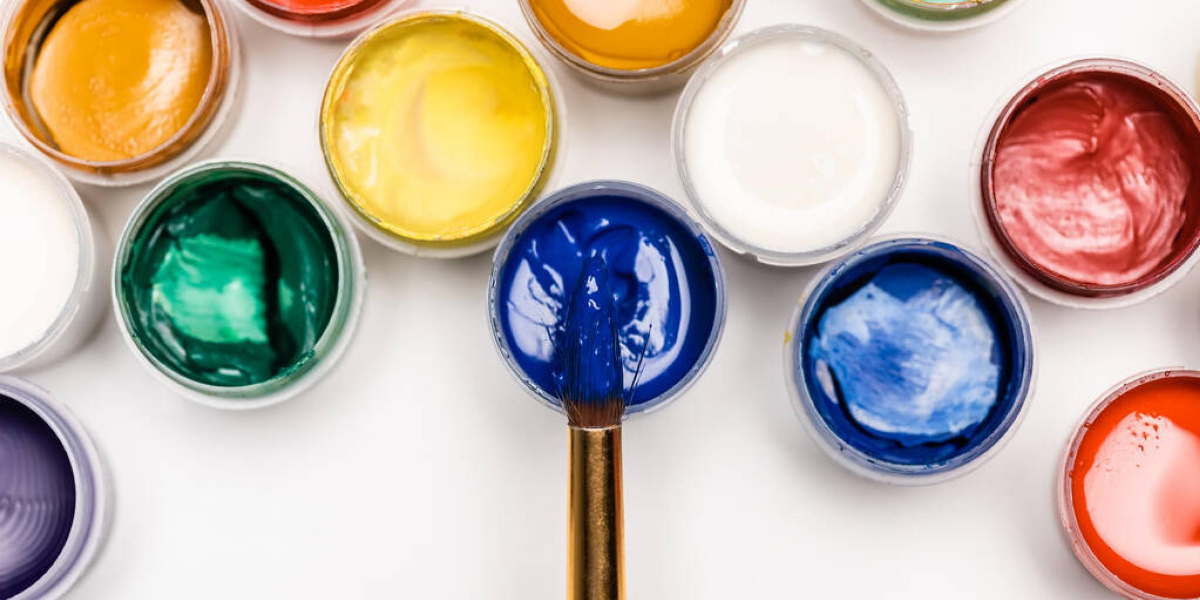
- Sealing is Essential for Protection: To improve the durability and water resistance of air-dry clay, sealing it is absolutely crucial. A good quality acrylic sealant, varnish, or glaze can provide a protective barrier against moisture, reduce brittleness, and enhance its overall longevity. Proper sealing is a non-negotiable step for making air-dry clay creations more robust.
The Robustness of Cured Polymer Clay
Polymer clay, after its baking transformation, becomes a remarkably durable and water-resistant material. This makes it ideal for a wide array of functional and decorative items that need to withstand the test of time and use.
- Durable and Strong: Once properly cured, polymer clay is much stronger and less brittle than air-dry clay. It can withstand bending, impacts, and general wear and tear, making it a reliable choice for frequently handled items.
- Water-Resistant: Cured polymer clay is generally water-resistant. While not completely impervious to prolonged soaking, it won’t degrade or deform when exposed to occasional moisture, making it suitable for items that might come into contact with water.
- Long-Term Stability: Polymer clay is known for its longevity. Its colors tend to remain vibrant, and its structure stays intact over time, provided it’s cured correctly and not exposed to extreme conditions like excessive UV light or heat.
Your Skill Level and Patience: A Match Made to Order
Finally, consider your own personal journey with crafting and your general disposition towards patience and learning. The ease of use and the learning curve associated with each clay type can significantly impact your initial success and your continued engagement with the craft.
A Gentle Introduction with Air Dry Clay
For absolute beginners, children, or anyone who prefers a straightforward, low-stakes creative process, air-dry clay is often the perfect starting point. Its forgiving nature and lack of complex steps allow you to focus on the fundamental aspects of sculpting and design.
- Ideal for Children and Beginners: The ease of use, lack of need for a hot oven, and generally lower cost make air-dry clay an excellent choice for children’s craft projects and for adults who are new to sculpting with clay.
- Less Frustration, More Flow: Because it’s generally easier to work with and mistakes are more easily rectified, air-dry clay can lead to less frustration for beginners. This allows for a more enjoyable and flowing creative experience as you learn the basics.
- Focus on Form and Functionality: With air-dry clay, your primary focus can be on understanding form, shape, and basic sculpting techniques without being bogged down by the technicalities of curing or advanced finishing.
Mastering the Craft with Polymer Clay
Polymer clay, while it has a slightly steeper learning curve, offers a rewarding experience for those who are willing to invest a little more time and effort in understanding its properties and techniques. The results can be incredibly polished and professional.
- Rewarding for Intermediate to Advanced Crafters: While beginners can certainly find success with polymer clay, those with some experience in crafting may find it particularly rewarding due to its precision and potential for intricate detail.
- Learning Curve for Conditioning and Baking: The conditioning of the clay and the precise baking requirements are aspects that take a bit of practice to master. Understanding how to achieve a perfect cure and how to manipulate the clay for specific effects is part of the learning process.
- Achieving Professional-Level Results: The ability to achieve very smooth finishes, vibrant colors, and intricate details means that polymer clay can help you create pieces that look incredibly professional, even if you’re a hobbyist. The effort invested in learning its nuances pays off in the quality of the finished product.
Ultimately, the choice between air-dry clay and polymer clay boils down to your personal preferences, your project goals, and your willingness to engage with different working processes. Neither is inherently “better” than the other; they simply serve different purposes and offer different creative journeys. By understanding their distinct characteristics, you can confidently select the clay that will best empower you to bring your artistic visions to life. So, go forth, experiment, and enjoy the wonderful world of clay sculpting!
FAQs
What is air dry clay?
Air dry clay is a type of clay that hardens when left to dry in the air, without the need for baking or firing in a kiln. It is typically made from natural materials such as clay, minerals, and water, and does not contain any polymers.
What is polymer clay?
Polymer clay is a type of synthetic clay that is made from polyvinyl chloride (PVC), plasticizers, and pigments. It must be cured in an oven at a specific temperature to harden and become durable.
What are the differences between air dry clay and polymer clay?
The main difference between air dry clay and polymer clay is the way they harden. Air dry clay hardens by exposure to air, while polymer clay hardens through a chemical reaction when baked in an oven. Additionally, air dry clay tends to be more brittle and porous, while polymer clay is more durable and can be sanded and polished to a smooth finish.
Which is better for beginners: air dry clay or polymer clay?
For beginners, air dry clay may be a better option as it does not require special equipment such as an oven for curing. It is also easier to work with and does not require as much technical skill as polymer clay.
Which is better for detailed and intricate projects: air dry clay or polymer clay?
Polymer clay is generally better suited for detailed and intricate projects due to its ability to hold fine details and its durability after curing. Air dry clay may not hold fine details as well and can be more prone to breakage.