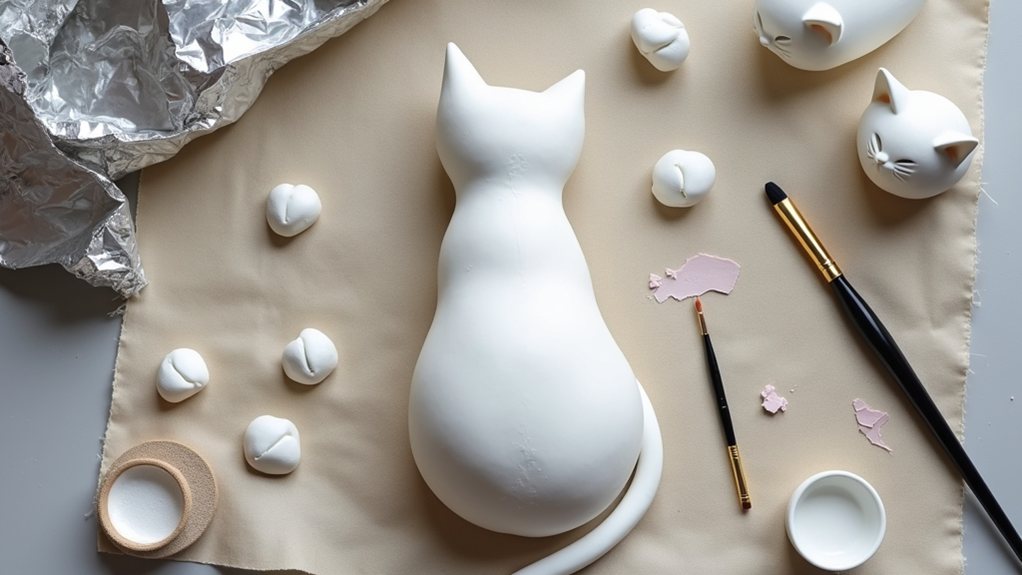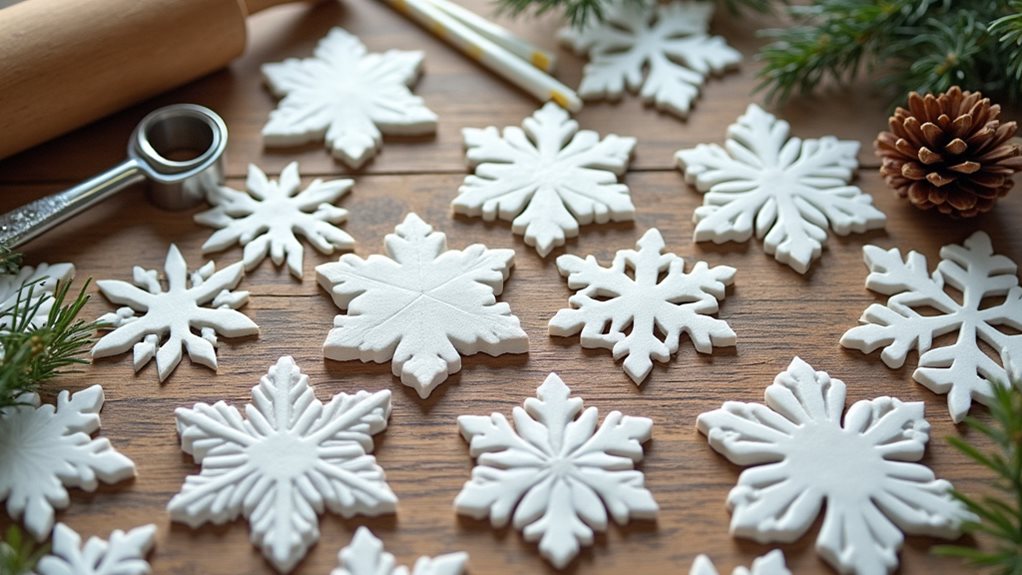
You’ve likely dabbled in clay. Maybe you’ve envisioned crafting intricate jewelry, sculpting adorable figurines, or perhaps you’re just looking for a creative outlet to while away an afternoon. As you explore the vast world of sculpting materials, two prominent contenders emerge: air-dry clay and polymer clay. You might be drawn to the immediate accessibility of air-dry clay, or perhaps the promise of permanence with polymer clay piques your interest. But when you’re investing your time, your creativity, and potentially your money, one crucial question often arises: how long will your creations actually last? This is where understanding the longevity of each clay type becomes paramount. You want your art to endure, to be admired for years, perhaps even generations. So, let’s delve deep into comparing air-dry clay and polymer clay longevity, and you’ll soon understand which material best suits your aspirations for enduring creations.
Before we even begin to discuss lifespans, it’s essential to grasp the fundamental differences in how these two clays behave and what makes them inherently more or less durable. Your understanding here will directly inform why one outlasts the other. Think of it as building a solid foundation for your artistic endeavors; a weak foundation simply won’t support a lasting structure.
The Nature of Air-Dry Clay: Porosity and Brittleness
Imagine air-dry clay as a delicate, porous sponge. When you sculpt with it, you’re essentially working with a material that contains a significant amount of water. As this water evaporates, the clay particles bond together, shrinking and hardening. However, this drying process leaves behind a structure that is inherently more susceptible to the elements and the passage of time.
Porous Structure: A Gateway for Damage
The porosity of air-dry clay is a double-edged sword. On one hand, it allows for easy sculpting and a pleasant tactile experience. On the other hand, it means the material is not sealed from the environment. This porous nature makes it readily absorb moisture. Think about spilling a drink on an unsealed wooden surface; it can warp, stain, or even rot. Air-dry clay, in a similar vein, can soften, swell, or even dissolve if exposed to significant moisture. Even ambient humidity can, over time, begin to break down the bonds within the clay, leading to a gradual degradation of its form. This inherent vulnerability is a primary reason why air-dry clay creations often have a shorter lifespan. You might find your meticulously crafted pieces subtly changing shape or texture in humid environments, a clear sign of the clay reacting to its surroundings.
Brittleness: The Risk of Accidental Damage
Following from its porous nature, air-dry clay is also notoriously brittle. Once fully dried, it lacks the flexibility and resilience of other materials. This means that even minor bumps, drops, or impacts can lead to significant damage. A delicate limb might snap off a figurine, or a piece of jewelry might fracture. This fragility is a key consideration if you intend to create items that will be handled frequently or displayed in high-traffic areas. You might love the idea of creating a set of air-dry clay ornaments for your Christmas tree, but you’ll likely find yourself handling them with extreme care, and even then, the risk of breakage is ever-present. This brittleness is a direct consequence of the drying process, where the water leaving creates microscopic voids and weakens the overall structure.
The Science Behind Polymer Clay’s Resilience
Now, let’s turn our attention to polymer clay, a material that approaches durability from a fundamentally different angle. Instead of relying on evaporation, polymer clay undergoes a chemical transformation when exposed to heat. This process, known as curing or baking, imbues the clay with a remarkable level of strength and permanence.
The Power of Polymerization: A Chemical Transformation
Polymer clay is composed of polyvinyl chloride (PVC) particles suspended in a plasticizer. When you bake polymer clay at the temperature specified by the manufacturer, a fascinating process occurs. The plasticizer heats up and softens, allowing the PVC particles to fuse together. This isn’t just a physical bonding; it’s a chemical reaction that creates a strong, interconnected network. This polymerization process essentially locks the clay into its sculpted form, creating a material that is significantly more robust and resistant to breakage. You can think of it as a molecular welding process, creating a solid, cohesive structure that is far less prone to the weaknesses found in air-dry clay.
Flexibility and Impact Resistance: Built to Last
As a direct result of this polymerization, cured polymer clay exhibits a degree of flexibility that air-dry clay simply cannot match. This flexibility makes it much more resistant to chipping, cracking, and breaking. While it’s not indestructible, it can withstand a considerable amount of stress and impact before showing signs of damage. This makes it an ideal choice for items that are handled regularly, such as jewelry or small figurines that might be picked up and admired. You can feel more confident in creating pieces that are not only beautiful but also built to withstand the rigors of daily life. This inherent toughness is a major selling point for anyone looking to create lasting keepsakes.
Moisture Resistance: A Key Differentiator for Longevity
When you’re considering how long your creations will endure, moisture is often an unseen enemy. The ability of a material to resist water and humidity plays a significant role in its long-term stability. This is an area where air-dry clay and polymer clay diverge quite dramatically.
Air-Dry Clay’s Vulnerability to Water
As we’ve touched upon, the porous nature of air-dry clay makes it a magnet for moisture. This isn’t just about accidental spills; it’s about the constant battle against ambient humidity.
The Threat of Swelling and Softening
Even if you manage to keep your air-dry clay creations away from direct water, prolonged exposure to high humidity can cause them to absorb moisture from the air. This absorption can lead to a subtle, yet detrimental, softening of the material. What was once a firm, rigid structure can begin to feel slightly pliable again, making it more susceptible to dents and distortions. Over time, this continuous exposure can weaken the internal bonds, leading to a gradual loss of form and integrity. Imagine a beautiful, crisp piece of paper left in a steamy bathroom; it slowly loses its crispness and begins to sag. Air-dry clay can suffer a similar fate.
The Risk of Cracking and Crumbling with Moisture Cycles
Furthermore, air-dry clay is particularly susceptible to damage from repeated cycles of drying and re-wetting. If a piece gets wet and then dries out, it can shrink and expand, putting stress on the material. This stress can manifest as unsightly cracks, and in severe cases, can lead to pieces crumbling away entirely. This is especially problematic for items displayed in bathrooms or kitchens, environments known for their fluctuating humidity levels. You might create a lovely decorative bowl out of air-dry clay for your kitchen counter, but you’ll likely need to be vigilant about wiping up any condensation or splashes to prevent long-term damage.
Polymer Clay’s Waterproof Advantage
In stark contrast to air-dry clay, cured polymer clay offers a significant advantage when it comes to moisture resistance. This is a critical factor in its superior longevity, particularly for items that might be exposed to humid environments or occasional splashes.
Cured Polymer Clay: A Water-Resistant Shield
Once properly baked, polymer clay becomes effectively waterproof or highly water-resistant. The fused PVC particles create a dense, non-porous surface that repels water. This means that a cured polymer clay piece can withstand immersion in water, exposure to rain, and even cleaning with water and mild soap without suffering any degradation. This makes it an excellent choice for outdoor decorations, jewelry that you might wear in the shower (though this is generally not recommended for the metal components), or items that are displayed in more humid locations. You can confidently sculpt a vibrant flower for your garden or a set of colorful earrings without worrying about them succumbing to moisture damage.
The Need for Sealing for Air-Dry Clay vs. Inherent Resistance of Polymer Clay
While air-dry clay often requires a sealant (like varnish or acrylic paint) to offer even a modicum of moisture resistance, this is usually an additional step that can chip or wear away over time. Polymer clay, on the other hand, has its inherent water resistance built into its very structure after curing. This means you don’t need to rely on an external coating to protect it from moisture, further contributing to its long-term durability and the preservation of its aesthetic appeal. This inherent resistance simplifies the finishing process and ensures a more robust end product.
Long-Term Wear and Tear: Suitability for Different Projects

The intended use of your clay creations is a significant factor in determining which material will best serve your needs for longevity. Some projects are simply better suited to the inherent properties of one clay type over the other, especially when considering how they will hold up over extended periods.
Air-Dry Clay: Best for Temporary and Decorative Pieces
Given its inherent brittleness and susceptibility to moisture, air-dry clay is generally best reserved for projects that are not expected to endure significant handling or prolonged exposure to harsh conditions.
Practice and Hobby Projects: Low-Stakes Sculpting
If you’re just starting out with sculpting, or if you enjoy the process of creating without the pressure of permanence, air-dry clay is an excellent choice. You can experiment with different techniques, learn the basics of form and structure, and enjoy the satisfaction of completing a project without worrying about it lasting for years. These can be wonderful practice pieces that help you hone your skills before moving on to more permanent materials. You can create whimsical figures for a one-time craft fair display or seasonal decorations that you might only use for a single holiday season.
Decorative Items and Display Pieces: Where Handling is Minimal
Air-dry clay can be perfectly suitable for decorative items that will be placed on shelves, hung on walls, or displayed in areas where they are unlikely to be touched frequently. Think of delicate wall art, static shelf figurines that are admired from afar, or even practice pieces for learning painting techniques. As long as you can ensure a relatively stable environment and minimal physical interaction, air-dry clay can maintain its appearance for a reasonable amount of time. However, even in these scenarios, the risk of accidental damage from a sudden bump or a curious pet remains a consideration.
Polymer Clay: The Choice for Heirlooms and Frequent Use
For projects where durability, frequent handling, and the desire for a lasting legacy are paramount, polymer clay shines. Its robust nature makes it ideal for items that are meant to be cherished and used over time.
Jewelry and Wearable Art: Withstanding Daily Life
Polymer clay is a sensation in the jewelry-making world for good reason. Its ability to be baked into a hard, durable material that is resistant to chipping and cracking makes it perfect for earrings, pendants, bracelets, and other accessories. You can create intricate bead designs, sculpted charms, or even detailed pendants that are designed to be worn daily. The flexibility of cured polymer clay means it can withstand the bumps and knocks that are inevitable with wearable items, ensuring your creations remain beautiful for years to come. You’ll find that polymer clay earrings can endure the rigors of being worn to work, social gatherings, and even through light activity without fear of them breaking.
Figurines, Miniatures, and Collectibles: For Enduring Display
If you’re passionate about creating detailed figurines, miniature scenes, or collectibles that you want to display and admire for years, polymer clay is your go-to material. Its ability to hold fine detail, its inherent strength, and its resistance to wear and tear mean that your sculpted characters and miniature worlds will stand the test of time. These are the pieces that can become heirlooms, passed down through generations. You can sculpt a beloved pet in miniature, create a character from your favorite book, or build an intricate diorama that you can proudly showcase for decades. The detailed work you put in will be preserved, not lost to degradation.
The Reported Lifespan Gap: Quantifying the Difference

While anecdotal evidence and general understanding suggest a difference in longevity, there are also reports that attempt to quantify the lifespan gap between air-dry and polymer clay. These figures, while estimates, provide a clearer picture of what you can realistically expect from each material.
Air-Dry Clay: A Shorter, More Vulnerable Existence
The lifespan of air-dry clay creations is often measured in years, rather than decades, and is heavily influenced by environmental factors and handling.
Degradation Within Years: Under Normal Indoor Conditions
Some guides suggest that air-dry clay may begin to show signs of degradation within a relatively short period, typically 2 to 5 years, even under normal indoor conditions. This degradation can manifest as subtle cracking, a slight softening, or a general weakening of the material. This isn’t a sudden collapse, but rather a gradual decline in its structural integrity and aesthetic appeal. You might notice a favorite air-dry clay decorative piece starting to look a little tired, with fine lines appearing where there were none before. This is the material slowly succumbing to the natural forces of time and its inherent limitations.
Environmental Factors Accelerate Decline
It’s important to note that this 2-5 year estimate often assumes relatively stable indoor conditions. If your air-dry clay creation is exposed to significant fluctuations in temperature, humidity, or direct sunlight, its lifespan can be considerably shorter. The more challenging the environment, the faster the degradation process will occur. For instance, an air-dry clay piece left on a windowsill that experiences direct sun and varying temperatures will likely deteriorate much faster than one kept in a climate-controlled display cabinet.
Polymer Clay: Decades of Stability with Proper Care
In contrast, polymer clay, when properly cured and cared for, offers a significantly longer and more predictable lifespan. This is where the true value of its transformative baking process becomes evident.
Stability Measured in Decades: The Promise of Polymer Clay
Reports consistently indicate that properly cured polymer clay can remain stable and retain its integrity for decades. This isn’t a rare occurrence; it’s the expected outcome for well-made polymer clay pieces. This means that the earrings you create today could still be worn and admired by your grandchildren. The intricate figurine you meticulously sculpt could become a cherished family heirloom, a testament to your artistic skill and the enduring nature of the material. This longevity provides a sense of security and satisfaction for any artist investing their passion into their work.
The Importance of Proper Curing and Storage
While polymer clay is inherently durable, achieving this decades-long lifespan relies on two crucial factors: proper curing and appropriate storage. Ensuring you bake the clay at the correct temperature for the recommended duration is vital for complete polymerization. Over-baking or under-baking can compromise its strength. Additionally, storing polymer clay items away from extreme temperatures, direct sunlight, and harsh chemicals will further help preserve their condition and extend their lifespan. You wouldn’t leave a treasured piece of art in a damp, unheated shed, and similarly, giving your polymer clay creations a stable environment will help them last their full potential.
Investing Your Time and Creativity: Making the Right Choice
| Metric | Air Dry Clay | Polymer Clay |
|---|---|---|
| Longevity (Indoor Use) | 1-3 years (prone to cracking and degradation) | 10+ years (durable and resistant to cracking) |
| Longevity (Outdoor Use) | Less than 1 year (susceptible to moisture and weather damage) | 5-10 years (weather resistant but may fade over time) |
| Durability | Fragile, can crumble or crack easily | Strong and flexible after baking |
| Water Resistance | Low (absorbs moisture, weakens over time) | High (waterproof after baking) |
| Maintenance | Requires sealing to improve longevity | No sealing required, but can be varnished for shine |
| Color Stability | May fade or discolor over time | Colors remain vibrant for years |
As you stand at the crossroads of choosing your sculpting medium, consider not just the immediate creative process, but also the lasting impact of your work. The longevity of air-dry clay and polymer clay presents a clear distinction that should guide your decision-making.
For Fleeting Moments of Joy: Embracing Air-Dry Clay
If your creative urges are more about the joy of the process, the tactile experience of molding clay, and the satisfaction of a completed project that might be enjoyed for a season or two, then air-dry clay is a perfectly viable and often more accessible option. It’s ideal for those who enjoy a more ephemeral form of art, perhaps for children’s crafts, seasonal decorations that are replaced annually, or simply as a low-pressure way to experiment with sculpting. You can create beautiful, albeit less permanent, pieces that bring immediate gratification. The accessibility and lower cost of air-dry clay also make it a great starting point for beginners who want to explore their artistic side without a significant financial commitment.
For Lasting Legacies: Committing to Polymer Clay
However, if your vision extends beyond the immediate, if you dream of creating pieces that will be treasured, worn, and admired for years, even decades, then your investment in polymer clay will undoubtedly pay off. The added cost and the baking process are a small price to pay for the assurance of durability and longevity. Polymer clay empowers you to create pieces that can become part of your personal history, or even the history of your family. It’s the material for those who want their artistic contributions to have a tangible, enduring presence in the world. When you choose polymer clay for your significant projects, you are choosing to create not just art, but potential heirlooms.
Conclusion: Your Art, Your Choice, Your Longevity
Ultimately, the choice between air-dry clay and polymer clay comes down to your specific artistic goals and expectations for longevity. Both have their merits and their place in the crafting world. However, when the desire for enduring creations is paramount, the evidence overwhelmingly points towards polymer clay. Its ability to transform into a durable, waterproof, and resilient material through baking ensures that your efforts can result in pieces that stand the test of time, resisting the wear and tear that would quickly diminish the appeal of air-dry clay. So, as you embark on your next sculpting adventure, consider the lifespan you envision for your art, and choose the clay that will best help you achieve it. Your creativity deserves a medium that can match its potential for permanence.
FAQs
1. What is the difference between air dry clay and polymer clay in terms of longevity?
Air dry clay tends to be more fragile and can break more easily over time compared to polymer clay, which is more durable and long-lasting.
2. How long does air dry clay typically last compared to polymer clay?
Air dry clay may start to show signs of wear and tear after a few years, while polymer clay can last for decades if properly stored and cared for.
3. Are there any factors that can affect the longevity of air dry clay and polymer clay?
Yes, factors such as exposure to moisture, sunlight, and rough handling can impact the longevity of both air dry clay and polymer clay.
4. Can air dry clay and polymer clay be repaired if they break or become damaged?
Both types of clay can be repaired to some extent, but polymer clay is generally easier to mend and can be baked again to restore its original strength.
5. Which type of clay is more suitable for long-lasting projects or keepsakes?
For projects or keepsakes that need to withstand the test of time, polymer clay is often the preferred choice due to its durability and ability to maintain its shape and color over the years.