When you decide to embark on a home project involving clay, the sheer variety can be overwhelming. From delicate jewelry to sturdy bowls, from decorative pieces to entire wall finishes, the world of clay offers a spectrum of possibilities. But the key to unlocking your creative potential and ensuring a successful outcome lies in choosing the right clay for your specific needs. Don’t just grab the first tub you see; understanding the properties and applications of different clay types will transform your projects from potential disappointments into triumphs. This guide is designed to walk you through the crucial considerations, empowering you to make informed decisions and find the perfect clay to bring your vision to life, whether you’re a complete novice or looking to expand your repertoire.
Before you even begin to look at specific clay brands or types, take a moment to truly understand what you want to achieve with your project. This self-reflection is the most critical step in selecting the best clay, as it dictates everything from the required strength and durability to the desired finish and the available tools and techniques you’ll employ. Think about the longevity of your piece, its intended use, and the aesthetic you’re aiming for.
What is the End Goal of Your Project?
Your project’s purpose will dramatically influence your clay choice. Are you creating something purely decorative, meant to sit on a shelf and add visual appeal? Or are you aiming for a functional item, something that will be handled, used, and potentially exposed to moisture or heat?
Decorative Pieces: Focus on Aesthetics and Ease of Use
For decorative projects, especially those created in the comfort of your own home without specialized equipment, the emphasis often shifts towards ease of use and the ability to achieve a desired look quickly. Many beginners gravitate towards decorative projects because they offer a low barrier to entry.
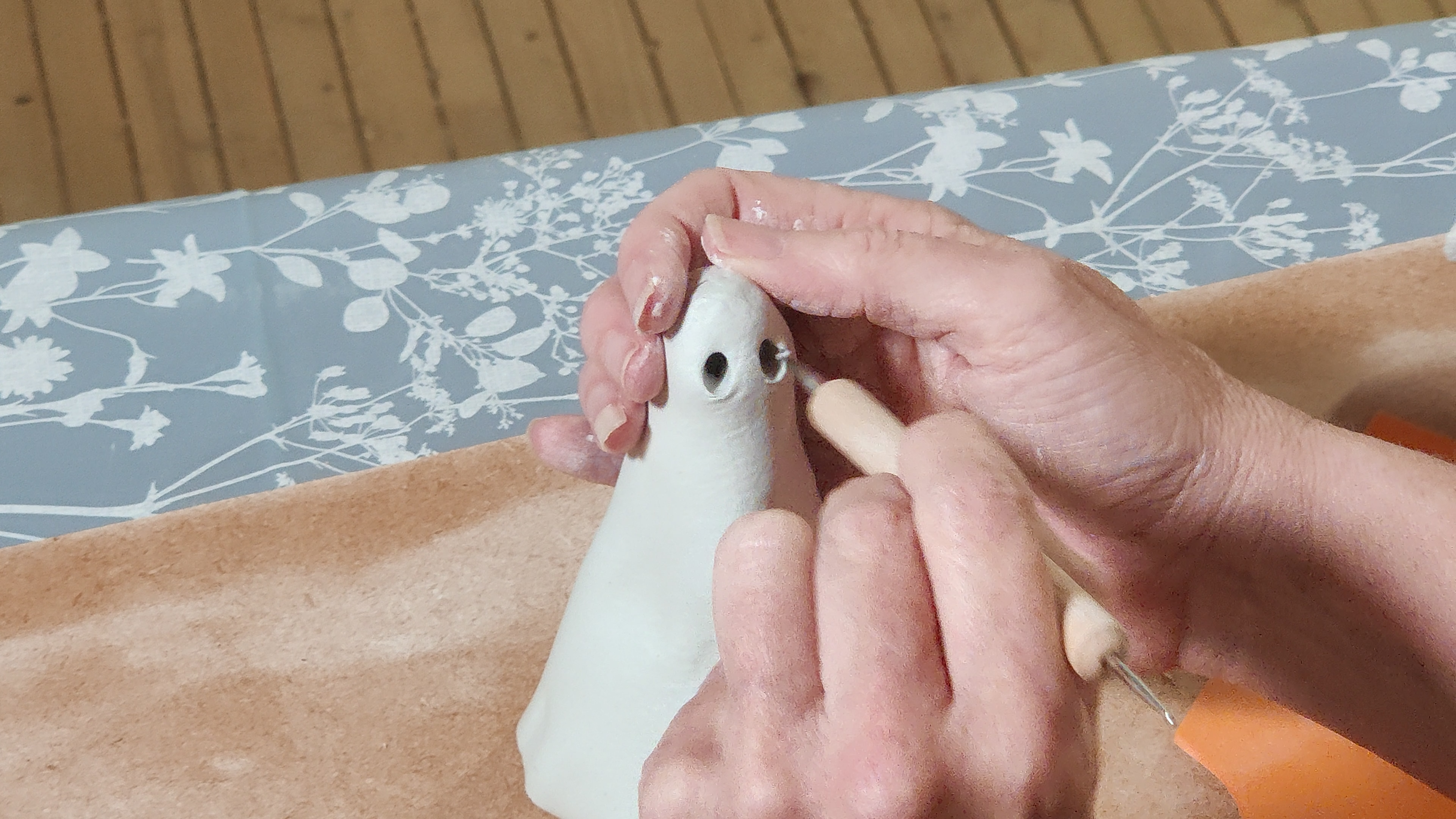
- Sculptures for Display: If you’re crafting small figurines, ornaments, or abstract sculptures for display, you might prioritize a clay that holds detail well but doesn’t require firing. Air-dry clays are excellent for this, allowing you to sculpt and paint your creations without needing a kiln. They dry hard and can be a fantastic medium for exploring form and texture.
- Wall Art and Plaques: For wall hangings or decorative plaques, the weight and durability of the clay are important considerations. Air-dry clays are often light enough for wall mounting, and some polymer clays can be baked to a durable finish that’s resistant to chipping.
- Seasonal Decorations: Think about creating festive decorations. For holiday-specific items that you might want to pack away and reuse year after year, a durable, non-brittle clay is ideal. Polymer clay, once baked, offers this resilience.
Functional Items: Prioritize Durability and Food Safety
When your project is intended for practical use, the stakes are higher. The clay must withstand handling, potential moisture, and, in some cases, high temperatures.
- Tableware and Drinkware: If you aspire to create your own mugs, bowls, or plates, you enter the realm of functional ceramics. This is where firing becomes essential. You’ll need to select a clay body that can be fired to a ceramic state, becoming waterproof and durable. The firing temperature will be a significant factor, and you must ensure your chosen clay is compatible with your kiln’s capabilities. For food safety, glazes are also crucial, and they must be lead-free and fired correctly.
- Vases and Planters: Even if not directly holding food, functional items like vases and planters need to be waterproof and robust. Low-fire or mid-fire clays are often sufficient for these purposes, especially if they are glazed. Consider the potential for moisture seeping through unglazed surfaces.
- Utensils and Tools: For any clay project that will come into contact with food preparation, extreme care must be taken regarding firing temperatures and glaze choices to ensure they are food-safe.
What Tools and Equipment Do You Have Access To?
The equipment you have at your disposal is a significant constraint and a crucial factor in clay selection. Do you have a dedicated kiln, or are you looking for a no-bake solution?
No-Kiln Solutions: Embracing Air-Dry and Polymer Clays
If the idea of purchasing or maintaining a kiln feels daunting or impractical for your current setup, you’ll be focusing on clays that cure without high heat.
- Air-Dry Clays: These clays are incredibly accessible. They dry by evaporation, hardening as moisture leaves the clay. Recent guides in 2026 consistently highlight air-dry clays like DAS White Clay as top picks for simple home use due to their ease of handling and the absence of firing requirements. They are perfect for beginners and for projects where extreme durability or water resistance isn’t paramount. You can sculpt, shape, and then paint or seal your creations once they are dry.
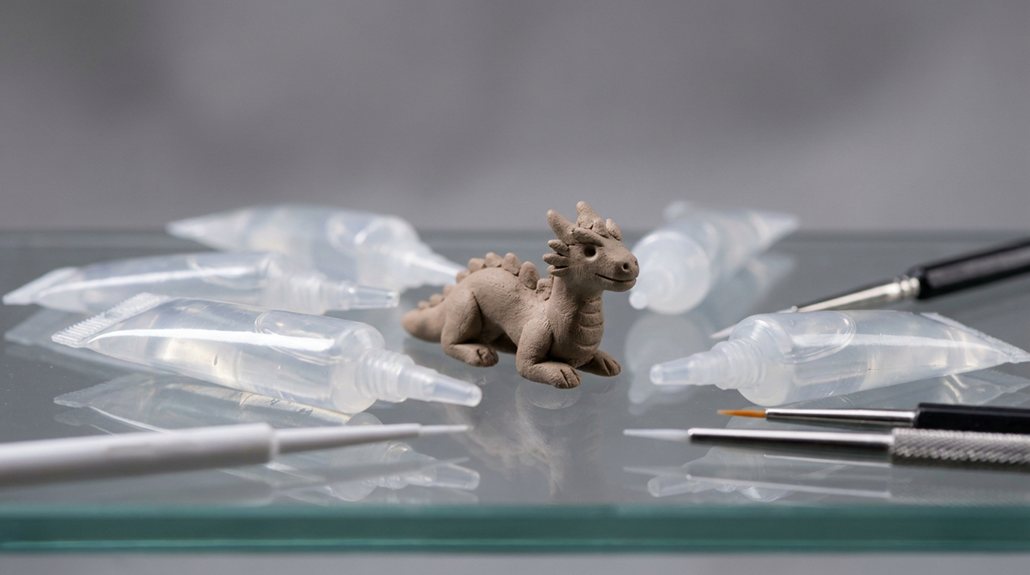
- Polymer Clays: For projects requiring finer detail and a more durable finish without a kiln, polymer clay is the go-to. It’s a pliable plastic compound that hardens when baked in a standard home oven. This makes it ideal for intricate work like jewelry, miniatures, and detailed figurines. It holds fine detail exceptionally well, allowing for intricate sculpting and texture application.
Kiln-Based Projects: Understanding Firing Temperatures
If you have access to a kiln, your options expand significantly, but you also need to understand the firing process.
- Low-Fire Clays: These clays mature at relatively low temperatures, typically between Cone 018 and Cone 04 (around 1600°F to 2000°F or 870°C to 1090°C). They are often more forgiving for beginners and are suitable for decorative items and some functional pieces when glazed. Recent 2026 reviews for hand-building pottery at home are favoring low-fire, plastic clays like Old Potters Low Fire Clay for their smoother handling and beginner-friendly shaping.
- Mid-Fire Clays: Maturing at Cone 05 to Cone 6 (around 1900°F to 2200°F or 1040°C to 1200°C), mid-fire clays offer increased durability and a denser body compared to low-fire clays. They are a popular choice for functional pottery and a good balance for many home studio setups.
- High-Fire Clays: These clays require higher firing temperatures, typically Cone 8 and above (above 2200°F or 1200°C). They become very dense, strong, and vitrified, making them ideal for durable functional ware. However, high-fire requires specialized kilns and careful temperature control, so they are less common for casual home projects unless you have a dedicated setup.
Exploring the Different Types of Clay for Home Use
Once you’ve considered your project’s goals and your available equipment, you can begin to delve into the specific types of clay available. Each type has its unique characteristics, making it better suited for different applications.
Air-Dry Clays: The Accessible Choice for Instant Gratification
Air-dry clays have surged in popularity for home projects, and for good reason. They offer an unparalleled level of accessibility, allowing you to start creating with minimal fuss.
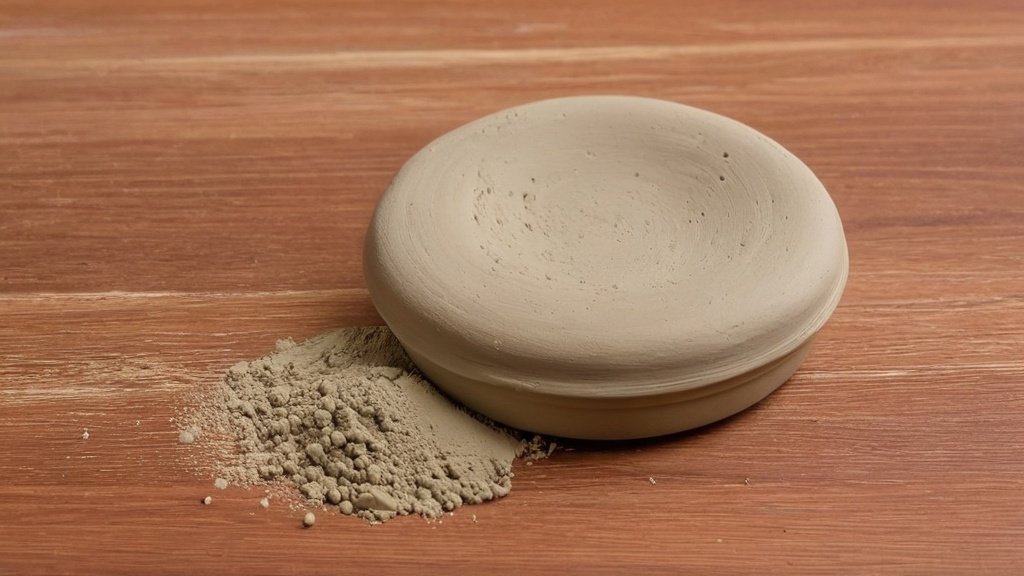
- What They Are: These clays are water-based and dry when exposed to air. They don’t require any special firing process, making them incredibly beginner-friendly. As the water evaporates, the clay particles bind together, forming a hard, durable object.
- Pros:
- No Kiln Needed: This is their biggest advantage, opening up clay work to anyone with a workspace.
- Easy to Work With: They are typically soft and pliable, making them easy to mold, sculpt, and shape.
- Quick Results: You can have a finished piece relatively quickly, as drying times are manageable.
- Paintable and Sealable: Once dry, they can be painted, varnished, or sealed for added protection and aesthetic appeal.
- Lightweight: Generally, air-dry clays are lighter than fired ceramics, which can be beneficial for certain decorative applications.
- Cons:
- Not Waterproof: Unless sealed with a waterproof sealant, they are susceptible to moisture and can degrade over time.
- Less Durable than Fired Clay: While they harden, they can be more brittle than fired ceramics and may chip or break more easily.
- Shrinkage: Like most clays, air-dry clays will shrink as they dry, which needs to be accounted for in your design.
- Not Food Safe: They are not suitable for direct food contact.
- Top Picks (2026): Guides from 2026 consistently point to DAS White Clay and similar air-dry options as top picks for simple home use. These are readily available, offer a smooth finish, and are reliable for a wide range of decorative projects.
Polymer Clays: For Detailed Craftsmanship and Durable Creations
If your home projects involve intricate details, miniature work, or items that need to be particularly durable, polymer clay is your best friend.
- What They Are: Polymer clay is a synthetic modeling material that is oven-bakeable. It’s made from PVC, plasticizers, fillers, and pigments. Unlike natural clays, it doesn’t dry out; it remains pliable until baked.
- Pros:
- Exceptional Detail: It holds fine detail beautifully, making it ideal for intricate sculpting, jewelry making, and creating miniature figures.
- Bakes in a Standard Oven: You can cure your creations in your regular kitchen oven, no special equipment needed.
- Durable and Strong: Once baked, polymer clay is very durable, water-resistant, and resistant to chipping and breaking.
- Wide Range of Colors: Available in an extensive palette of colors, or you can mix colors to create custom shades.
- Versatile Finishes: Can be sanded, buffed, painted, and even combined with other materials.
- Cons:
- Can Be More Expensive: Generally, polymer clay is more expensive per ounce than air-dry clays.
- Requires Baking: You must bake your pieces to harden them, which involves oven use and proper ventilation.
- Can Be Sticky: Some brands can be a bit sticky to work with, requiring cornstarch or conditioning.
- Not Food Safe (Generally): While some people use it for beads or buttons that might come into contact with skin, it’s not recommended for direct food contact due to the plasticizers.
- **Best
FAQs
What are the different types of clay suitable for home use?
There are several types of clay that are commonly used for pottery and sculpting at home, including earthenware clay, stoneware clay, and porcelain clay.
Which type of clay is best for beginners?
Earthenware clay is often recommended for beginners due to its lower firing temperature and ease of use. It is also more forgiving when it comes to shaping and molding.
What is the best clay type for making functional pottery?
Stoneware clay is the best choice for making functional pottery such as mugs, plates, and bowls. It is durable, non-porous, and can withstand high temperatures.
Can different types of clay be mixed together?
While it is possible to mix different types of clay together, it is generally not recommended as each type has its own unique properties that could affect the final outcome of the piece.
Where can I purchase clay for home use?
Clay for home use can be purchased at art supply stores, pottery studios, and online retailers. It is available in various forms such as clay bodies, clay blocks, and clay powder.