You’re standing at the precipice of creation, armed with a vision and a yearning to bring it to life. But as you reach for your sculpting tools, a fundamental question looms: which clay will best serve your artistic ambition? You’re likely considering two of the most popular options for crafters and hobbyists alike: polymer clay and air-dry clay. Both offer unique advantages and drawbacks, and understanding their distinct personalities is crucial to achieving the results you desire, especially when the pursuit of exquisite detail is at the forefront of your mind. This guide is crafted to illuminate the path, helping you discern which clay reigns supreme when it comes to capturing the minutiae, the delicate nuances, and the breathtaking intricacy that define truly remarkable sculpted art.
Before you dive headfirst into the world of molding and shaping, it’s essential to get acquainted with the two primary players in your detailed sculpting journey. Think of them as artists with fundamentally different approaches. One is meticulous, patient, and demands a specific ritual to achieve permanence. The other is more immediate, forgiving, and embraces the natural world’s gentle hand for its transformation. Understanding this foundational difference will color your entire decision-making process.
Polymer Clay: The Architect of Intricacy
Imagine a clay that feels like soft modeling clay, pliable and responsive to your every touch. This is the essence of polymer clay. Its magic lies in its composition: a base of polyvinyl chloride (PVC) mixed with plasticizers, pigments, and fillers. This unique blend ensures that the clay remains soft and workable at room temperature, a state of perpetual readiness for your creative endeavors. It doesn’t dry out when exposed to air, meaning you can take your time, refine your details, and even step away for extended periods without fear of your masterpiece becoming brittle or unmanageable. This inherent stability is the bedrock upon which its reputation for fine detail is built.
Air-Dry Clay: The Natural Sculptor
In contrast, air-dry clay embodies a more organic approach. Typically formulated with a base of clay minerals, such as kaolin, and bonded with natural or synthetic binders, it hardens through the evaporation of water. It feels similar to polymer clay when wet, but its character diverges significantly as it begins to dry. This means your working time is limited. Once exposed to the air, the water begins to dissipate, and the clay gradually firms up. While this might sound like a limitation, it also offers a certain charm, a connection to the natural drying process that many find appealing.
The Crucial Distinction: Workability and Detail Capture
When your artistic compass points towards the intricate, the nuanced, and the miniature, the way a clay behaves as you work it becomes paramount. This is where the divergence between polymer and air-dry clay becomes most apparent, directly impacting your ability to achieve that coveted fine detail.
Polymer Clay: Unparalleled Malleability for Precision
The true champion of detail among these two is undeniably polymer clay. Its extended workability is its superpower. Because it doesn’t cure until exposed to heat, you can knead, roll, cut, and sculpt polymer clay for hours, even days, without it losing its pliability. This continuous malleability allows you to:
Sculpting Microscopic Elements:
You can roll out paper-thin sheets of polymer clay, perfect for creating delicate petals, tiny feathers, or intricate lace patterns. You can also pinch, press, and shape the clay into the smallest of forms, confident that it will hold its shape without cracking or crumbling. This is crucial for elements like minuscule buttons on a doll’s outfit, the fine strands of hair on a miniature figurine, or the intricate patterns on a tiny piece of jewelry.
Achieving Sharp Edges and Clean Lines:
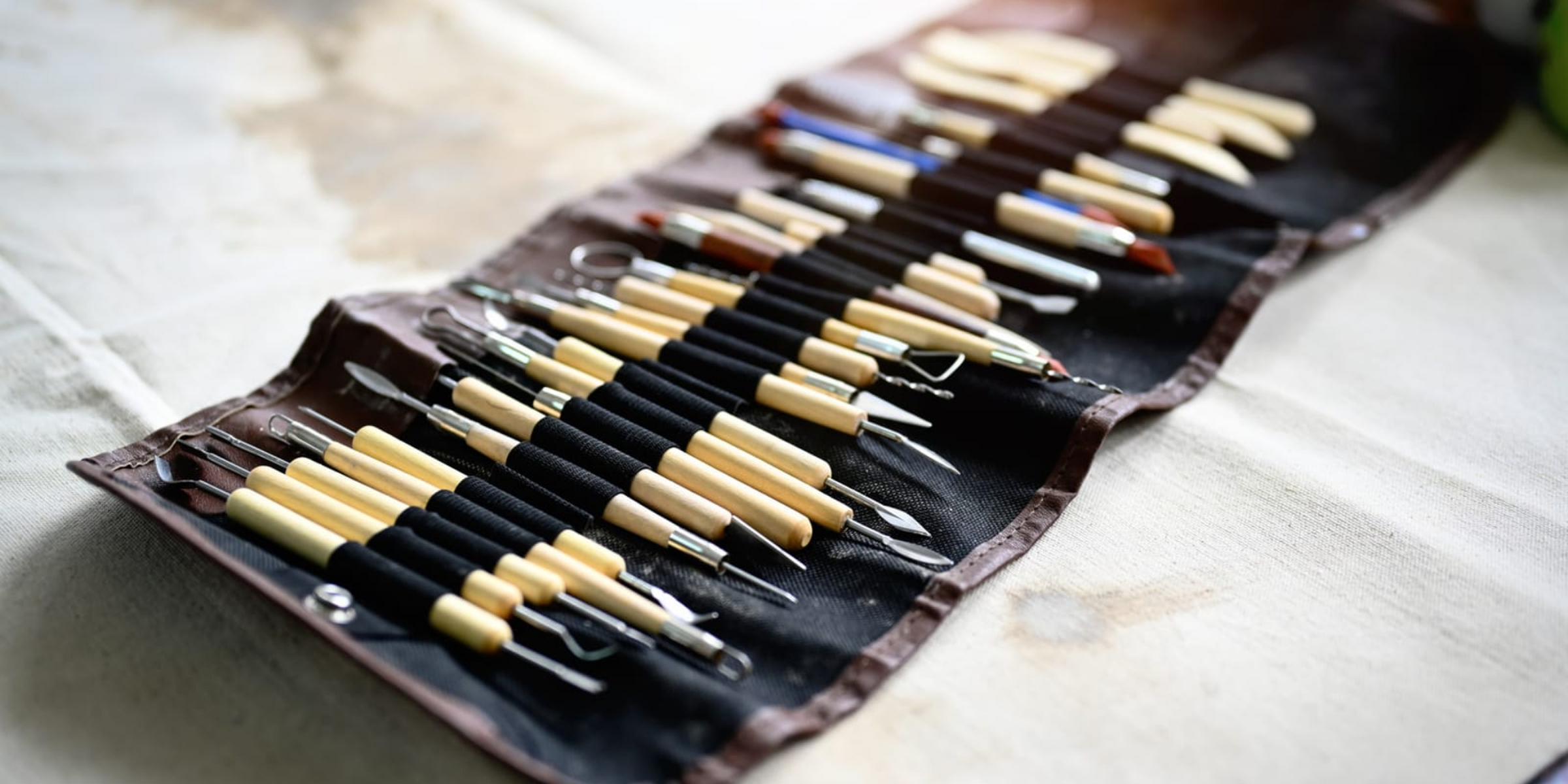
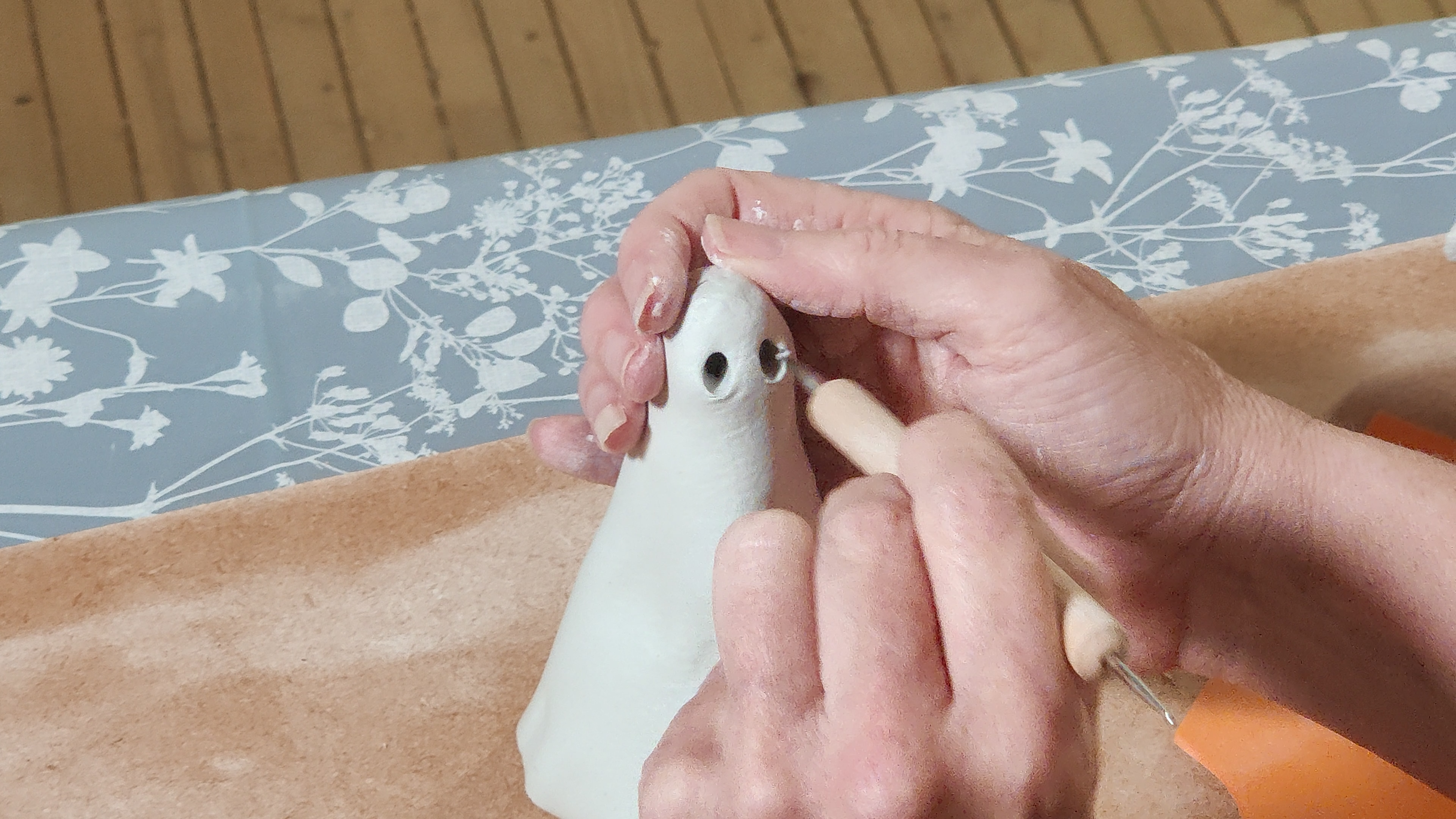
The firmer consistency of polymer clay once it begins to firm up slightly (even before baking) allows for the creation of incredibly sharp edges and crisp, defined lines. You can use fine sculpting tools to carve in textures, create deep grooves, or delineate the smallest features with precision. This is in stark contrast to the tendency of air-dry clay to soften and lose definition when the same level of detail is attempted.
Layering and Blending with Control:
The ability to manipulate polymer clay over an extended period means you can meticulously layer different colors and textures. You can blend hues seamlessly for smooth gradients or create sharp, defined layers for complex patterns. This is essential for creating realistic skin tones, gemstone effects, or any application where subtle color transitions are desired.
Air-Dry Clay: The Challenge of Delicate Nuances
While air-dry clay is a fantastic medium for many projects, its inherent nature presents significant challenges when it comes to capturing fine detail.
Limited Working Time:
The clock starts ticking the moment you open air-dry clay. As it begins to dry, it becomes progressively firmer, making it more difficult to manipulate for intricate work. Attempting to sculpt tiny elements or add minute details late in the drying process often results in:
Cracking and Crumbling:
As the water evaporates, air-dry clay shrinks. This shrinkage, especially when trying to create thin, delicate pieces, can lead to cracking and crumbling. If you try to carve fine lines or add tiny protrusions too late in the drying process, the clay may not have the structural integrity to support them, and they will break off.
Loss of Definition:
When air-dry clay becomes firmer, it also becomes less receptive to fine tools. The smooth, sharp edges you might achieve with polymer clay can become softer and more rounded with air-dry clay. Trying to press in very fine textures or create delicate indentations can result in a smudged or blurred effect rather than a crisp, defined line.
Durability Concerns for Small Parts:
Even if you manage to sculpt a tiny detail on air-dry clay, its inherent fragility post-drying can be a problem. Small, protruding details are more likely to break off during handling, storage, or even if the piece is accidentally bumped. This makes air-dry clay less ideal for projects where delicate elements are integral to the design and need to withstand some level of interaction.
The Drying and Curing Conundrum: Time and Transformation

The process by which your sculpted creation solidifies is a critical factor in your artistic workflow and the final outcome. The vastly different methods of drying and curing for polymer and air-dry clay directly impact their suitability for detailed work.
Polymer Clay: The Controlled Bake for Permanence
Polymer clay undergoes a transformation through baking, a process that permanently fuses its components. This controlled curing method is one of the key reasons for its superior performance in detailed applications.
The Baking Process:
Once you’ve finished sculpting your intricate masterpiece, you place it in a standard home oven at a specific temperature (usually between 230-275°F or 110-135°C, depending on the brand). The heat causes the plasticizers to evaporate, and the PVC particles fuse together, creating a hard, durable plastic.
Precision in Time and Temperature:
The baking time is typically short, ranging from 15 to 40 minutes, depending on the thickness of your piece and the specific brand of clay. This controlled process allows you to bake intricate, thin details without overcooking or warping them, as long as you follow the manufacturer’s instructions.
No Shrinkage, No Warping (When Done Correctly):
Unlike air-dry clay, polymer clay does not shrink or warp significantly during the curing process. This means that the fine details you meticulously sculpted will remain precisely as you made them, without distortion.
Immediate Stability for Refinement:
Once baked and cooled, polymer clay is immediately stable and ready for further finishing if desired, such as sanding, buffing, or painting. This allows you to refine any imperfections or enhance the details even after the initial sculpting is complete.
Air-Dry Clay: The Patient Wait for Natural Hardening
Air-dry clay embraces a simpler, more natural approach to hardening, relying on the evaporation of water. While this method is convenient in its simplicity, it comes with its own set of considerations for detail work.
The Drying Process:
When you leave air-dry clay exposed to the air, the water within its matrix gradually evaporates. This causes the clay particles to bind together, resulting in a hardened state.
Extended Drying Times:
This process is significantly slower than baking polymer clay. Depending on the thickness of your piece, humidity, and air circulation, air-dry clay can take anywhere from 24 to 72 hours, and sometimes even longer for thicker items, to become completely dry.
Potential for Cracking During Drying:
The gradual evaporation of water and the subsequent shrinkage can cause internal stresses within the clay. If the drying process is too rapid or uneven, these stresses can manifest as cracks, potentially ruining delicate details. It’s often recommended to cover air-dry pieces loosely with plastic wrap or a damp cloth during the initial drying stages to slow down the evaporation and minimize cracking.
Fragility During the Drying Phase:
Throughout the lengthy drying period, air-dry clay remains somewhat fragile. Attempting to add or refine fine details during this phase is risky, as the clay can easily be damaged or deformed.
Durability and Longevity: Crafting Pieces That Endure

When you pour your heart and soul into creating a detailed piece, you want it to last. The inherent durability of the cured material plays a crucial role in how well your intricate creations will withstand the test of time and handling.
Polymer Clay: The Robust Finish
The plastic nature of cured polymer clay makes it significantly more durable and resistant to damage than air-dry clay.
Strength and Resilience:
Once properly baked, polymer clay is remarkably strong and less prone to breaking or chipping. This means that even the most delicate, protruding details have a better chance of surviving accidental bumps or drops.
Water Resistance:
Cured polymer clay is inherently water-resistant. This makes it suitable for pieces that might come into contact with moisture, such as jewelry or decorative items. You can even clean them with a damp cloth without worrying about the material degrading.
Less Fragile for Display and Wear:
This enhanced durability makes polymer clay an excellent choice for wearable art like jewelry or for intricate figurines that you want to display without constant worry. The fine details you’ve painstakingly created will remain intact and visually appealing over time.
Air-Dry Clay: The Delicate Nature
While air-dry clay can be a satisfying medium for many projects, its durability is a significant limitation, especially for detailed work.
Susceptibility to Breakage:
Even when fully dry, air-dry clay is generally more brittle and fragile than cured polymer clay. Small, intricate details are particularly vulnerable and can easily break off with rough handling.
Sensitivity to Moisture:
Air-dry clay is not water-resistant. Exposure to moisture can cause it to soften, warp, or even disintegrate over time. This makes it unsuitable for pieces that will be exposed to humidity or direct water contact.
Vulnerability in High-Traffic Areas:
If you plan to display your detailed creations in areas where they might be frequently touched or are prone to accidents, air-dry clay is a less suitable choice. The fragility of its fine details means they are at a higher risk of damage.
Best Use Cases: Matching Clay to Your Vision
| Clay Type | Detail Holding Ability |
|---|---|
| Polymer Clay | Good |
| Porcelain Clay | Excellent |
| Stoneware Clay | Good |
| Earthenware Clay | Fair |
Ultimately, the “best” clay for detail depends on the specific project you have in mind. Understanding the strengths and weaknesses of each material allows you to align your artistic goals with the capabilities of your chosen medium.
Polymer Clay: The Go-To for Intricate Artistry
When your vision demands precision, longevity, and the ability to capture the smallest of features, polymer clay is your undisputed champion.
Jewelry and Charms:
The ability to create minuscule components, sharp edges, and smooth finishes makes polymer clay ideal for crafting intricate earrings, pendants, beads, and charms. You can sculpt tiny flowers, delicate filigree, or realistic miniature food items with exceptional clarity.
Miniatures and Dioramas:
For dollhouse accessories, miniature figurines, or detailed diorama elements, polymer clay excels. You can sculpt tiny furniture, realistic textures for fabrics, or incredibly detailed facial features for your miniature characters.
Detailed Figurines and Sculptures:
If you’re creating larger figurines but want to capture every nuance of expression, texture, or clothing, polymer clay offers the control needed. You can add intricate patterns to clothing, sculpt delicate hair strands, or define minute facial features with ease.
Prototyping and Custom Parts:
Its consistency and ability to hold detail make polymer clay an excellent choice for creating custom parts for models, prototypes for other crafts, or even for making molds for smaller, intricate components.
Air-Dry Clay: For Simpler, Budget-Friendly Creations
While not the primary choice for hyper-detailed work, air-dry clay offers a wonderfully accessible and cost-effective option for projects that don’t require extreme intricacy.
Beginner-Friendly Crafts:
For those new to sculpting, air-dry clay provides a forgiving and easy-to-use introduction. It requires no special equipment like ovens and allows for a more relaxed creative process.
Larger Sculptures and Vessels:
Air-dry clay is well-suited for creating larger, simpler forms where extreme detail isn’t the primary focus. Think of decorative bowls, simple animal figures, or abstract sculptures.
Budget-Conscious Projects:
When cost is a significant consideration, air-dry clay is generally more affordable than polymer clay. This makes it an excellent choice for classroom projects, large-scale community art, or for experimenting with sculpting techniques without a significant financial investment.
Crafts for Children:
Its ease of use and the fact that it doesn’t require baking make air-dry clay a popular choice for children’s art projects. They can create simple shapes and figures that will harden over time.
The Verdict: When Detail is King
As you weigh the options, let your artistic aspirations guide you. If your heart is set on capturing the subtle curl of a petal, the delicate texture of lace, or the impossibly small features of a miniature character, your path clearly leads to polymer clay. Its inherent workability, its ability to hold incredibly fine lines and sharp edges, and its robust, water-resistant finish once cured make it the undisputed king of detail. It allows you the time and the precision needed to bring your most intricate visions to life, creating pieces that are not only beautiful but also enduring.
However, this doesn’t diminish the value of air-dry clay. For simpler, larger, or more budget-conscious projects where extreme detail is not the paramount concern, air-dry clay offers a convenient, accessible, and satisfying sculpting experience. It connects you to a more natural drying process and is an excellent entry point into the world of clay arts.
Ultimately, the best clay for detail is the one that empowers you to realize your artistic intent. For those who dream in the realm of the minute and the exquisite, polymer clay is your indispensable ally, waiting to translate your vision into tangible, breathtaking reality.
FAQs
What types of clay are best for holding detail?
There are several types of clay that are known for holding detail well, including polymer clay, porcelain clay, and stoneware clay. These clays have fine particles and good plasticity, allowing for intricate details to be captured.
How does the moisture content of clay affect its ability to hold detail?
Clay with a higher moisture content tends to be more malleable and easier to work with, making it better at holding detail. However, excessive moisture can also cause the clay to lose its shape and detail, so it’s important to find the right balance.
What techniques can be used to enhance the detail in clay sculptures?
To enhance the detail in clay sculptures, artists can use tools such as sculpting tools, carving tools, and texture stamps. These tools can help create intricate patterns, textures, and fine lines in the clay.
How does firing affect the detail in clay sculptures?
Firing clay sculptures at the appropriate temperature can help to preserve the detail in the clay. Under-firing can result in a lack of strength and detail, while over-firing can cause the clay to lose its shape and detail.
Are there any additives or techniques that can improve a clay’s ability to hold detail?
Adding additives such as bentonite or ball clay to the clay body can improve its plasticity and ability to hold detail. Additionally, using techniques such as slip trailing and underglazing can help to enhance the detail in clay sculptures.