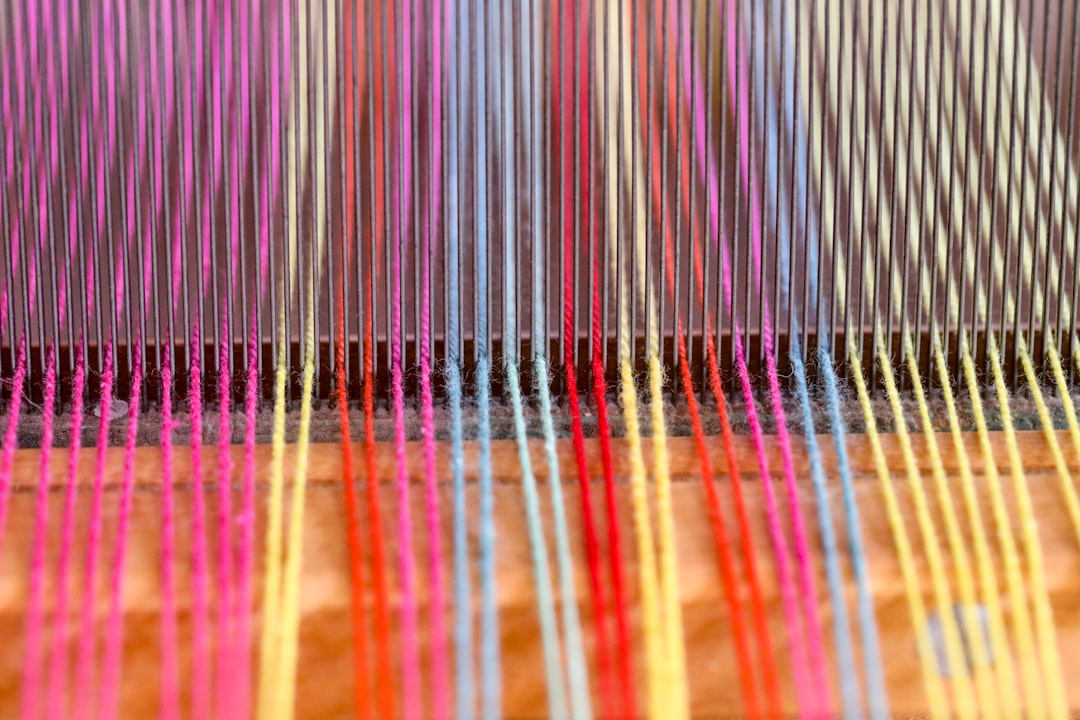
Ever wondered how all those beautiful fabrics come to life? It’s through weaving, an ancient art form that’s still very much alive. Essentially, weaving is about interlocking two sets of threads at right angles. One set, the warp, stays put on a loom, and the other, the weft, is passed over and under these stationary threads to create fabric. It’s a surprisingly straightforward concept that, over millennia, has given us everything from the clothes on our backs to intricate tapestries.
Weaving isn’t some modern invention. Archaeological evidence suggests people were weaving textiles thousands of years ago, long before recorded history. Think about it: humans needed clothing and shelter, and natural fibers like flax, wool, and plant stalks were readily available. The challenge was making them useful.
Early Tools and Techniques
The earliest looms were likely very basic. Imagine just a few sticks or stones to hold threads taut. These might have been simple board looms, or perhaps warp-weighted looms where heavy objects were hung from the bottom of the warp threads to keep them stretched. The process was slow and laborious, but it was the necessary first step.
The Evolution of the Loom
As societies developed, so did weaving technology. The upright loom, which allowed for wider pieces of fabric and more control, became a significant advancement. Later generations saw the invention of the treadle loom, which used foot pedals to lift and lower warp threads, significantly speeding up the process and allowing for more complex patterns.
If you’re interested in exploring the intricate world of weaving, you might find it fascinating to learn about the versatility of air-dry clay and its applications in crafting. For a deeper understanding of how different materials can interact in creative projects, check out this related article on the effects of moisture on air-dry clay. You can read it here: Can Air Dry Clay Get Wet?. This article provides valuable insights that can enhance your crafting experience, whether you’re weaving or working with clay.
The Warp and the Weft: The Building Blocks of Fabric
Every woven fabric, no matter how simple or complex, is made of two fundamental elements: the warp and the weft. Understanding their roles is key to understanding the whole process.
The Warp: The Foundation
The warp threads are the ones that run lengthwise on the loom. They are held under tension and form the structural backbone of the fabric. Think of them as the long, parallel lines you’d see if you looked at a fabric up close. The number of warp threads, their spacing, and the material they’re made from all heavily influence the final fabric’s strength and drape.
Thread Selection for Warp
The choice of yarn for the warp is crucial. It needs to be strong enough to withstand the tension of the loom and the friction of the weft passing through it repeatedly. Common materials include cotton, linen, wool, and synthetics. Different fibers have different strengths and textures, so the intended use of the fabric will dictate the best choice. For instance, a strong linen warp is ideal for durable upholstery fabric, while a softer wool might be chosen for a cozy shawl.
Setting Up the Warp on the Loom
This is arguably the most time-consuming part of the weaving process. The warp threads are meticulously measured, wound onto a beam, and then threaded through the heddles and reed of the loom. Every thread needs to be in the right place, with the correct tension, for the fabric to be woven evenly and without faults. This methodical process requires patience and precision, but it lays the groundwork for everything that follows.
The Weft: The Creative Element
The weft threads are the ones that are passed back and forth, over and under, the warp threads. They create the visual pattern and determine the fabric’s texture. The weft is where a weaver can really play with color, texture, and pattern.
Introducing Color and Texture with the Weft
This is where the artistry truly begins. A weaver can use a single color of weft for a uniform look, or they can introduce multiple colors to create stripes, checks, or more intricate designs. Similarly, by choosing different yarn types for the weft – a bulky wool, a slubby silk, or a smooth cotton – a weaver can create a wide range of textures, from rough and rustic to smooth and luxurious.
Different Weft Insertion Techniques
While the basic act of passing the weft over and under is constant, there are different ways to achieve this. The most common methods involve using a shuttle, which holds a bobbin of weft yarn, or a bobbin winder for simpler looms. For faster production or wider fabrics, flying shuttle systems were developed that shoot the shuttle across the loom automatically.
Understanding Basic Weave Structures
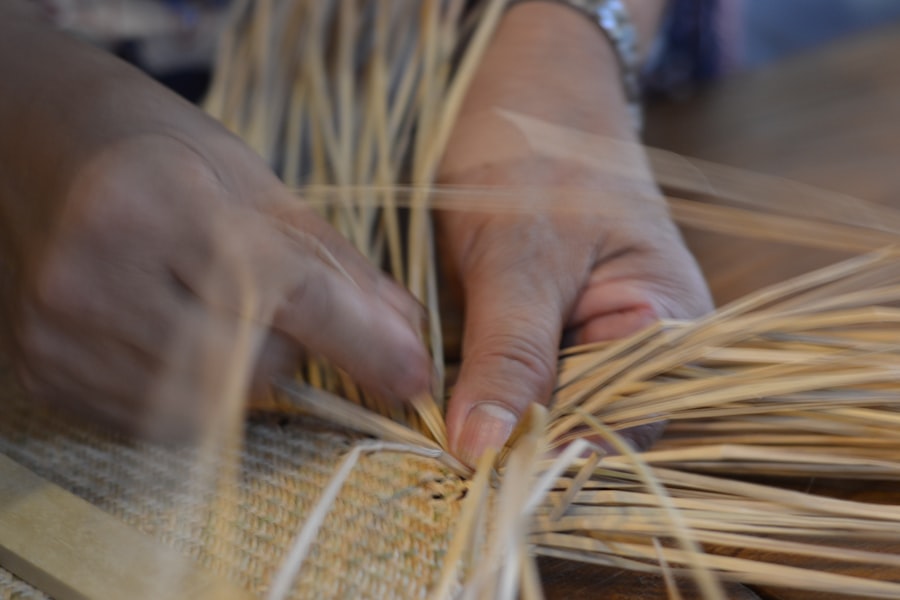
The way the weft interacts with the warp determines the fundamental structure of the woven cloth. These structures are the building blocks for almost all woven textiles.

Pure Organic Comfort: Experience the luxurious comfort of our Lane Linen white sheets twin size, meticulously crafted from OEKO-TEX certified 100% Organic Cotton. The crisp percale weave provides a hotel-quality feel—soft, yet durable—offering breathability and supreme comfort.
100% ORGANIC COTTON & LUXURIOUS PERCALE WEAVE: Royale Linens full size fitted sheet cotton is crafted from the finest quality 100% double brushed cotton. The cotton 200TC construction makes this fitted sheets full breathable, soft, and incredibly cozy. With our premium percale weave, you’ll experience hotel-style comfort with every night’s sleep — Wash before first use to unlock true luxury.
100% PREMIUM ORGANIC COTTON & LUXURIOUS PERCALE WEAVE: Royale Linens queen size fitted sheet cotton is crafted from the finest quality 100% double brushed cotton. The cotton 200TC construction makes this fitted sheet queen cotton breathable, soft, and incredibly cozy. With our premium percale weave, you’ll experience hotel-style comfort with every night’s sleep —Wash before first use to unlock true luxury.
Plain Weave: The Simplest and Strongest
This is the most basic weave structure, where the weft threads simply alternate over and under each warp thread. It’s like a checkerboard pattern.
Characteristics of Plain Weave
Despite its simplicity, plain weave is surprisingly strong and durable. It’s used in a vast array of fabrics, from basic cotton sheeting to sturdy canvas. Because there are no floats (where threads skip over multiple threads of the opposite set), it’s less prone to snagging.
Applications of Plain Weave
Think of everyday items like bedsheets, t-shirts, and dish towels. Its versatility makes it a go-to for countless applications where durability and ease of production are important.
Twill Weave: The Diagonal Line
Twill weaves are characterized by diagonal lines or ribs on the fabric’s surface. This is achieved by offsetting the weft threads slightly with each pass, creating staggered warp and weft intersections.
Creating the Twill Pattern
The offset is usually by one or two warp threads. This creates a diagonal effect that wraps around the weft thread. The direction of the diagonal can be from lower left to upper right (S-twill) or lower right to upper left (Z-twill).
Common Examples of Twill
Denim is perhaps the most famous example of a twill weave. Its characteristic diagonal lines are a defining feature. Gabardine, used for suits and outerwear, is another. The diagonal structure in twill often makes the fabric more resistant to soiling and creasing.
Satin Weave: The Lustrous Finish
Satin weaves produce a fabric with a smooth, lustrous surface and a duller back. This is achieved by having the weft threads float over a greater number of warp threads.
The Illusion of Smoothness
Instead of interlocking closely, the weft threads pass over several warp threads before being interlaced. This creates long, uninterrupted floats of yarn on the surface, which reflect light beautifully, giving satin its characteristic sheen.
Why Satin is So Shiny
The long floats are the key. The more uninterrupted yarn surfaces there are, the more light can be reflected. This is why silks and high-quality synthetics are often woven in a satin weave to showcase their inherent luster.
Beyond the Basics: More Intricate Weaves
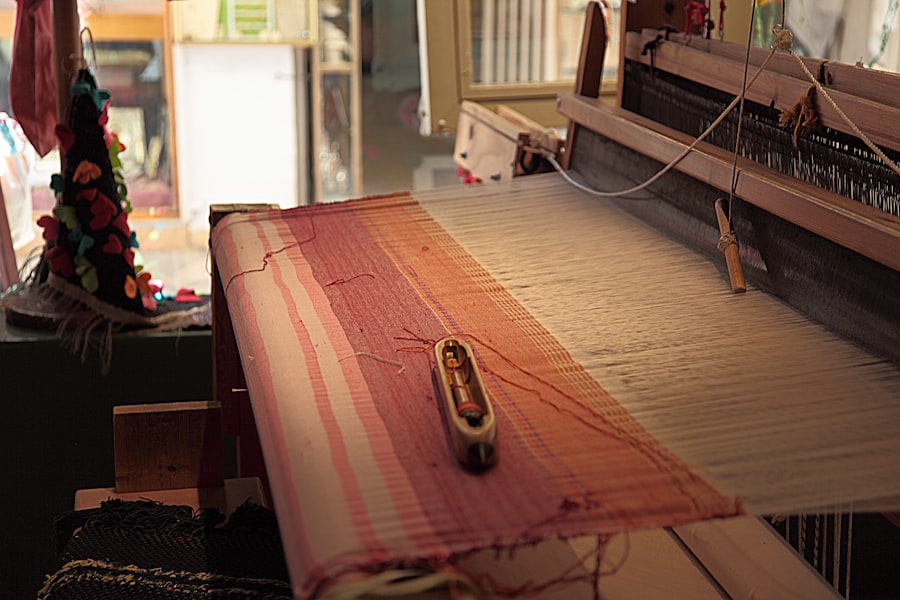
Once you master the fundamental weaves, there’s a whole world of more complex patterns and textures to explore.

【1200+ Colorful Cloth Loops for Unlimited Creations】 This loom bands refill pack includes 1200+ premium elastic cloth loops in 12 vibrant colors, giving your kids more than enough material bands to create bracelets, rings, hair ties, keychains, charms and unlimited DIY designs.


Dobbies and Jacquards: Unlocking Complex Designs
These terms refer to mechanisms on looms that allow for much more intricate patterns than can be achieved with basic weaves alone.
Dobby Looms
Dobby looms can create geometric patterns and textures by controlling groups of warp threads. They are often used for creating dobby cloths, which have small, repeating patterns like small diamonds, squares, or zigzags woven into the fabric.
Jacquard Looms
Jacquard looms are the most sophisticated. They can control each individual warp thread independently, allowing for incredibly complex and detailed designs, such as florals, portraits, or intricate pictorial scenes. Tapestries and brocades are often made on jacquard looms.
Pile Weaves: Adding Depth and Softness
Pile weaves create a raised surface of loops or cut threads, adding softness, absorbency, and a luxurious feel to the fabric.
The Secret to Velvet and Terrycloth
Think of velvet, with its dense, soft pile. This is a type of pile weave. Terrycloth, used for towels, is another excellent example, with its characteristic loops that make it so absorbent.
How Pile is Created
The pile can be created by weaving extra sets of weft yarns that are then cut, or by using wires that are passed through the warp and weft and then cut to create loops.
Weaving is a fascinating craft that allows for endless creativity, and it can be beautifully complemented by other artistic techniques. For those interested in exploring different materials, a related article on how to use air dry clay can provide inspiration for incorporating unique textures into your woven pieces. You can find more information about this technique in the article here. By combining weaving with air dry clay, artists can create stunning mixed media works that showcase their skills and imagination.
The Weaver’s Toolkit: Looms and Tools
| Metrics | Value |
|---|---|
| Number of Weaving Machines | 150 |
| Production Output | 500 meters per day |
| Employee Count | 50 |
| Quality Control Reject Rate | 2% |
While the concept of weaving is simple, the tools involved can range from the most basic to incredibly complex machinery.

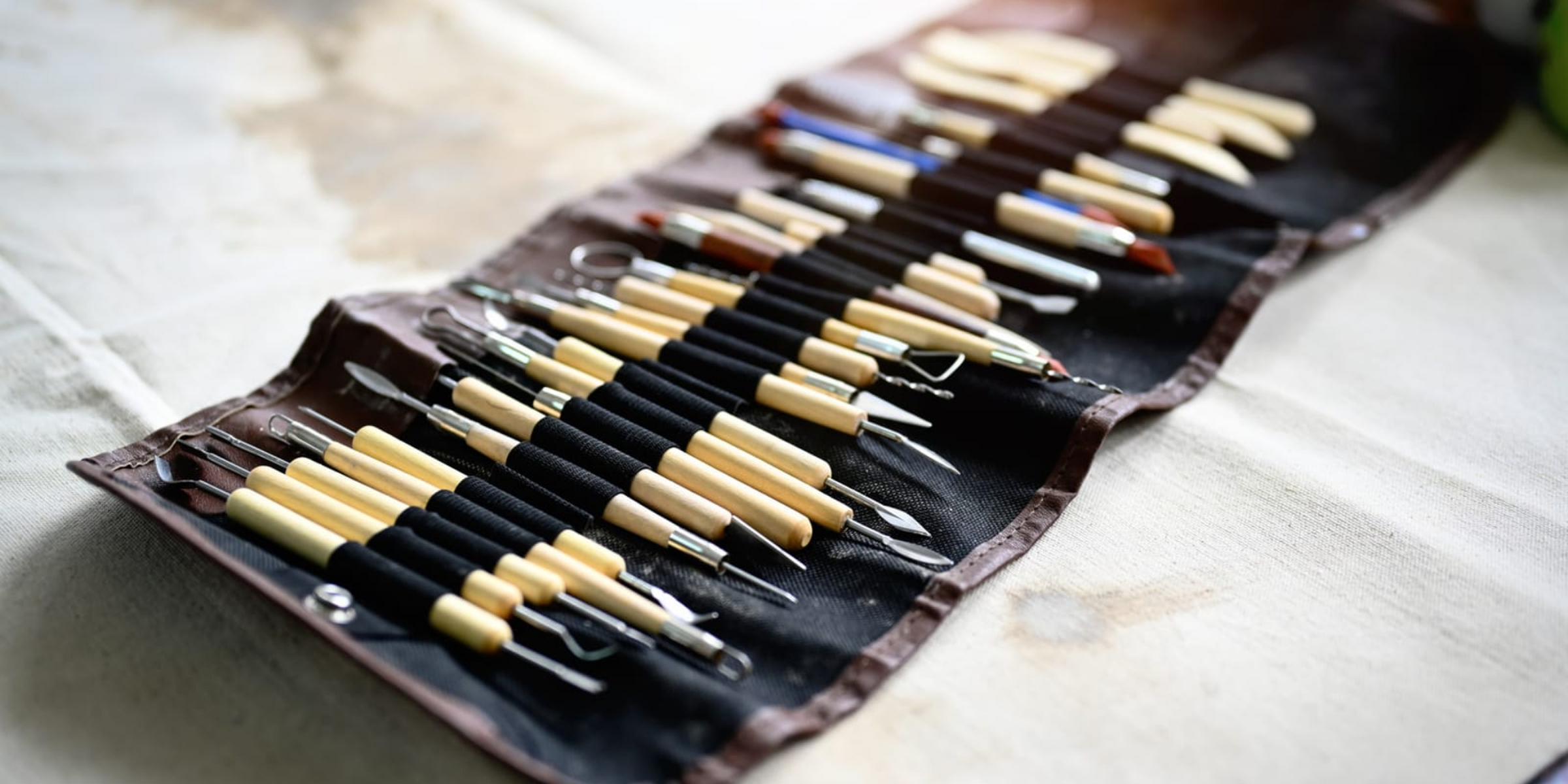
Package Include: 1 wooden knitting crochet hook, 1 wooden wood shed stick , 2 wooden shuttle sticks and 1 wooden knitting comb, which is a good combination to meet your different needs in the knitting process!

Perfectly Designed & Highly Versatile: This wooden weaving comb is crafted from solid wood material, ensuring durability. It is meticulously sanded with smooth edges, making it comfortable to hold. In addition, the wooden weaving comb is designed with two small holes, one hole is attached with a string for convenient hanging, and the other hole is used as a fingertip as a touching point to avoid slipping

Types of Looms: From Simple to Sophisticated
The loom is the central piece of equipment for weaving. Its design and complexity have evolved significantly over time.
Tabletop Looms
These are small, portable looms, often used by hobbyists or for learning the basics. They are great for beginners as they are less intimidating and require less space.
Floor Looms
These are larger, sturdier looms that are operated by foot pedals (treadles) and hand movements. They allow for wider fabrics and more complex weaving projects.
Industrial Looms
These are highly automated machines found in textile factories, capable of producing fabric at high speeds and volumes. They represent the pinnacle of weaving technology for mass production.
Essential Weaving Accessories
Beyond the loom itself, a weaver needs a variety of tools to prepare and manipulate the threads.
Shuttles
These are used to carry the weft yarn across the warp. They come in various shapes and sizes, depending on the loom and the type of yarn being used.
Reeds
The reed is a comb-like device that separates the warp threads and also beats the weft into place. The spacing of the teeth in the reed determines the number of warp threads per inch, and thus the density of the fabric.
Heddles
These are small loops, usually made of wire or string, attached to the heddle bars. Each warp thread passes through a heddle, and as the heddles are lifted and lowered, they raise and lower the warp threads to create the shed (the opening through which the weft is passed).
The Enduring Appeal of Woven Textiles
In a world increasingly dominated by mass-produced synthetics, the art of weaving continues to hold a special place. It offers a connection to tradition, a canvas for creativity, and a path to creating beautiful, durable, and meaningful textiles.
Sustainability and Natural Fibers
Traditional weaving practices often emphasize the use of natural, sustainable fibers. This makes woven textiles an environmentally conscious choice.
Traceability and Local Production
Many small-scale weavers use locally sourced fibers and can trace their materials back to their origins, offering a level of transparency rare in the modern textile industry.
Durability and Longevity
Well-woven fabrics are built to last. They can be repaired and cared for, reducing the need for constant replacement and contributing to a more sustainable consumption pattern.
The Human Touch: Craftsmanship and Uniqueness
There’s an undeniable value in something made by hand. Each woven piece carries the subtle imperfections and the distinct character of the maker.
Supporting Artisans and Preserving Skills
By supporting weavers, we are not only acquiring beautiful objects but also helping to preserve ancient skills and traditions that might otherwise be lost.
The Personal Connection
Owning a hand-woven item creates a personal connection. It’s not just an object; it’s a story woven into threads, a piece of art infused with time, skill, and intention.