Many people wonder if they can truly be creative, or if it’s something you’re just born with. The good news is, creativity isn’t a mystical gift reserved for a select few; it’s a skill that can be cultivated and unleashed through engaging in creative crafts. Think of crafts as your personal playground for imagination, a low-pressure way to explore new ideas and bring them to life.
Why Dive Into Creative Crafts?
If you’re looking to explore more about crafting with air-dry clay, you might find this article on simple projects for beginners quite helpful. It provides a variety of easy-to-follow ideas that can inspire your creativity and help you get started with this versatile medium. You can read the article here: What Are Some Simple Projects for Beginners Using Air Dry Clay?.
Stepping Out of the Routine
Life gets busy, and it’s easy to fall into a comfortable, predictable pattern. Creative crafts offer a refreshing escape from the everyday grind. They’re a way to pause, disconnect from digital distractions, and engage your senses and your mind in something tangible and rewarding. It’s not about becoming a professional artist overnight, but about the simple satisfaction of making something with your own hands.
Boosting Your Brain Power
Engaging your creative side has been shown to have a positive impact on cognitive function. When you’re crafting, you’re problem-solving, experimenting, and learning new skills. This mental stimulation can improve memory, enhance critical thinking, and even boost your mood. It’s a gentle workout for your brain, disguised as fun.
Finding Your Flow State
Many people describe a feeling of being “in the zone” when deeply engrossed in a craft. This is known as the flow state, a psychological state of optimal experience where you’re fully immersed in an activity, feeling energized, focused, and enjoying the process. Crafts are an excellent pathway to achieving this satisfying state of focused engagement.
If you’re interested in exploring more creative projects, you might enjoy learning how to make beautiful air-dry snowflakes. This delightful craft not only adds a touch of winter charm to your home but also provides a fun activity for all ages. For detailed instructions and tips, check out this informative article on making air-dry snowflakes.
The Tangible Reward
In a world often dominated by digital experiences, there’s a unique pleasure in creating something physical. Holding a finished craft in your hands, a piece that you conceived and brought into existence, provides a sense of accomplishment that’s hard to replicate. It’s a tangible reminder of your effort and ingenuity.
Getting Started: Practical First Steps
Choosing Your Medium
The world of crafts is vast, and the best place to start is by exploring what genuinely sparks your interest. Don’t feel pressured to pick the “hottest” trend.
What About Materials?
Think about what appeals to you. Are you drawn to the softness of yarn? The earthy feel of clay? The vibrant intensity of paint? Consider accessible materials that don’t require a huge initial investment. Many basic supplies can be found at local craft stores or even online for a reasonable price.
Starting Small and Simple
You don’t need to commit to a massive project from day one. Begin with smaller, manageable crafts. This allows you to learn the basics, experiment with techniques, and build confidence without feeling overwhelmed. A simple knitted scarf, a hand-painted card, or a small clay trinket are excellent starting points.
Setting Up Your Space
You don’t need a dedicated studio to craft. Even a small corner of a table can suffice. The key is to have a space where you can temporarily set up your materials and not have to pack everything away every single time you finish.
Organization is Key (Sort Of)
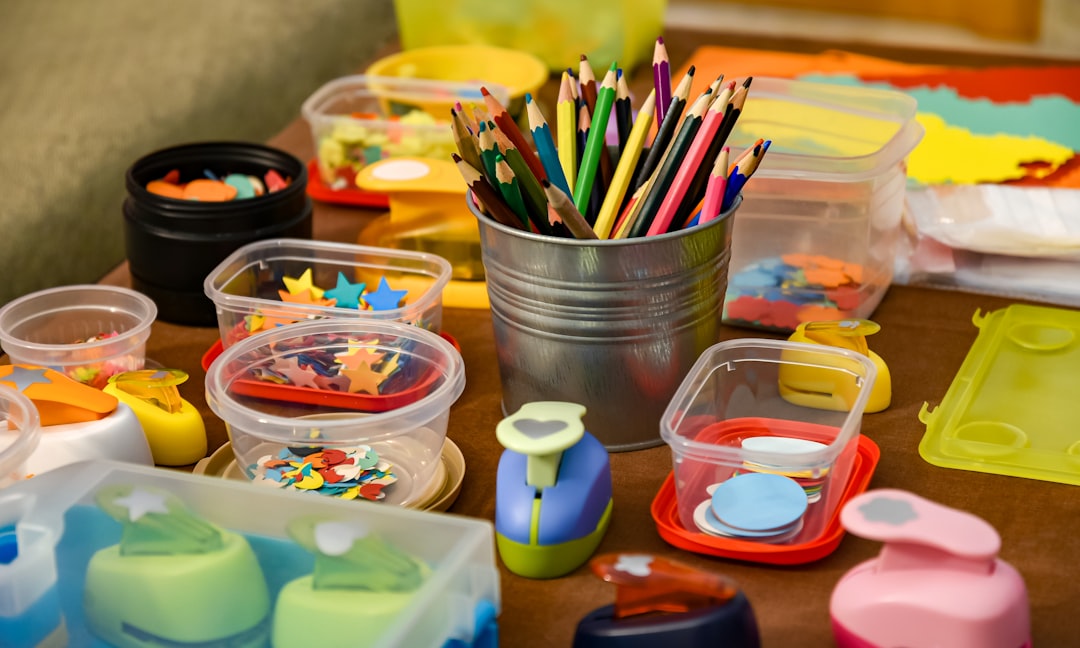
While creativity can sometimes be chaotic, a little bit of organization goes a long way. Having your supplies easily accessible will make it far more likely that you’ll actually use them. Think about simple storage solutions like clear containers, jars, or even repurposed shoeboxes.
Ventilation Matters
If you’re working with paints, glues, or other materials that have fumes, ensure your crafting area is well-ventilated. Open a window or work near an open door. Your comfort and well-being are important.
Your First Projects: Ideas to Spark Inspiration
For the Tactile Explorer: Working with Clay
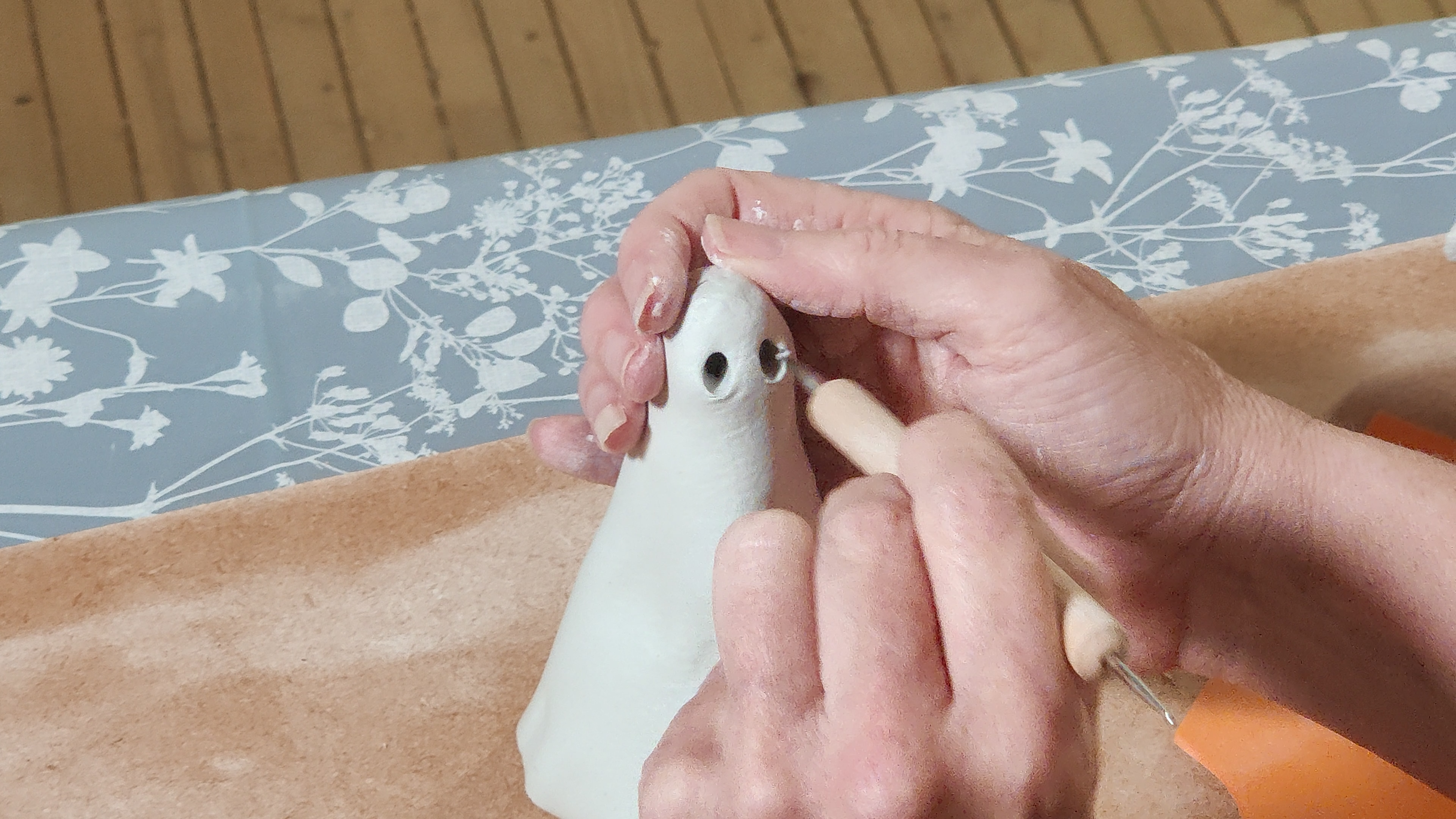
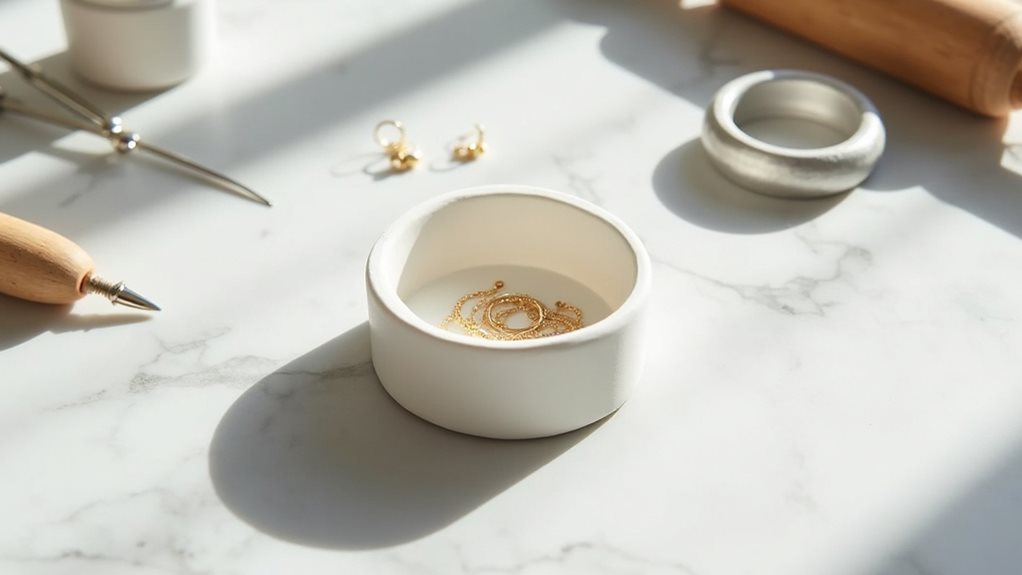
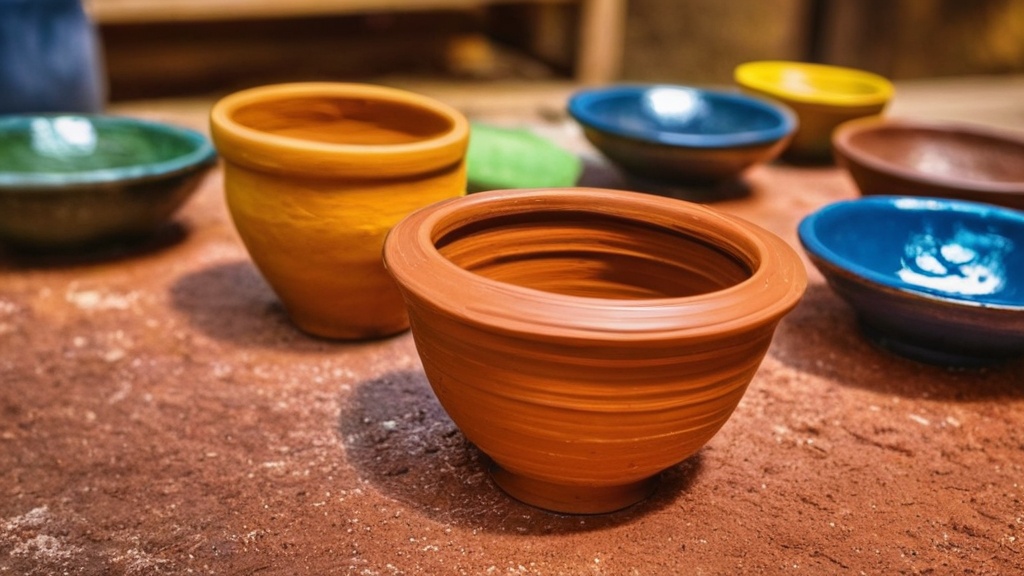
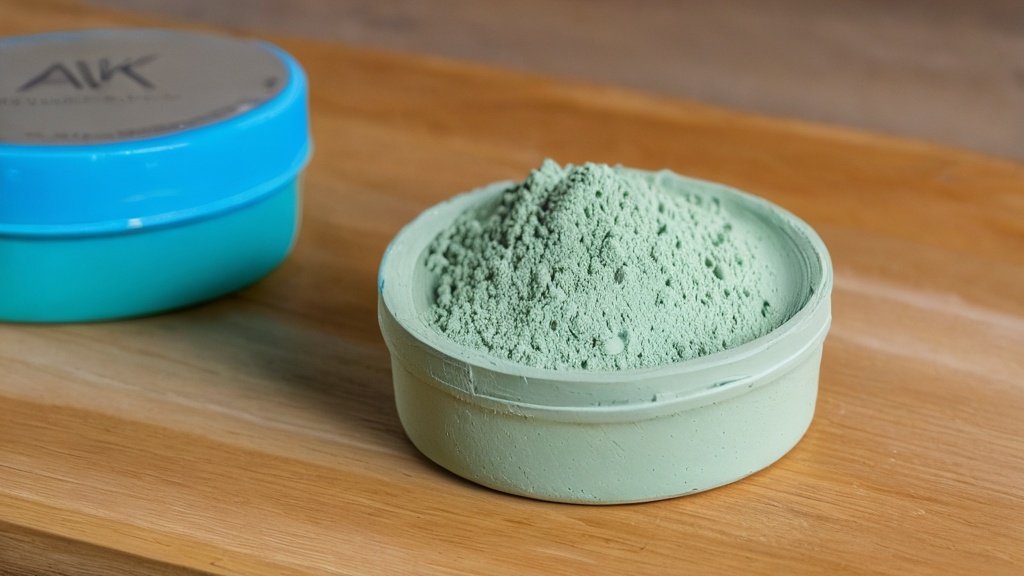
Working with clay is a wonderfully grounding experience. Whether it’s air-dry clay or polymer clay, the process of molding and shaping feels intuitive and rewarding.
Simple Pinch Pots
A pinch pot is one of the most basic and accessible ways to start with clay. You simply take a ball of clay, press your thumb into the center, and then gently pinch the walls outwards to form a bowl shape. This is a great way to get a feel for the material.
Clay Beads and Charms
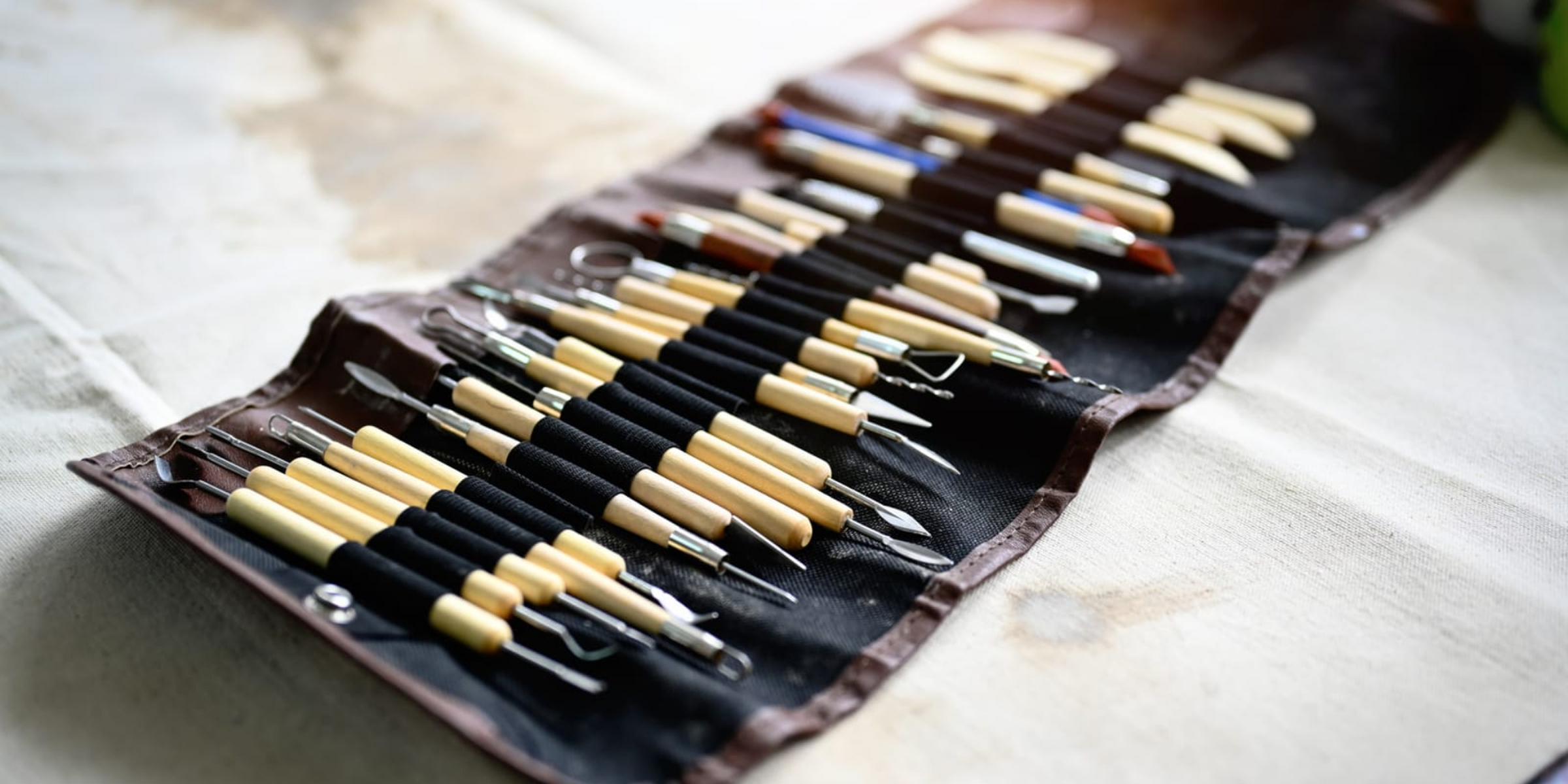
Once you’re comfortable with the basic shaping, you can move on to creating small beads or charms. These can be used for jewelry, to decorate other craft projects, or simply to make. Experiment with different tools to create textures or patterns.
Polymer Clay Miniatures
Polymer clay is fantastic for creating small, detailed objects. From tiny food items to miniature animals, the possibilities are nearly endless. It’s important to follow the baking instructions for polymer clay precisely to ensure your creations are durable.
For the Visual Storyteller: Painting and Drawing
These mediums are classic for a reason. They offer incredible flexibility and allow for immense personal expression.
Watercolor Washes
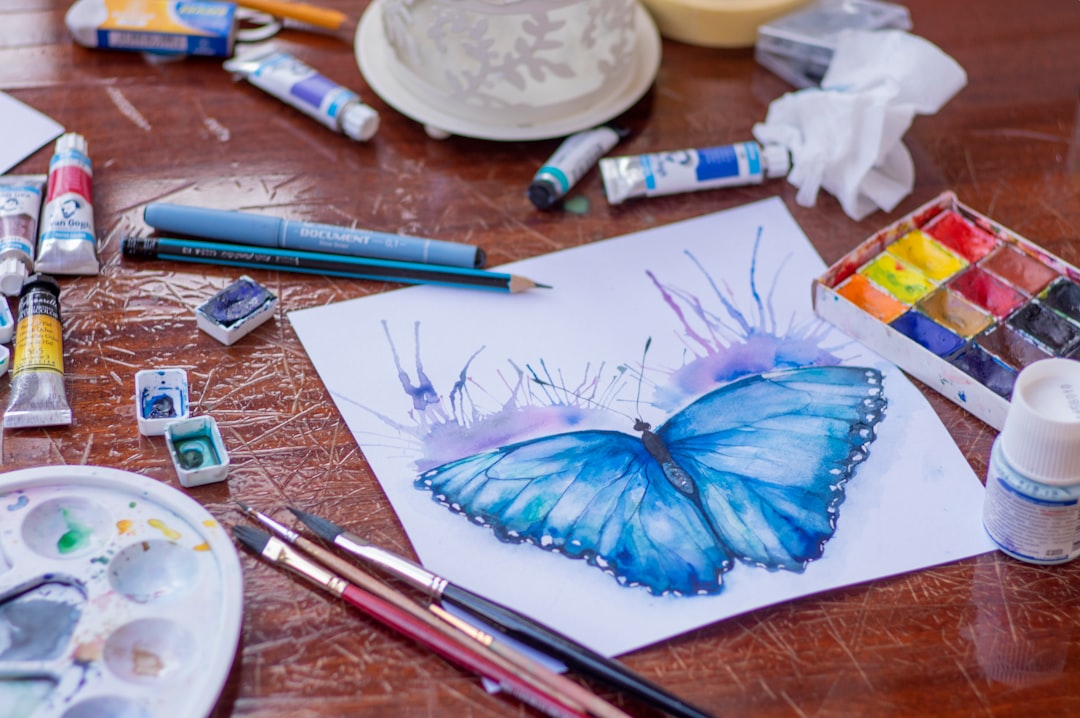
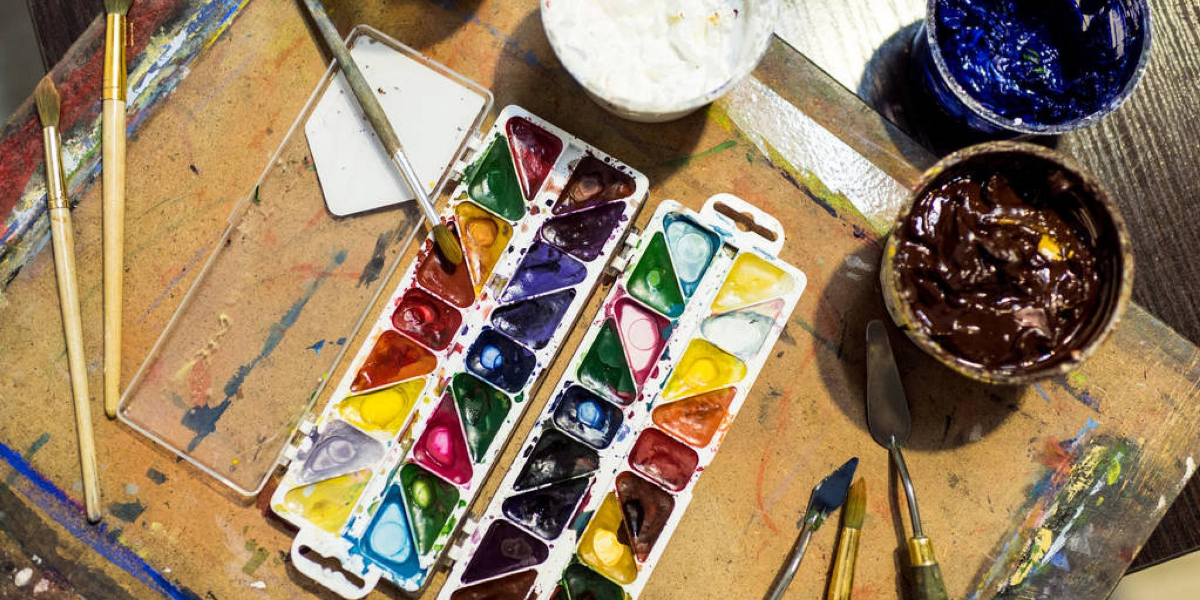
Watercolor paints are forgiving and beautiful for beginners. Learning to create soft washes of color, layer tones, and achieve subtle gradients can be a very meditative process. Small, abstract pieces are a great way to practice.
Pencil Sketches
You don’t need fancy supplies to start drawing. A simple pencil and paper are all you need to capture what you see or to let your imagination run wild. Focus on observing shapes, light, and shadow.
Acrylic Pouring Art
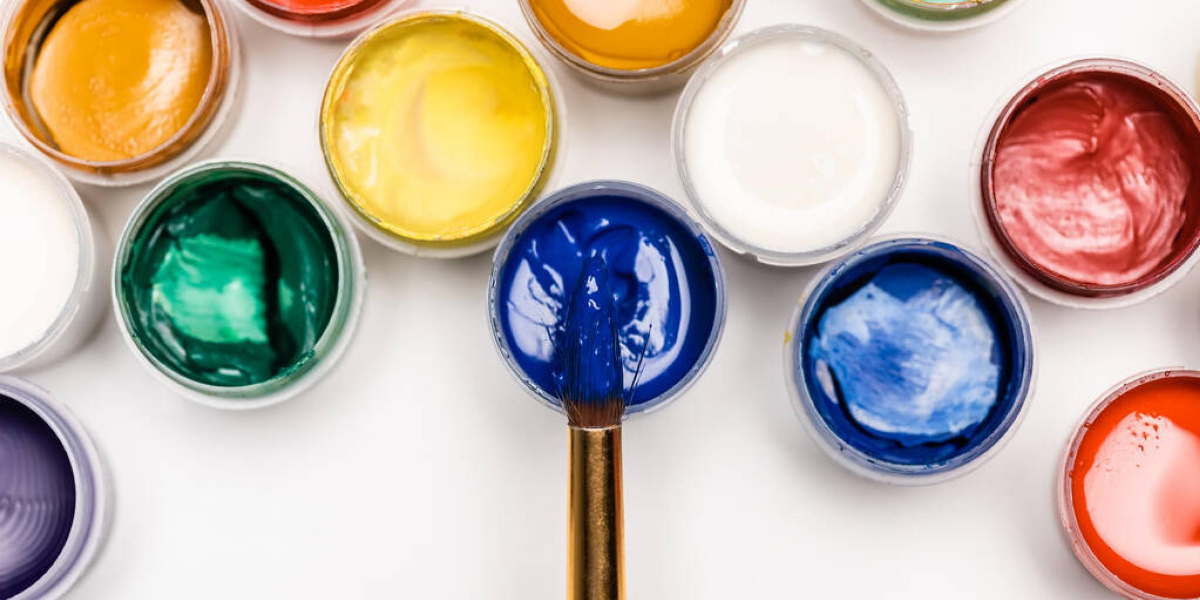
This technique involves pouring thinned acrylic paints onto a canvas and tilting it to create abstract, flowing patterns. It’s a bit science, a bit art, and often results in surprisingly stunning visuals with minimal artistic skill required for a basic outcome.
For the Hands-On Maker: Knitting and Crocheting
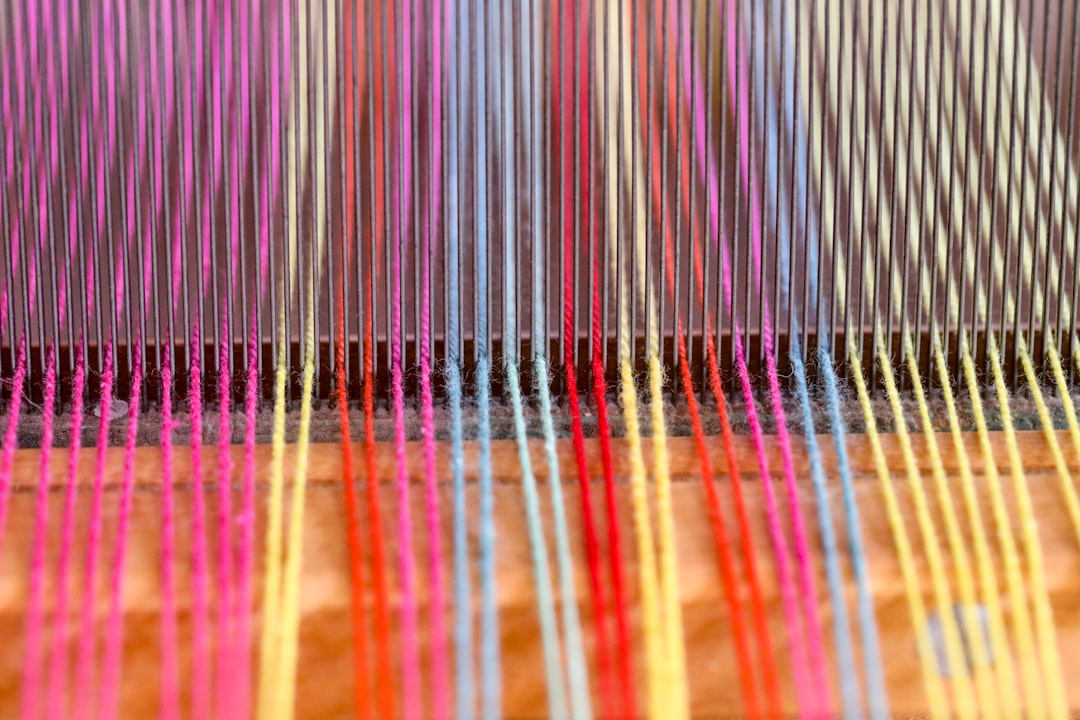
These fiber arts can seem intimidating, but the basic stitches are quite straightforward. Once you grasp them, you can create a vast array of useful and beautiful items.
The Cozy Scarf
A simple scarf is the quintessential beginner knitting or crochet project. It’s a long, straight piece with minimal shaping, allowing you to focus on mastering your chosen stitch and maintaining even tension.
Basic Blankets or Dishcloths
Once you’ve got the scarf down, a simple blanket or a set of dishcloths are logical next steps. These projects are often repetitive, which can be quite calming, and the results are immediately practical.
Amigurumi (Small Stuffed Toys)
Amigurumi is the Japanese art of crocheting small, stuffed yarn creatures. While they involve sewing pieces together, the individual components are often simple shapes like tubes, spheres, and cones, making them achievable for those who have mastered basic crochet stitches.
For the Upcycler and Upgrader: Giving New Life to Old Things
Creativity doesn’t always mean buying new. Repurposing and upcycling materials is an incredibly rewarding and sustainable way to craft.
Jar Decor
Glass jars can be transformed into anything from candle holders and vases to storage containers. Painting them, wrapping them with twine, or decorating them with fabric are all simple ways to add flair.
T-Shirt Transformations
Old t-shirts can be cut into yarn for rag rugs, turned into tote bags, or even transformed into unique clothing items through simple cutting and no-sew techniques.
Furniture Facelifts
Don’t discard old furniture. A fresh coat of paint, new hardware, or even stenciling can give a worn-out piece a completely new lease on life. This can be a more involved project but incredibly satisfying.
Overcoming Creative Blocks and Embracing Imperfection
It’s Okay to Not Be Perfect
One of the biggest hurdles for aspiring creatives is the fear of making mistakes or producing something that isn’t “good enough.” This is where the “craft” aspect comes in – it’s about the process of making, learning, and experimenting, not necessarily about achieving gallery-worthy results from the outset.
Reframing Failure
Think of mistakes not as failures, but as opportunities to learn. A wobbly stitch, a smudged line, or a misshapen piece of clay is simply feedback. What can you do differently next time?
The Value of the Process
Focus on the enjoyment of the activity itself. The act of creating, regardless of the final outcome, is beneficial for your well-being. Try to detach your self-worth from the perfection of your creations.
Working Through Creative Blocks
Creative blocks are a normal part of the journey. Everyone experiences them. The key is not to panic, but to have strategies to navigate them.
Take a Break and Step Away
Sometimes, the best thing you can do is simply stop. Step away from your project, go for a walk, listen to music, or do something completely unrelated. Often, solutions or new ideas will come to you when you’re not actively trying to force them.
Seek New Inspiration
Look at other people’s work (without comparison!), visit art galleries, browse craft blogs, or watch tutorials. External stimuli can often reignite your own creative spark.
Try a Different Craft
If you’re stuck on one project, switch gears entirely. If you’re a knitter struggling with a pattern, try painting. If you’re a painter looking for a change, experiment with pottery. A new medium can refresh your perspective.
The Power of Constraints
Sometimes, having too much freedom can be paralyzing. Try setting limitations for yourself. For example, “I’m only going to use three colors,” or “This project has to be completed in one hour.” Constraints can force you to think more resourcefully.
Continuing Your Creative Journey
Building a Routine (Loosely)
Consistency is more important than intensity when it comes to cultivating creativity. You don’t need to dedicate hours every day. Even carving out 30 minutes a couple of times a week can make a significant difference.
Scheduling Craft Time
Treat your craft time like any other important appointment. Block it out in your calendar. This helps to prioritize it and makes it more likely that you’ll stick with it.
Small, Frequent Sessions
Instead of waiting for large chunks of free time, aim for shorter, more frequent crafting sessions. You’d be surprised what you can accomplish in 20-30 minutes when you’re focused.
Connecting with Other Creatives
The crafting community is often incredibly supportive and welcoming.
Online Communities
There are countless online forums, social media groups, and websites dedicated to specific crafts. These are fantastic places to share your work, ask questions, and get inspiration from others.
Local Workshops and Groups
See if there are any local craft shops or community centers that offer workshops or host craft groups. Learning alongside others can be motivating and enjoyable.
Sharing Your Work (When You Feel Ready)
Sharing your creations, even if they’re simple, can be a great way to get feedback and encouragement. Start with trusted friends or family, or share within supportive online communities. Remember, the goal is growth, not judgment.
By embracing creative crafts, you’re not just learning to make things; you’re investing in your own well-being, problem-solving abilities, and overall sense of fulfillment. So, pick up that yarn, that brush, or that lump of clay, and let your imagination take the lead. The journey of creation is there for the taking.