The Medium of Expression: Paints and Their Applications
Paints represent a fundamental means of applying color and texture to a surface, serving as the artist’s primary language for visual communication. The selection of paint types can significantly influence the final aesthetic and the execution of a creative vision.
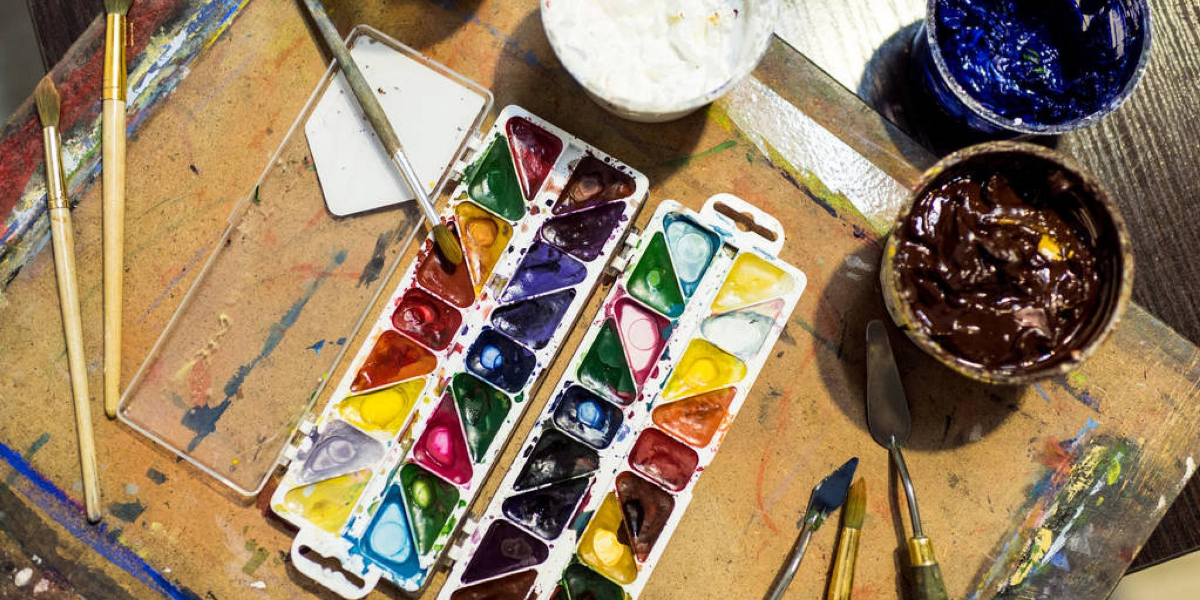
Watercolor: Transparency and Lightness
Watercolor paints are characterized by their water-soluble binder, typically gum arabic, which imparts transparency. This transparency allows light to reflect off the paper beneath the pigment, creating a luminous quality.
Application Techniques
- Washes: Broad, even applications of diluted paint. These can be applied as flat washes, ensuring uniform coverage, or graded washes, where the color intensity shifts gradually across the surface.
- Wet-on-Wet: Applying wet paint onto a wet surface. This technique results in soft edges and diffused colors, ideal for capturing atmospheric effects, skies, or distant landscapes. The colors tend to blend and bleed into one another organically.
- Wet-on-Dry: Applying wet paint onto a dry surface. This method allows for more controlled application, producing crisp edges and distinct color layers. It is suitable for detailed work, sharp lines, and building up opaque areas.
- Layering (Glazing): Applying thin, transparent layers of color over dried paint. Each subsequent layer subtly modifies the color of the underlying layer, creating depth, richness, and subtle color transitions. This technique is crucial for achieving nuanced skin tones or the appearance of aged materials.
- Lifting: Removing wet or semi-dry paint from the paper using a brush, sponge, or cloth. This technique can be used to lighten areas, create highlights, or correct mistakes. The success of lifting depends on the paper’s absorbency and the paint’s pigment load.
Paper Considerations
The type of paper used for watercolor is a critical factor. Watercolor paper is typically made from cotton, which provides absorbency and durability.
- Cold-Pressed: This is the most common type of watercolor paper, with a medium texture. It is versatile and suitable for a wide range of techniques, offering a good balance between absorbency and surface texture.
- Hot-Pressed: This paper has a smooth surface, resulting from being pressed under heated rollers. It is ideal for fine detail work, precise linework, and achieving smooth gradients, but it can be challenging for wet-on-wet techniques as the paint tends to bead.
- Rough: This paper features a heavily textured surface, providing a pronounced grain. It is excellent for capturing impressionistic effects, creating textural interest, and is forgiving with washes, as the valleys in the paper hold pigment.
Acrylics: Versatility and Opacity
Acrylic paints are composed of pigment suspended in an acrylic polymer emulsion. They dry quickly and are water-soluble when wet, but become water-resistant once dry. This fast-drying nature offers both advantages and challenges.
Properties and Uses
- Opacity and Transparency: Acrylics can be used opaquely, providing solid coverage, or thinned with water or acrylic mediums to achieve transparency similar to watercolors.
- Layering and Texture: Their quick drying time makes acrylics well-suited for rapid layering. Palette knives and mediums can be used to build up thick impasto textures, creating tangible surfaces.
- Adhesion: Acrylics adhere to a wide variety of surfaces, including canvas, wood, paper, fabric, and metal, making them a highly adaptable medium.
- Durability: Once dry, acrylics form a flexible, durable, and water-resistant film, making them resistant to cracking and fading.
Acrylic Mediums
A diverse range of acrylic mediums can alter the paint’s properties, expanding its creative potential.
- Gel Mediums: These mediums increase the paint’s body, transparency, and gloss or matte finish, and can be used to create various textural effects.
- Flow Improvers: Added to acrylic paint, these substances reduce the surface tension of the water, allowing the paint to spread more evenly and smoothly, particularly useful for pours and washes.
- Retarders: These additives slow down the drying time of acrylics, providing a longer working window for blending and manipulation, akin to oil paints.
- Texture Pastes: These heavy-bodied mediums add significant texture to the paint, creating surfaces that can be sculpted, carved, or painted over.
Oils: Depth and Blending
Oil paints consist of pigment suspended in a drying oil, such as linseed oil. They are known for their slow drying time, which allows for extended blending, subtle color gradations, and the creation of luminous, depth-rich surfaces.
Traditional Techniques
- Alla Prima (Wet-on-Wet): Completing a painting in a single session while the paint is still wet. This technique emphasizes spontaneity and directness, allowing for seamless blending of colors and soft transitions.
- Glazing: Applying thin, transparent layers of oil paint over dried underlayers. Similar to watercolor glazing, this builds up color depth and luminosity, creating a jewel-like effect. This process requires significant drying time between layers.
- Scumbling: Applying a thin, broken layer of opaque or semi-opaque paint over a dry, textured surface, allowing the underlying color to show through. This technique creates a soft, hazy effect, breaking up the solidity of the color beneath.
Oil Mediums and Solvents
- Linseed Oil: The most common binder for oil paints, it increases the paint’s fluidity and gloss.
- Turpentine/Odorless Mineral Spirits: These solvents are used to thin oil paints, clean brushes, and prepare surfaces. They evaporate relatively quickly.
- Odorless Mineral Spirits (OMS): A less toxic alternative to traditional turpentine, offering similar thinning and cleaning properties with reduced odor.
- Alkyd Mediums: These mediums speed up the drying time of oil paint and increase its gloss and durability. They are synthetic resin-based and offer a faster path to completing oil paintings.
The Foundation: Surfaces for Creation
The surface upon which art is created acts as the initial stage for any artistic endeavor. The choice of surface can profoundly influence the application of materials, the resulting texture, and the overall longevity of the artwork.
Canvas: The Traditional Stage
Canvas, typically made from cotton or linen, is stretched over a wooden frame (stretcher bars) or mounted onto a rigid board. It is the archetypal surface for oil and acrylic painting.
Types of Stretched Canvas
- Cotton Canvas: More economical and widely available, cotton canvas is a popular choice for beginners and general use. Its absorbency can vary, and it may be prone to sagging over time if not properly stretched or primed.
- Linen Canvas: Considered a premium option due to its strength, durability, and smoother weave. Linen fibers are naturally resistant to decay, making it a highly stable and long-lasting surface. It can be more expensive than cotton.
- Pre-primed Canvas: Many canvases come pre-primed with gesso, a white acrylic primer. This saves time and ensures a consistent base for painting. Unprimed canvas requires the artist to apply their own gesso layers.
Canvas Textures
The weave of the canvas determines its texture.
- Fine Weave: Offers a smoother surface, ideal for detailed work and portraits.
- Medium Weave: A balance between fine and coarse, suitable for a broad range of subjects.
- Coarse Weave: Provides a pronounced texture, adding a tactile quality to the artwork, often favored for abstract or expressive pieces.
Paper: The Versatile Substrate
Paper, in its myriad forms, serves as a foundational substrate for a vast array of artistic disciplines, from delicate sketching to vibrant paintings. Its absorbency, texture, and weight are key characteristics that dictate its suitability for different media.
Weight and Ply
The weight of paper, often measured in grams per square meter (gsm) or pounds per ream, indicates its thickness and durability. Higher weights generally signify greater sturdiness.
- Lightweight Papers (under 100 gsm): Suitable for sketching, lettering, and some dry media. They can buckle or tear easily when wet.
- Medium Weight Papers (100-200 gsm): Offer a good balance for various dry media, including pastels and charcoal, and can tolerate light watercolor applications.
- Heavyweight Papers (over 200 gsm): Essential for most painting techniques, especially watercolor and gouache, as they resist buckling and allow for multiple washes.
Surface Tooth
The surface texture of paper, known as tooth, influences how media adheres to it.
- Smooth (Hot-Pressed): Ideal for fine detail, pencil work, and airbrushing, allowing for precise lines and blending.
- Medium (Cold-Pressed/Eggshell): A versatile surface that accepts a wide range of dry media and light washes.
- Rough: Offers significant texture, providing a good grip for charcoal, pastels, and for creating textural effects in painting.
Wood Panels: Stability and Durability
Wood panels offer a rigid and stable surface, particularly favored for detailed work and for artists who prefer a very firm support. They eliminate the concerns of canvas stretching and sagging.
Types of Wood Panels
- Hardboard: A dense, smooth, and economical option. It requires significant priming to prevent the absorption of paint.
- MDF (Medium-Density Fiberboard): Similar to hardboard but manufactured with a finer, more consistent texture.
- Plywood: Layers of wood veneer glued together, offering good stability. Different types of plywood (e.g., birch, poplar) have varying densities and grain patterns.
- Solid Wood Panels: Crafted from a single piece of wood or joined sections. These are often the most expensive but offer superior stability and longevity.
Preparation of Wood Panels
Wood panels, unlike pre-primed canvas, typically require extensive preparation.
- Sanding: Panels are often sanded to create a smooth surface.
- Sealing: A sealant is applied to prevent the wood from absorbing moisture from the paint, which can cause warping.
- Priming (Gessoing): Multiple layers of gesso are applied to provide a receptive surface for paint.
If you’re looking to explore more creative projects using air-dry clay, you might find this article on making an air-dry clay ragdoll cat particularly inspiring. It provides step-by-step instructions and tips on how to craft your own adorable feline companion, making it a great resource for both beginners and experienced crafters. Check it out here: How to Make an Air Dry Clay Ragdoll Cat.
Tools of the Trade: Brushes, Knives, and Applicators
The instruments used to apply art supplies are as crucial as the materials themselves. They act as extensions of the artist’s hand, translating intention into form and texture.

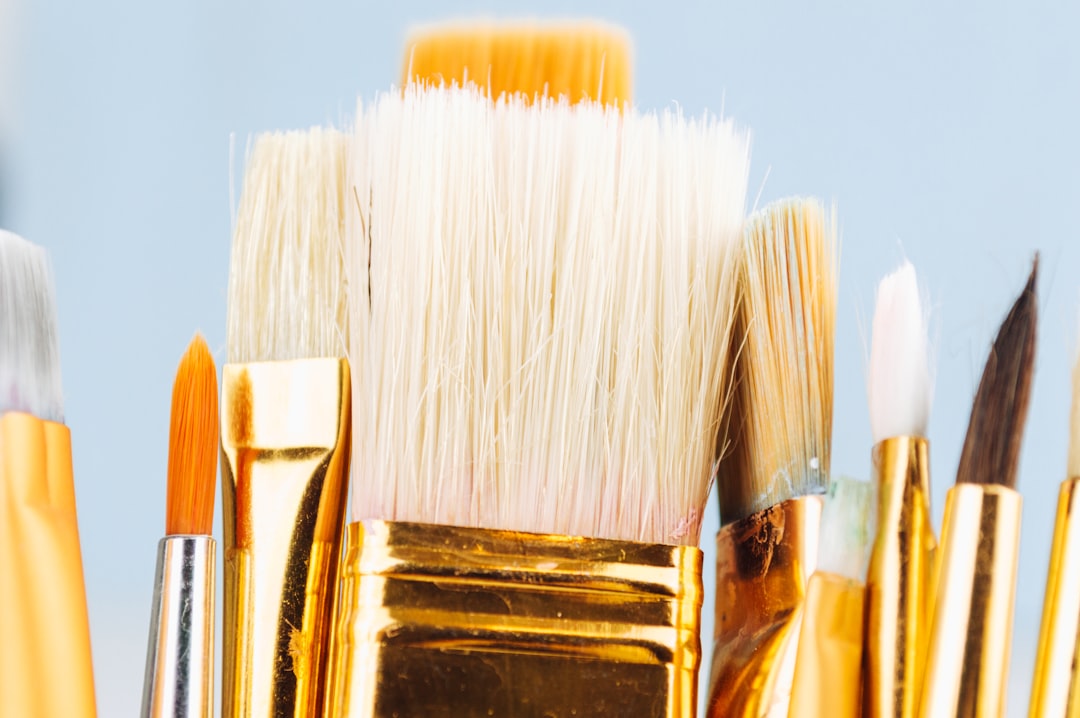
Our watercolor sable brushes offer a wide range of shapes ( Pointed Rounds, Flats, Cat's Tongue Oval Wash ) and sizes so you can paint from long, thin lines to large areas with ease. Whether you're a seasoned professional, or a beginner just learn to paint, you will surely enjoy this sable paint brushes.

Fuumuui's upgraded high-end sable watercolor brush set offers a variety of shapes including(Flats, Rounds, Dagger, Extended Needle Point, Cat's Tongue)and sizes so you can paint from long, thin lines to large areas with ease. Whether you're a seasoned professional, or a beginner just learn to paint, you will surely enjoy this sable paint brushes

Professional Sable Watercolor Brushes Set - Brushes come in 9 popular sizes: #0, #2, #4, #6, #8, #10, #12, #14, #16. Wide variety of sizes for various watercolor art techniques from precise detail to large washes, great brush set make your painting colorful and unique, designed for water-based painting medium, perfect for beginners, professionals, artists, students.
Brushes: The Painter’s Mark-Makers
Brushes are the most common tools for applying paint. They consist of bristles attached to a handle. The type of bristle, the shape of the brush head, and the size all contribute to the marks they produce.
Bristle Types
The material of the bristles dictates the brush’s absorbency, stiffness, and how it interacts with different paint types.
- Natural Bristles:
- Hog Bristles: Stiff and springy, ideal for oils and acrylics in thicker applications (impasto). They hold their shape well and create visible brushstrokes.
- Sable/Squirrel Hair: Soft and absorbent, excellent for delicate work with watercolors. They hold a large amount of liquid and release it smoothly, allowing for fluid washes and fine details.
- Synthetic Bristles:
- Nylon/Taklon: Versatile and durable, they mimic the properties of natural hairs and are suitable for both oils and acrylics. They are generally more affordable and easier to clean than natural bristles. Different synthetic bristles can be engineered to have varying degrees of stiffness and absorbency.
Brush Shapes
The shape of the brush head determines the type of mark it can produce.
- Round: Tapers to a point, ideal for fine lines, detailed work, and filling small areas.
- Flat: Has a flat, square tip, used for broad strokes, washes, and sharp edges.
- Bright: Similar to a flat brush but with shorter bristles, providing more stiffness and control for thick paint applications.
- Filbert: An oval-shaped brush, combining the broad strokes of a flat brush with the rounded tip of a round brush, useful for blending and soft edges.
- Fan: Shaped like a fan, used for blending, feathering, and creating subtle textures, such as grass or hair.
Palette Knives: Sculpting and Texturizing
Palette knives are metal blades attached to handles, primarily used for mixing paint on a palette, but also as tools for direct application to the surface.
Functionality
- Mixing: Their broad, flat surface is ideal for thoroughly blending colors on a palette, ensuring uniformity.
- Application: When used to apply paint, palette knives create distinct textural effects. The thickness of the paint, the angle of the knife, and the pressure applied all contribute to the resulting impasto.
- Textural Effects: They can be used to create sharp edges, smooth planes, or rough, broken textures by scraping, spreading, or dragging the paint.
Types of Palette Knives
- Painting Knives: Designed with a flexible blade for applying and manipulating paint. They come in various shapes, including trowel, diamond, and spatula.
- Mixing Knives: Generally have a more rigid, spatula-like blade, optimized for efficient paint mixing.
Other Application Tools
Beyond brushes and knives, a variety of other tools can be employed to apply color and create unique effects.
- Sponges: Natural or synthetic sponges can be used to apply paint in a dabbing or wiping motion, creating mottled textures or softening edges.
- Rollers: Foam or rubber rollers can be used to apply flat coats of paint or to create repeating patterns.
- Airbrush: A tool that sprays a fine mist of paint, allowing for smooth gradients, soft transitions, and subtle atmospheric effects.
The Supporting Cast: Pastels, Pencils, and Inks
While paints hold a central position, other media offer distinct expressive possibilities, each with its own set of tools and techniques.

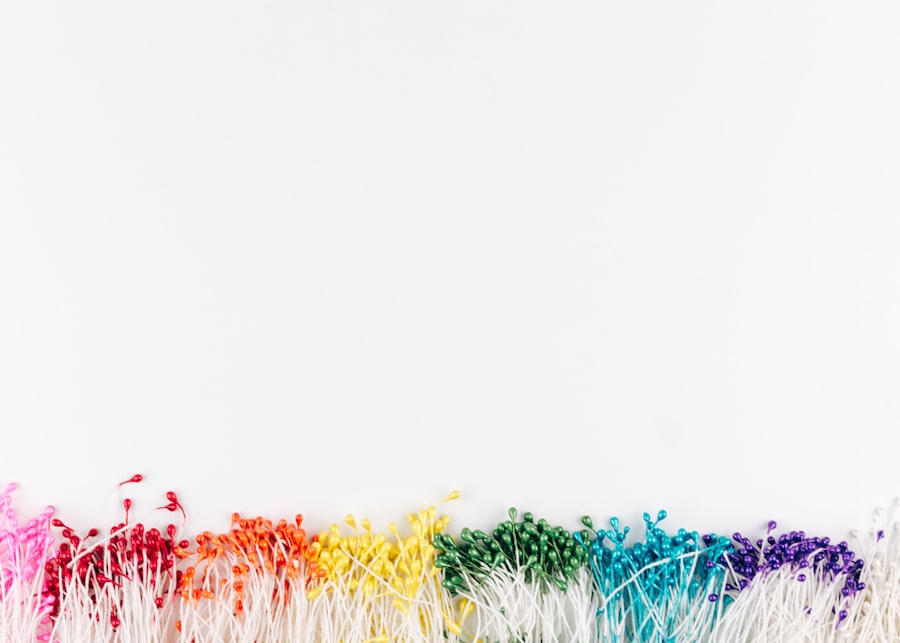
Brilliant Colors: Artecho premium soft pastel includes 48 unique colors, 1 extra black and 1 extra white. High-quality pigments and includes 4 fluorescent colors which can show fantastic luminous effects under UV light or black light

Versatile and Safe Artistry: HA SHI's soft pastels are a perfect match for both adult beginners and seasoned professionals. Their extended length makes them ideal for bold touches and larger compositions, ensuring every stroke is a statement.

🌈 48 Rich & Vibrant Colors – A diverse range of colors ideal for artistic expression.
Pastels: Color in Solid Form
Pastels are coloring sticks made of pure powdered pigment bound with a minimal amount of binder. They are applied by rubbing them onto a surface, allowing for direct color application and seamless blending.
Types of Pastels
- Soft Pastels: Have a higher pigment-to-binder ratio, making them powdery and easy to blend. They offer vibrant colors but are fragile and require fixatives.
- Hard Pastels: Contain more binder, resulting in a firmer stick that holds a sharper edge. They are good for drawing lines and details and are less prone to smudging.
- Oil Pastels: Pigment mixed with a non-drying oil and wax binder. They are creamy and blendable, producing rich, opaque color. They do not require fixatives and can be applied thickly, similar to paint.
Application and Blending
- Direct Application: Rubbing the pastel directly onto the surface creates bold strokes and solid color areas.
- Blending: Fingers, tortillons (rolled paper stumps), chamois cloths, or brushes can be used to blend pastel colors, creating soft transitions and subtle nuances.
- Layering: Multiple layers of pastel can be applied, with lighter colors often applied over darker ones.
Pencils: Precision and Linearity
Pencils, particularly graphite pencils, are fundamental tools for drawing and sketching. Their versatility lies in the range of hardness and softness of the graphite core, which dictates the darkness and precision of the mark.
Graphite Grades
The hardness of graphite is indicated by a scale, typically ranging from H (hard) to B (black or soft).
- H Pencils (e.g., 2H, 4H): Produce lighter, finer lines. They are good for technical drawing, precise sketching, and underdrawings.
- HB Pencil: A balanced grade, suitable for general writing and sketching.
- B Pencils (e.g., 2B, 6B): Produce darker, softer lines. They are ideal for shading, creating tonal values, and expressive drawing. Higher B numbers result in deeper blacks.
Erasure and Blending
- Erasers: Kneaded erasers can lift graphite gently, allowing for subtle highlights and corrections. Hard vinyl erasers offer more aggressive removal.
- Blending Tools: Tortillons, blending stumps, or even paper towels can be used to smudge graphite, creating smooth tonal transitions.
Inks: Boldness and Fluidity
Inks offer a rich and fluid medium for drawing, calligraphy, and watercolor techniques. Their permanence and distinct visual impact make them a valuable addition to an artist’s toolkit.
Types of Ink
- India Ink: A traditional black ink, typically carbon-based, known for its permanence and deep black hue when dry. It is water-soluble when wet.
- Drawing Inks: Available in a wide spectrum of colors, these inks are often pigment-based and possess good lightfastness. They can be used with dip pens, brushes, or airbrushes.
- Calligraphy Inks: Formulated for use with dip pens, these inks are designed to flow smoothly and create consistent lines.
Application Methods
- Dip Pens: Using metal nibs that hold ink, allowing for precise lines, varying line weights, and controlled strokes.
- Brushes: Inks can be applied with brushes for washes, tonal variations, and gestural marks.
- Airbrush: Inks can be thinned and used in an airbrush for smooth, even coverage and gradient effects.
- Rain Effect: Dropping water onto wet ink can create organic, starburst-like patterns.
The Elements of Form: Paper, Sketchbooks, and Surfaces
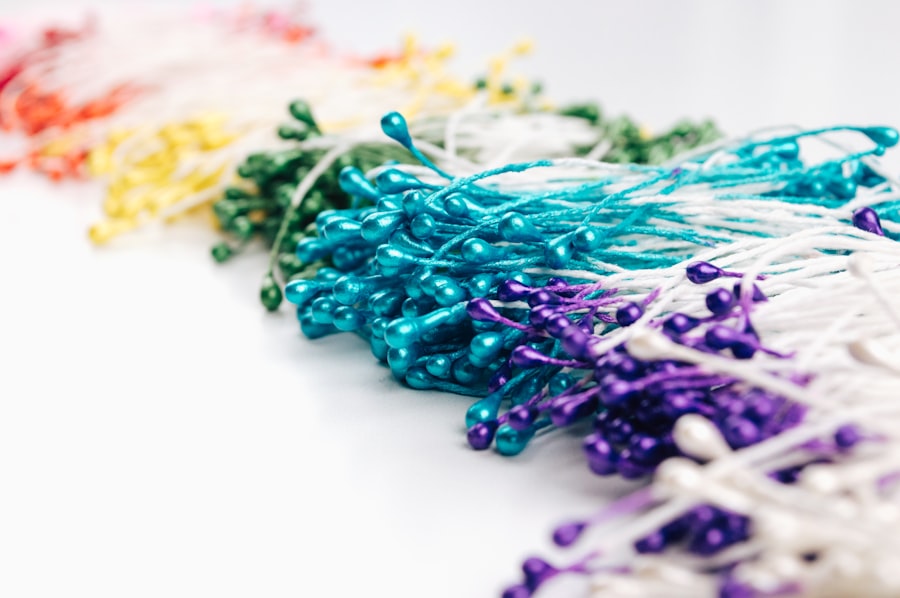
The substratum upon which creative ideas are realized is as vital as the media employed. The selection of paper and other surfaces profoundly influences the execution and final outcome of a piece.
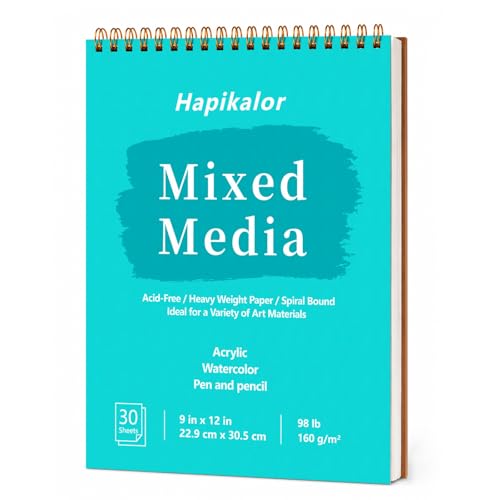
【Convenient Spiral Bound】---Designed as a user-friendly mixed media sketchbook, the ergonomic spiral binding ensures effortless use for both left-handed and right-handed individuals. This paint sketchbook allows the mixed media paper to lay flat when opened for comfortable writing or reading.

High-quality premium bond paper (medium weight 157gsm paper, acid-free)

Sketchbooks: The Artist’s Notebook
Sketchbooks serve as crucial repositories for exploration, experimentation, and idea generation. They are the initial testing grounds where concepts are visualized and refined.
Paper Types in Sketchbooks
The paper within a sketchbook is often optimized for dry media, but variations exist.
- All-Media Paper: A common type, designed to accommodate a range of media, including pencil, charcoal, pen, and light washes of watercolor or gouache.
- Drawing Paper: Typically smoother and lighter weight, ideal for graphite and charcoal.
- Watercolor Sketchbooks: Feature heavier, cold-press watercolor paper, allowing for more robust wet media use without significant buckling.
Binding Styles
The way a sketchbook is bound affects its usability.
- Spiral/Wire-O Bound: Lays flat, allowing for easy access to the entire page. However, the wire can sometimes interfere with drawing at the spine.
- Stitched/Perfect Bound: Offers a more traditional book-like feel. Pages may not lie perfectly flat, especially when new, but they can be pressed open.
- Coptic Bound: Allows the sketchbook to lie completely flat, offering excellent usability across the entire spread.
Specialty Papers: Beyond the Standard
Beyond sketchbooks and basic drawing papers, a vast array of specialty papers cater to specific artistic needs and techniques.
Archival Papers
- Acid-Free Papers: Made without acidic content, these papers resist yellowing and deterioration over time, ensuring the longevity of artwork. This is crucial for professional pieces intended for exhibition or sale.
- Rag Papers: Made from cotton fibers, these papers are naturally acid-free and offer exceptional durability and a luxurious feel. They are often used for fine art prints and high-quality watercolors.
Textured Papers
- Watercolor Papers (various textures): As discussed previously, cold-pressed, hot-pressed, and rough textures offer distinct surface qualities for specific painting effects.
- Pastel Papers: Often have a velour or sanded surface that provides a textured grip for pastel pigments, allowing for greater adhesion and vibrant color.
Digital Surfaces: The Electronic Canvas
In contemporary art, digital surfaces have become indispensable. These are not physical materials but rather the screens and interfaces of digital devices used with specialized software.
- Monitors and Tablets: High-resolution displays offer a platform for digital painting and drawing.
- Stylus and Pressure Sensitivity: Digital styluses mimic traditional drawing tools, with pressure sensitivity allowing for variations in line weight and opacity, akin to physical media.
- Software: Digital art software provides a vast array of “brushes,” “paints,” and “textures” that can be manipulated with infinite variability.
If you’re looking for inspiration on how to use various art and craft supplies, you might find this article on creating an adorable air-dry clay cat with a fish particularly helpful. It offers step-by-step instructions that can enhance your crafting skills while utilizing materials you may already have at home. For more details, check out the article here.
The Finishing Touches: Adhesives, Mediums, and Protection
| Supply Type | Average Price | Units Sold (Monthly) | Customer Rating (out of 5) | Popular Brands |
|---|---|---|---|---|
| Colored Pencils | 12.50 | 1500 | 4.5 | Prismacolor, Faber-Castell |
| Acrylic Paints (Set of 12) | 18.00 | 1200 | 4.7 | Liquitex, Winsor & Newton |
| Watercolor Paper (Pack of 20) | 15.00 | 800 | 4.3 | Strathmore, Canson |
| Glue Sticks (Pack of 6) | 6.00 | 2000 | 4.1 | Elmer’s, UHU |
| Craft Scissors | 7.50 | 1100 | 4.4 | Fiskars, Westcott |
| Modeling Clay (Pack of 10) | 10.00 | 900 | 4.6 | Crayola, Sculpey |
The creative process doesn’t always end with the application of color or line. A range of ancillary supplies facilitates assembly, enhances media properties, and safeguards the finished work.
Adhesives: Binding and Assembling
Adhesives are essential for collage, mixed media, and mounting artwork. Their selection depends on the materials being joined and the desired permanence.
Types of Adhesives
- PVA Glue (Polyvinyl Acetate): A common white craft glue that dries clear. It is water-soluble when wet and suitable for paper, cardboard, and some lightweight fabrics. Archival quality PVA glues are available for conservation purposes.
- Spray Adhesives: Offer quick, even coverage for large areas. They are available in different strengths, from temporary repositionable adhesives to permanent bonds. Proper ventilation is crucial when using spray adhesives.
- Glue Sticks: Convenient for smaller paper-based applications, offering a clean and precise application.
- Double-Sided Tape: Provides an instant, strong bond without drying time. It is ideal for mounting photographs or paper elements.
- Resin Adhesives: Used in jewelry making and mixed media for strong, permanent bonds, often with a glossy finish.
Mediums: Modifying Paint Properties
Mediums are additives that can alter the characteristics of paints, expanding their versatility and enabling unique effects.
For Watercolor
- Masking Fluid: A liquid latex that, when applied to paper, creates a temporary barrier that watercolor paint cannot penetrate. Once dry, it can be rubbed off to reveal the unpainted paper beneath, ideal for preserving highlights.
- Gum Arabic: Can be added to watercolors to increase their gloss, transparency, and flow.
- Watercolor Mediums: These are proprietary formulations designed to alter flow, transparency, or drying time.
For Acrylics
- Gel Mediums: As previously mentioned, these increase body, transparency, and can be matte or gloss.
- Fluid Mediums: Thin the paint without compromising the binder, allowing for smoother application and extended blending.
- Texture Pastes: Add body and texture, enabling the creation of impasto effects.
For Oils
- Drying Oils (Linseed, Walnut, Poppy): These increase the fluidity and gloss of oil paints.
- Solvents (Turpentine, Odorless Mineral Spirits): Used to thin paint and clean brushes.
- Alkyd Mediums: Speed up drying time and enhance gloss.
Protective Coatings: Varnishes and Fixatives
Varnishes and fixatives are applied to finished artworks to protect them from environmental damage and to enhance their appearance.
Varnishes
- Types of Varnish: Available in gloss, satin, or matte finishes, varnishes provide a protective layer against dust, UV light, and abrasion. They are typically applied to oil and acrylic paintings.
- Removable Varnishes: Some varnishes are formulated to be removable, allowing for conservation cleaning in the future without damaging the underlying paint.
Fixatives
- For Pastels and Charcoal: Fixatives are sprayed onto pastel and charcoal drawings to prevent smudging and dust fallout. They can be permanent or reworkable. It is important to note that fixatives can subtly alter the color and texture of the drawing, so testing is recommended.
- For Pencils: While not strictly necessary for graphite, fixatives can be used to prevent smudging on detailed graphite drawings.