
Understanding the World of Craft Clay
As a crafter, you understand the transformative power of clay. It’s a medium that offers endless possibilities, from simple decorative pieces to intricate jewelry and functional pottery. However, stepping into the clay aisle or browsing online can be overwhelming. The sheer variety of clays available, each with its unique characteristics and best uses, can make choosing the right one a daunting task. This guide is designed to demystify the world of craft clay, helping you navigate the options and select the perfect medium for your next project. We’ll delve into the most common types of clay, explore their properties, and offer insights to help you make informed decisions, ensuring your creative vision comes to life exactly as you imagine it.
Why Clay Choice Matters
The clay you choose fundamentally impacts every aspect of your project. It dictates the level of detail you can achieve, the durability of the finished piece, the tools you’ll need, and even the safety precautions you should take. Imagine trying to create delicate, intricate jewelry with a coarse, heavy clay meant for large sculptures; the results would be frustrating and disappointing. Conversely, using a soft, pliable clay for a functional mug intended for daily use would likely lead to breakage and dissatisfaction. Your choice of clay is not merely a preference; it’s a critical decision that lays the foundation for a successful and enjoyable crafting experience. Understanding these nuances from the outset saves you time, effort, and materials, allowing you to focus on the joy of creation.
Essential Considerations Before You Begin
Before you even touch a block of clay, it’s crucial to consider a few key aspects of your project. What is your skill level? Are you a seasoned pro or just starting out? What kind of item do you intend to create – a piece of jewelry, a sculpture, a functional dish, or something else entirely? What aesthetic are you aiming for, and how durable does the final product need to be? Your answers to these questions will significantly narrow down your options and guide you toward the most suitable clay. Think about the scale of your project, the tools you have available, and whether you have access to a kiln or if you prefer a clay that cures at room temperature or in a conventional oven. These initial considerations are your roadmap to a successful clay crafting journey.
Exploring the Major Types of Craft Clay

The world of craft clay can be broadly categorized into a few main types, each with its distinct characteristics and applications. Understanding these categories is the first step in making an informed decision for your crafting needs. From clays that air-dry to those requiring a high-temperature kiln, the spectrum is wide and varied. We’ll examine the most popular options, providing you with a clear picture of what each type offers.
Air-Dry Clay: Simplicity and Accessibility
Air-dry clay is an excellent starting point for many crafters, especially beginners and those working with children. As its name suggests, it hardens simply by exposure to air, eliminating the need for baking or firing. This makes it incredibly accessible and convenient, as you don’t require any special equipment like an oven or kiln. Recent guides in 2026 continue to recommend air-dry clay for simple sculptures and kid-friendly projects, highlighting its ease of use and low barrier to entry.
Characteristics of Air-Dry Clay
Air-dry clay is generally soft, easy to manipulate, and comes in various colors, though it often dries to a natural earthy tone. It’s forgiving for beginners, allowing for easy reshaping before it fully hardens. Once dry, it can be painted, varnished, and decorated, offering a wide range of finishing options. However, it’s important to note that air-dry clay is typically not food-safe or waterproof, and it’s generally less durable than baked or fired clays. It can also be more prone to cracking during the drying process if not handled correctly or if pieces are too thick.
Best Uses for Air-Dry Clay
Think decorative sculptures, handprint keepsakes, ornaments, small trinket dishes (for non-food items), and school projects. It’s perfect for crafting sessions with children where safety and ease of cleanup are priorities. You can create charming figurines, intricate patterns on flat surfaces, or even conceptual art pieces that don’t require high durability. Its simplicity makes it ideal for exploring basic sculpting techniques without the added complexity of heat-curing.
Polymer Clay: Versatility and Detail
Polymer clay stands out for its incredible versatility, detail retention, and strength once cured. Unlike traditional earthenware or air-dry clay, polymer clay is an oil-based modeling compound that contains no actual clay minerals. It remains soft and pliable until it’s baked in a conventional home oven at relatively low temperatures. This feature, alongside its ability to hold fine detail, makes it a favorite among jewelry makers, miniaturists, and artists creating small, intricate sculptures. Recent 2026 guides consistently recommend polymer clay for jewelry and detailed small pieces.
Exploring Popular Polymer Clay Brands
The polymer clay market offers several excellent brands, each with slightly different characteristics that cater to various crafting needs. A 2026 polymer-clay buying guide highlights key differences:
- Sculpey III: Often recommended for beginners, Sculpey III is soft, easy to condition, and budget-friendly. It’s a great starting point for those new to polymer clay, though it can be a bit more brittle than other brands after baking.
- Fimo Soft: This brand is celebrated for its ease of use and good flexibility after baking, making it suitable for intricate designs and jewelry. Fimo also offers “Fimo Professional,” which is firmer and holds even finer detail.
- Kato Polyclay: Preferred by more professional crafters, Kato Polyclay is known for its strength, durability, and resistance to breaking after baking. It’s firmer to condition but yields excellent, lasting results.
- Cernit: Cernit is another popular choice, particularly for its translucent varieties and ability to be sanded and buffed to a high shine. It’s known for its porcelain-like finish.
- Pardo: Pardo is highly regarded for its vibrant colors and excellent flexibility, especially after baking. It’s often used for advanced techniques like caning and detailed sculpting.
Key Polymer Clay Characteristics
Regardless of the brand, polymer clay offers several compelling advantages. It doesn’t dry out when exposed to air, giving you ample working time. It comes in a vast array of vibrant colors that can be mixed to create custom hues. Once baked according to the manufacturer’s instructions, it becomes durable, waterproof, and surprisingly strong. You can sand, drill, paint, and varnish baked polymer clay, further expanding its creative potential. However, it’s crucial to use a dedicated oven thermometer to ensure accurate baking temperatures, as under-baking can lead to brittleness, and over-baking can cause scorching or darkening.
Ideal Projects for Polymer Clay
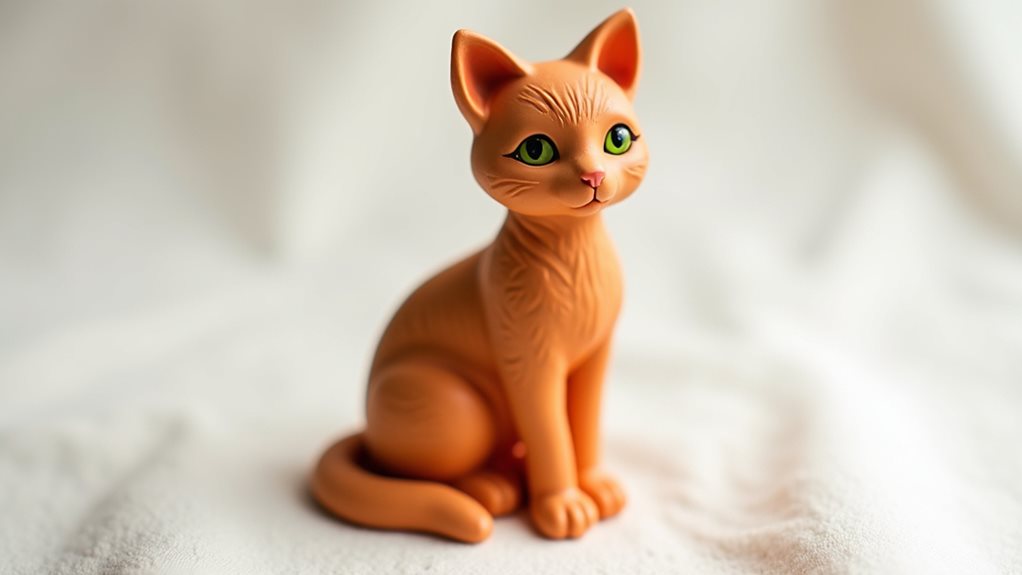
Polymer clay is the go-to for bespoke jewelry, including beads, pendants, and earrings. It excels in creating miniature figurines, dollhouse accessories, detailed sculptures, embellishments for mixed media art, and even decorative elements for home decor. Its ability to retain intricate textures and fine lines makes it perfect for complex designs that demand precision.
Ceramic Clay (Pottery Clay): Tradition and Durability
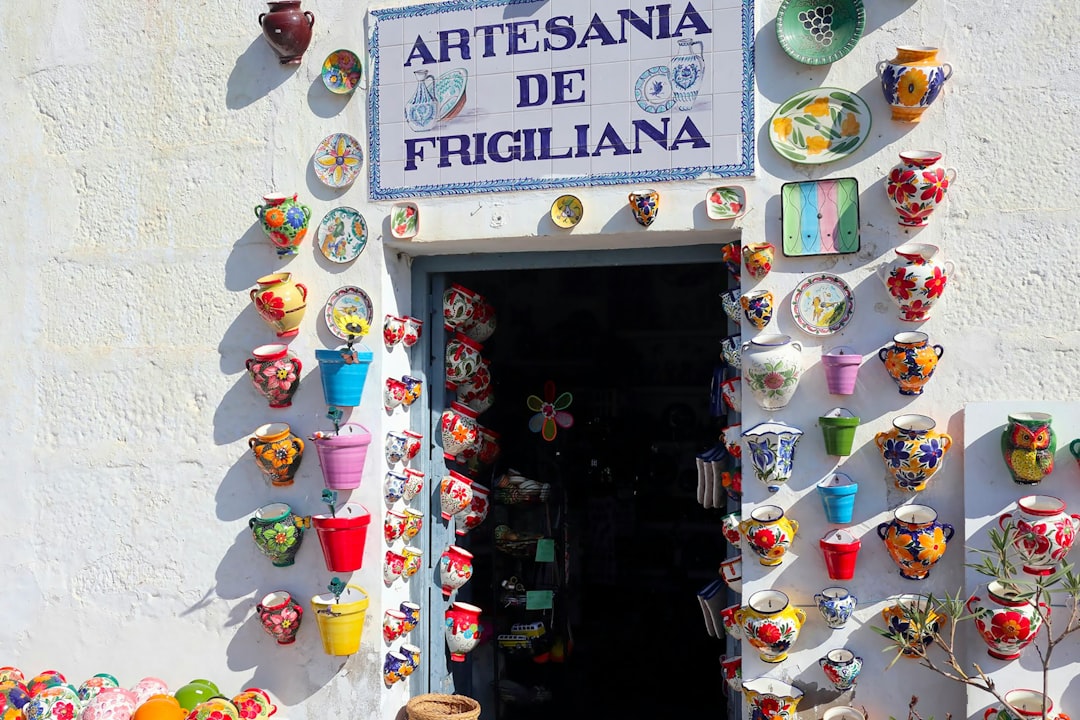
Ceramic clay, often referred to simply as pottery clay, is the traditional choice for creating functional and decorative pottery. This natural, earth-based material requires firing in a high-temperature kiln to achieve its final, vitrified state. The process of working with ceramic clay is deeply rooted in ancient traditions and offers a unique tactile experience. Recent 2026 guides emphasize ceramic clay for pottery and durable, functional work.
Varieties of Ceramic Clay
Ceramic clays are broadly categorized by their firing temperature and composition:
- Earthenware: This is the most common type for beginners. Earthenware clays are low-firing, typically maturing at temperatures between 1,800°F and 2,000°F (980°C and 1,100°C). They remain porous after firing unless glazed, and finished pieces are usually red, brown, or buff in color. Earthenware is excellent for decorative items, planters, and some functional ware when properly glazed.
- Stoneware: Fired at higher temperatures, generally between 2,100°F and 2,370°F (1,150°C and 1,300°C), stoneware clays become vitreous (glass-like) and non-porous when fired. This makes stoneware extremely durable, chip-resistant, and ideal for functional pottery like mugs, bowls, and dinnerware. It’s often grey, brown, or buff after firing.
- Porcelain: The highest firing and most refined ceramic clay, porcelain matures at temperatures above 2,300°F (1,260°C). It fires to a dense, non-porous, and typically white or translucent body. Porcelain is renowned for its strength, delicate appearance, and often challenging workability, making it a favorite for fine art ceramics and delicate tableware.
The Kiln Firing Process
The need for a kiln is the primary distinction of ceramic clay. The firing process transforms the raw, “greenware” clay into a durable ceramic. This typically involves two main firings:
- Bisque Firing: The first firing, usually to a lower temperature, hardens the clay, making it less fragile and porous enough to absorb glaze. The resulting piece is called “bisqueware.”
- Glaze Firing: After bisqueware is glazed, it undergoes a second, higher-temperature firing. This melts the glaze, bonding it to the clay body and creating a non-porous, often glossy, and colorful surface.
Access to a kiln, whether through a community studio, a school, or your own investment, is essential for working with ceramic clay.
Crafting with Ceramic Clay
Working with ceramic clay offers a profound connection to the material. It requires patience and an understanding of its unique properties, including its plasticity, shrinkage during drying and firing, and the effects of gravity. While more involved, the results are highly durable, often food-safe (when properly glazed and fired), and can last for generations. It’s perfect for creating functional pottery, sculptures, tiles, and architectural elements that require strength and permanence.
Niche Clays and Specialized Applications

Beyond the major categories, a variety of niche clays cater to very specific crafting needs. While not as universally popular, these specialized mediums offer unique properties that can be invaluable for particular projects or artistic expressions. Understanding these can open up new avenues for your creative pursuits.
Paper Clay: Lightweight and Strong
Paper clay, also known as paper-infused clay, is a relatively modern innovation. It’s essentially any type of clay (earthenware, stoneware, porcelain) that has cellulose fibers, typically paper pulp, added to its composition. This addition dramatically alters the clay’s working properties and final characteristics.
Benefits of Paper Clay
The paper fibers create an internal armature, making the clay much stronger in its unfired “greenware” state, which reduces breakage during handling and drying. It also dries more evenly and rapidly, with significantly less shrinkage and warping compared to traditional clay. Perhaps its most remarkable feature is its ability to be joined when both pieces are dry, simply by scoring and adding paper clay slip (a liquid mixture of paper clay and water). It’s also much lighter than traditional clay, even after firing.
Ideal Projects for Paper Clay
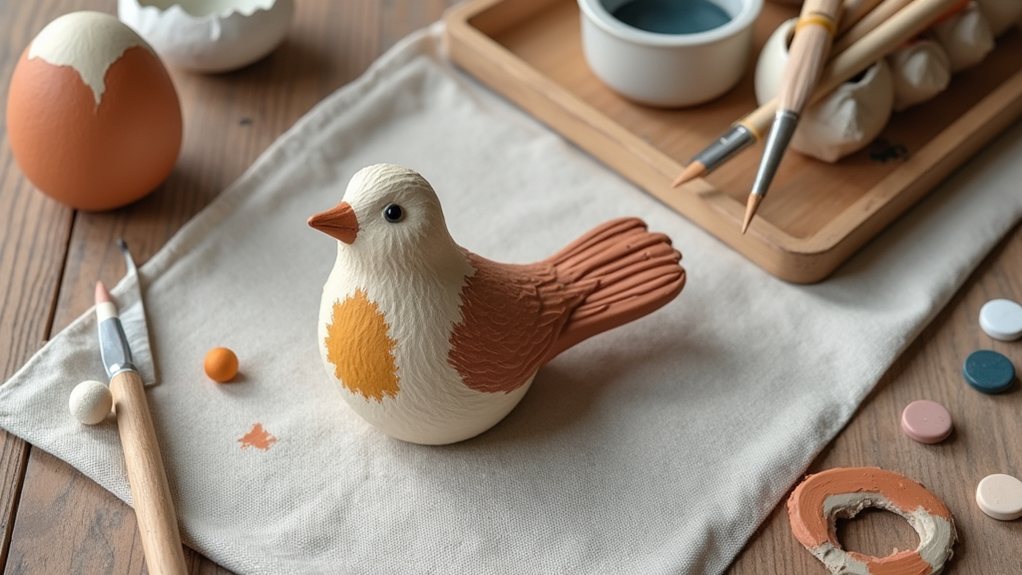
Paper clay is excellent for intricate sculptural work where thin, delicate forms are desired without the high risk of breakage. It’s also favored by artists who want to combine traditional clay techniques with mixed media, as other materials can be embedded into the clay more easily. Its lightweight nature makes it suitable for larger sculptures that need to be easily moved or hung. It can be fired in a kiln like traditional clay, or some air-dry versions are also available for non-fired applications.
Cold Porcelain Clay: No-Bake Finesse
Cold porcelain clay is an air-dry medium known for its incredibly smooth texture, flexibility, and translucent qualities, especially when made very thin. Despite its name, it contains no actual porcelain or clay minerals. It’s typically made from a mixture of cornstarch, white glue, glycerine, and sometimes a preservative or oil.
Advantages of Cold Porcelain
This clay offers an extremely fine finish and can be rolled out to incredible thinness without tearing, making it perfect for creating realistic flowers, delicate figurines, and tiny details. It dries to a very hard, somewhat flexible, and durable finish without cracking. Unlike polymer clay, it requires no baking, and unlike traditional air-dry clay, it typically doesn’t shrink or warp significantly. It accepts paint beautifully and can be varnished for added protection and sheen.
Applications for Cold Porcelain
Crafters use cold porcelain for hyper-realistic floral arrangements (often called “cold porcelain flowers”), intricate jewelry components, miniature food items, doll faces and bodies, and highly detailed sculptures. Its ability to capture minute textures and its smooth, non-gritty feel make it a favorite for projects demanding a high level of finesse and a porcelain-like appearance without the need for a kiln.
Finishing Touches and Project Considerations
Your journey with clay doesn’t end when your piece is formed. The finishing stages are just as crucial, allowing you to add color, protection, and your unique artistic signature. Whether it’s painting, glazing, or varnishing, the right finishing technique can elevate your creation from good to spectacular. Beyond the aesthetics, practical considerations like safety and proper tool usage are paramount for a successful and enjoyable crafting experience.
Painting and Glazing Techniques
The surface treatment you choose largely depends on the type of clay you’ve used and the desired outcome.
Painting Baked or Dried Clay
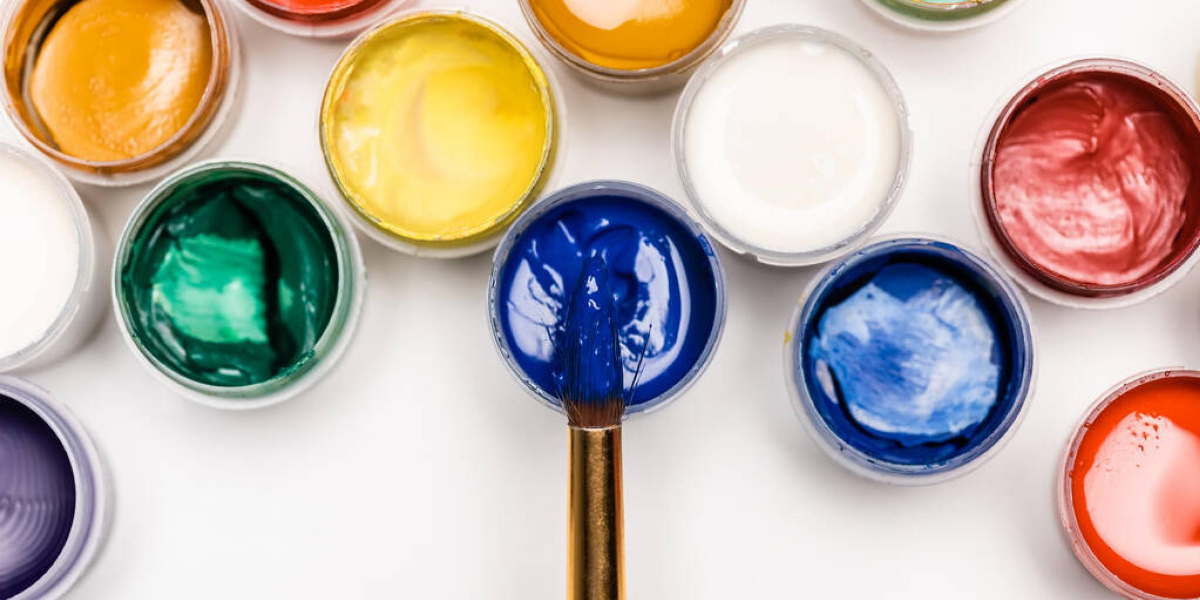
For air-dry clay and baked polymer clay, painting is typically done after the piece has fully hardened. Acrylic paints are a popular choice due to their versatility, wide color range, and quick drying time. You can also use oil paints for a richer, more luminous finish, though they require longer drying times. Always ensure your surface is clean and dust-free before painting. For a professional look, consider applying a primer first, especially on darker clays. Once painted, a sealant or varnish is often applied to protect the paint and add a desired sheen (matte, satin, or gloss). This also helps to protect air-dry clay from moisture, though it won’t make it waterproof.
Glazing Ceramic Clay
Ceramic clay utilizes specialized glazes that contain glass-forming minerals. These glazes are applied to bisqueware and then fired in a kiln to specific temperatures. The heat melts the glaze, creating a vitreous layer that can be decorative, functional (making pieces food-safe and waterproof), or both. Glazes come in an astonishing array of colors, textures (matte, glossy, crystalline), and opacities. Applying glaze requires practice, as its appearance before firing often differs dramatically from its final look. Understanding glaze chemistry and firing schedules is essential for predictable and successful results in pottery.
Varnishes and Sealants for Protection
Regardless of the clay type, applying a varnish or sealant is often the final, critical step.
- For Air-Dry Clay and Polymer Clay: Sealants protect the painted surface from wear, dirt, and moisture. They also help to unify the finish and enhance the colors. Polymer clay-specific varnishes are available that cure to a flexible, durable finish without becoming tacky over time. Always ensure the sealant is compatible with your paint and clay type. For instance, some spray sealants can react negatively with certain polymer clay brands, causing stickiness.
- For Cold Porcelain: A clear sealant or varnish is crucial to protect the delicate surface and prevent any moisture absorption, which could soften the clay over time. It also adds a layer of durability and can enhance the translucent qualities.
Safety First: Best Practices
Working with clay, while generally safe, does involve certain precautions.
- Ventilation: When working with polymer clay, especially during baking, ensure good ventilation in your workspace. Some individuals are sensitive to the fumes. For ceramic clay, dust from dry clay or glazes can be a respiratory hazard, so always work in a well-ventilated area and consider wearing a mask, especially when sanding or mixing dry materials.
- Food Safety: Not all clays are food-safe. Air-dry clay and most polymer clays are not recommended for items that will come into direct contact with food or liquids, even when sealed. If you’re creating functional dinnerware, ceramic clay with food-safe glazes is the only appropriate choice. Always check product specifications.
- Dedicated Tools: Consider having separate tools for crafting, especially if you’re using polymer clay near food preparation areas. Polymer clay is plastic-based and can leach plasticizers onto surfaces.
- Cleanliness: Wash your hands thoroughly after working with any clay, and keep your workspace clean to avoid cross-contamination of colors or materials.
The Crafter’s Toolkit: Essential Tools and Accessories
| Clay Type | Texture | Drying Time | Durability | Best For | Paintable | Reusability |
|---|---|---|---|---|---|---|
| Air-Dry Clay | Soft, smooth | 12-24 hours | Moderate | Small sculptures, ornaments | Yes | No |
| Polymer Clay | Firm, pliable | Bakes in oven (15-30 mins) | High | Jewelry, detailed models | Yes | No |
| Oil-Based Clay | Soft, oily | Does not dry | Reusable | Prototyping, animation | No | Yes |
| Natural Clay (Ceramic) | Wet, malleable | Varies (hours to days) | Very High (after firing) | Pottery, functional ware | Yes (after firing) | No |
| Paper Clay | Light, porous | 12-24 hours | Moderate | Fine details, lightweight projects | Yes | No |
No matter which type of clay you choose, having the right tools can significantly enhance your crafting experience and the quality of your finished pieces. While you can start with minimal supplies, investing in a few key items will open up a world of possibilities and make your work much easier and more enjoyable.
Basic Clay Shaping Tools
These are the fundamental implements for manipulating clay.
- Rolling Pin/Acrylic Roller: Essential for flattening clay evenly, whether for sheets, coils, or bases. An acrylic roller is often preferred for polymer clay as it prevents sticking.
- Cutting Tools: A craft knife (like an X-Acto knife), a tissue blade (for polymer clay), or even a simple plastic knife are indispensable for cutting shapes, trimming edges, and creating clean lines.
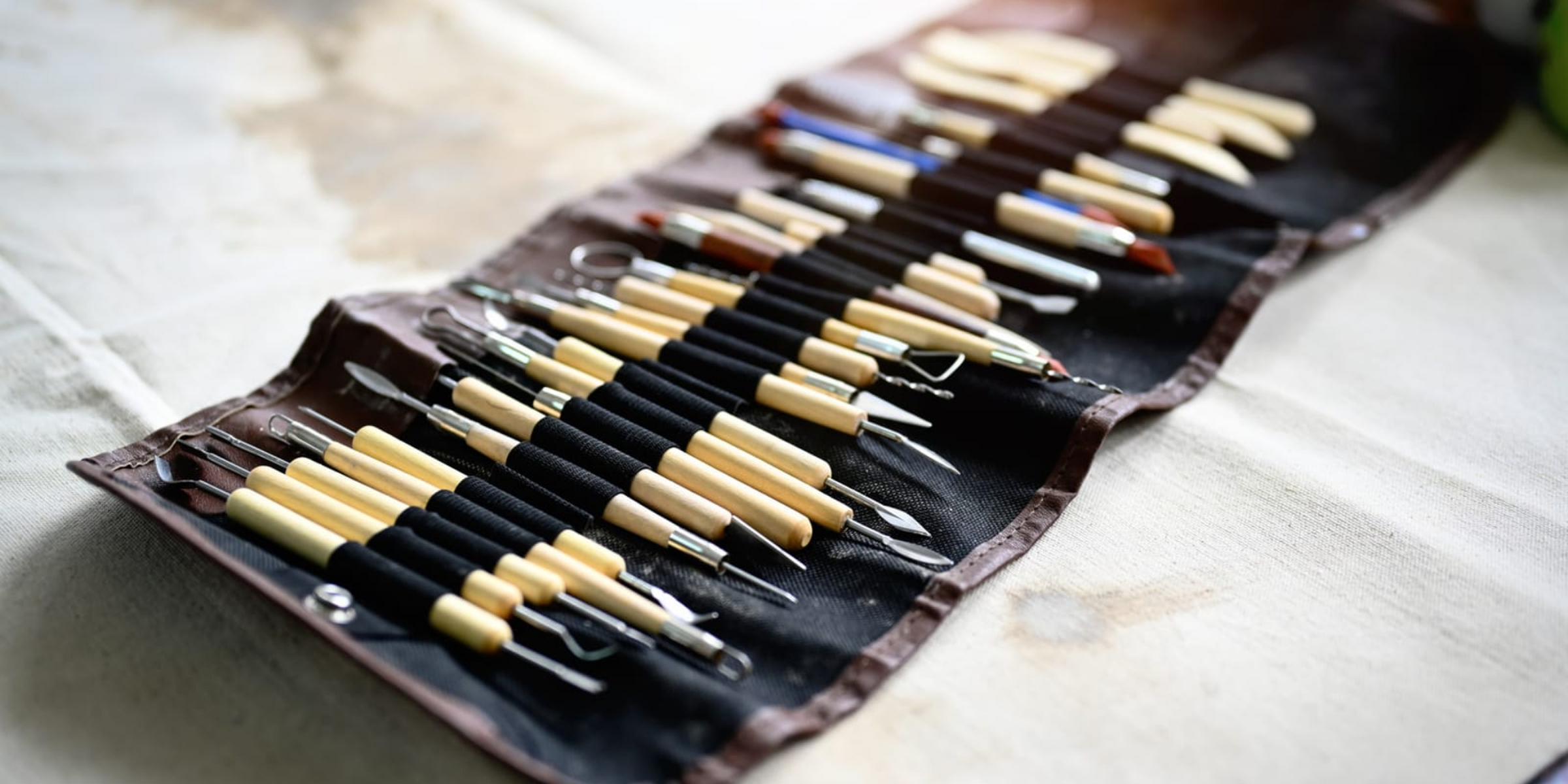
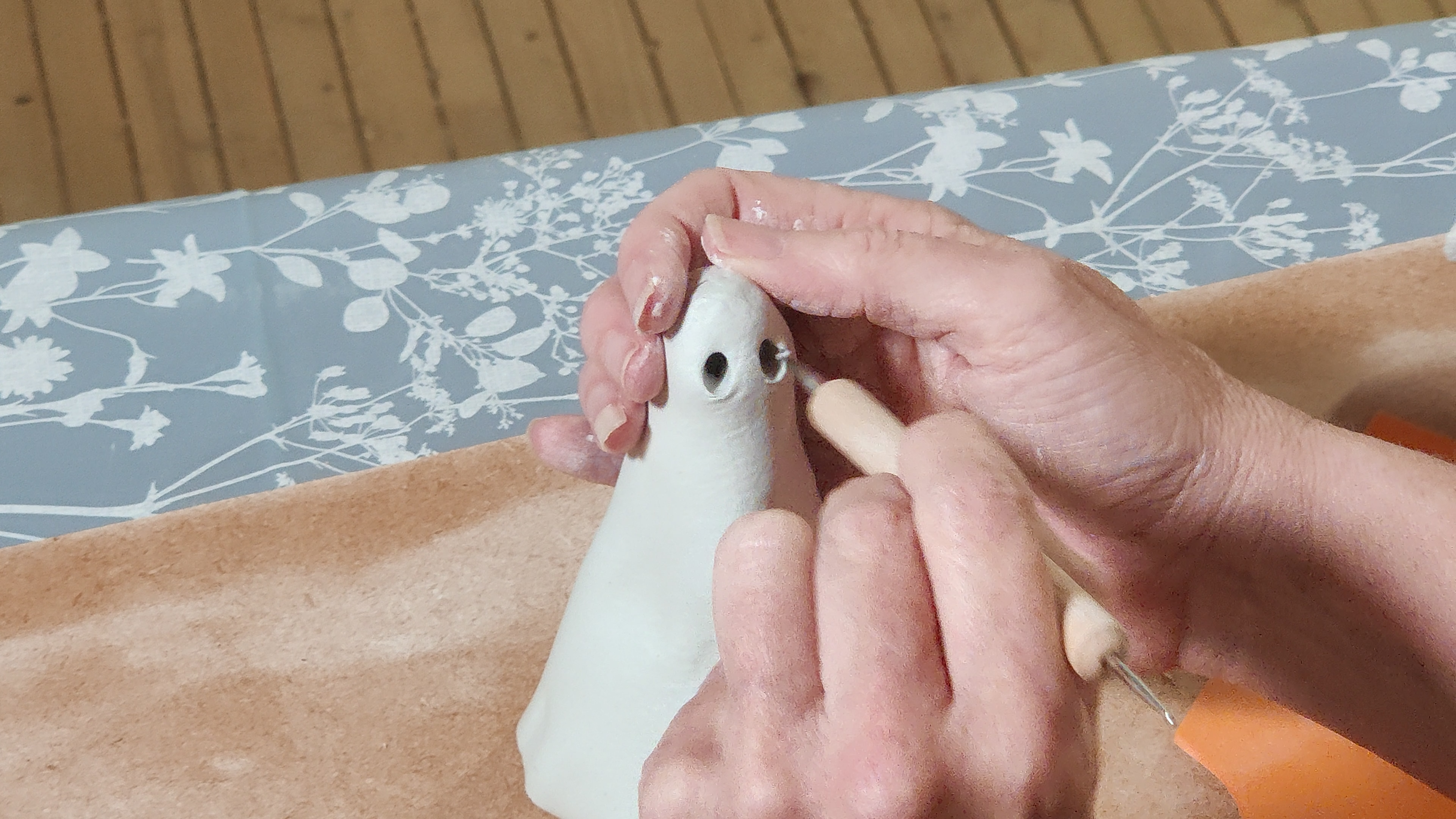
- Sculpting Tools: These come in various shapes and sizes, often with different ends for cutting, smoothing, piercing, and adding texture. Wooden, metal, or plastic tools are common. A needle tool is particularly useful for delicate work and scoring.
- Wire/Fishing Line Cutter: For ceramic clay, a wire tool is used to cut off sections from a larger block of clay or to remove a finished piece from the potter’s wheel.
Texturing and Detailing Tools
Adding texture and detail can transform a simple piece into a work of art.
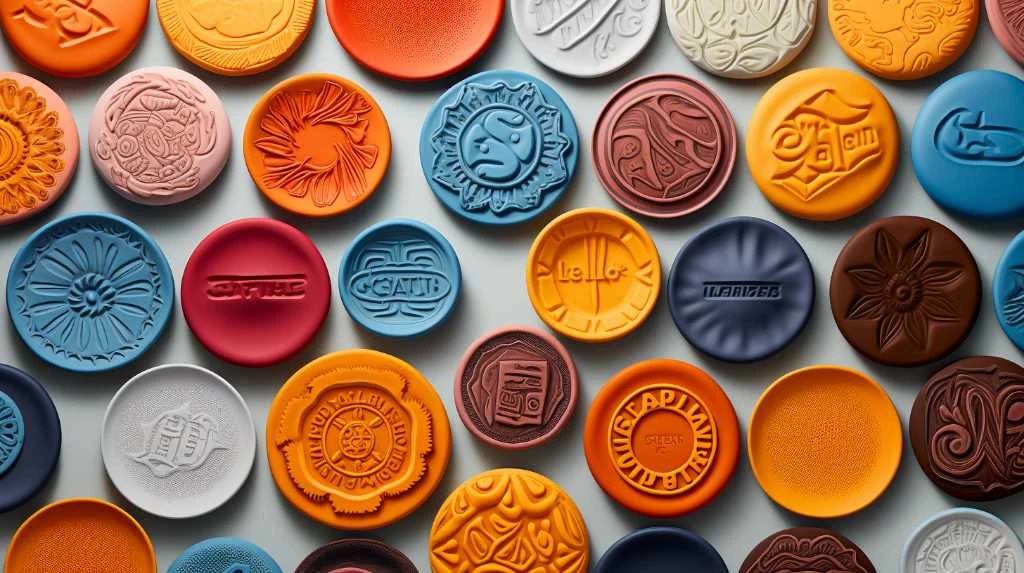
- Rubber Stamps and Texture Sheets: Great for impressing patterns onto clay surfaces.
- Molds: Silicone molds are popular for creating consistent shapes and intricate designs quickly.
- Ball Stylus Tools: These tools with varying size metal balls on the ends are perfect for creating indentations, smoothing curves, and shaping small details.
- Dotting Tools: Similar to ball styluses, these are excellent for creating uniform dots or small circular indentations.
- Brushes: Soft brushes are useful for smoothing surfaces with water (for ceramic clay) or for applying paint and sealants. Stiffer brushes can be used for creating textural effects.
Work Surface and Storage
A suitable work surface and proper storage are crucial for convenience and material longevity.
- Non-Stick Mat: For polymer clay, a dedicated baking mat or a smooth, non-porous surface like ceramic tile or glass is ideal. This prevents the clay from sticking and protects your work area.
- Parchment Paper/Wax Paper: Useful for preventing clay from sticking to surfaces and for easy transfer of delicate pieces.
- Plastic Wrap/Airtight Containers: Essential for storing air-dry clay and ceramic clay to prevent them from drying out. Polymer clay also benefits from airtight storage to prevent dust and lint accumulation.
- Dedicated Workspace: Having a clean, organized space, even a small corner, that is specifically for your clay crafting helps keep materials sorted and prevents cross-contamination.
Baking and Curing Equipment (for specific clays)
- Oven Thermometer: Absolutely vital for baking polymer clay. Home ovens can vary significantly in temperature, and an accurate thermometer ensures your clay bakes correctly, preventing under-curing (brittleness) or over-curing (burning).
- Kiln: For ceramic clay, a kiln is indispensable. This is a significant investment or requires access through a studio or community center.
- Heat Gun: For very small polymer clay pieces or for specific techniques like applying certain glazes, a heat gun can be used as an alternative to an oven for curing.
Staying Current in the Craft Clay Community
The world of crafting, including clay arts, is constantly evolving with new materials, techniques, and inspirational ideas. Staying connected with the wider crafting community and being aware of industry updates can significantly enrich your creative journey. While there aren’t frequent dramatic “news flashes” specifically about clay types, the broader crafting landscape and related tech innovations do offer valuable insights.
Leveraging Digital Platforms for Inspiration and Learning
The internet is an incredible resource for crafters, offering endless tutorials, communities, and product information.
- Online Forums and Social Media Groups: Platforms like Facebook groups, Reddit communities, and specialized craft forums are excellent places to connect with fellow crafters, ask questions, share your work, and discover new techniques. Many groups are dedicated to specific clay types, offering tailored advice and inspiration.
- YouTube and Skillshare: Video tutorials are invaluable for visual learners. You can find step-by-step guides for everything from basic sculpting to advanced polymer clay canes or pottery wheel throwing techniques.
- Blogs and Websites: Many crafters and clay artists maintain blogs or websites filled with tips, project ideas, and product reviews. These are great for staying informed about new materials or innovative ways to use existing ones.
- Clay.com and Similar Tools: While Clay.com is primarily a B2B sales and data enrichment platform, its continuous updates highlight a broader trend in leveraging data and technology. Imagine a future where AI-powered tools could suggest clay types based on your project description or even optimize firing schedules. While not directly for crafters yet, the general pace of technological advancement suggests that such integrations might become more common in the wider creative sphere. The recent updates to Clay.com, such as flexible AI token budgets and advanced model options, demonstrate how even seemingly unrelated tech advancements can foreshadow future possibilities for data-driven insights, even in creative fields.
Attending Workshops and Classes
Nothing beats hands-on learning and direct instruction.
- Local Craft Stores and Studios: Many craft stores offer classes on various clay techniques, from beginner polymer clay jewelry making to introductory pottery courses. Community art studios often have open studio hours where you can access kilns and receive guidance from experienced potters.
- Online Workshops: If local options are limited, many artists and educators offer online workshops, allowing you to learn from experts around the globe from the comfort of your home. These often provide detailed video lessons, printable guides, and opportunities for feedback.
Product News and Material Innovations
While major breakthroughs in clay composition are not an everyday occurrence, manufacturers are continually refining existing products and occasionally introducing new ones.
- Brand Updates: Keep an eye on the websites and social media channels of your favorite clay brands (e.g., Sculpey, Fimo, Kato Polyclay, AMACO, Laguna Clay). They often announce new product lines, updated color palettes, or improvements to existing formulas. The 2026 polymer-clay buying guide, for instance, mentioned specific brand comparisons focusing on baking temperature, flexibility, and durability, indicating ongoing refinements and comparisons within the industry.
- New Tools and Accessories: The market for crafting tools is dynamic. New sculpting tools, texture plates, molds, and finishing products are regularly introduced, offering crafters more options and easier ways to achieve desired effects.
- Sustainability Trends: As environmental awareness grows, there’s an increasing focus on sustainable materials and practices in crafting. Look out for clays made from recycled materials or glazes with lower environmental impact.
By actively engaging with the crafting community and staying informed about product developments, you can continuously expand your skills, discover new inspirations, and ensure your clay crafting journey remains vibrant and exciting. The world of clay is vast and rewarding, and with this guide, you are well-equipped to explore its many facets.
FAQs
What are the main differences between air-dry clay and polymer clay?
Air-dry clay hardens when exposed to air, while polymer clay needs to be baked in an oven to cure. Air-dry clay is more porous and lightweight, while polymer clay is more durable and can be easily molded and shaped.
Which type of clay is better for beginners: air-dry clay or polymer clay?
Air-dry clay is often recommended for beginners as it does not require special equipment or an oven for curing. It is also more forgiving and easier to work with compared to polymer clay, which requires precise baking temperatures and times.
What are the advantages of using epoxy clay for crafting projects?
Epoxy clay is a two-part clay that hardens when the two components are mixed together. It is extremely durable, waterproof, and can be used to create intricate details and designs. Epoxy clay is also versatile and can be used on various surfaces.
Can you paint air-dry clay and polymer clay after they have dried and cured?
Yes, both air-dry clay and polymer clay can be painted after they have dried and cured. Acrylic paints work well on both types of clay, but it is recommended to seal the finished piece with a varnish or sealant to protect the paint.
What is the difference between modeling clay and oven-bake clay?
Modeling clay is typically non-hardening and can be reused multiple times for sculpting and modeling. Oven-bake clay, on the other hand, hardens permanently once cured in the oven, making it suitable for creating lasting sculptures and jewelry pieces.