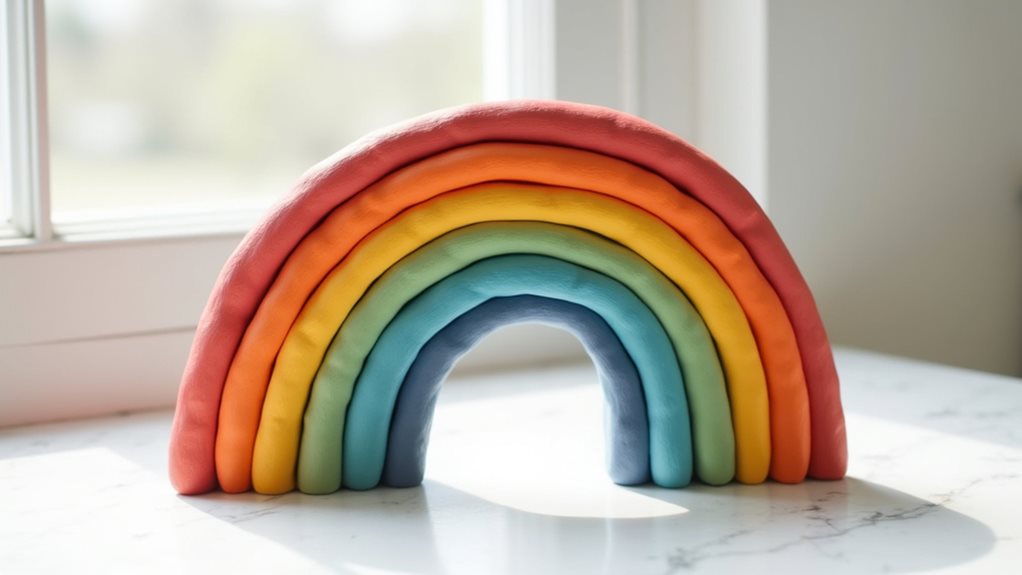
You’re standing at the threshold of creation, a lump of potential in your hands. You envision intricate details, delicate features, and a piece that will capture the imagination. But the first, and perhaps most crucial, decision you’ll make isn’t about the tools you’ll wield, but the very earth from which your sculpture will spring. You’re faced with a fundamental choice: polymer clay or air-dry clay. Both promise transformation, but their natures are vastly different, and one will likely serve your detailed sculpting aspirations far better than the other.
As you embark on your sculptural journey, understanding the nuances of these two popular mediums is paramount. This isn’t about declaring a definitive “winner,” but rather about equipping you with the knowledge to make the best choice for your vision. We’ll delve into the characteristics of each, explore their strengths and weaknesses when it comes to fine detail, and guide you towards the clay that will best translate your mental masterpiece into tangible form.
Before you can sculpt, you must understand your medium. Think of it like a painter choosing between oils and watercolors, or a woodworker selecting oak over pine. The material itself dictates the possibilities, the challenges, and ultimately, the final aesthetic.
The Nature of Polymer Clay: A Sculptor’s Dream Material
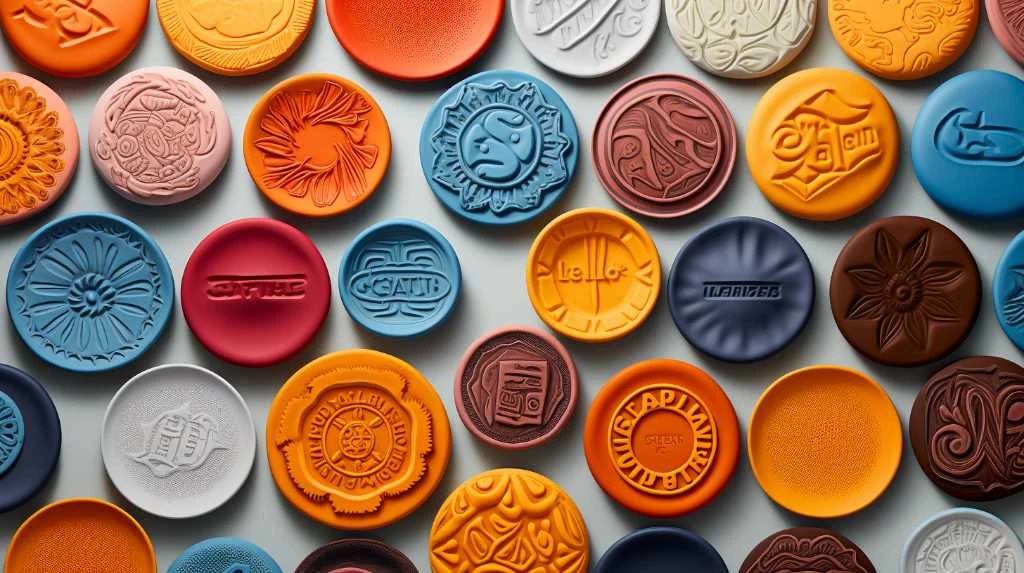
Polymer clay is a synthetic sculpting medium composed of PVC (polyvinyl chloride) polymers, pigments, and a plasticizer. Its magic lies in its plasticity and its unique curing process. Unlike traditional clays that harden through air evaporation or firing in a kiln, polymer clay hardens when exposed to a specific temperature in a conventional oven. This baking process fuses the polymer particles together, creating a durable, permanent piece.
Workability and Malleability: A Sculptor’s Best Friend
One of the most significant advantages of polymer clay for detailed sculpting is its exceptional workability. It remains soft and pliable for as long as you need it, allowing you to manipulate, shape, and refine your piece without rushing.
Staying Pliable Until Baked: The Gift of Time
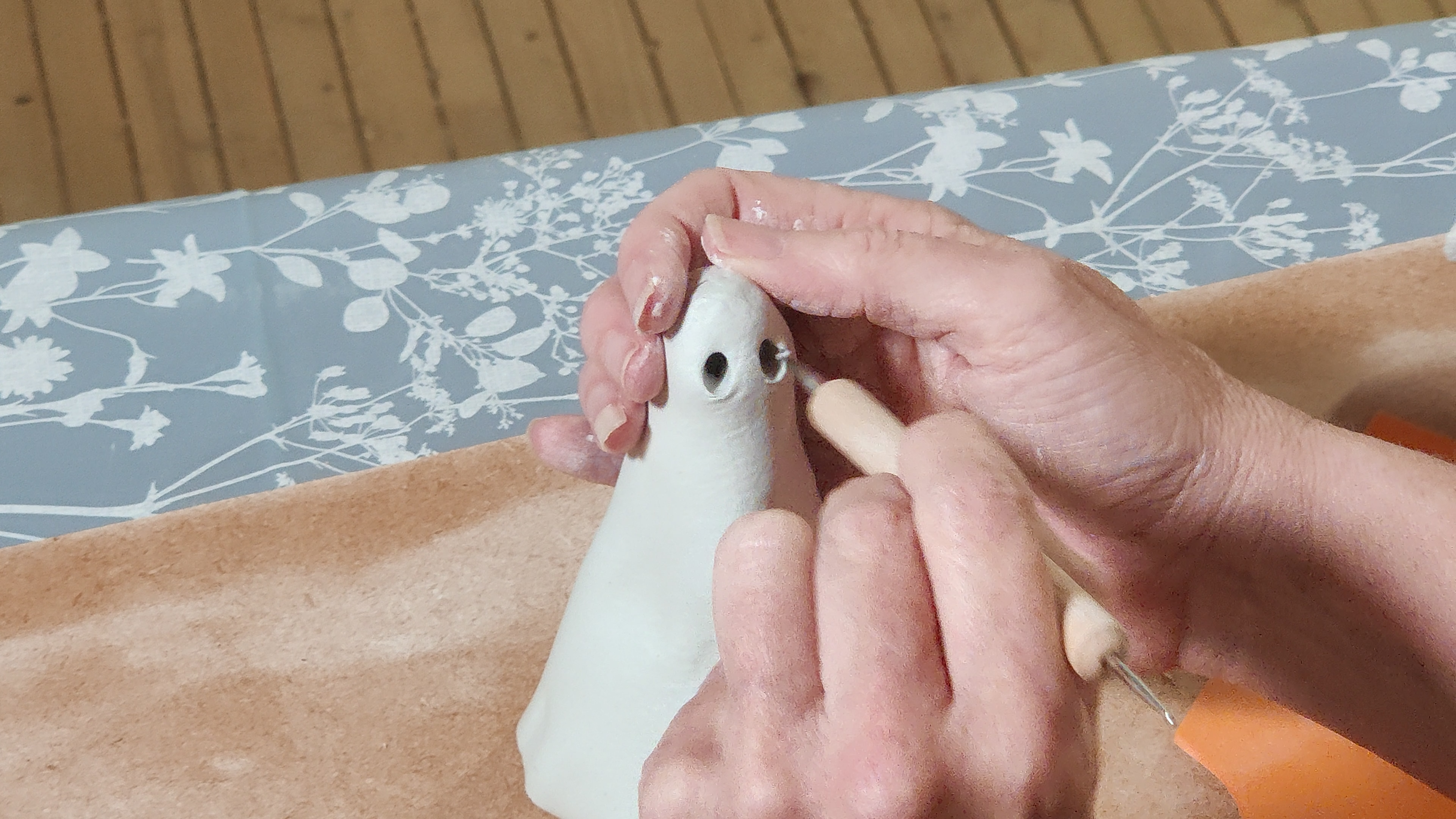
This is a game-changer for detailed work. You can spend hours, even days, on a single delicate feature, a minute texture, or a sharp edge, knowing that the clay won’t dry out and become unmanage
FAQs
What are the different types of clay used for details?
There are various types of clay that are commonly used for adding details to sculptures and other art projects, including polymer clay, air-dry clay, and ceramic clay.
Which clay is better for fine details?
Polymer clay is often preferred for creating fine details due to its smooth and pliable texture, making it easier to sculpt intricate designs and patterns.
Is air-dry clay suitable for detailed work?
While air-dry clay can be used for adding details to projects, it is not as ideal for intricate work as polymer clay. Air-dry clay tends to be more brittle and may not hold fine details as well.
Can ceramic clay be used for adding details?
Ceramic clay is commonly used for sculpting and pottery, but it may not be the best choice for adding intricate details. Ceramic clay is more suitable for larger, structural elements rather than fine details.
What factors should be considered when choosing clay for details?
When selecting clay for detailed work, factors such as the desired level of detail, the type of project, and the artist’s experience with different clays should be taken into consideration. Experimenting with different types of clay can help determine which is best suited for specific detailing needs.