You’re embarking on a creative journey, hands itching to bring your artistic visions to life. But before you dive into the mesmerizing world of clay, a critical decision awaits: Air Dry Clay or Polymer Clay? This choice isn’t just about aesthetics or ease of use; it’s fundamentally about durability, especially when it comes to waterproofing. Understanding the inherent properties and waterproofing options for each will be your compass, guiding you toward the perfect medium for your next masterpiece.
Understanding the Fundamental Difference in Waterproofing
Let’s cut right to the chase: the core waterproofing difference between these two popular clays is monumental. You need to grasp this distinction before you even think about sealing or finishing your piece.
Polymer Clay: Your Inherently Waterproof Ally
Imagine a material that transforms from a pliable substance into a hard, plastic-like solid when you bake it. That’s polymer clay. Once it’s been properly baked and cured according to the manufacturer’s instructions, it is, by its very nature, waterproof. Think of it as a pre-packaged solution for water resistance. You don’t need to apply any special sealants specifically for waterproofing purposes; the baking process does all the heavy lifting. This inherent quality makes polymer clay an incredibly reliable choice for items that will encounter moisture, humidity, or even direct water exposure. You’re essentially starting with a clean slate, knowing your creation is already shielded from the elements.
Air Dry Clay: The Porous Artist Awaiting Protection
Now, consider air dry clay. This medium is fundamentally different. It’s a water-based clay, meaning its malleability and workability rely on its water content. As it dries, this water evaporates, causing the clay to harden. However, this hardening process leaves behind a porous structure. If you expose unsealed air dry clay to water, it will absorb that water. What happens next isn’t pretty: it will soften, distort, and eventually disintegrate. This means air dry clay is not waterproof by nature. It’s akin to a beautiful, intricate sponge waiting to soak up any liquid it encounters. To protect your air dry clay creations, waterproofing isn’t an optional step; it’s an absolute necessity.
Navigating Waterproofing Options for Air Dry Clay
Since polymer clay handles its own waterproofing, your focus for protective measures really shifts to air dry clay. This is where you roll up your sleeves and become a master of sealants. Without a robust and correctly applied sealant, your air dry clay piece is fundamentally vulnerable to moisture, which is a crucial fact to remember.
Acrylic or Polyurethane Varnishes: Your First Line of Defense
For many air dry clay projects, especially those intended for indoor display, acrylic or polyurethane varnishes are your go-to. These come in various finishes – glossy, satin, or matte – allowing you to maintain the desired aesthetic of your piece.
- Application is Key: You cannot simply brush on one thin coat and call it a day. For effective water resistance, you will need multiple, thin, even coats, allowing each layer to dry completely before applying the next. Think of it as building up a protective shell.
- Benefits: These varnishes provide a clear, durable, and water-resistant finish that will prevent casual spills or atmospheric humidity from damaging your clay. They often enhance the color of your painted surfaces as well.
- Limitations: While good for general protection, they are typically not designed for prolonged water immersion or heavy outdoor exposure. They offer water resistance, not absolute waterproofing in the most rigorous sense, meaning if moisture finds its way through microscopic cracks or unsealed areas, the clay beneath is still susceptible. They are, however, a significant step up from untreated air dry clay.
Epoxy Resin: The Ultimate Shield for Air Dry Clay
When you need serious waterproofing for air dry clay, especially for items that might experience more significant water exposure or are intended for functional use where water is present, epoxy resin is your champion.
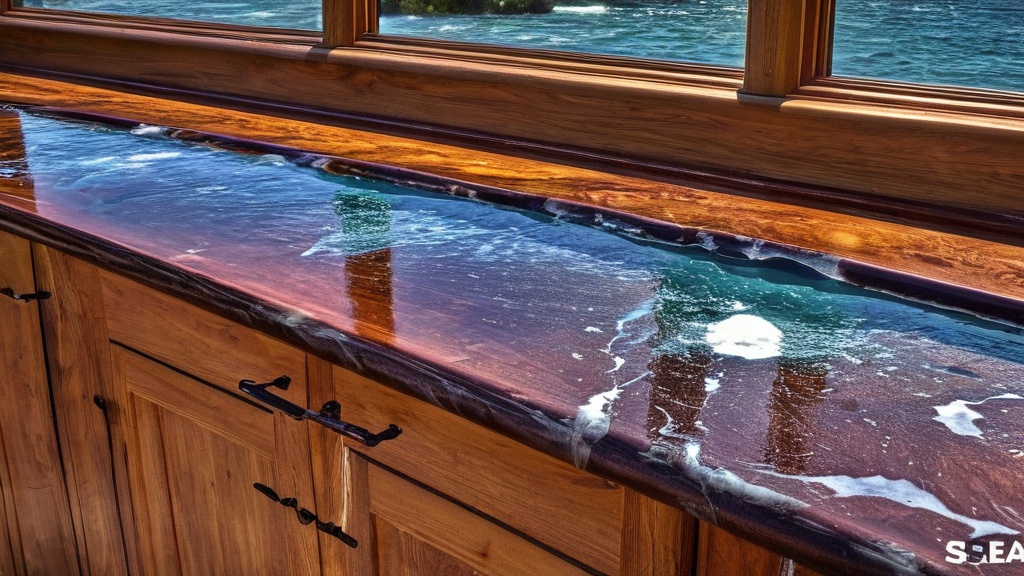
- Unparalleled Durability: Epoxy resin provides the most durable and fully waterproof barrier you can achieve for air dry clay. Once cured, it forms a hard, glass-like layer that completely encapsulates your piece, making it incredibly resilient.
- Ideal for Specific Uses: This is the best choice for items like coasters (where condensation is a given), decorative elements in bathrooms (dealing with high humidity), or even planters (though you’d still want to line them for actual use). For any piece that might encounter outdoor elements, resin offers the best chance of survival, though it’s important to remember that air dry clay itself isn’t truly designed for rigorous outdoor conditions.
- Application Considerations: Working with epoxy resin requires a bit more care. You’ll typically mix two parts (resin and hardener) in precise ratios, and you’ll need to work in a well-ventilated area, often wearing gloves. Bubbles can be an issue, so you’ll need to learn techniques to remove them for a smooth finish. However, the superior protection it offers is often worth the extra effort.
Water-Resistant Polishes and Craft Glazes: Targeted Protection
Beyond general varnishes, specific water-resistant polishes and craft glazes are also available on the market, uniquely formulated for craft materials like air dry clay.
- Designed for Purpose: These glazes are often thicker and specifically engineered to create a barrier that actively repels water. They can be particularly useful for smaller, intricate pieces where you might want a very smooth, durable, and protective layer without the commitment of epoxy resin.
- Read the Labels: Always check the product description to ensure it specifies “water-resistant” or “waterproof” for optimal results. Some craft glazes are more for decorative sheen than robust protection.
- Layering Still Recommended: Similar to varnishes, multiple coats will generally provide superior protection compared to a single application.
DIY Barrier with PVA Glue and Water: Basic, Budget-Friendly Protection
If you’re on a budget or working on a temporary project, a DIY sealant made from PVA glue (white school glue) diluted with a little water can offer basic water resistance.
- Matte Finish: This method typically results in a matte finish, which can be desirable for certain aesthetics.
- Limited Effectiveness: It’s crucial to understand that this is the least effective option on the list. While it will create a somewhat water-resistant barrier for light splashes or humidity, it is by no means fully waterproof. It’s a quick fix for casual protection but will not suffice for items exposed to significant moisture or intended for longevity.
- Best For: Craft projects that are purely decorative and will remain indoors, far from any water sources. It’s a good introductory sealing method but shouldn’t be relied upon for serious waterproofing.
The Critical Caveat for Air Dry Clay Sealing
Here’s an absolutely critical note that you must internalize: Even with the most meticulous sealing, air dry clay may not achieve 100% waterproofing comparable to cured polymer clay. Furthermore, any unsealed spot, no matter how tiny, will act as a vulnerability. Water will find its way in, penetrate the porous clay, and begin to dissolve or degrade it. Think of it like a boat with a tiny leak – eventually, it will take on water. This means you must seal every single surface, every crevice, every edge, with utmost precision. It’s an all-or-nothing endeavor when it comes to protecting air dry clay from water damage.
Best Use Cases Based on Water Exposure
Now that you understand the waterproofing characteristics of each clay, you can make informed decisions about which medium suits your project best, aligning your material choice with the intended environment and function of your creation.
Choosing Polymer Clay: When Water’s in the Picture
For any item that you anticipate will be exposed to water, significant humidity, or outdoor elements, your choice should unequivocally be polymer clay. Its inherent waterproofing capability makes it the superior option for these scenarios.
- Jewelry: Polymer clay is fantastic for earrings, necklaces, and bracelets, as it can withstand sweat, accidental splashes, and even getting caught in the rain without degradation. You wouldn’t want your intricate polymer clay earrings to melt on a humid day!
- Plant Pots (Decorative): While you might still want to line a polymer clay pot for actual planting to provide drainage and protect the pot from soil, the clay itself will not soften or absorb water if decorative elements get wet.
- Figurines for Gardens or Outdoor Decor (with caveats): For items that will face the elements, polymer clay offers a significant advantage over sealed air dry clay. It won’t degrade from moisture. However, remember that prolonged exposure to direct sunlight and extreme temperatures can still affect the longevity of any material, so consider UV-resistant sealants for color protection if your polymer clay piece will be permanently outdoors. But in terms of resisting water, polymer clay is excellent.
- Functional Items: Think of items like small dishes for holding soap in a bathroom, decorative elements around a sink, or anything where moisture will be a regular factor. Polymer clay ensures these items remain intact and functional.
Choosing Air Dry Clay: For Indoor, Decorative, and Carefully Sealed Items
Air dry clay shines in situations where you primarily intend for indoor, decorative display, and where you are prepared to dedicate time to meticulous sealing. If waterproofing is a secondary concern or you enjoy the sealing process, air dry clay can be a beautiful medium.
- Indoor Sculptures and Figurines: For purely decorative pieces that will sit on a shelf, far from any water source, air dry clay is a wonderful, easy-to-use option.
- Wall Art and Hanging Decorations: Since these items typically won’t encounter water, air dry clay is perfectly suitable. A simple varnish can protect them from dust and mild humidity.
- School Projects and Kids’ Crafts: Air dry clay is often preferred for its user-friendliness, lack of baking requirements, and non-toxic nature, making it ideal for educational and casual crafting. A basic PVA glue or acrylic varnish sealing can offer enough protection for their intended lifespan.
- Temporary or Prototype Pieces: If you’re experimenting with shapes or making a prototype before committing to a more durable material, air dry clay is excellent.
- Why Not Weatherproof? It’s vital to reiterate: air dry clay, even when sealed, is generally not truly weatherproof. While epoxy resin offers significant protection, the underlying air dry clay simply doesn’t have the structural integrity or inherent water resistance to withstand harsh outdoor conditions long-term. For truly permanent outdoor weather resistance, your only option is kiln-fired ceramic clay.
Durability and Longevity Post-Waterproofing
Beyond merely preventing water damage, consider how waterproofing strategies impact the overall durability and longevity of your finished pieces. This often involves more than just keeping water out.
Polymer Clay: Added Aesthetics, Not Functional Waterproofing
When you seal or varnish polymer clay, you’re not adding any functional waterproofing benefit. It’s already waterproof. So, why would you seal it?
- Aesthetic Enhancement: Sealants can dramatically change the look of your polymer clay. A glossy varnish can make colors pop and give a professional, polished finish. A matte varnish can reduce shine and give a more organic feel.
- Surface Protection: While polymer clay is durable, a top coat can offer an additional layer of protection against scratches and minor abrasions, helping to preserve the surface of your work, especially for items handled frequently like jewelry.
- Color Preservation: Some sealants offer UV protection, which can help prevent colors from fading over time when exposed to sunlight.
- No Brittleness Impact: Sealing polymer clay does not inherently make it more or less prone to brittleness. Its flexibility and strength are determined by the baking process and the specific brand/type of polymer clay used.
Air Dry Clay: Structural Necessity, but Not a Complete Solution for Brittleness
For air dry clay, sealing is an absolute, mandatory structural step. It’s not just about aesthetics; it’s about the very survival of your piece.
- Preventing Water Damage is Primary: The main goal of sealing air dry clay is to create a barrier that prevents moisture from rehydrating and destroying the clay. Without this, your piece will simply not last if it encounters any water.
- Limited Impact on Brittleness: While sealing provides a protective shell, it does not fully eliminate the inherent brittleness of air dry clay. Air dry clay, by its nature, can be more fragile than polymer clay or kiln-fired ceramics, especially in thinner sections. A sturdy sealant like epoxy resin can add some structural integrity, making the piece feel more solid, but it won’t fundamentally alter the clay’s inherent characteristics. Over time, and with impact, air dry clay pieces can still be prone to chipping or breaking, even with heavy sealing.
- Lifespan Considerations: The lifespan of a sealed air dry clay piece, especially if it’s meant for even mild functional use, will generally be shorter than that of a polymer clay piece. You must be realistic about its limitations, even when meticulously sealed.
Beyond Waterproofing: Other Practical Considerations
Your choice between air dry clay and polymer clay will also be influenced by other practical factors that go hand-in-hand with their waterproofing capabilities.
Ease of Use and Accessibility
- Air Dry Clay: Generally more accessible and user-friendly for beginners. You don’t need a special oven (your home oven is fine for polymer, but still an extra step) or ventilation equipment. It’s often cheaper, and its “set it and forget it” drying process is appealing. However, the subsequent sealing process adds steps.
- Polymer Clay: Requires baking, which can intimidate some newcomers. You need to monitor oven temperature closely and ensure proper ventilation. The upfront cost can be slightly higher per block, but considering its inherent waterproofing, it can save you time and money on sealants later for certain projects.
Surface Finishing and Painting
- Air Dry Clay: Once dry and smooth, it’s an excellent canvas for painting with acrylics, watercolors, or other craft paints. The porous surface readily accepts paint, but it also necessitates sealing after painting to protect both the paint and the clay.
- Polymer Clay: Can be painted with acrylics after baking, but its non-porous surface might require a light sanding or specific paints designed for plastic for best adhesion. You can also mix pigments directly into polymer clay before sculpting, eliminating the need for painting in many cases.
Food Safety (Important Distinction)
Please note that neither air dry clay nor polymer clay is generally considered food safe, even when sealed. While some sealants might be labeled “food-grade,” the underlying clay is still porous or not intended for direct contact with consumables. For functional items like dishes or mugs, kiln-fired ceramics are the appropriate choice.
Making Your Informed Decision
As you stand at this creative crossroads, consider these final thoughts. If your project demands a high degree of water resistance, resilience, and minimal additional protective steps, polymer clay is your steadfast companion. Its pre-programmed waterproofing takes a significant burden off your shoulders, allowing you to focus purely on the artistic execution.
However, if you cherish the natural feel and malleability of air dry clay, or if your project is purely decorative and intended for indoor display, then embrace it. Just remember that with air dry clay comes a sacred duty: the meticulous application of sealants. You must commit to transforming its porous vulnerability into a protected, durable surface. Recognize that even the best sealing might not grant it the same outdoor capabilities as kiln-fired ceramics, nor should it be expected to match the inherent water resistance of baked polymer clay.
Ultimately, your choice is a dialogue between your creative vision, the intended use of your piece, and your willingness to engage with the unique demands of each material. By understanding the profound difference in their waterproofing characteristics and the effective strategies for each, you’re now equipped to choose wisely and bring your artistic ideas to life with confidence and longevity. Happy sculpting!
FAQs
1. What is air dry clay and polymer clay?
Air dry clay is a type of clay that hardens when left to dry in the air, without the need for baking or firing. Polymer clay, on the other hand, is a type of modeling clay that must be cured in an oven to harden.
2. Is air dry clay waterproof?
Air dry clay is not inherently waterproof, but it can be made waterproof by applying a sealant or varnish after it has fully dried and hardened. Without a sealant, air dry clay can absorb water and become soft again.
3. Is polymer clay waterproof?
Polymer clay is not waterproof by nature, but it can be made waterproof by baking it according to the manufacturer’s instructions. Once properly cured, polymer clay can be submerged in water without losing its shape or integrity.
4. What are the differences between air dry clay and polymer clay in terms of waterproofing?
The main difference is that air dry clay requires a sealant to become waterproof, while polymer clay becomes waterproof after it is properly cured in the oven. Additionally, air dry clay may absorb water and become soft if not sealed, while polymer clay will maintain its shape and integrity when submerged in water.
5. Which type of clay is better for waterproof projects?
For projects that need to be waterproof, polymer clay is generally the better choice, as it becomes waterproof after baking and does not require additional sealants. However, air dry clay can also be used for waterproof projects if properly sealed with a waterproof sealant.