You’ve felt the urge, haven’t you? That little whisper of creative inspiration nudging you towards a new hobby. Perhaps you’ve admired the intricate details of handmade jewelry, the charm of small decorative figures, or the satisfying feeling of shaping something with your own hands. If so, you’re likely contemplating diving into the world of clay crafts. But with so many options available, where do you even begin? This guide is designed specifically for you, the burgeoning home crafter, to navigate the diverse landscape of clays and find the perfect medium to bring your artistic visions to life. We’ll cut through the jargon and focus on what truly matters: ease of use, project suitability, and lasting results. Let’s unearth your next creative adventure.
Polymer Clay: The Versatile All-Star for Detailed Creations
When you think of crafting, especially for projects requiring durability and intricate detail, polymer clay consistently emerges as a top contender. It’s the workhorse of the home crafting world for good reason. Its pliable nature allows you to sculpt, mold, and shape it with remarkable ease, making it ideal for a wide range of projects. Whether you’re envisioning delicate earrings, miniature figurines, or even covering everyday objects with a custom touch, polymer clay offers the precision and adaptability you need. The magic, however, truly happens when you bake it. This simple step transforms the pliable material into a hard, permanent piece, giving your creations a professional finish and impressive longevity. This is what sets polymer clay apart for many crafters: the ability to create something beautiful and lasting right in your own kitchen oven.
Why Polymer Clay Excels for Home Crafters
You’ll find that polymer clay is remarkably forgiving, which is a huge advantage when you’re just starting out. Mistakes can often be easily corrected before baking, allowing you to refine your designs without frustration. This characteristic is crucial for building confidence and encouraging experimentation.
Ease of Shaping and Manipulation
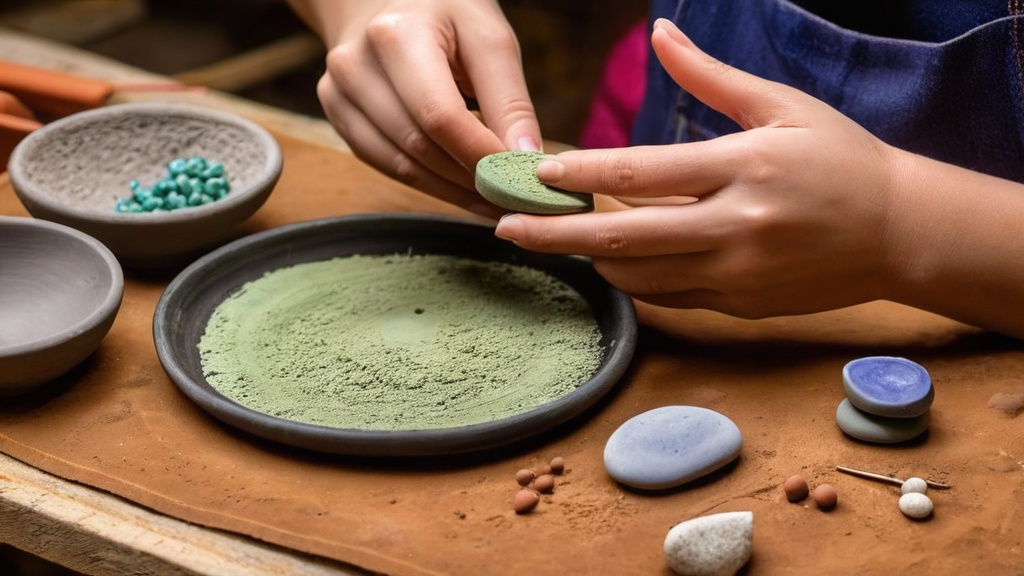
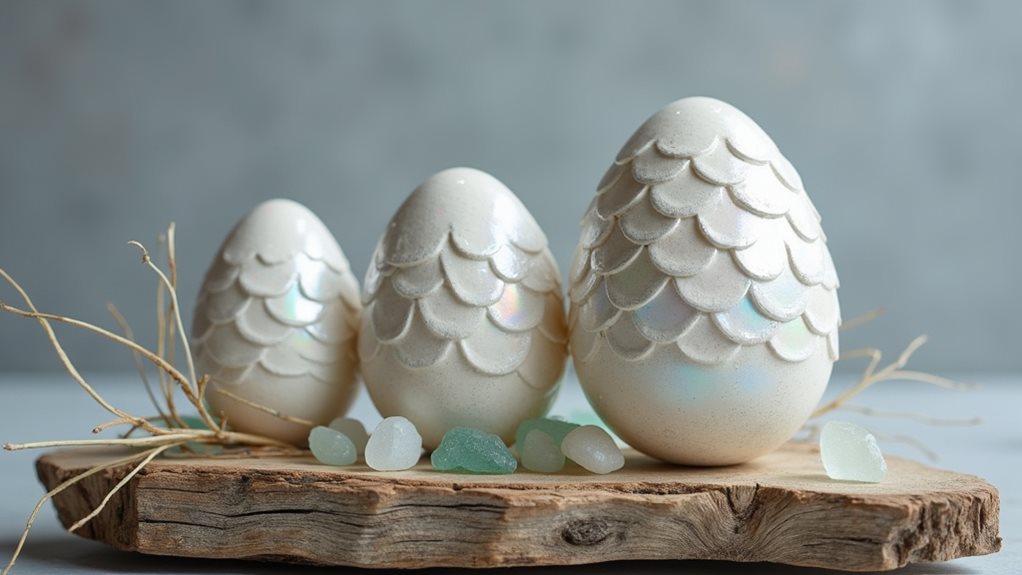
The inherent softness and flexibility of polymer clay make it a dream to work with. You can knead it to soften it, roll it out into thin sheets, cut it into precise shapes, and sculpt minute details with tools or even just your fingertips. This immediate responsiveness to your touch means you spend less time struggling with the material and more time focusing on your artistic expression. Imagine creating tiny flower petals for a pendant or the delicate scales on a miniature dragon – polymer clay makes these intricate tasks achievable.
Durability Through Baking
The oven-baking process is a game-changer. Unlike some other clays that air-dry and remain somewhat fragile, baking polymer clay cures it, making it incredibly strong and resistant to chipping or breaking. This is particularly important for items like jewelry or small decorative pieces that might encounter everyday wear and tear. The peace of mind knowing your creations will last is a significant benefit. You can wear your handmade earrings with confidence, knowing they won’t disintegrate after a few outings.
Popular Polymer Clay Brands and What They Offer
The market for polymer clay is quite robust, with several brands offering distinct qualities that cater to different crafting preferences. Recent updates and ongoing consumer experience highlight specific lines to consider.
Sculpey Brands: A Consistent Favorite
Sculpey is a brand name you’ll hear frequently, and for good reason. They offer a spectrum of polymer clays catering to various needs.
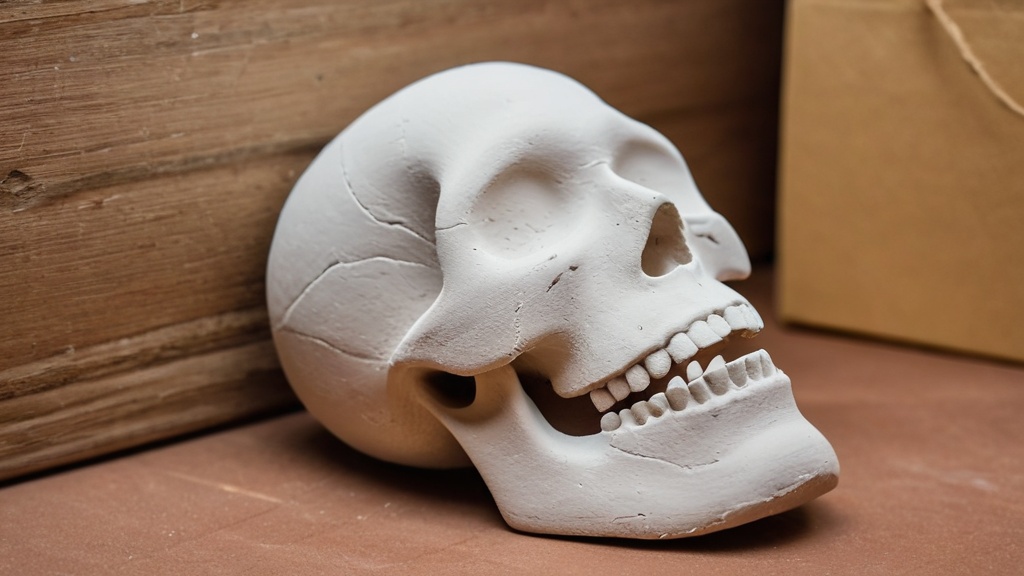
- Super Sculpey and Sculpey: These are particularly lauded for their sculpting capabilities. If your heart is set on creating realistic figures, detailed freehand sculptures, or pieces requiring extensive carving and sanding, Super Sculpey is often the go-to. It holds fine details exceptionally well, allowing for a high level of realism. Many professional sculptors and avid hobbyists rely on these lines for their consistent performance.
- Sculpey Premo: This line is often recommended for its excellent balance of workability and durability. It’s a favorite for jewelry making and general crafting because it’s easy to condition, holds its shape well, and offers a vibrant color palette. Premo is known for being a solid all-around performer, suitable for a vast array of projects, from intricate millefiori cane work to smooth, polished cabochons.
- Sculpey Soufflé: Designed to be lightweight and matte, Soufflé is a fantastic choice for larger items where weight is a concern, or for projects that benefit from a less glossy finish. It’s also known for its vibrant, on-trend colors and its ability to hold sharp details. Soufflé is great for making statement jewelry, decorative tiles, or even small home decor items.
Beyond Sculpey: Fimo, Kato, Cernit, and More
While Sculpey is a dominant player, don’t overlook other excellent options that have carved out their own niche.
- Fimo Professional: This German brand is renowned for its strong pigment saturation and excellent molding properties. Fimo Professional is specifically formulated for artists and sculptors who demand precision and color fidelity. It tends to be a bit firmer than some Sculpey options, which many sculptors prefer for its stability.
- Kato Polyclay: Developed by a renowned artist, Kato Polyclay is known for its exceptional strength and vibrant, translucent colors. It’s a favorite among jewelry makers who desire rich, jewel-like effects and durable pieces that resist scratching. Kato can be a bit stiffer, so warming it up thoroughly is key, but the payoff is incredible durability and unique color depth.
- Cernit: This Belgian brand offers a wide range of finishes, including doll clays and effect clays. Cernit is known for its smooth texture and ability to blend well, making it a good choice for realistic skin tones and intricate layered effects.
Foam Air-Dry Clay: The Effortless Path to Quick Creations
If the idea of baking seems like an extra step you’d rather bypass, or if you’re looking for the absolute simplest way to get started with clay crafts, then foam air-dry clay is your new best friend. This material is specifically designed for ease of use, making it a standout choice for casual crafters and absolute beginners. Its lightweight nature means your finished pieces won’t be heavy, and the best part? It dries on its own, right there in the open air. No special equipment, no oven time, just pure, unadulterated crafting joy.
The Appeal of Foam Air-Dry Clay for Beginners
This type of clay has surged in popularity for its sheer accessibility. It removes potential barriers to entry for many, allowing creativity to flow without complex preparation or finishing techniques.
Lightweight and Easy to Handle
The defining characteristic of foam air-dry clay is its incredibly light weight. This makes it perfect for projects that you might want to hang, display on shelves without concern for weight, or even incorporate into mixed-media art where every ounce counts. It’s also very soft and pliable, making it easy for even the youngest crafters or those with limited hand strength to mold and shape.
Simple, Oven-Free Drying Process
This is the biggest draw. You simply sculpt your creation, set it aside, and let it air dry. Within a few hours to a day, depending on the thickness of your piece, it will be firm and ready for further decoration. This eliminates the need for specialized ovens or concerns about burning or under-baking. It’s as straightforward as it gets, allowing you to focus entirely on the creative aspect without worrying about the technicalities of curing.
Projects Perfect for Foam Air-Dry Clay
Its properties lend themselves wonderfully to a specific set of crafts, where its benefits truly shine.
Decorative Figures and Ornaments
Foam air-dry clay is ideal for creating charming little figures, whimsical ornaments, or decorative elements for your home. You can sculpt animals, characters, or abstract shapes, and once dry, they can be painted, glittered, or otherwise embellished to your heart’s content.
Kids’ Crafts and Group Activities
For children’s parties, school projects, or simple family craft sessions, foam air-dry clay is a fantastic choice. Its mess-friendliness (compared to some traditional clays) and ease of use make it a joy for kids. They can create their own little masterpieces without the frustration of complex steps, and parents can feel confident about the safety and simplicity of the material.
Traditional Air-Dry Clay: A Classic Choice for Sculpting and Decor
Air-dry clay, in its more traditional form, remains a highly recommended material, especially for those venturing into sculpting and decorative items for the first time. It offers a tactile experience that is deeply satisfying, allowing you to feel the clay take shape under your hands. It’s a wonderful medium for exploring form and volume, and it requires no special equipment for curing, making it an accessible option for many.
Why Air-Dry Clay is a Go-To for Beginners
The inherent nature of air-dry clay makes it approachable for new crafters. It taps into a more traditional sculpting feel.
Accessible Sculpting Experience
Working with traditional air-dry clay often feels more like classic sculpting. It has a bit more heft and a different texture than foam clay, offering a satisfying resistance and structure as you mold it. This makes it excellent for developing your sculpting skills, learning about form, and creating pieces with a more substantial feel.
Versatile for Decorative Items
Beyond sculptures, air-dry clay is perfect for a multitude of decorative projects. You can create small bowls, decorative tiles, picture frames, or even faux succulents. Once dry, they can be painted, varnished, or sealed to protect them and give them a finished look.
Potential Pitfalls and How to Avoid Them
While air-dry clay is wonderful, it does have a key characteristic that requires your attention to ensure successful results.
The Risk of Cracking During Drying
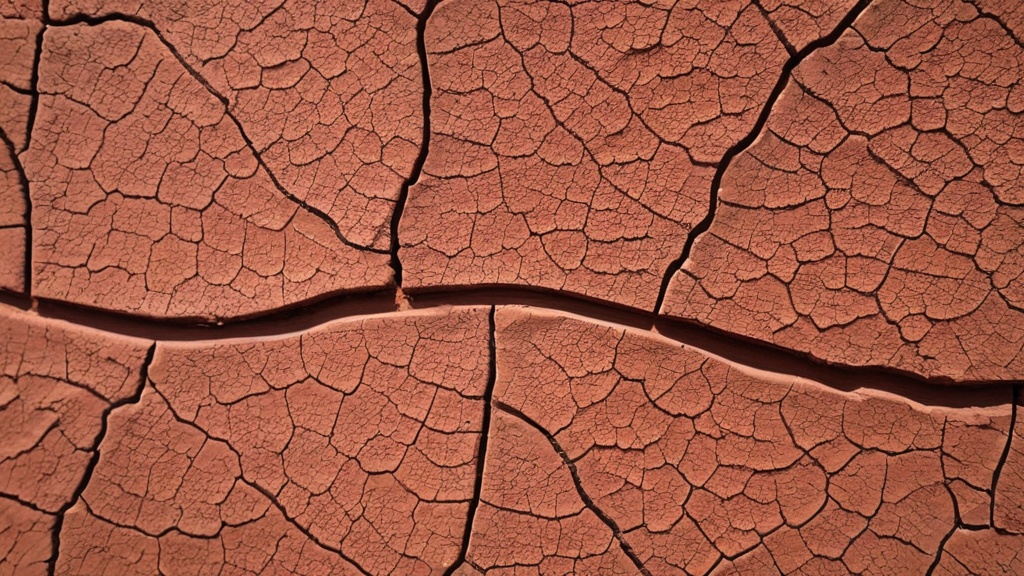
The primary challenge with air-dry clay is its tendency to crack if dried too quickly. This occurs because the water content evaporates unevenly, causing the clay to shrink and pull apart. This is particularly true for larger, thicker pieces.
- Slow and Steady Wins the Race: The most effective way to prevent cracking is to dry your creations slowly and evenly. Avoid placing them in direct sunlight, near a heater, or in a drafty area. Instead, let them dry at room temperature away from any environmental extremes.
- Consider Thickness: For larger or thicker pieces, consider building them with a hollow core or making them from thinner components that can be joined and dried more uniformly. This reduces internal stress as the clay dries.
- Moisture Control: Sometimes, lightly misting your drying clay with water if it seems to be drying too rapidly in patches can help ensure even evaporation. However, this requires a delicate touch.
Expert Recommendations on Polymer Clay Lines for Specific Needs
As you become more familiar with crafting, you might want to delve into the more specialized polymer clay lines recommended by experienced artists and craft bloggers. These clays are often formulated for specific effects or durability, allowing you to refine your techniques and achieve even more professional-looking results. Recent guides and comparisons continue to highlight these lines for their distinct advantages.
Choosing the Right Polymer Clay for Your Project Goals
The choice between different polymer clay formulations often comes down to the desired outcome, your personal working style, and the specific demands of your project.
For Jewelry Making: Color, Strength, and Finish
Jewelry crafters often prioritize clays that offer vibrant, consistent colors, good strength after baking, and a smooth finish for polishing.
- Sculpey Premo: As mentioned, Premo is a favorite for jewelry due to its excellent color range, workability, and durability. It holds fine details required for cane work and holds up well to wear and tear.
- Kato Polyclay: Its renowned strength and clarity make it ideal for cabochons and pieces where depth of color and resistance to scratching are paramount.
- Fimo Professional: Offers intense pigmentation for vibrant jewelry pieces and is known for its smooth texture, which is excellent for achieving a polished look.
For Sculpting Realistic Figures and Detailed Work
Sculptors often seek clays that are firm enough to hold intricate details, are easy to carve and sand after baking, and allow for seamless blending.
- Super Sculpey and Sculpey Firm: These are the champions for realism. Their slightly firmer consistency when unbaked allows for excellent detail retention. After baking, they are very easy to sand, carve, and buff to a smooth finish, essential for creating lifelike features.
- Fimo Professional: Its workability and ability to achieve fine detail make it a strong contender for realistic sculpting, especially for those who appreciate its color intensity.
The Importance of Sticking to One Clay Type (Initially!)
A crucial piece of advice for beginners, reinforced by recent craft guides, is to avoid mixing different clay types when you’re starting. This might seem limiting, but it’s a key to understanding how each material behaves.
Why Avoid Mixing?
Different clay brands, and even different lines within the same brand, are formulated with varying plasticizers, fillers, and curing agents. This means they can dry, bake, and cure at different rates and temperatures. If you mix them, you might end up with:
- Uneven Curing: One part of your creation might be hard while another remains soft or rubbery.
- Poor Adhesion: The mixed clays may not bond well, leading to pieces falling apart.
- Unpredictable Textures: The final texture and finish can be inconsistent and disappointing.
Master One Before Exploring Others
Your best bet is to choose one type of clay that suits your initial project goals and become proficient with it. Learn how to condition it properly, how to sculpt with it, and how to bake it correctly. Once you have a solid understanding of one, experimenting with a second, different type of clay will be much more informed and less likely to lead to frustration.
Exploring Natural Clays: A Growing Trend in Design and Building
While we’ve focused on clays ideal for smaller home crafts, it’s worth noting the increasing interest in natural clay materials. This trend is not just about aesthetics; it’s about sustainability and a connection to traditional building methods. Recent updates from organizations like Clayworks highlight a significant resurgence in the use of natural clays in various design applications, from finishes to structural elements.
The Allure of Earthen Materials
There’s a primal appeal to working with materials drawn directly from the earth. Natural clays offer a unique aesthetic and a connection to a more sustainable way of living.
Clay Plaster and Earthen Finishes
Clay plasters are gaining popularity for their beautiful, breathable, and natural finishes within homes. They offer a soft, matte aesthetic that can’t be replicated by synthetic paints or plasters. These finishes can be applied to walls, creating a healthy indoor environment and a unique, organic look.
Rammed Earth and Sustainable Construction
Rammed earth, a building technique that uses compressed soil and clay, is experiencing a revival. It’s an incredibly sustainable and energy-efficient method of construction, resulting in beautiful, durable structures with a distinctive, layered appearance. Award-winning earthen products are showcasing the potential of these natural materials in modern design.
Can You Use Natural Clays for Home Crafts?
While the focus of these trends is often on larger scale applications, the principles can inspire certain home craft projects.
- Experimenting with Smaller Decorative Pieces: You might find local potters selling natural air-dry clays or earthenware clays that can be suitable for small decorative items that you then fire in a kiln or seal for use within your home.
- Focus on the Aesthetic: Even if you don’t use raw natural clay directly, understanding its aesthetic and textural qualities can inform your choices when selecting commercially available clays or when decorating your finished pieces. The earthy tones and organic feel are inspiring many craft trends.
Getting Started: Your First Clay Project and Beyond
Now that you’ve explored the options, you might be wondering, “What now?” The beauty of clay crafts is that the barrier to entry is relatively low. You don’t need a vast array of expensive tools to start creating.
Essential Tools for the Home Crafter
You can begin with very basic items and gradually build your toolkit as your skills and projects evolve.
- Your Hands! The most important tool you have is your own dexterity.
- A Smooth Work Surface: A piece of glass, a silicone mat, or even a sheet of parchment paper can work wonderfully.
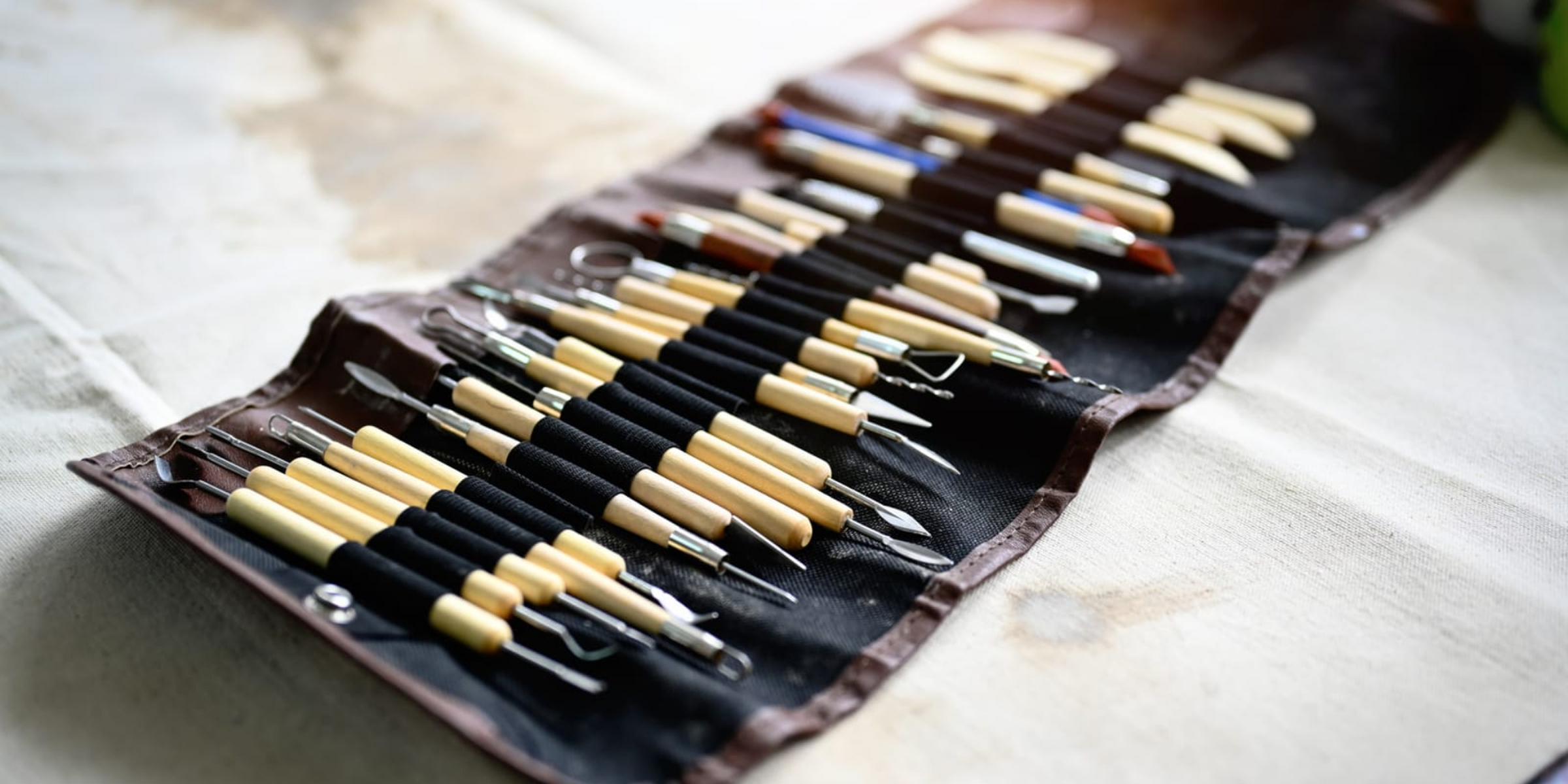
- Basic Sculpting Tools: A set of inexpensive plastic or wooden sculpting tools can be a great starting point. Things like a needle tool, a ball stylus, and a scraper can be incredibly useful for shaping, detailing, and scoring.
- Rolling Pin or Pasta Machine: For polymer clay, a rolling pin or a dedicated clay pasta machine is invaluable for conditioning and creating evenly thick sheets.
- Craft Knife or Blade: Essential for cutting and trimming clay precisely.
- Oven (for Polymer Clay): Ensure you have a reliable oven that can maintain a consistent temperature. A separate craft oven is ideal if you plan to bake frequently, but a standard kitchen oven works perfectly for beginners.
Your First Project: Simple and Rewarding
Don’t aim for a masterpiece on your first try. Start with something simple to get a feel for the clay.
- For Polymer Clay: Try making a set of simple beads, a basic pendant, or a small, solid figurine like a tiny animal. Focus on learning how to condition the clay, roll it, and make clean cuts.
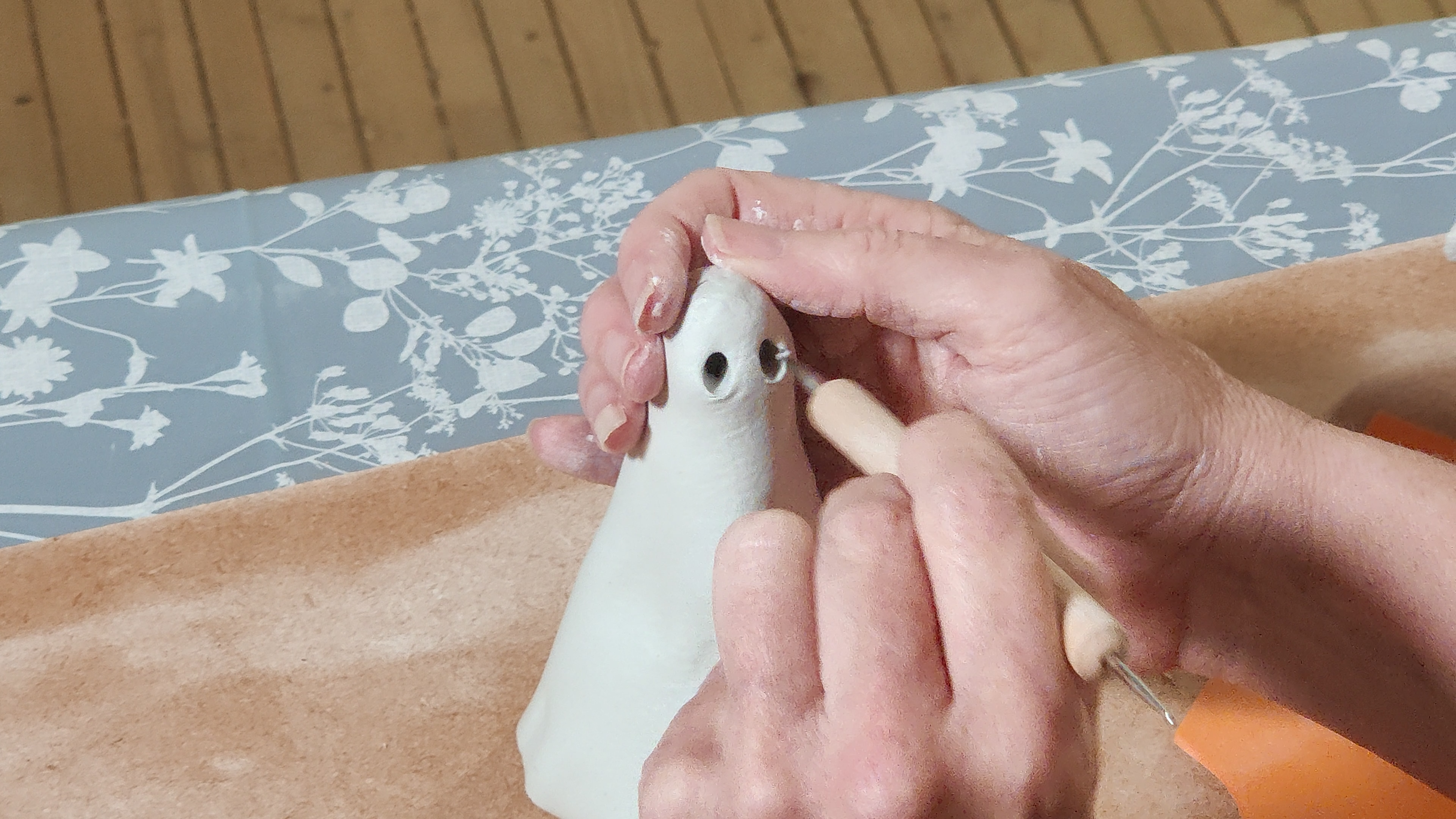
- For Foam Air-Dry Clay: Sculpt a small decorative object like a charm, a little gnome, or a simplified animal. Enjoy the process of shaping and see how it dries.
- For Traditional Air-Dry Clay: Try creating a small pinch pot, a simple coiled bowl, or a basic relief tile. Pay attention to how the clay feels as you work and how it responds to moisture.
Embrace the Learning Curve
Every crafter has been a beginner. Don’t be discouraged by initial imperfections. Each project is a learning experience. You’ll discover what works best for you, which tools you prefer, and how to overcome common challenges. The most important advice you can take away is to have fun. Clay crafts are a wonderful way to relax, express your creativity, and produce beautiful, tangible objects that you can be proud of. So, choose your clay, gather your tools, and let your imagination shape something wonderful.
FAQs
What is the best type of clay for home crafts?
The best type of clay for home crafts is air-dry clay, as it is easy to work with and does not require firing in a kiln.
What are the advantages of using air-dry clay for home crafts?
Air-dry clay is convenient for home crafts because it does not require special equipment or a kiln for firing. It is also lightweight and can be painted and sealed once dry.
What are some popular brands of air-dry clay for home crafts?
Some popular brands of air-dry clay for home crafts include Crayola Air-Dry Clay, DAS Air-Hardening Modeling Clay, and Amaco Air Dry Modeling Clay.
Can air-dry clay be used for both kids and adult crafts?
Yes, air-dry clay is suitable for both kids and adult crafts. It is non-toxic and easy to manipulate, making it a versatile option for various skill levels.
What are some common home crafts that can be made with air-dry clay?
Some common home crafts that can be made with air-dry clay include jewelry, ornaments, figurines, and small sculptures. It is also popular for making handprint and footprint keepsakes.