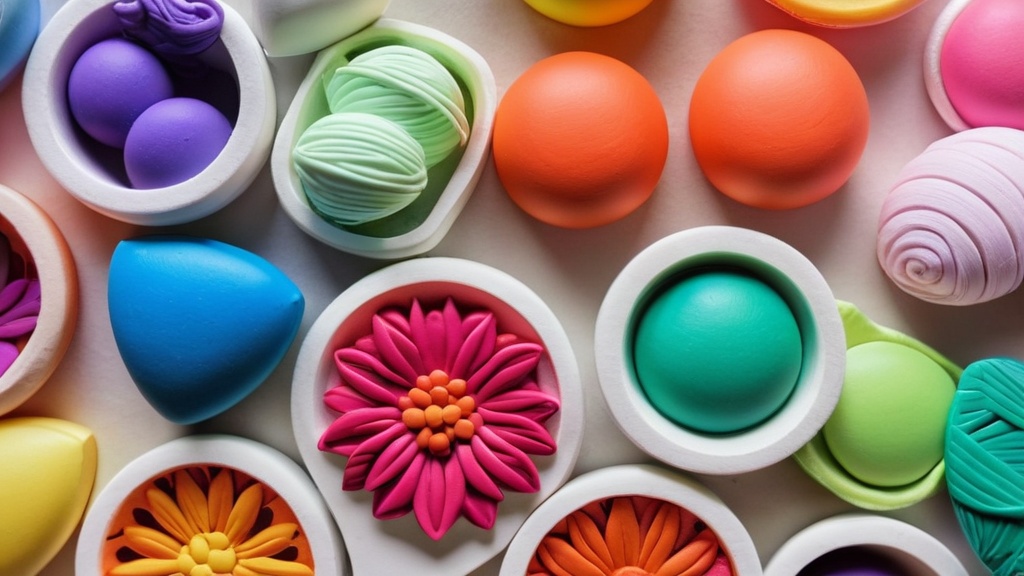
You’ve got a creative spark, a desire to make something tangible, and your eyes have landed on polymer clay. It’s a material that sparkles with potential, promising intricate miniatures, dazzling jewelry, and durable, personalized creations. You’ve seen the vibrant colors, felt the smooth texture, and perhaps even glimpsed the stunning finished pieces others have crafted. But before you dive headfirst into this world of pliable plastic, you need to get a realistic picture. You’re here to understand, to weigh the possibilities against the challenges, and to make an informed decision. This is your primer, your guide to navigating the multifaceted landscape of polymer clay.
One of the most immediate and gratifying aspects of polymer clay is its incredible workability. Unlike many other sculpting mediums that have a ticking clock, polymer clay boasts a remarkable longevity before it’s subjected to heat. You can pull out a block of it, knead it, shape it, and then set it aside for hours, days, or even weeks, and it will remain just as pliable as when you first opened the package. This is a significant advantage, allowing you the freedom to experiment, to refine your ideas, and to take breaks without the constant pressure of your material drying out or becoming unmanageable.
The Freedom to Pause and Persist
This extended working time is a godsend for beginners and seasoned artists alike. You’re not obligated to finish a piece in a single sitting. Imagine you’re working on a complex miniature figure. You’ve meticulously sculpted the tiny boots and are starting on the intricate folds of the clothing. Life calls – a dinner to prepare, a child to attend to, or simply the need for a good night’s sleep. With polymer clay, you don’t have to race against the clock. You can simply cover your work loosely, set it aside, and return to it later, picking up exactly where you left off. This ability to work in stages breaks down daunting projects into manageable segments, reducing frustration and enhancing the overall creative process. You can ruminate on your design, experiment with alternative approaches, or simply give your hands a rest without compromising the integrity of your work in progress.
Sculpting with Patience, Not Panic
This characteristic also means you can experiment more freely. You can try out different techniques, blend colors, and create textures without the fear that your efforts will be wasted if you don’t achieve perfection immediately. If a particular shaping isn’t quite right, you can simply pull it apart and reshape it. This forgiving nature is invaluable for learning and developing your skills. You can spend time understanding how the clay responds to different tools and pressures, building your muscle memory and intuition. It fosters a more exploratory and less anxiety-driven approach to creativity, allowing you to truly enjoy the journey of making.
Precision and Potential: The Sculpting Prowess of Polymer Clay
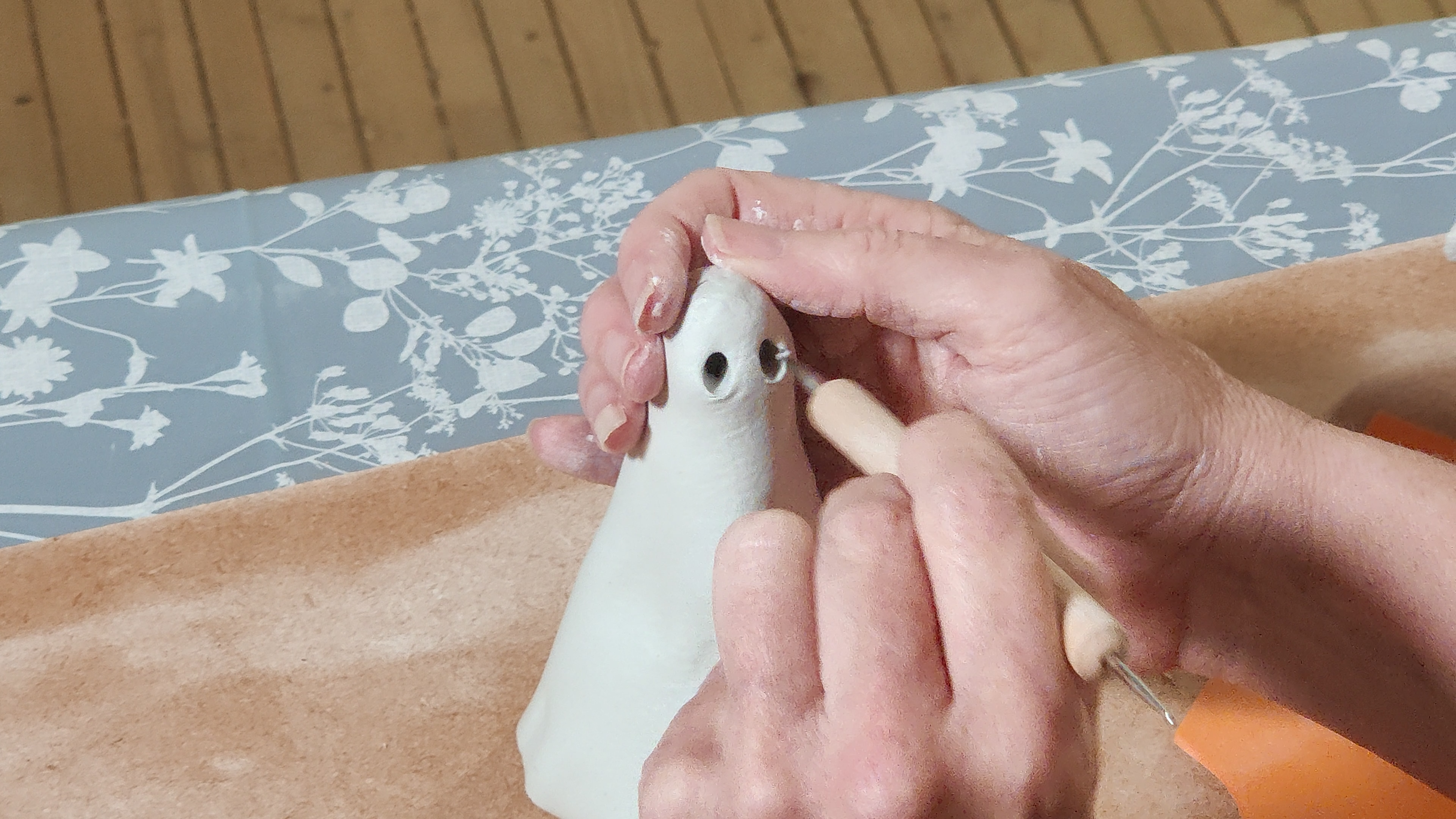
Polymer clay truly shines when it comes to achieving fine detail and maintaining shape. Once you’ve molded it into your desired form, it holds that shape with impressive fidelity. This is crucial for projects that demand precision, such as intricate jewelry components, delicate miniature figures, or even tiny architectural models. You can carve, incise, and sculpt with confidence, knowing that your efforts won’t slump or distort before you’re ready to bake them.
Miniatures That Defy Expectation
If your passion lies in the world of miniatures, polymer clay is likely your best friend. You can sculpt minuscule faces with expressions, create impossibly small props, or meticulously render the textures of tiny fabrics. The clay’s ability to hold sharp edges and fine lines means you can achieve a level of detail that is simply not possible with softer, more yielding materials. Think of the intricate patterns on a tiny teacup or the delicate embroidery on a doll’s dress; these are the kinds of details that polymer clay allows you to capture beautifully.
Jewelry That Dazzles and Delights
For jewelry makers, this precision is equally valuable. You can create perfectly formed beads with uniform shapes and consistent sizes. You can sculpt intricate bezels, delicate pendants, and detailed charms. The ability to create crisp lines and smooth surfaces means your finished pieces will have a professional, polished look. Whether you’re aiming for a contemporary minimalist design or an elaborate, highly detailed creation, polymer clay provides the control you need to bring your vision to life.
Holding Your Vision: Post-Bake Stability
The stability of polymer clay after baking is another significant pro. Once properly cured, your sculpted pieces retain their form. This means that that intricate detail you painstakingly created will be there for the long haul. You won’t have to worry about your finished work drooping or losing its shape over time. This permanence allows you to create items that are not only beautiful but also robust and reliable, further enhancing the value and longevity of your creations.
The Transformation: Baking as the Catalyst for Durability
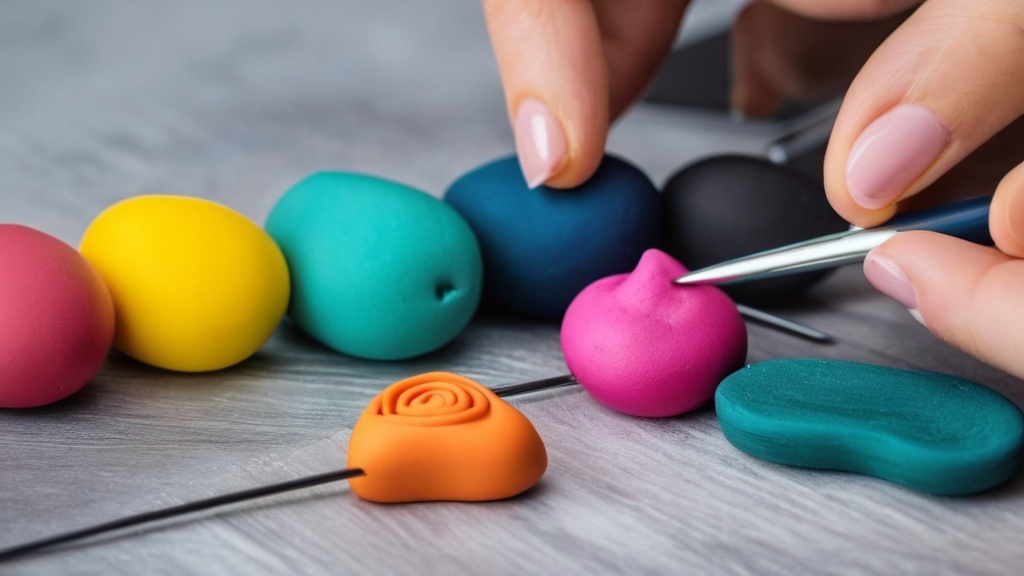
The alchemy of polymer clay lies in its transformation through baking. This is the crucial step where the pliable material becomes a hard, durable object. When you bake polymer clay correctly, you unlock its full potential, creating pieces that are surprisingly strong and resilient. This curing process is what gives your creations their longevity and allows you to engage in post-baking finishing techniques.
Strength in Structure: The Cured Clay
Once baked according to the manufacturer’s instructions, polymer clay develops a robust internal structure. It’s not simply hardened; it’s chemically transformed. This cured material can withstand a surprising amount of stress and wear, making it suitable for a wide range of applications, from functional items to decorative art. You’ll find that your baked polymer clay pieces are not fragile ornaments but rather substantial objects capable of holding their form and integrity.
The Art of Finishing: Sanding, Buffing, and Glazing
The magic doesn’t stop at baking. The true beauty of cured polymer clay is revealed through post-baking finishing. You can embark on a journey of sanding, starting with coarser grits to remove any imperfections and gradually moving to finer grits to achieve a smooth, glass-like surface. This process is incredibly rewarding, transforming a slightly rough texture into something sleek and professional. Following sanding, buffing can further enhance the shine, bringing out a lustrous gleam that elevates the appearance of your piece. Finally, a glaze, whether matte or glossy, can add an extra layer of protection, enhance the color, and seal your work, giving it a professional and enduring finish. These finishing techniques allow you to customize the look and feel of your creations, turning a basic sculpted form into a work of art.
Durability for Daily Use
The durability you achieve through proper baking and finishing means your polymer clay creations can be enjoyed and used in everyday life. Jewelry can be worn regularly, figurines can be displayed without constant worry, and functional items can serve their purpose without fear of immediate damage. This resilience is a testament to the material’s capabilities when treated correctly.
The Unforeseen Hurdles: Confronting the Downsides of Polymer Clay
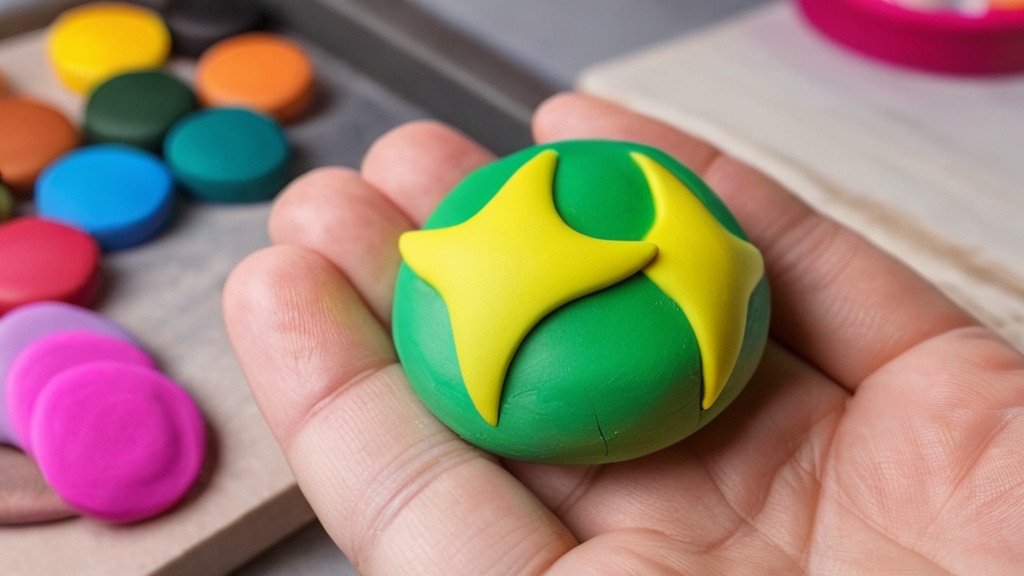
While the benefits of polymer clay are many, it’s crucial to approach this medium with a clear understanding of its limitations and potential drawbacks. Like any artistic material, it comes with its own set of challenges that can impact your creative process and the final outcome of your work. Being aware of these cons will help you navigate them effectively and make informed choices about whether polymer clay is the right medium for your specific projects and artistic goals.
The Oven Awaits: The Inevitable Baking Step
One of the most significant hurdles with polymer clay is its absolute reliance on baking to cure. Unlike air-dry clays that harden on their own with exposure to air, polymer clay requires the application of heat. This adds an extra step to your creative process, which can feel inconvenient, especially if you’re working on a tight schedule or in a shared living space where an oven might not always be readily available or suitable for crafting. This requirement means you need a dedicated oven or toaster oven that you can use for crafting without concern for food contamination.
The Timing Factor: Baking Gone Wrong
The baking process itself, while essential, is also a potential point of failure. If you underbake polymer clay, you risk creating pieces that are brittle and prone to chipping or breaking. This is a frustrating outcome, especially after investing time and effort into shaping your creation. Conversely, overbaking can lead to discoloration, burning, or a degradation of the clay’s properties. Achieving the correct baking time and temperature requires careful attention and often a bit of experimentation to find the sweet spot for your particular brand and thickness of clay.
Dropping the Ball (or Your Creation): Post-Cure Fragility
Even with proper baking, polymer clay isn’t indestructible. While it can be durable, it’s not on par with materials like fired ceramics or metal. Dropping a finished polymer clay piece, especially one that is thin or has delicate elements, can still result in breakage, chipping, or cracking. This means you need to be mindful of how you handle and store your completed creations, and perhaps consider reinforcing certain areas if your project is intended for high-traffic areas or frequent handling.
The Price of Passion: The Economic Considerations of Polymer Clay
| Pros | Cons |
|---|---|
| Easy to work with | Can be brittle if not properly cured |
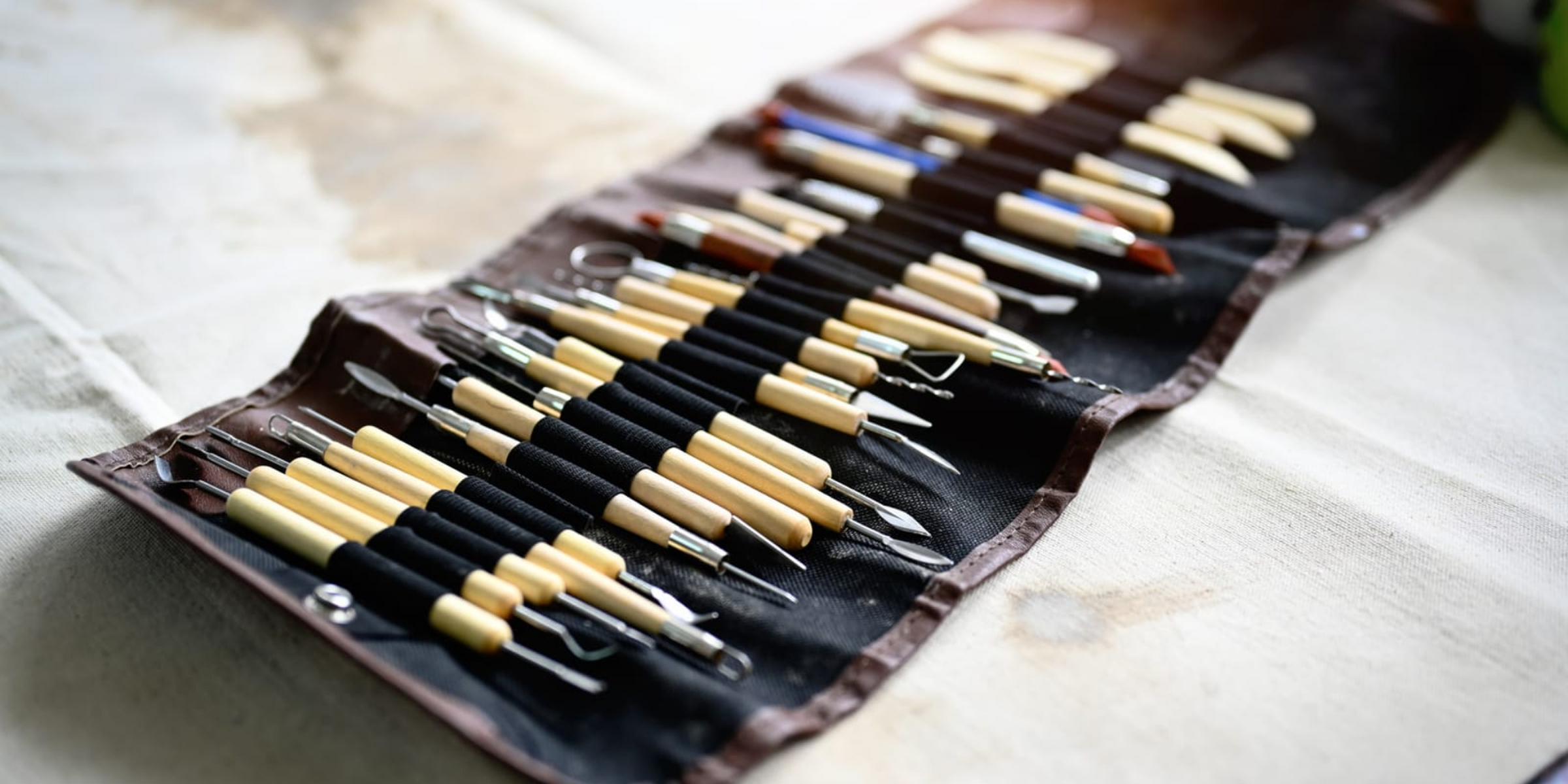
| Comes in a variety of colors | May require special tools for shaping and detailing |
| Can be baked at home | Not as durable as other clay types |
| Great for small detailed projects | Can be sticky and difficult to handle in warm temperatures |
When you’re starting out with a new craft, the cost of materials is often a significant factor in your decision-making process. While polymer clay offers a wealth of creative possibilities, you’ll find that it can be a more significant investment compared to some other crafting mediums. Understanding these economic considerations will help you budget effectively and explore alternative materials if necessary.
A Higher Price Point Than Alternatives
Compared to readily available options like air-dry clay or foam clay, polymer clay generally carries a higher price tag. This difference can become particularly noticeable if you’re undertaking large projects or experimenting with a wide range of colors. While the quality and versatility of polymer clay often justify its cost for many artists, it’s something to consider, especially for those on a tight budget or just starting out. You might find yourself carefully rationing your supplies or seeking out sales and bulk discounts to make your passion more accessible.
Budgeting for Every Hue
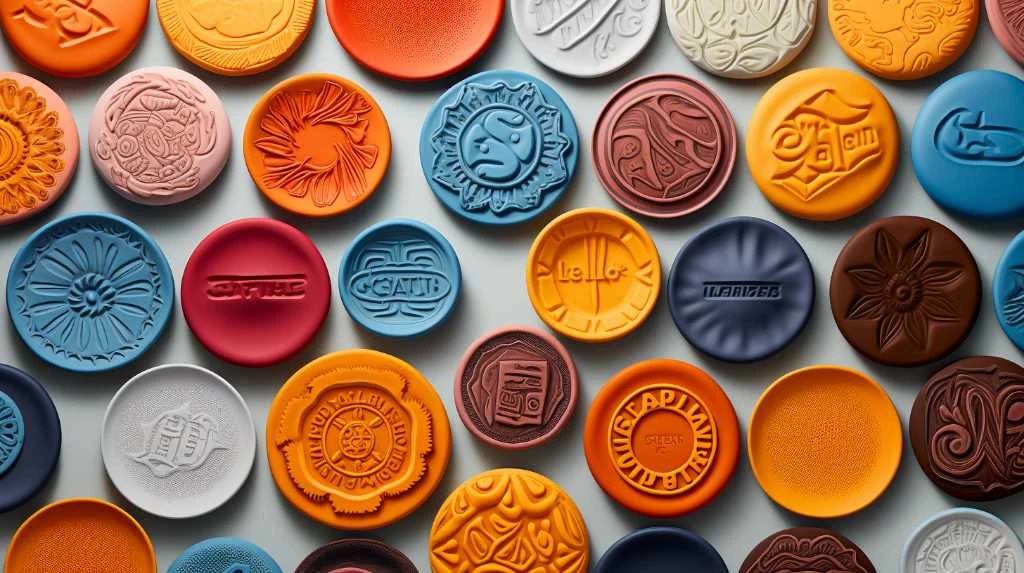
The allure of polymer clay often lies in its extensive palette. To achieve vibrant and nuanced colors, you might find yourself purchasing multiple shades, which can quickly add up. While extensive color mixing is possible, sometimes you need that specific shade right out of the package. This means that building a comprehensive collection of polymer clay colors can represent a substantial initial investment. You’ll need to think about which colors are essential for your primary projects and which you might be able to mix or substitute.
The Long-Term Investment: Quality Over Quantity
It’s worth noting that while the upfront cost might be higher, the durability and professional finish achievable with polymer clay can make it a worthwhile investment for certain applications. If your goal is to create high-quality, long-lasting pieces for sale or for personal enjoyment, the initial expense might be offset by the superior results and longevity of your creations. You’re investing in a material that offers a level of detail and finish that other, less expensive options might not provide.
The Underlying Concerns: Safety and Environmental Footprints
As you delve deeper into the world of polymer clay, it’s important to acknowledge the ongoing discussions and concerns surrounding its safety and environmental impact. While it’s a fantastic medium for creativity, understanding these aspects is crucial for making responsible choices and staying informed.
The Chemical Composition: PVC and Plasticizers
Polymer clay is fundamentally a plastic material, primarily composed of polyvinyl chloride (PVC). The flexibility and workability of polymer clay are achieved through the use of plasticizers, such as phthalates, which are added to the PVC. While the amounts and types of plasticizers used in artisan-grade polymer clays have been the subject of research and voluntary reformulations by manufacturers aiming for greater safety, concerns persist regarding potential leaching and long-term exposure. It’s wise to be aware that you are working with a synthetic material that has undergone chemical processes.
Potential Toxicity and Health Vigilance
While most reputable polymer clay manufacturers adhere to strict safety standards and test their products for consumer use, it’s important to maintain a healthy vigilance. Working in a well-ventilated area is recommended, especially when baking, to minimize inhalation of any fumes. Some individuals may have sensitivities to the materials, and it’s always wise to listen to your body and take breaks if you experience any adverse reactions. Washing your hands thoroughly after working with the clay is also a good practice.
The Environmental Question: Microplastics and Disposal
The environmental impact of plastic-based materials is a growing concern globally, and polymer clay is not exempt. While individual pieces of baked polymer clay are generally considered inert and can last for a very long time, the production process and the ultimate disposal of unused or waste clay contribute to plastic waste. As a plastic, polymer clay can break down into microplastics over extended periods, which can enter ecosystems. Responsible disposal and consideration of the material’s lifecycle are important aspects to reflect upon as you engage with polymer clay. Some artists explore ways to recycle or repurpose scraps, while others choose to be mindful of their consumption.
In conclusion, polymer clay is a material that offers a remarkable blend of accessibility and artistic potential. You have the power to translate your imagination into tangible forms with impressive detail and durability. However, you also have the responsibility to understand its limitations: the necessity of baking, the potential for brittleness if mishandled, the economic considerations, and the ongoing discussions around its composition and environmental footprint. By approaching polymer clay with this comprehensive understanding, you can harness its strengths, navigate its weaknesses, and ultimately, create with confidence and intention.
FAQs
What are the advantages of using polymer clay?
Polymer clay is versatile and can be used for a wide range of projects, including jewelry making, sculpture, and home decor. It is also easy to work with, as it can be molded, shaped, and blended to create intricate designs. Additionally, polymer clay is available in a wide variety of colors and finishes, allowing for endless creative possibilities.
What are the disadvantages of using polymer clay?
One of the main drawbacks of polymer clay is that it can be brittle and prone to breakage if not properly cured. It also requires baking in an oven to harden, which can be a time-consuming process. Additionally, some people may be sensitive to the chemicals used in polymer clay, so it is important to work in a well-ventilated area and take necessary precautions.
Is polymer clay durable?
Once properly cured, polymer clay is quite durable and can withstand normal wear and tear. However, it is not as strong as other materials such as metal or ceramic, so it may not be suitable for items that will be subjected to heavy use or pressure.
Can polymer clay be used for food-related items?
No, polymer clay should not be used for items that will come into contact with food or beverages. While it is non-toxic once cured, it is not food-safe and should not be used for items such as plates, cups, or utensils.
How should polymer clay be stored?
Polymer clay should be stored in a cool, dry place away from direct sunlight. It should also be kept in an airtight container or wrapped in plastic to prevent it from drying out. Additionally, it is important to keep polymer clay away from children and pets, as it can be harmful if ingested.