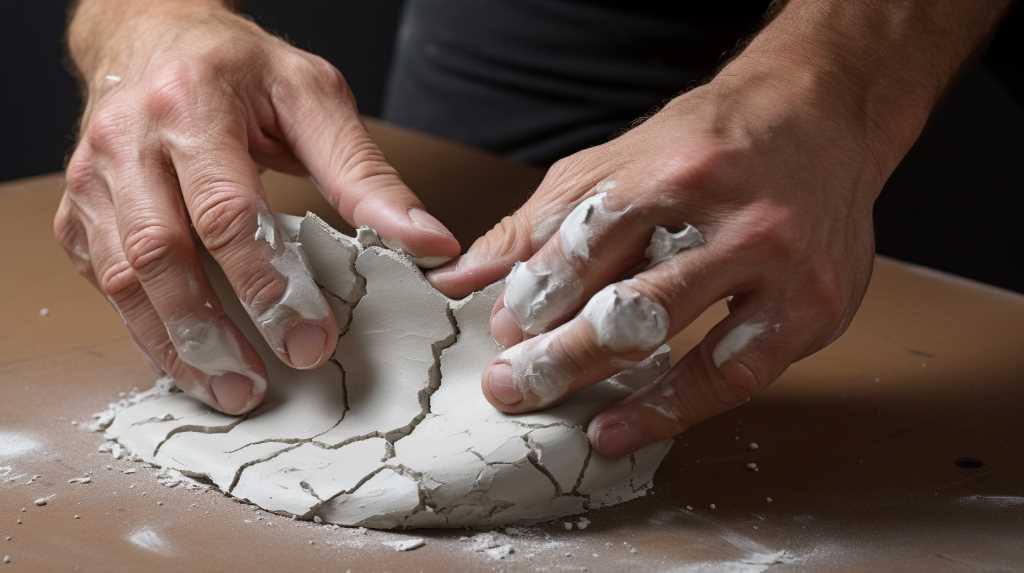
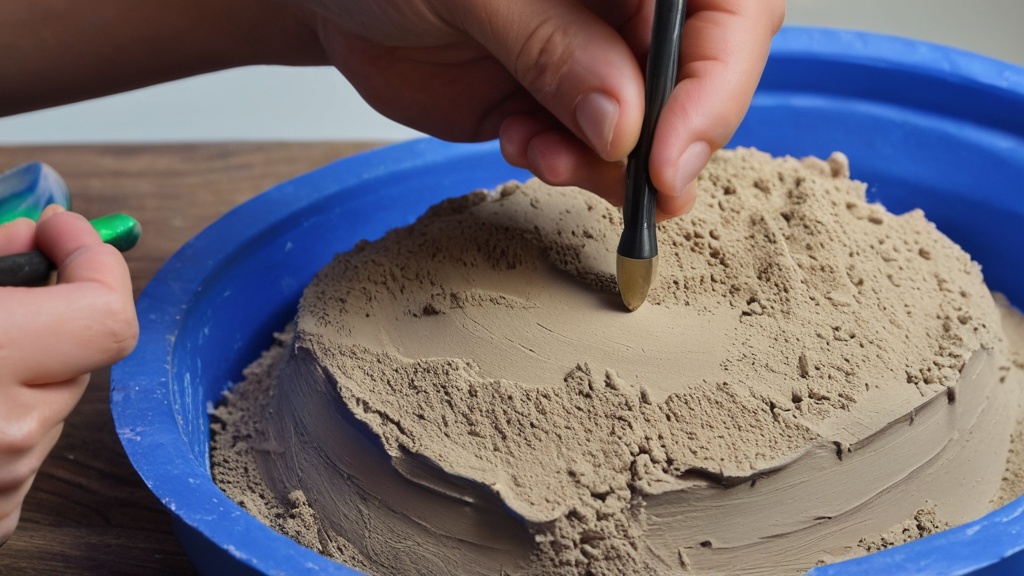
You’re standing at the precipice of a new creative endeavor, your hands itching to mold something beautiful, something tangible. Perhaps you’ve been scrolling through social media, seeing countless mesmerizing time-lapses of intricate sculptures taking shape, or maybe you’re simply looking for a new artistic outlet. The world of sculpting offers a dizzying array of materials, each with its own quirks and demands. But lately, one material seems to be dominating discussions, especially among novices and seasoned crafters alike: air dry clay. You might be wondering, “Is air dry clay truly good for sculpting?” Let’s dive deep into this versatile medium and uncover its strengths, limitations, and everything in between, helping you decide if it’s the right choice for your artistic aspirations.
You, like many burgeoning artists, are likely drawn to materials that are accessible and forgiving. Air dry clay fits this description perfectly, presenting a low barrier to entry that other sculpting mediums simply cannot match. It’s a material that encourages experimentation without the pressure of costly equipment or complex processes.
An Uncomplicated Beginning
Imagine this: you pick up a block of clay, shape it with your hands, and then… you wait. There’s no need for a specialized oven blasting at colossal temperatures or a dedicated kiln that costs a fortune. This fundamental ease of use is a massive draw.
No Kiln, No Problem
One of the most significant advantages for you, the aspiring sculptor, is the complete absence of a kiln or oven requirement. Unlike ceramic clays that demand extreme heat to vitrify and harden, air dry clay simply cures at room temperature. This means your creative journey isn’t bottlenecked by access to industrial equipment, making sculpting a truly in-home or studio activity.
Rapid Drying Times
You’ll find that patience is a virtue in sculpting, but air dry clay doesn’t demand an eternity. Depending on the thickness of your creation and the ambient humidity, your piece will typically dry within 24 to 72 hours. This relatively quick turnaround allows for faster project completion and more immediate gratification, which can be incredibly encouraging as you learn.
The Learning Curve Is Gentle
You, as a beginner, will find air dry clay to be an incredibly forgiving medium. It allows for mistakes, adjustments, and a gradual understanding of sculpting principles without the pressure of expensive material waste or complex firing schedules.
Ideal for Mastering Techniques
Are you looking to learn fundamental sculpting techniques? Air dry clay is an excellent canvas. Recent blogs and craft articles consistently emphasize its suitability for learning methods like coiling, where you build up forms with ropes of clay; slab work, where you create shapes from flattened sheets; and detailed modeling, where you refine intricate features. Its pliability and ease of manipulation make it an ideal educational tool.
Cost-Effective Exploration
Sculpting can be an expensive hobby, but air dry clay offers a budget-friendly alternative. Its inexpensive nature means you can experiment freely, try new ideas, and even make “practice pieces” without breaking the bank. This financial freedom encourages more frequent and adventurous sculpting, which ultimately boosts your skill development.
A New Era of Quality: Art-Grade Air Dry Clay
You might harbor reservations, recalling the chalky, brittle air dry clay from your childhood art classes. However, the landscape of air dry clay has evolved dramatically, introducing a new generation of materials that elevate its potential.
Beyond the Schoolroom
Forget the dusty, crumbly clay of yesteryear. You’ll be pleasantly surprised by the significant improvements in quality that contemporary air dry clay offers.
Enhanced Texture and Durability
Modern “art-grade” self-hardening air dry clays boast a finer texture, making them smoother to work with and allowing for more detailed sculpts. More importantly, they offer better durability once cured, marking a considerable leap from older, “school-quality” clays. This improvement makes them viable for crafting intricate and lasting ornamental pieces.
Suitable for Detailed Work and Figurines
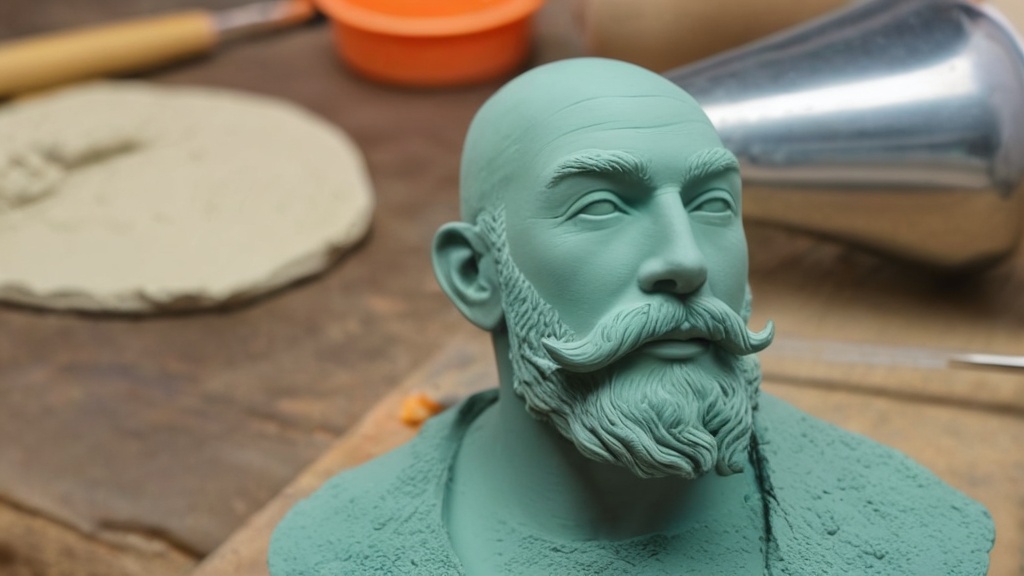
If you aspire to create small figurines, intricate jewelry components, or highly detailed sculptural elements, you’ll find that these improved clays rise to the occasion. Their refined composition allows for sharper lines and more subtle forms, expanding the artistic possibilities beyond simple decorative objects. Experts now consider them a legitimate option for serious hobbyist sculptors.
Embracing Intricacy and Support Structures
Your vision might involve delicate appendages or complex poses. This is where air dry clay truly shines, offering flexibility in supporting your artistic ambitions.
Seamless Detail Application
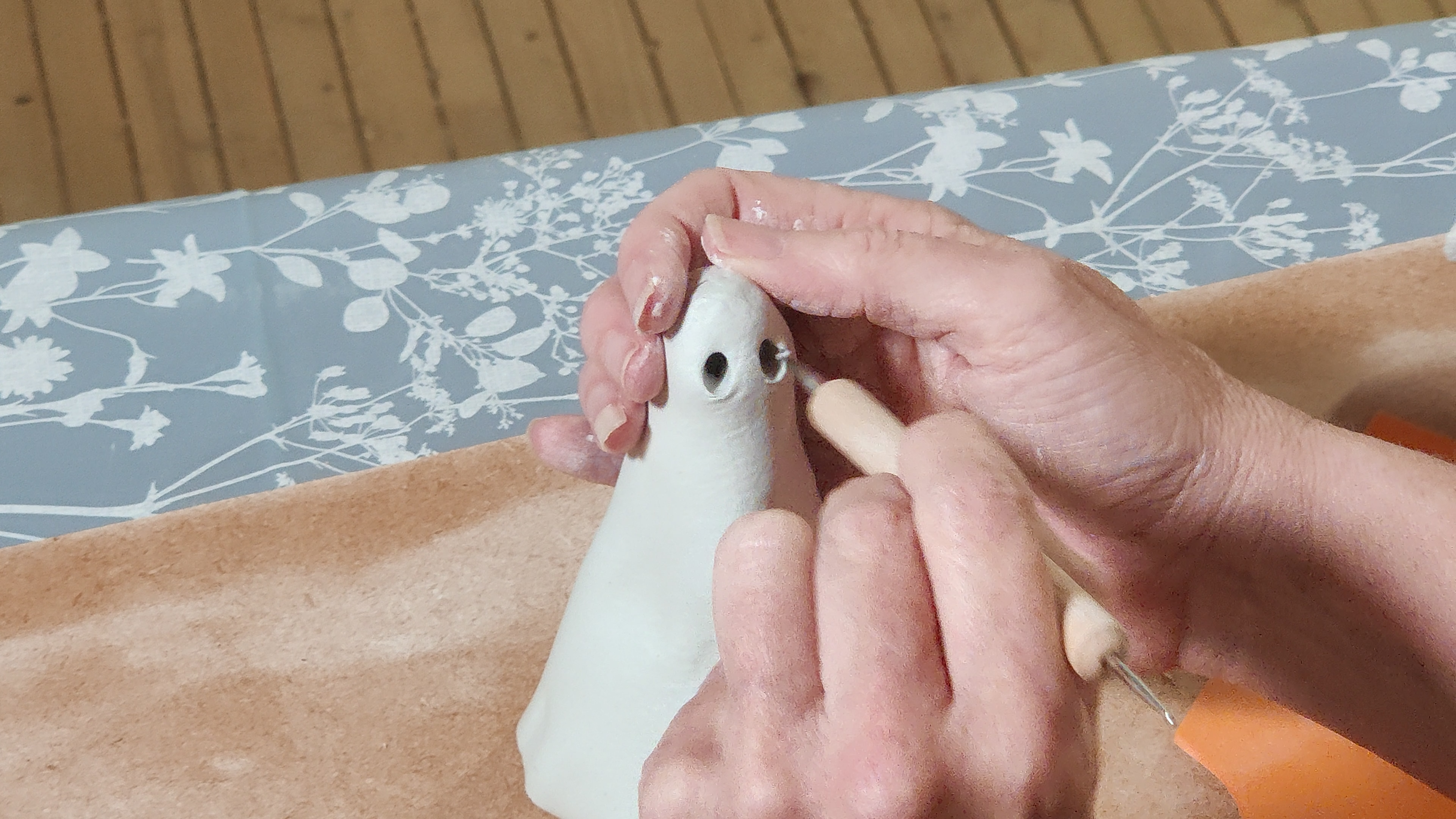
Experts frequently highlight that air dry clay is fantastic for adding details directly onto your existing sculptures. Its adhesive qualities, when wet, allow for attachments and embellishments to be seamlessly integrated into the main form, building up layers of complexity with ease.
Versatility with Armatures
You’re not limited to solid, heavy forms with air dry clay. This medium supports an incredibly wide range of armatures. Whether you use wire to create skeletal frameworks, foam as a lightweight core, or even crumpled aluminum foil, air dry clay adheres well and builds upon these structures. Crucially, because it never needs high-temperature firing, your armatures (which would melt or burn in a kiln) remain intact, offering crucial internal support, especially for more ambitious or delicate designs.
Navigating the Limitations: Where Air Dry Clay Requires Care
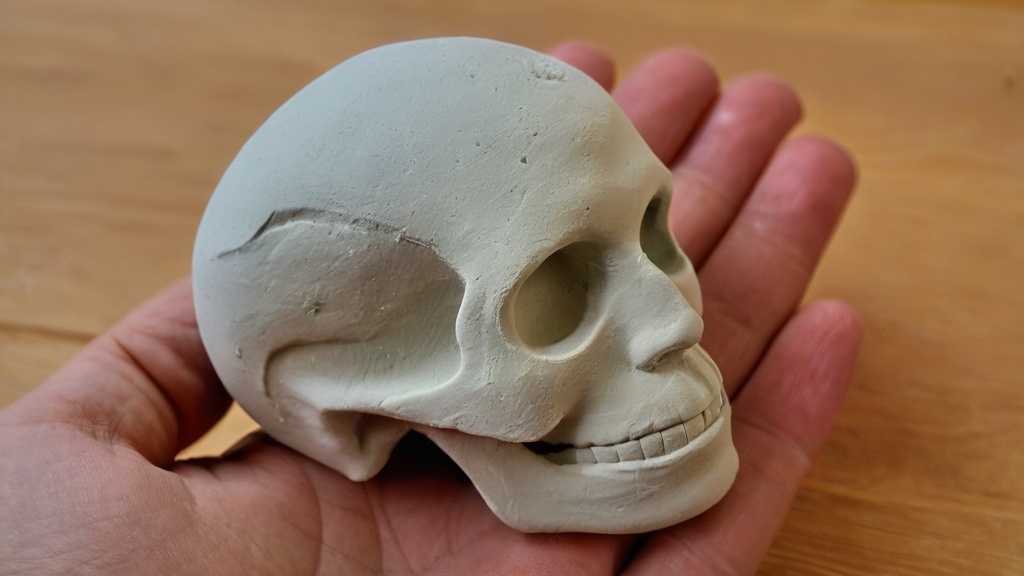
While air dry clay offers a plethora of advantages, it’s crucial for you to understand its inherent limitations. Knowing these well will help you mitigate potential issues and achieve the best possible results.
The Fragility Factor
You might be captivated by the ease of use, but you must be mindful of the cured clay’s vulnerability, especially compared to its fired counterparts.
Susceptibility to Breakage
Air dry clay, even the art-grade varieties, remains more fragile than ceramic or polymer clay once fully cured. This is particularly true for thin protrusions. Think of delicate fingers, slender ears, or elongated legs on a figurine – these are prime candidates for accidental breakage if not handled with care.
The Importance of Armatures and Techniques
To counteract this fragility, crafting brands and educators strongly advise the use of robust armatures. A sturdy wire skeleton within a delicate limb, for example, can significantly enhance its resilience. Additionally, mastering techniques like “slip-and-score” for joining pieces ensures stronger bonds, reducing the likelihood of parts breaking off post-drying. Remember, a well-engineered structure is your best defense against fragility.
Practical Considerations for Finished Pieces
Your finished sculpture might be beautiful, but its utility will be limited by the clay’s fundamental properties.
Not Waterproof
You need to be acutely aware that air dry clay is not waterproof. Exposure to moisture, whether it’s rain, humidity, or even prolonged contact with damp surfaces, will cause your cured sculpture to soften, degrade, and eventually dissolve. This means your creations are best suited for indoor, dry environments. While sealants can offer some protection against splashes, they won’t make the piece truly waterproof.
Not Food-Safe
Dreaming of sculpting a unique mug or a whimsical serving bowl? You’ll need to put those thoughts aside when working with air dry clay. It is not food-safe. The material itself is porous, and even with sealants, it can harbor bacteria or leach chemicals. Therefore, your air dry clay creations are purely for decorative purposes and should never come into contact with food or beverages.
Beyond the Craft: Therapeutic and Creative Benefits
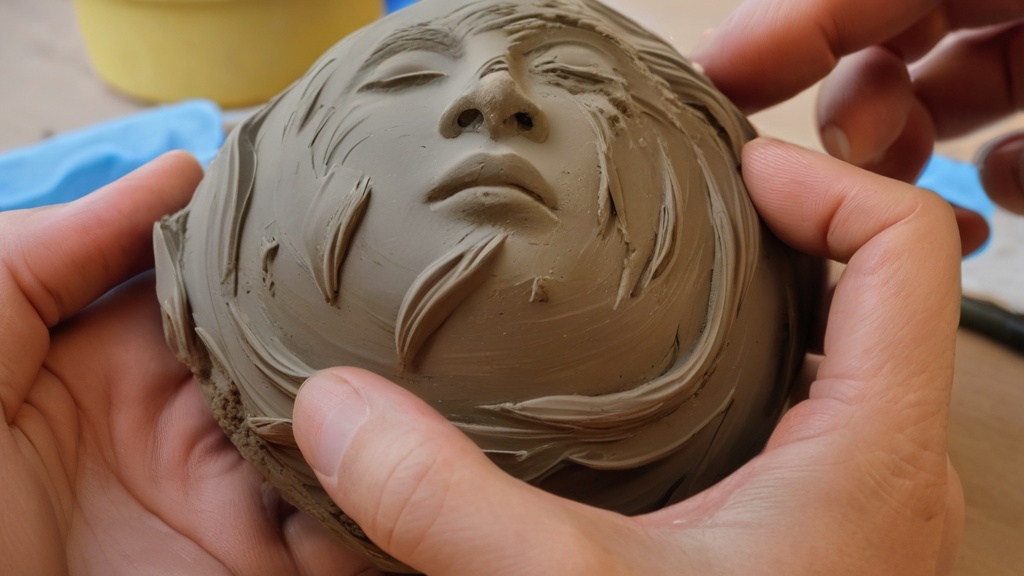
You’re not just sculpting an object; you’re often sculpting a part of yourself, your patience, and your artistic confidence. The act of working with air dry clay extends far beyond the physical creation.
A Path to Well-being
In an increasingly fast-paced world, the deliberate and tactile nature of sculpting offers a powerful antidote.
Promoting Mindful Creation
Contemporary tutorials and trend reports frequently highlight daily air dry clay sculpting habits as a therapeutic practice. The focus required to manipulate the clay, to slowly build a form, and to observe its subtle changes as it dries, encourages mindfulness. It’s an opportunity to disengage from screens and immerse yourself in a sensory, creative activity.
Low-Equipment, High-Reward
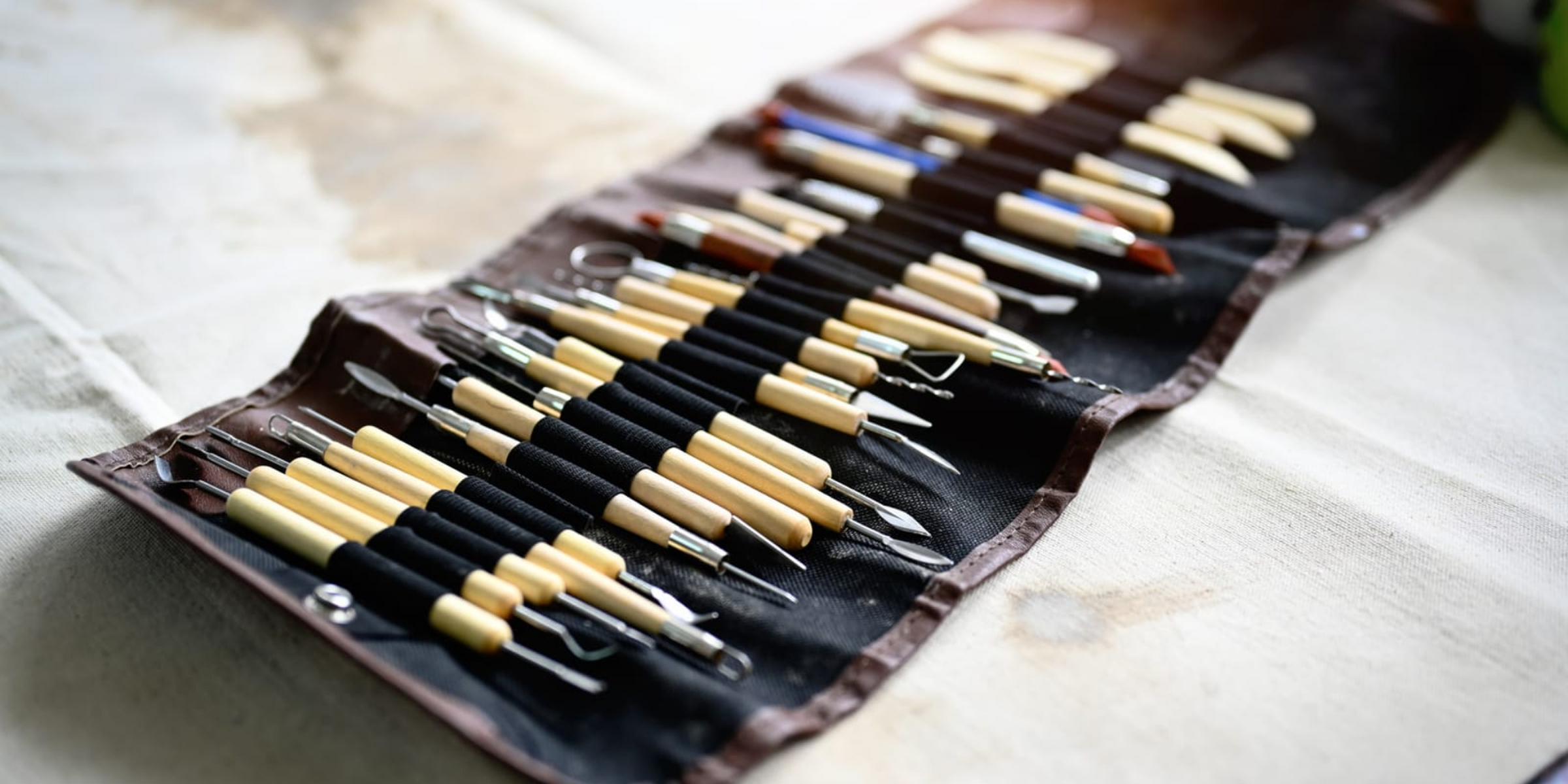
For you, who might be seeking a low-stress creative outlet without a huge upfront investment, air dry clay is ideal. It requires minimal equipment – just your hands and the clay, perhaps a few basic sculpting tools. This low-equipment entry point removes barriers, making artistic expression accessible and reducing the intimidation often associated with more complex crafts.
Building Skills and Confidence
Every piece you create, regardless of its perceived perfection, contributes to your artistic growth.
Cultivating Patience
Sculpting with air dry clay inherently teaches patience. From the slow process of building up layers to waiting for the piece to dry completely, you’ll learn to embrace delayed gratification and the natural rhythms of creation. This patience often translates to other areas of your life, proving the holistic benefits of artistic practice.
Fostering Artistic Confidence
As you complete projects, big or small, you’ll experience a palpable boost in your artistic confidence. Seeing your ideas transform from a lump of clay into a tangible object is incredibly rewarding. Each successful piece reinforces your ability, encouraging you to tackle more challenging projects and further explore your creative potential. This continuous cycle of learning, creating, and achieving is invaluable for any artist.
So, Is Air Dry Clay Good for Sculpting? Your Verdict
| Metrics | Results |
|---|---|
| Ease of Use | Easy to work with and mold |
| Drying Time | Dries slowly, allowing for detailed sculpting |
| Finish | Smooth finish, suitable for painting and decorating |
| Durability | Can be fragile if not handled carefully |
| Cost | Relatively affordable compared to other sculpting materials |
You’ve explored the landscape of air dry clay, understanding its strengths, its limitations, and its unexpected therapeutic benefits. So, what’s the definitive answer?
The Ideal Starter Medium
For you, the beginner, the hobbyist, or anyone seeking an accessible and forgiving creative outlet, air dry clay is unequivocally good for sculpting. Its ease of use, lack of complex equipment, and relatively low cost make it an excellent material for learning fundamental techniques and experimenting without fear.
A Legitimate Medium for Certain Applications
With the advent of “art-grade” air dry clays, you can now produce surprisingly detailed and aesthetically pleasing pieces. If your goal is to create decorative objects, keepsakes, ornaments, or unique sculptures that will be displayed indoors and handled gently, then air dry clay can absolutely meet your needs. It supports a wide array of armatures and allows for intricate detailing, making it suitable for a broader range of projects than you might initially assume.
When to Consider Alternatives
However, you must acknowledge its limitations. If your vision involves creating functional ware like dishes or mugs, or robust outdoor sculptures that need to withstand the elements, then air dry clay is not the right choice. For objects requiring extreme durability or true waterproofing, you’ll need to explore alternatives like ceramic clay (fired in a kiln) or polymer clay (baked in a home oven for a much harder finish).
Ultimately, the goodness of air dry clay for sculpting depends on your specific goals, your desired outcomes, and your willingness to work within its inherent characteristics. If you approach it with an understanding of its capabilities and constraints, you’ll find it to be an incredibly rewarding and versatile medium that can ignite your passion for sculpting and fuel countless hours of creative joy. Now, go ahead, get your hands dirty, and start creating!
FAQs
What is air dry clay?
Air dry clay is a type of modeling clay that hardens as it dries in the air, without the need for baking or firing in a kiln. It is a popular choice for sculpting and crafting due to its ease of use and accessibility.
Is air dry clay good for sculpting?
Yes, air dry clay is a good option for sculpting. It is soft and pliable, making it easy to shape and mold into various forms. It also dries to a lightweight and durable finish, making it suitable for creating sculptures and other artistic projects.
What are the advantages of using air dry clay for sculpting?
Some advantages of using air dry clay for sculpting include its ease of use, ability to air dry without the need for special equipment, and its affordability. It is also suitable for both beginners and experienced artists, and can be painted and decorated once dry.
Are there any limitations to using air dry clay for sculpting?
While air dry clay is a versatile and convenient sculpting material, it does have some limitations. It may not be as durable as other types of clay, such as polymer clay or ceramic clay, and it may be more prone to cracking or breaking if not handled carefully.
How should air dry clay sculptures be stored and maintained?
To ensure the longevity of air dry clay sculptures, it is important to store them in a cool, dry place away from direct sunlight and moisture. Additionally, handling them with care and avoiding excessive pressure or impact can help prevent damage. If desired, sculptures can be sealed with a clear varnish or sealant to provide added protection.