
You’ve likely found yourself staring at two enticing bags of clay, brimming with creative potential, and wondered, “Which one is right for me?” The world of clay sculpting can be a labyrinth of choices, and often, the first fork in the road leads you to a debate between polymer clay and air-dry clay. While both offer the joy of transforming a shapeless blob into something tangible, understanding their fundamental differences is crucial to achieving your artistic vision and avoiding potential pitfalls. This guide will delve deep into the unique characteristics of each, helping you make an informed decision for your next crafting adventure.
The most significant distinction between polymer clay and air-dry clay lies in their curing process. This isn’t just a minor detail; it dictates how you work with the material, the permanence of your creations, and the tools you’ll need.
Baking vs. Evaporation: A Tale of Two Cures
Polymer Clay: The Heat-Activated Artist
Imagine a clay that waits patiently for your touch, pliable and forgiving until you decide it’s time to lock in your masterpiece. That’s the essence of polymer clay. Its magic lies in its carefully engineered composition: plastic polymers, plasticizers, pigments, and fillers. When you remove it from its packaging, it’s inert. It won’t dry out on its own, allowing you ample time to sculpt, revise, and perfect. The only way to transform this soft, pliable material into a hard, durable object is through heat.
[Mention the need for an oven; specifically, a dedicated clay oven or a well-ventilated standard oven is recommended.] You’ll need to bake polymer clay in a preheated oven at a specific temperature for a prescribed duration, often detailed on the clay’s packaging. This baking process causes the plastic particles within the clay to fuse together, creating a permanent, solid structure. The result is a remarkably strong and often somewhat flexible piece that won’t degrade over time if cured correctly.
Air-Dry Clay: The Patient Evaporator
On the other hand, air-dry clay is a champion of simplicity. Its primary ingredient is typically natural clay, combined with binders and water. When you open a package of air-dry clay, you’ll notice it’s moist and malleable. As soon as it’s exposed to the air, the evaporation process begins. Water molecules start to escape, and as they do, the clay particles draw closer together, binding and hardening.
[Elaborate on the ambient drying process.] You don’t need any special equipment for air-dry clay; your room temperature is its oven. This makes it incredibly accessible, especially for beginners or younger crafters. However, this natural drying process comes with its own set of considerations. If the clay is too thick, or if the drying conditions are uneven, you can run into issues with cracking. The key is to allow it to dry gradually and evenly.
The Implications for Your Workflow
The difference in curing methods profoundly impacts your creative workflow.
Unlimited Working Time with Polymer Clay
With polymer clay, you have the luxury of time. You can leave a project unfinished for days, or even weeks, and it will remain in its workable state. This is a huge advantage when tackling complex sculptures, intricate details, or when you simply need to step away and return to your work without pressure. You can experiment with different techniques, blend colors, and refine shapes without worrying about the clay hardening prematurely.
The Race Against the Clock (Sort Of) with Air-Dry Clay
Air-dry clay, by its very nature, begins to dry as soon as you unpack it. While this doesn’t mean you have mere minutes to finish a project, it does mean you have a more limited working window compared to polymer clay. Once it starts to set, it becomes more difficult to manipulate and add new pieces. For simpler projects or when working with children, this might be perfectly acceptable. However, for highly detailed or multi-stage projects, you’ll need to work in sections or be mindful of how quickly you’re progressing.
Material Composition: What’s Inside Matters
Understanding the fundamental makeup of each clay type provides further insight into their performance, feel, and limitations.
The Synthetic Nature of Polymer Clay
Polymer clay is a synthetic marvel. Its base is polyvinyl chloride (PVC), a type of plastic, suspended in a plasticizer oil. This combination is what gives it its unique properties. The pigments used are also synthetic, allowing for a vast and vibrant color palette. Because it’s a manufactured product, polymer clay is consistent in its texture and behavior, with minimal natural impurities to contend with.
[Discuss the chemical components and their impact.] The plasticizers are essential for keeping the clay soft and workable before baking. Once baked, these plasticizers are released, and the PVC particles fuse, creating a rigid, durable plastic. This synthetic origin is why it can achieve such fine detail and maintain its form without warping or shrinking significantly.
The Natural Foundation of Air-Dry Clay
Air-dry clay, on the other hand, leans towards the natural. Its core component is earth-based clay, often sourced from mines. This clay is then mixed with binders (to hold it together) and a significant amount of water. Sometimes, other natural materials like cellulose fibers are added to improve its workability and reduce cracking.
[Explain the earthy texture and potential for shrinkage.] Because it’s derived from natural sources, air-dry clay can have a slightly more earthy texture, which some artists find appealing. However, this natural origin also means there can be slight variations in consistency between brands or even batches. Furthermore, as the water evaporates, air-dry clay will naturally shrink and can sometimes warp if not handled carefully.
Surface Qualities and Detail Rendering

For many artists, the ability to render fine details is paramount. The surface texture and its propensity for accepting intricate work are key differentiators.
The Smooth Canvas of Polymer Clay
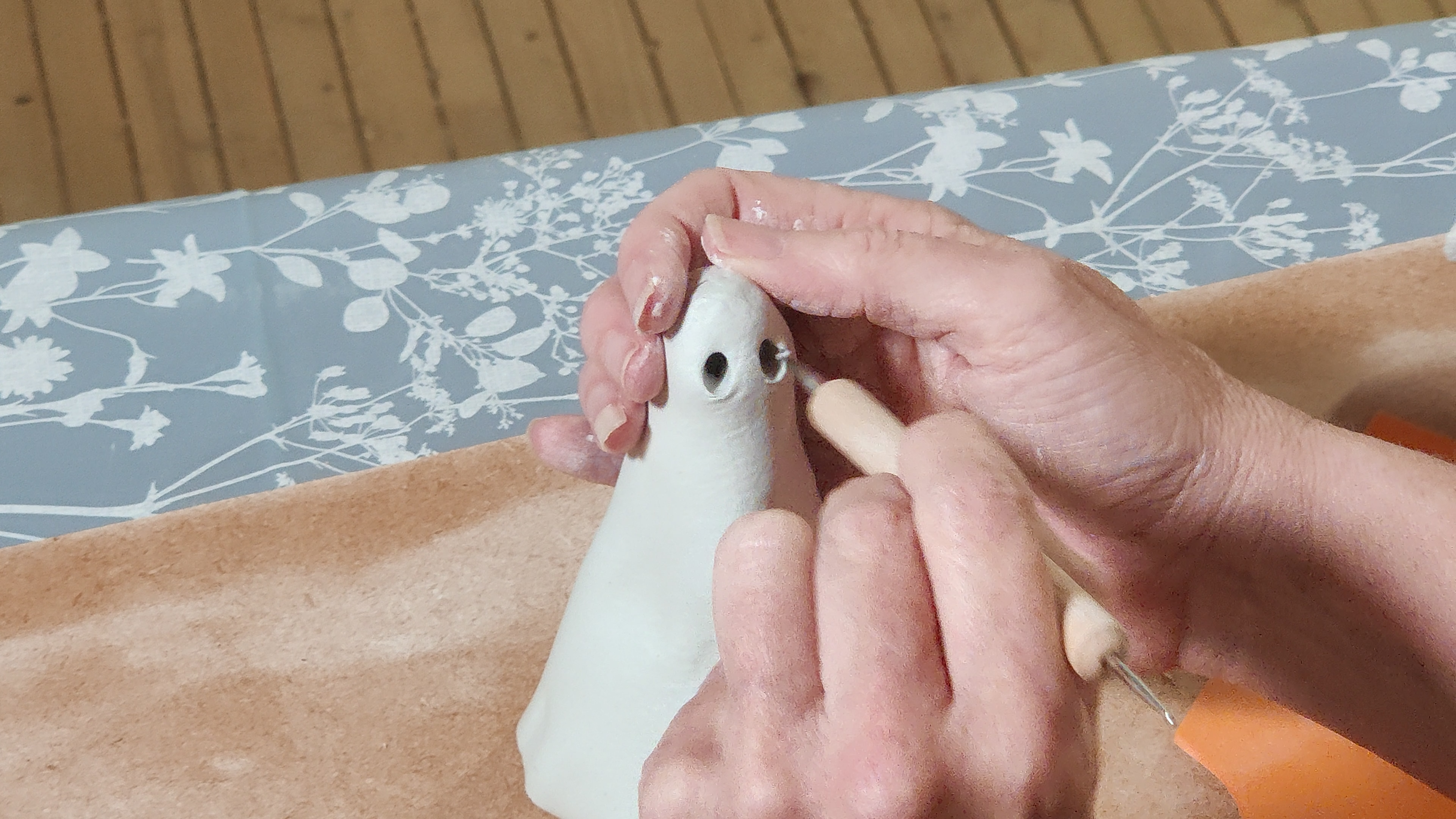
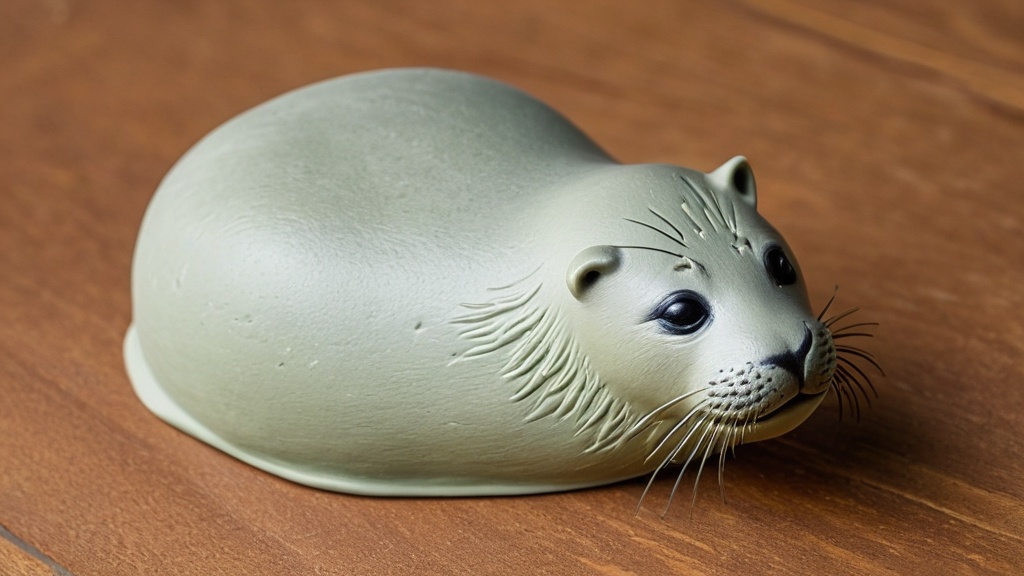
Polymer clay is renowned for its smooth, refined surface. When worked with, it can achieve a satiny finish that is perfect for capturing the tiniest details. Whether you’re creating delicate jewelry components, miniature figurines with intricate facial features, or tiny architectural elements, polymer clay excels. Its pliability allows you to sculpt sharp edges, subtle curves, and intricate patterns with precision.
[Highlight its suitability for miniatures and jewelry.] This smooth, non-porous surface also means that most paints and sealers adhere exceptionally well, allowing for further enhancement of detail through glazing or fine brushwork. You can achieve a polished, professional look with polymer clay that’s often more challenging with air-dry alternatives.
The Textured Territory of Air-Dry Clay
Air-dry clay generally lends itself to a more textured finish. While it can be smoothed with water or tools, achieving the same level of fine detail as polymer clay can be more difficult. Its slightly coarser texture means that very tiny features might become blurred or less distinct.
[Explain why it’s less ideal for intricate work.] This doesn’t mean you can’t achieve beautiful results with air-dry clay; it simply means you might opt for a different aesthetic. Many artists embrace the slightly more rustic or organic feel of air-dry clay, which can be perfect for larger sculptures, folk art pieces, or projects where a less polished look is desired. With careful manipulation and the use of smoothing techniques, you can still achieve pleasing textures, but for hyper-realistic miniatures, it might not be your first choice.
Durability and Longevity: Standing the Test of Time

Once your creation is complete, how will it hold up to the elements, to handling, and to the passage of time? Durability is a significant factor in choosing the right clay.
The Robust Resilience of Polymer Clay
Polymer clay, once properly baked, is remarkably strong and durable. It resists chipping, cracking, and breaking much better than its air-drying counterpart. Its plastic-based nature gives it a degree of flexibility, meaning it’s less prone to shattering if dropped. This inherent strength makes it ideal for items that will be handled frequently, such as jewelry, keychains, or small decorative items.
[Emphasize its flexibility and resistance to cracking.] The controlled curing process ensures that the plastic polymers bond securely, creating a solid, cohesive structure. This results in creations that not only look good but are built to last, maintaining their integrity over extended periods without degradation.
The Brittle Tendencies of Air-Dry Clay
Air-dry clay, while satisfying to work with, is generally more brittle once fully dried. Its natural composition and the evaporation of water can lead to a material that is more prone to cracking, especially if it dries too quickly or if the piece is relatively thin. Attempting to bend or stress an air-dry clay creation too much can lead to breakage.
[Discuss the risks of rapid drying and cracking.] While sealing air-dry clay can add some protection and reduce the likelihood of minor chipping, it doesn’t fundamentally alter its inherent brittleness. For this reason, it’s often recommended for display pieces or items that won’t be subjected to significant physical stress. If you’re making something that needs to withstand a lot of handling or potential impacts, air-dry clay might not be the most robust choice.
Water Resistance and Finishing Touches
| Criteria | Polymer Clay | Air Dry Clay |
|---|---|---|
| Hardening Process | Requires baking in an oven | Dries and hardens in the air |
| Working Time | Does not dry out during use | Dries out if left exposed to air for too long |
| Color Options | Wide range of colors available | Can be painted after drying |
| Strength | Hard and durable after baking | Can be brittle and fragile |
| Cost | Generally more expensive | Usually more affordable |
The final appearance and protective qualities of your finished piece are often addressed through finishing techniques, and here, the clays have distinct needs.
The Naturally Water-Resistant Polymer Clay
One of the significant advantages of polymer clay is its water resistance after curing. Once baked, the plastic material becomes effectively waterproof. This means you don’t typically need to seal it to protect it from moisture. You can clean your polymerized creations with a damp cloth without worry.
[Explain why sealing is often unnecessary.] This property is particularly beneficial for jewelry that might come into contact with sweat or light rain, or for decorative items that might be placed in areas with fluctuating humidity. While some artists choose to seal or varnish polymer clay for aesthetic reasons (e.g., to achieve a high gloss), it’s not a functional necessity for water protection.
The Sealing Imperative for Air-Dry Clay
Air-dry clay, being water-based, is inherently not water-resistant. If exposed to moisture, it can become soft again, potentially deforming or even breaking down. Therefore, if you intend for your air-dry clay creations to be anything other than purely decorative display pieces, or if they might encounter any level of humidity, sealing them is almost always a necessity.
[Discuss various sealing options and their benefits.] A variety of sealants are available, including acrylic varnishes, Mod Podge, or even specialized clay sealers. Applying one or more coats of a sealant will create a protective barrier, making the piece more durable and resistant to moisture. This step is crucial for preserving your air-dry clay art and ensuring its longevity. Different sealants can also offer various finishes, from matte to glossy, further enhancing your artistic options.
Best Use Cases: Where Each Clay Shines
Considering all the differences, where does each clay truly excel? Understanding their strengths will help you align your project goals with the right material.
The Precision Playground: Polymer Clay’s Domain
Polymer clay is the artist’s choice for projects requiring intricate detail, vibrant color, and lasting durability.
Miniatures and Dioramas: Bringing Tiny Worlds to Life
If you’re passionate about crafting miniature scenes, dollhouse accessories, or incredibly detailed figurines, polymer clay is your go-to material. Its ability to hold sharp lines, capture minute textures, and blend seamlessly makes it perfect for creating lifelike details on a small scale. This is where its smooth surface and ease of manipulation truly shine.
Jewelry Making: From Beads to Pendants
The strength, flexibility, and water resistance of cured polymer clay make it an exceptional choice for jewelry. You can create custom beads with intricate patterns, lightweight pendants, elaborate earrings, and more. The ability to achieve a professional, polished finish is a significant advantage for wearable art. Unlike some natural clays that can be heavy or fragile, polymer clay jewelry can be both beautiful and robust.
Figurines and Character Sculpting: Bringing Characters to Life
Whether you’re a hobbyist or aspire to be a professional sculptor, polymer clay offers the control and detail needed for character creation. You can sculpt expressive faces, fine fabric folds, and intricate costume details with confidence. The ability to bake pieces in stages and join them together also allows for more complex character designs.
The Accessible Arena: Air-Dry Clay’s Strengths
Air-dry clay offers an inviting entry point into the world of sculpting, excelling in projects where simplicity, ease of use, and a more organic aesthetic are desired.
Beginner-Friendly Projects: Getting Your Hands Dirty
For those new to sculpting, or for parents looking for engaging activities for children, air-dry clay is an ideal starting point. Its non-toxic nature (for most brands) and the absence of baking requirements make it safe and straightforward. Kids can enjoy the tactile experience of shaping and creating without the need for adult supervision around hot ovens.
Kid-Oriented Crafts: Fun and Educational
Air-dry clay is a staple in classrooms and craft groups for good reason. It’s perfect for making simple animal figures, pinch pots, decorative ornaments, or masks. The focus is on the creative process and the joy of making, rather than demanding precision. Its ability to be painted and decorated once dry adds another layer of engagement for young artists.
Large Sculptures and Decorative Pieces: Embracing Form
When you’re working on larger decorative items, decorative bowls, or abstract sculptural forms where extreme detail isn’t the primary goal, air-dry clay can be an excellent choice. It’s often more economical for larger projects compared to polymer clay. Its slightly more organic feel can lend itself beautifully to rustic or bohemian decor.
Projects Requiring a Natural, Earthy Aesthetic
If you’re aiming for a piece that feels grounded, natural, or has a slightly rustic charm, the inherent texture of air-dry clay can be an advantage. It lends itself well to projects inspired by nature, folk art, or pieces where a perfectly smooth, manufactured finish isn’t the desired outcome.
In conclusion, both polymer clay and air-dry clay are fantastic mediums with unique strengths. By understanding their fundamental differences – how they cure, what they’re made of, how they handle detail, their durability, and their finishing requirements – you can confidently choose the clay that will best bring your creative vision to life. Whether you’re aiming for the intricate perfection of a miniature, the lasting beauty of jewelry, or the simple joy of a child’s first sculpture, the right clay is waiting for your touch. Now go forth and create!
FAQs
What is polymer clay?
Polymer clay is a type of modeling clay that is made from polyvinyl chloride (PVC), plasticizer, and pigment. It does not dry out when exposed to air and must be cured in an oven to harden.
What is air dry clay?
Air dry clay is a type of modeling clay that dries and hardens when exposed to air. It does not require baking or curing in an oven like polymer clay.
What are the main differences between polymer clay and air dry clay?
The main differences between polymer clay and air dry clay are their composition and curing process. Polymer clay is made from PVC and requires baking to harden, while air dry clay dries and hardens when exposed to air.
What are the advantages of using polymer clay?
Polymer clay is known for its durability, flexibility, and ability to hold fine details. It can also be easily blended and mixed to create custom colors.
What are the advantages of using air dry clay?
Air dry clay is popular for its ease of use, as it does not require baking and can be air-dried. It is also lightweight and can be easily painted and sealed after drying.