The world of DIY projects offers a fantastic outlet for creativity and a practical way to add personal touches to your home or give unique gifts. You don’t need to be a seasoned artist or have a dedicated workshop to get started. Many rewarding projects can be tackled with basic tools and materials you might already have on hand. The “art of crafting” isn’t about perfection; it’s about the process, the learning, and the satisfaction of making something with your own hands.
Before diving into any specific project, it’s helpful to establish a foundational approach. This isn’t about grand plans, but rather a few sensible considerations that can make your crafting journey more enjoyable and less frustrating.
Embracing Imperfection
One of the most liberating aspects of DIY is understanding that “perfect” is often the enemy of “done.” Handmade items inherently carry a unique charm that mass-produced goods lack. Minor imperfections are part of that character. Don’t let the fear of making a mistake stop you from trying something new. Think of it as a learning opportunity; every “oops” is a chance to refine your technique or discover an unexpected solution. The goal is enjoyment and creation, not factory-line precision.
Assessing Your Space
Consider where you’ll be working. Do you have a dedicated craft room, or will you be using a corner of your dining table? A clear, well-lit space is crucial for preventing frustration and eye strain. Ensure good ventilation, especially if you’re working with glues, paints, or other materials with fumes. Having a designated storage area for your tools and supplies can save a lot of time and effort in the long run. Even a simple plastic bin can go a long way in keeping things organized.
Basic Tool Kit Essentials
You don’t need to buy out a hardware store. Many DIY projects can be accomplished with a surprisingly small set of tools. Here are a few to consider starting with:
- Cutting Tools: A good pair of scissors (dedicated for fabric, paper, or general use), a utility knife, and perhaps a craft knife for more precise cuts.
- Measuring Tools: A ruler (metal or sturdy plastic for cutting guides), a tape measure, and a protractor if you anticipate needing angles.
- Adhesives: All-purpose craft glue, wood glue (for woodworking projects), and possibly a hot glue gun (very versatile for quick bonds).
- Writing/Marking: Pencils, chalk, or erasable fabric markers, depending on your material.
- Safety Gear: Gloves (for protection from chemicals or rough materials), safety glasses (especially when cutting or drilling), and possibly a cutting mat to protect your work surface.
If you’re interested in exploring more creative projects, you might enjoy reading about how to make charming air dry clay fairy homes. This article provides step-by-step instructions and tips to help you craft your own whimsical creations. To learn more, visit this link for detailed guidance and inspiration.
Paper Crafting: Accessible Creativity
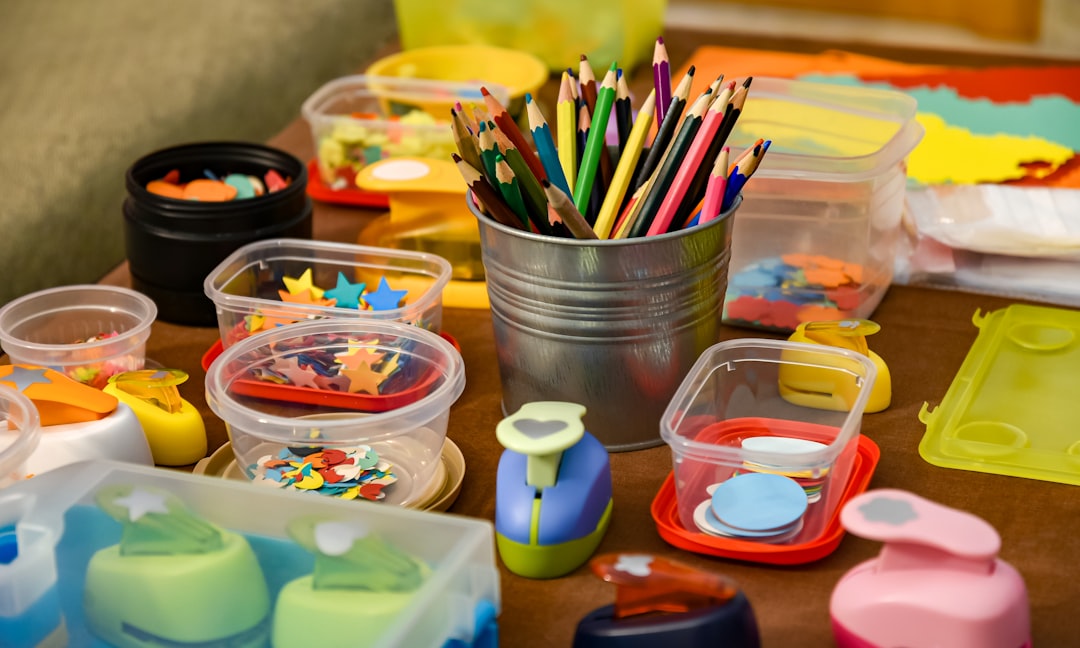
Paper is incredibly versatile, inexpensive, and readily available. It’s a fantastic medium for beginners and offers endless possibilities for creative expression.

VINTAGE DECOUPAGE PAPER KIT - This versatile kit includes two essential materials: elegant textured scrapbook paper and lightweight specialty rice paper. Explore a vast library of 84 curated designs—from delicate textures to full-color vintage prints. Perfect for artisans and craft lovers, it provides the ideal creative backdrop for decoupage, journaling, collage, and building a nostalgic atmosphere, ensuring a continuous flow of inspiration so your creativity never stalls

【High Quality】This quilling slotted tool paper rolling set is made of premium PVC, plastic and stainless steel, which is durable and well made. The slotting depth and length of these quilling needle pens are suitable for paper of various thicknesses and sizes. Various sizes allow you to do more high quality paper flower work
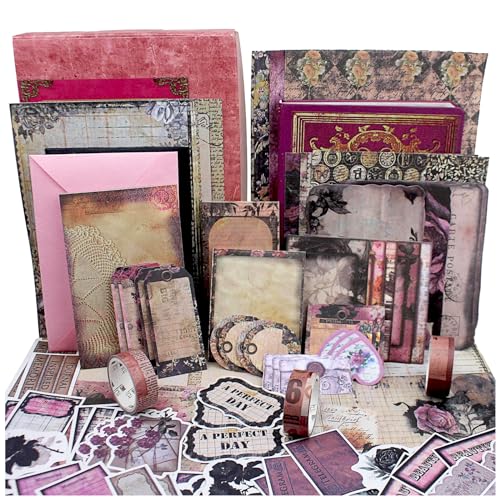
SUITABLE STARTER SET- Vintage Scrapbook Kit All in One Box- Our 185pcs vintage scrapbook kit has everything needed to create a junk journaling collage spread. It's a suitable journaling kit for both beginners & and experienced journalers
Upcycling Magazines and Books
Don’t toss out old magazines or outdated books. They’re brimming with potential. You can cut out interesting images or text for collages, create decorative paper beads, or even weave strips of paper into mats or baskets. Old book pages can be used for decoupage, giving a vintage feel to furniture or picture frames. The key is to look at the textures and colors already present and imagine them in a new context.
Origami and Kirigami
Origami, the art of paper folding, requires no glue or cutting. It’s excellent for developing fine motor skills and patience. There are countless tutorials online for everything from simple cranes to complex modular designs. Kirigami is similar but allows for cutting, opening up possibilities for pop-up cards or intricate paper snowflakes. Start with simple designs to master the basic folds and techniques before moving on to more challenging creations.
Custom Greeting Cards and Stationery
Making your own cards adds a deeply personal touch to any occasion. You can use stamps, stencils, layered paper, or even hand-drawn elements. Consider incorporating pressed flowers or small fabric scraps for added texture. For stationery, simply decorating plain notepads or creating unique bookmarks can elevate everyday items. Using interesting cardstock and a few embellishments can transform a simple piece of paper into a thoughtful gift.
Textile Arts: Fabric and Fiber Fun
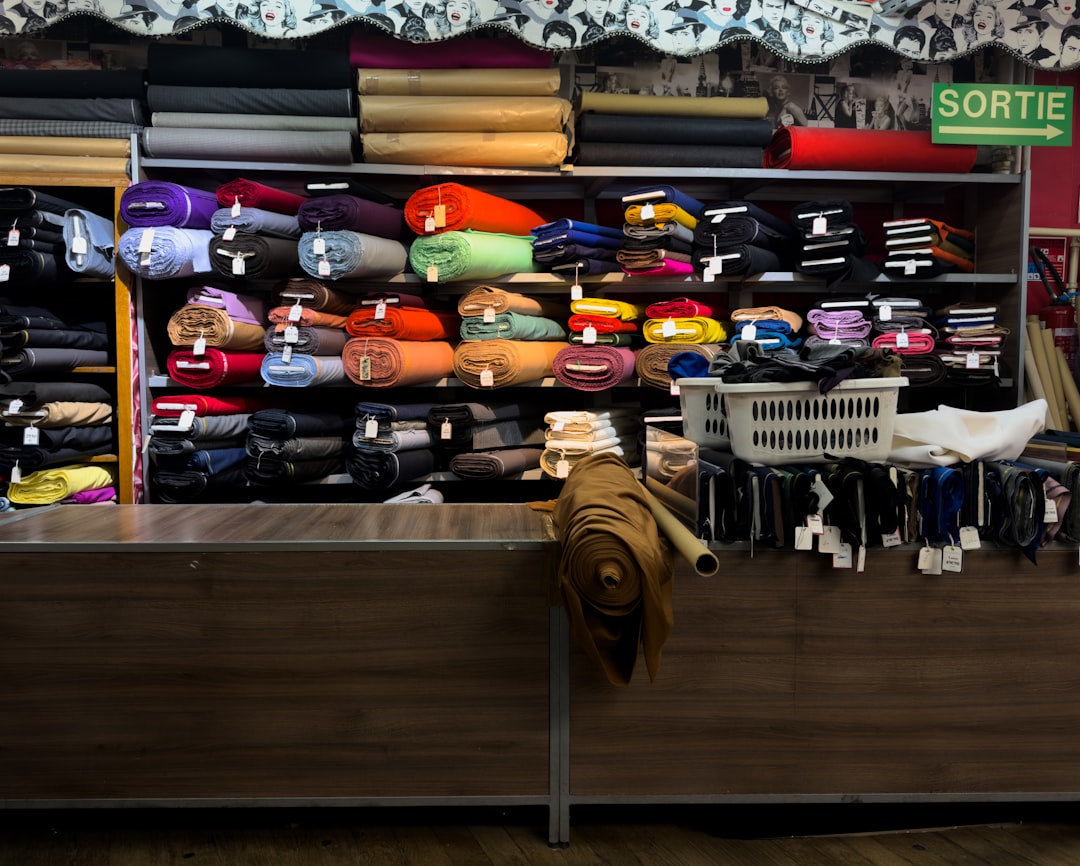
Working with textiles can range from simple no-sew projects to more intricate sewing, knitting, or crocheting. It introduces a tactile dimension to your crafting.
No-Sew Projects for Beginners
If you’re new to fabric, skip the sewing machine initially. Think about projects that use fabric glue, knots, or simple cuts. Fleece blankets with fringed edges are a classic no-sew project. Fabric scraps can be used to make decorative wall art by gluing them onto a canvas or sturdy cardboard. You can also create fabric-wrapped hangers, keychains, or even simple headbands by securing ends with fabric glue or a few hand stitches.
Basic Hand Sewing and Mending
Learning a few basic hand stitches can open up a world of possibilities. A simple running stitch, backstitch, and whipstitch are enough to tackle many small projects.
- Button Replacement: A practical skill that saves worn garments.
- Small Repairs: Mending a seam, patching a hole, or hemming a pair of trousers.
- Simple Pouches or Coasters: These allow you to practice straight lines and finishing edges.
- Embroidery Embellishments: Add a unique touch to clothing or home decor with basic embroidery patterns.
Dyeing and Printing Fabric
Transform plain fabrics into something unique with dyes or prints. Natural dyes (from avocado pits, onion skins, or tea) offer beautiful, subtle hues. Fabric paints can be used with stencils to create custom patterns, or you can try block printing with carved linoleum blocks or even everyday objects like leaves or potatoes. Always pre-wash your fabric and follow dye instructions carefully for best results and color fastness.
Home Decor Upcycling: Giving New Life

Upcycling is about taking existing items and creatively transforming them into something new, useful, or decorative, rather than discarding them. It’s both eco-friendly and budget-friendly.

EASY TO USE, EVEN FOR BEGINNERS: Whether you’re new to DIY or a pro, Rust-Oleum Chalked makes painting easy and enjoyable. Minimal prep required means you can jump right into your project confidently and focus on creativity—not complicated steps

VERSATILE SIZE - This unique chalk acrylic paint comes in a convenient 8 oz size and has a rich, highly pigmented formula - perfect for all your home décor projects!

COLORS BY ANNIE SLOAN: The color of chalk and gesso, Old White is a soft off-white Chalk Paint color that works with everything. It has no pink or yellow in it so you can use it to lighten any of the other Chalk Paint color and create the exact tone for your room. Paint it over Paris Grey for the quintessential French look or add water to create a white wash and bring out the grain in the wood.
Repurposing Glass Jars and Bottles
Don’t throw away those empty jam jars or wine bottles. They are incredibly versatile.
- Storage: Organize small items like buttons, craft supplies, or spices.
- Vases/Candle Holders: Decorate them with paint, twine, or lace for an instant upgrade.
- Terrariums: Create mini ecosystems with small plants, soil, and decorative stones.
- Lanterns: Place battery-operated fairy lights inside for a soft glow.
Furniture Makeovers
An outdated or worn piece of furniture often just needs a little TLC.
- Painting: A fresh coat of paint can completely transform a piece. Consider chalk paint for a distressed look or spray paint for a smooth, even finish. Remember to clean and sand lightly before painting.
- Decoupage: Apply decorative paper, fabric, or even maps to surfaces using a decoupage medium.
- New Hardware: Swapping out old drawer pulls and knobs for new ones can instantly update a dresser or cabinet.
- Reupholstering Small Items: A simple stool or chair seat can be reupholstered with a new fabric, using a staple gun for an easy fix.
Creating Wall Art from Found Objects
Look around your home or local thrift store for items that can become unique wall art.
- Old Records: Paint them, drill holes and string them together, or create a mosaic.
- Picture Frames: Paint empty frames and arrange them aesthetically, or fill them with interesting fabric scraps, pressed flowers, or small craft projects.
- Branches and Twigs: Clean them, paint them, and arrange them with air plants or small ornaments for a natural, rustic look.
- Bottle Caps/Corks: Glue them onto a board to create textured mosaics or patterns.
If you’re looking to enhance your crafting skills, you might find inspiration in a related article that discusses the importance of incorporating simple, earthy touches into your DIY home decor projects. This approach not only adds a unique aesthetic but also creates a warm and inviting atmosphere in your space. To learn more about these ideas, check out this insightful piece on why DIY home decor needs simple earthy touches.
Practical Crafting: Functional and Decorative
| Category | Number of Crafters | Revenue |
|---|---|---|
| Knitting | 500 | 10,000 |
| Woodworking | 300 | 8,000 |
| Painting | 700 | 12,000 |
Some of the most satisfying DIY projects are those that combine aesthetics with utility. These are items you’ll use and appreciate daily.

Place Saving: Hanging Basket offers the wall-mounted storage solution, which provides extra storage place for storing fruits, vegetables, snacks, condiments, cosmetics, toiletries and plants.

Hand Woven with Care: The hyacinth storage baskets perfectly complements any home style.Each piece of work is carefully handcrafted by our hardworking workers, unique and one-of-a-kind

Space-Saving Master: Simply place your groceries, remotes, glasses, snacks, toys, and other small items into these baskets. Instantly organize your desk, closet, or shelves with ease. When not in use, the baskets can be nested for compact storage
Personalized Storage Solutions
Organization doesn’t have to be boring. Create storage that fits your style.
- Decorated Baskets: Paint plain wicker or fabric baskets, or line them with fabric.
- Customizable Drawer Dividers: Use cardboard, foam board, or thin wood to create compartments tailored to your needs.
- Clipboard Organizers: Paint clipboards, attach them to a wall, and use them to hold notes, receipts, or upcoming tasks.
Handmade Soaps and Candles
These projects involve a slightly different set of materials but are rewarding and make excellent gifts.
- Melt and Pour Soap: This is a beginner-friendly method. You buy a soap base, melt it, add fragrances, colors, and botanicals, then pour it into molds.
- Soy Candles: Soy wax is easy to work with and burns cleaner than paraffin. You’ll need wax, wicks, fragrance oils, and containers.
- Safety First: Always follow recipes carefully, especially when working with hot wax or lye (if attempting cold process soap making). Ensure good ventilation.
Garden and Outdoor Enhancements
Bring your crafting outdoors. Many projects can add charm and functionality to your garden or patio.
- Painted Planters: Transform plain terracotta pots with acrylic paint, stencils, or even mosaic tiles.
- Bird Feeders from Recycled Materials: Milk jugs, plastic bottles, or old teacups can be adapted into simple bird feeders.
- Stepping Stones: Use concrete mix and embed glass gems, pebbles, or mosaic pieces for unique garden paths.
- Wind Chimes: Old silverware, keys, or beach glass can be strung together to create melodic wind chimes.
The Next Steps: Learning and Sharing
Crafting is an ongoing journey of discovery. There’s always something new to learn, a technique to master, or a material to experiment with.
Finding Inspiration and Tutorials
The internet is a treasure trove of crafting inspiration. YouTube, Pinterest, and dedicated craft blogs offer step-by-step tutorials for almost any project imaginable. Don’t be afraid to adapt ideas to suit your own materials and preferences. Local craft stores often host workshops, which can be a great way to learn new skills in a guided environment. Books and magazines are also excellent resources.
Documenting Your Projects
Take photos of your finished projects, and even some “in progress” shots. This not only creates a personal portfolio but also allows you to look back and see how much you’ve improved. It can also be very helpful to note down any specific challenges you faced, what worked well, and what you’d do differently next time. This informal journaling can accelerate your learning curve.
Joining a Crafting Community
Whether online or in person, connecting with other crafters can be incredibly motivating. Share your projects, ask for advice, and offer support to others. Online forums, local craft groups, or even just sharing with friends can foster a sense of community and provide new perspectives. Seeing what others are creating can spark new ideas and inspire you to try different crafts.
Remember, the goal of crafting isn’t necessarily about producing perfect, marketable items. It’s about the creative process, the joy of making, and the satisfaction of transforming materials with your own hands. Embrace the journey, learn from your experiments, and enjoy the unique pieces you bring into existence.