You’re standing at the precipice of a new creative endeavor. Perhaps you’ve always harbored a secret desire to sculpt, to bring three-dimensional forms to life with your own hands. Or maybe you’re simply looking for a new, engaging hobby. As you search for the right medium, you keep coming across “air dry clay.” But is it truly suitable for sculpting? Can something so seemingly simple live up to the artistic demands you envision? Let’s delve into the world of air dry clay and discover if it’s the right fit for your sculpting journey.
You’ve undoubtedly seen the recent craft trends, a flurry of creative activity fueled by online tutorials and social media showcasing stunning air dry clay creations. This isn’t just a fleeting fad; there’s a genuine enthusiasm for this medium, and for good reason.
Beginner-Friendly Bliss
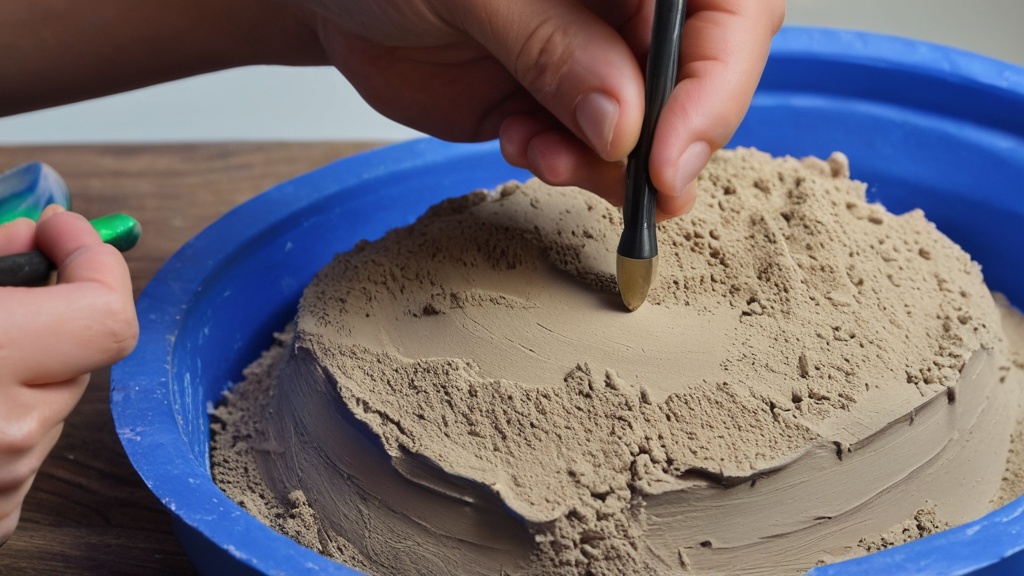
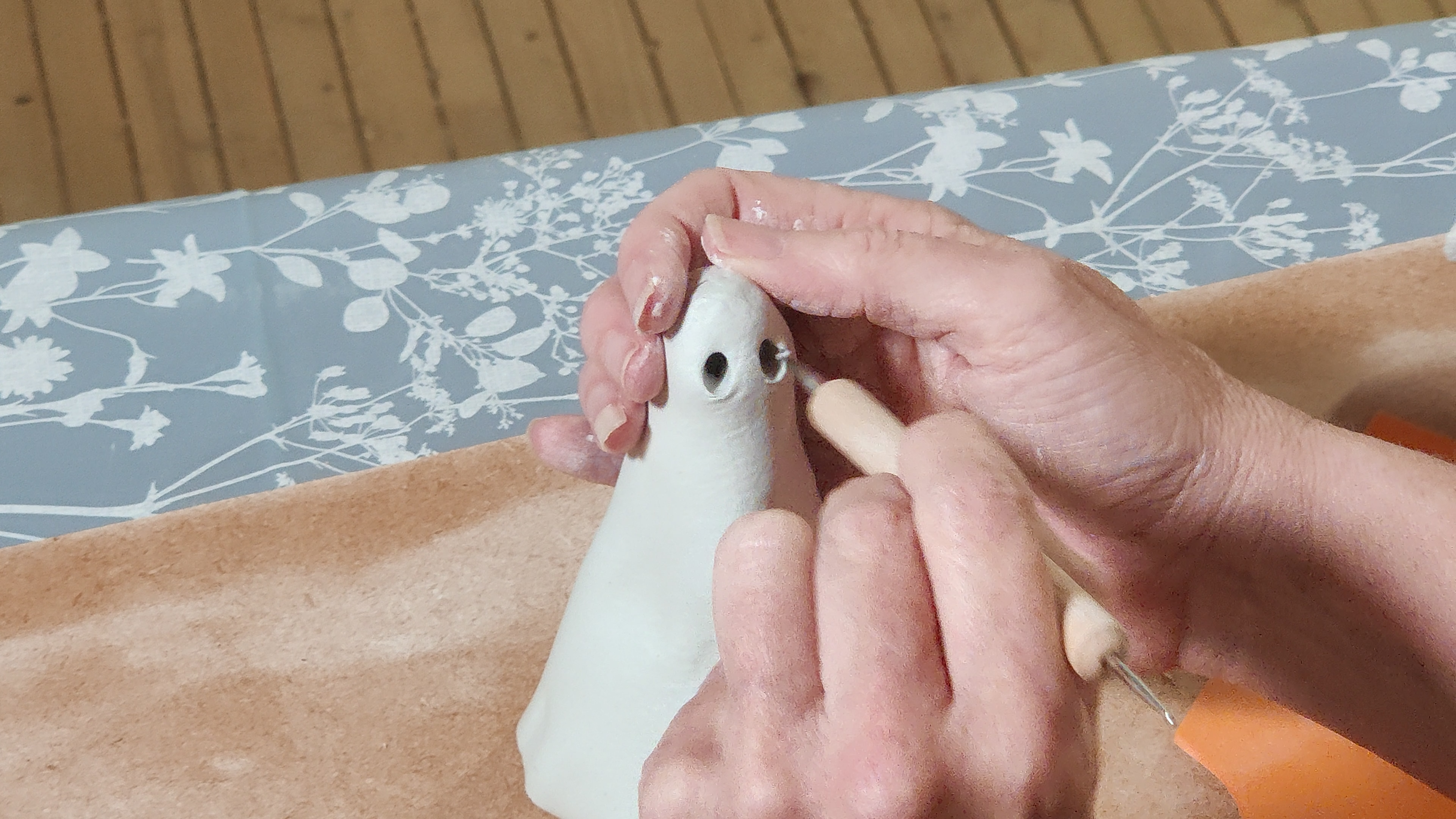
One of the most compelling aspects of air dry clay is its inherent accessibility. You won’t need to invest in expensive kilns, ventilation systems, or specialized firing schedules. This translates to an incredibly low barrier to entry, making it an ideal starting point for anyone, regardless of their prior artistic experience. You can literally unwrap a package of clay and begin creating.
No Kiln? No Problem!
Imagine the freedom. You can sculpt at your kitchen table, in your living room, or even outdoors. The absence of a kiln requirement eliminates logistical hurdles and significant costs, allowing you to focus purely on the creative process. This “no kiln” factor is a game-changer for many aspiring sculptors.
Instant Gratification (Almost)
While drying takes time, the immediate satisfaction of shaping forms with your hands is immense. You don’t have to wait for a pottery studio firing slot or worry about the complexities of glazing. You can see your creation evolve in real-time, a truly rewarding experience for a budding artist.
The Spark of Social Media Inspiration
You scroll through your feeds, and there they are: whimsical sculptures, elegant home decor pieces, and charming personalized gifts, all crafted from air dry clay. This visual feast on platforms like Instagram, Pinterest, and TikTok has served as a powerful catalyst, showcasing the vast potential of this seemingly simple material.
A Community of Creators
Beyond the inspiration, these online platforms foster vibrant communities. You’ll find countless tutorials, tips and tricks shared by experienced crafters, and a supportive network of fellow enthusiasts. This collective knowledge can be invaluable as you embark on your own sculpting adventures.
Showcasing Your Work to the World
Once you’ve created your masterpieces, you can easily share them with this global community, receiving encouragement and feedback that can further fuel your artistic journey. The joy of connection and shared passion is a significant draw for many.
The Evolution of Air Dry Clay: Beyond Child’s Play
You might harbor a lingering skepticism, picturing the crumbly, limited air dry clay from your childhood art classes. However, the landscape has significantly shifted. Modern advancements in air dry clay formulations have elevated it far beyond simple school projects.
Fine Quality, Fine Art
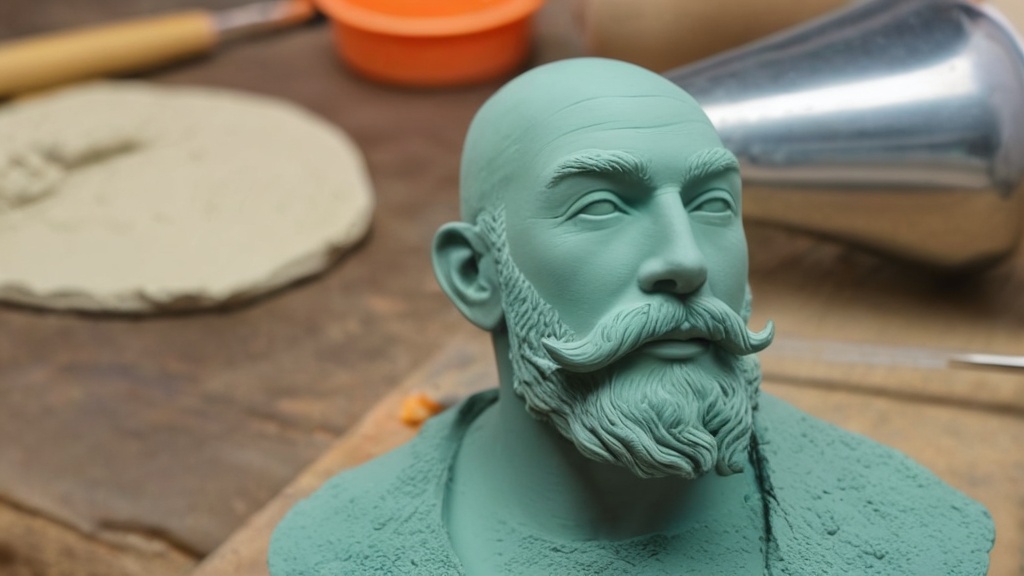
A new generation of “fine quality” self-hardening air dry clays has emerged. These aren’t your grandmother’s air dry clays; they boast improved workability, finer textures, and enhanced durability, making them suitable for intricate details and more sophisticated artistic expressions.
Improved Texture and Consistency
You’ll notice the difference immediately. These newer clays offer a smooth, pliable texture that responds beautifully to sculpting tools and hand manipulation. They hold detail exceptionally well, allowing you to create nuanced forms and delicate embellishments that were once impossible with older formulations.
A Broader Spectrum of Possibilities
With these advanced clays, you can now explore a wider range of artistic styles and subject matter. From realistic figures to abstract forms, the limitations imposed by earlier air dry clays have largely evaporated, opening up a world of creative opportunities for you.
Versatility in Techniques
Educators and artists now recognize air dry clay’s adaptability to various established sculpting techniques, proving its worth as a serious artistic medium.
Mastering Coiling
You can easily employ the coiling method, building up forms by stacking and blending ropes of clay. This technique is fantastic for creating hollow vessels, organic shapes, and even larger sculptures where weight distribution is key.
Embracing Slab Construction
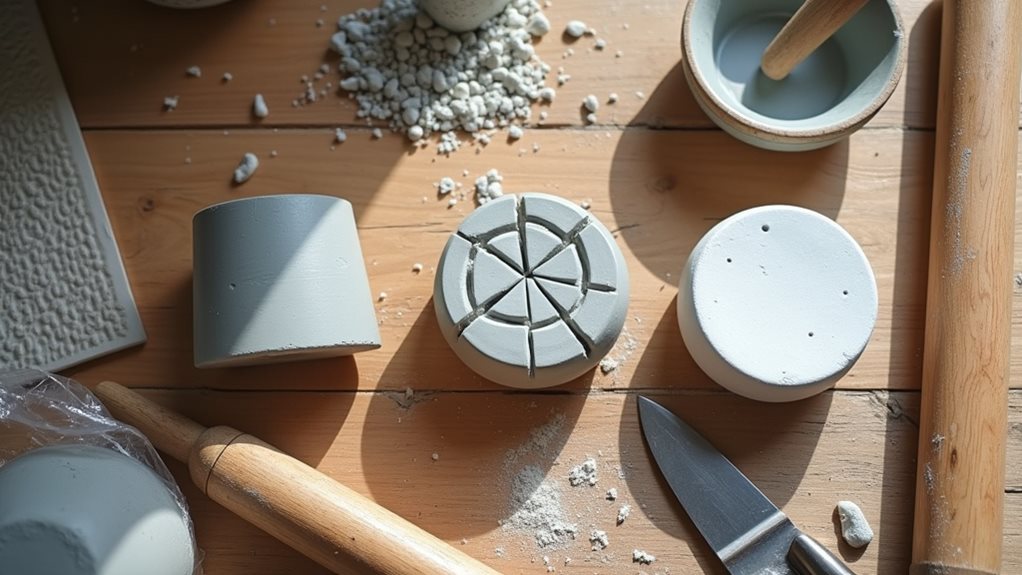
Slab construction, where you roll out flat sheets of clay and join them, is another technique that thrives with air dry clay. You can create geometric forms, boxes, or even intricate architectural models. The ease of cutting and scoring air dry clay makes this a satisfying process.
The Freedom of Armatures
One of the most liberating aspects of air dry clay is its compatibility with almost any material for armatures. Since your pieces will never enter a kiln, you’re not restricted by thermal expansion or material compatibility at high temperatures.
Wire and Foil: Your Best Friends
You can use aluminum foil for bulk and support, then wrap it with wire for structural integrity. This allows you to build a strong internal framework that prevents your sculpture from collapsing during the drying process, especially for larger or more complex pieces.
Cardboard and Found Objects
Don’t underestimate the power of everyday materials. Cardboard can form excellent flat armatures, while found objects like plastic bottles or even crumpled paper can serve as internal supports, reducing the amount of clay you need and thereby speeding up drying and minimizing shrinkage.
Best Practices for Sculpting Success
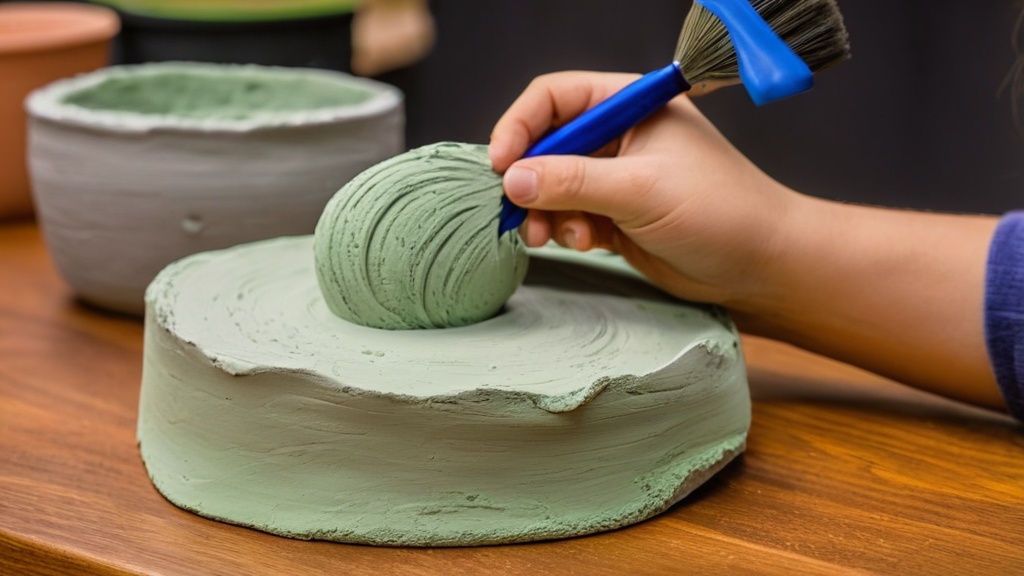
While air dry clay is forgiving, adhering to certain best practices will significantly improve your sculpting experience and the longevity of your creations. You want your artistic endeavors to be successful, and these tips will guide you.
The Power of a Strong Armature
You cannot overstate the importance of a well-constructed armature, particularly for any sculpture that extends beyond a small, solid form. Think of it as the skeleton of your piece.
Preventing Cracks and Collapse
Without proper internal support, your sculpture is highly susceptible to cracking as it dries, especially in areas where the clay is thick or unsupported. A sturdy armature evenly distributes the weight and stress of the drying clay, minimizing these issues.
Maintaining Form and Proportion
An armature helps you maintain the intended form and proportions of your sculpture throughout the building process. It provides a stable base to build upon, preventing sagging or distortion as you add more clay.
The Art of Slip-and-Score
Joining pieces of air dry clay effectively is crucial for preventing them from separating as they dry. This is where the time-tested “slip-and-score” method comes into play, a technique familiar to ceramic artists.
Creating Mechanical Adhesion
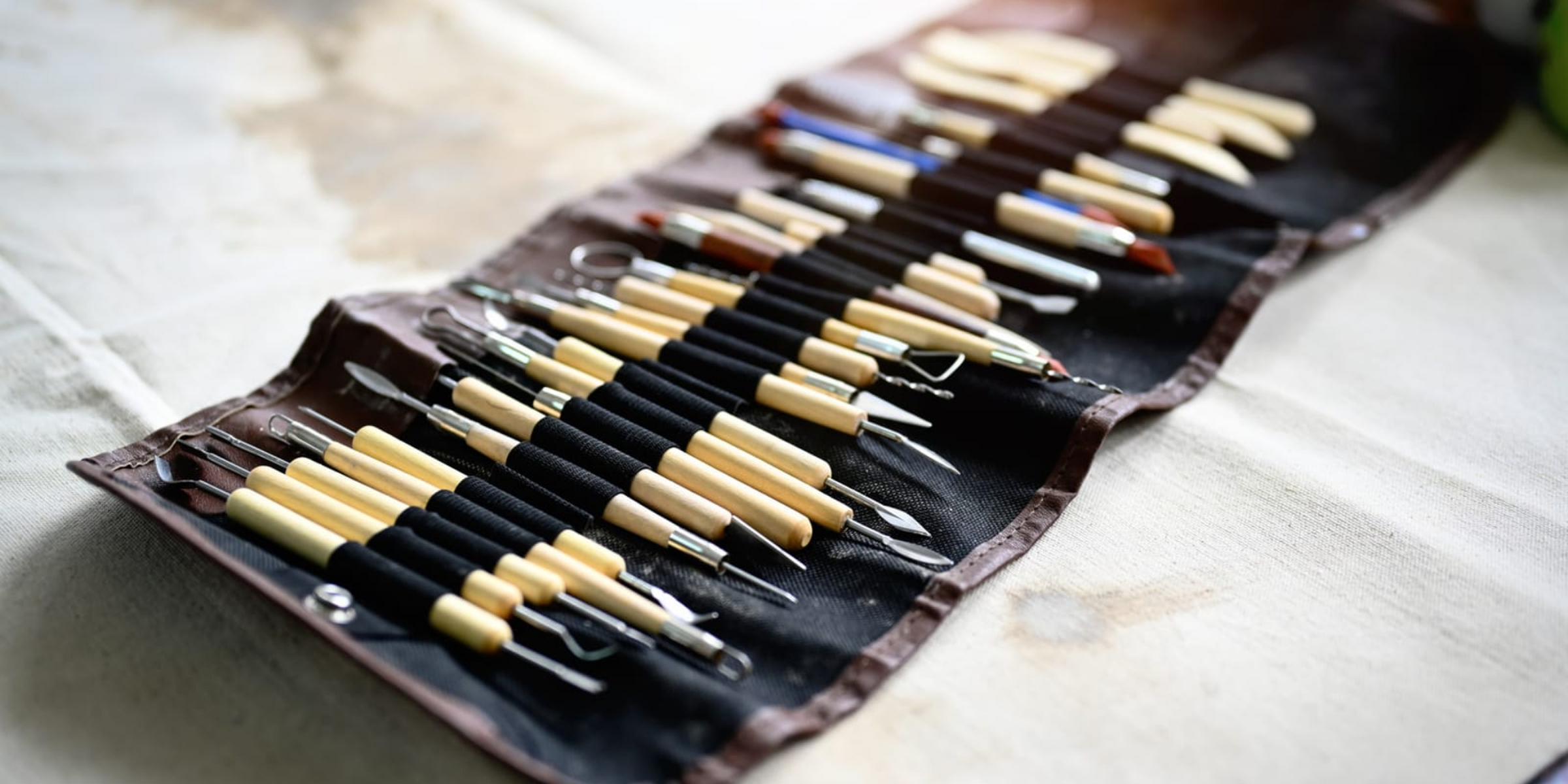
You’ll score (scratch) the surfaces of the two clay pieces you wish to join, creating a roughened texture. Then, you’ll apply a “slip” – a watery clay paste – to both scored surfaces. The slip acts as a glue, and when you press the scored surfaces together, the interlocking scratches and the adhesive slip create a strong mechanical bond.
Blending for a Seamless Finish
After joining, you’ll gently blend the seam with your fingers or a sculpting tool to create a smooth, unified surface. This not only strengthens the joint but also ensures a professional, finished look.
Avoiding Delicate Dilemmas
While modern air dry clays offer impressive detail, you should exercise caution with very thin or extremely delicate parts.
The Fragility Factor
Understand that finished air dry clay pieces, while surprisingly robust when fully dry, are inherently more fragile than kiln-fired ceramics. Thin extremities like outstretched fingers, delicate leaves, or spindly limbs are prone to breakage, both during the drying process and after.
Designing for Durability
Consider the inherent limitations of the material when designing your sculpture. You might need to slightly thicken delicate areas or incorporate them into the main structure, rather than having them free-standing. Think about how the piece will be handled and displayed.
Patience is a Virtue: Drying Fully
Perhaps the most critical step after sculpting is allowing your piece to dry completely. Rushing this process can lead to disastrous consequences.
The Importance of Thorough Drying
You must resist the urge to paint or sand too early. Air dry clay needs time—often days, sometimes even weeks, depending on the size and thickness of your sculpture—to fully cure. Incomplete drying can lead to several problems:
Cracks and Crumbling
If the outer layers dry faster than the inner core, uneven shrinkage can cause cracks. Similarly, if moisture remains trapped inside, the clay can become crumbly or soft, even after it appears dry on the surface.
Mold and Mildew
Trapped moisture is also an invitation for mold and mildew to grow, ruining your artwork. Ensure good air circulation around your piece to facilitate even drying.
Compromised Paint Adhesion
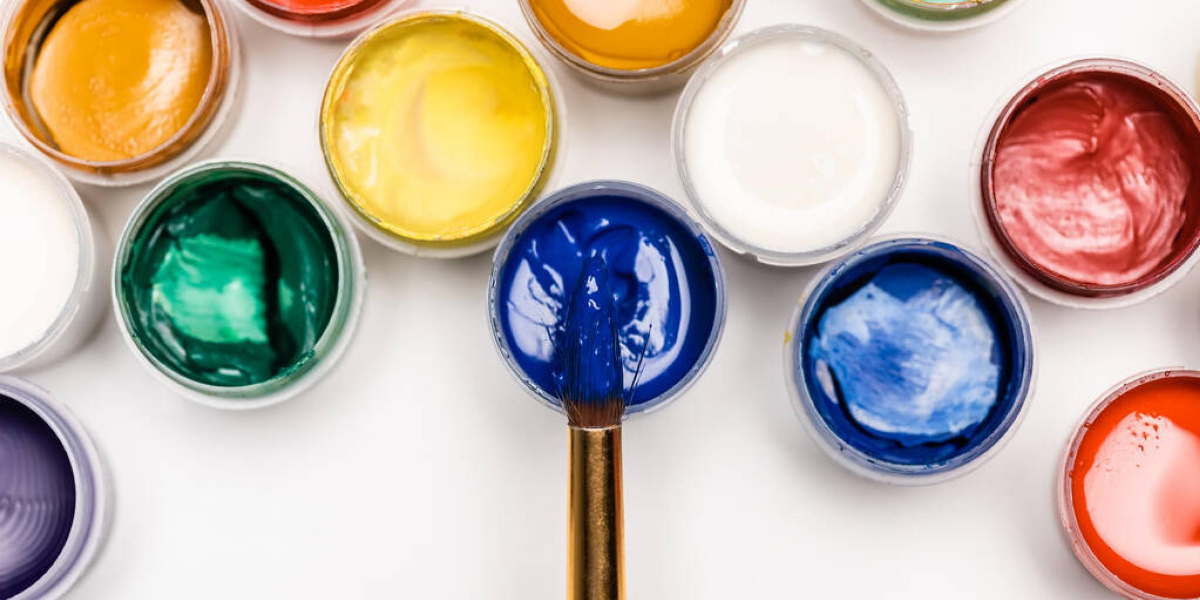
Painting on damp clay will result in poor paint adhesion, bubbling, or flaking later on. Your hard work in applying paint would be in vain if the underlying clay isn’t completely dry.
The Air Dry Advantage: Beyond Just Crafting
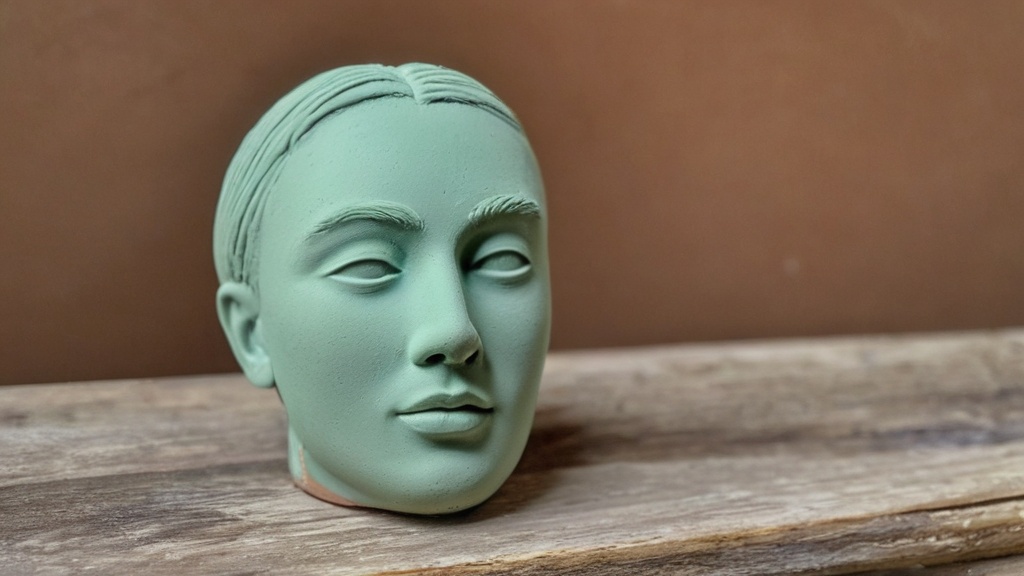
You’re not just looking for a simple craft; you’re seeking a medium that offers genuine artistic benefits. Air dry clay delivers on several fronts, making it an attractive option for both seasoned artists and enthusiastic beginners.
Safety and Accessibility: A Welcoming Medium
For many, especially those with children or in educational settings, the non-toxic nature of air dry clay is a major selling point.
Non-Toxic and Kid-Friendly
You can sculpt with peace of mind, knowing that air dry clay typically contains no harmful chemicals. This makes it an excellent choice for family crafting sessions, school projects, and anyone concerned about chemical exposure in their creative pursuits.
Affordable and Readily Available
Compared to traditional ceramic clays or more specialized sculpting materials, air dry clay is remarkably affordable and can be found in most craft stores, art supply shops, and online retailers. This cost-effectiveness allows you to experiment without significant financial commitment.
The Forgiveness Factor: Learn and Grow
Every artist makes mistakes, and air dry clay embraces this reality beautifully. That’s why it’s so helpful for you as you begin.
Easy to Correct and Rework
If you’re unhappy with a section of your sculpture, you can often re-wet and rework it, or even remove a dried section and attach new clay. This forgiving nature allows you to learn from your mistakes and continuously refine your techniques without fear of wasting expensive materials.
Ideal for Practice and Experimentation
Before committing to more complex or costly mediums, air dry clay provides an excellent sandbox for developing your sculpting skills. You can experiment with different forms, textures, and scales, building your confidence and refining your artistic vision.
Acknowledging Limitations: The Trade-Offs
While air dry clay offers a wealth of advantages, it’s important for you to approach it with a clear understanding of its inherent limitations. No material is perfect, and making informed choices is key to your artistic satisfaction.
Fragility: A Gentle Touch is Required
As mentioned earlier, air dry clay pieces, while dry, are generally more delicate than kiln-fired ceramics or polymer clays. They are susceptible to breakage if dropped or handled roughly. You’ll need to consider how your finished pieces will be displayed and whether they will be subject to frequent handling.
Display and Durability
If you intend to create highly functional household items or art that will endure significant wear and tear, air dry clay might not be your primary choice. However, for decorative sculptures, keepsakes, and art pieces that will be displayed with care, its fragility is easily managed.
Not Waterproof: A Critical Distinction
Here’s a crucial point: air dry clay is not inherently waterproof. Even when fully dry and sealed, it can be damaged by prolonged exposure to water or high humidity. This means you cannot use air dry clay for items that will hold liquids, be exposed to outdoor elements for extended periods, or regularly come into contact with water.
Sealing for Protection
You can apply sealants (such as acrylic varnishes, Mod Podge, or specialized waterproofing sprays) to your finished pieces to offer a degree of water resistance and protect against moisture absorption. This is highly recommended for any piece that might encounter incidental moisture. However, these sealants do not make the clay truly waterproof for immersion or outdoor use in a climate with significant rainfall.
Understanding the Material’s Nature
Embrace air dry clay for what it is: a beautiful medium for indoor decorative sculptures, models, and personal artistic expressions. Understand its nature, and you’ll avoid disappointment.
Conclusion: Is Air Dry Clay Right for You?
| Metrics | Results |
|---|---|
| Ease of Use | Easy to work with and mold |
| Drying Time | Dries slowly, allowing for detailed sculpting |
| Finish | Smooth finish, suitable for painting and detailing |
| Durability | Can be fragile if not handled carefully |
| Cost | Relatively affordable compared to other sculpting materials |
So, back to the fundamental question: Is air dry clay good for sculpting? For you, as someone potentially embarking on a sculpting journey or seeking a versatile, accessible medium, the answer is a resounding yes.
You will find air dry clay to be an excellent, beginner-friendly medium, requiring no kiln and offering immense creative freedom for handbuilding and modeling. The surge in its popularity, driven by inspiring online communities, attests to its growing appeal. With the advent of newer, fine-quality self-hardening clays, you can now achieve significant detail and create truly artistic pieces, not just simple crafts.
Remember the advice of educators and artists: it excels in coiling, slab construction, and sculpting, and allows you the freedom to use almost any material for armatures. By embracing best practices—building strong armatures, implementing slip-and-score joints, designing with durability in mind, and allowing for complete drying—you will set yourself up for success.
You’ll appreciate its non-toxic nature, affordability, and accessibility, making it a forgiving medium for practice and experimentation. While you must acknowledge its limitations—its relative fragility and lack of inherent waterproofing—these are manageable aspects that simply define its optimal use.
In your hands, air dry clay can transform into an endless variety of forms, limited only by your imagination. It’s a medium that invites play, encourages exploration, and rewards patience. Dive in, experiment, and let air dry clay be the gateway to your sculptural aspirations. You might just discover a passion you never knew you had.
FAQs
What is air dry clay?
Air dry clay is a type of modeling clay that hardens as it dries in the air, without the need for baking or firing in a kiln. It is a popular choice for sculpting and crafting due to its ease of use and accessibility.
Is air dry clay good for sculpting?
Yes, air dry clay is a good option for sculpting. It is soft and pliable, making it easy to shape and mold into various forms. It also dries to a lightweight and durable finish, making it suitable for creating detailed sculptures.
What are the advantages of using air dry clay for sculpting?
Some advantages of using air dry clay for sculpting include its ease of use, ability to air dry without the need for special equipment, and its affordability. It is also suitable for both beginners and experienced sculptors.
Are there any limitations to using air dry clay for sculpting?
While air dry clay is a versatile sculpting material, it does have some limitations. It may not be as durable as other types of clay, such as polymer clay or ceramic clay. It is also more prone to cracking and breaking if not handled carefully.
How should air dry clay sculptures be finished and preserved?
Once a sculpture made from air dry clay is complete, it can be finished with paint, varnish, or sealant to protect the surface and enhance its appearance. To preserve the sculpture, it should be kept away from moisture and extreme temperatures.