So, you’ve decided to dip your fingers into the wonderfully messy, incredibly rewarding world of pottery and clay. Fantastic! But as you stand at the precipice of this new artistic journey, you’re probably facing a common beginner’s dilemma: “Which clay do I even start with?” Don’t worry; you’re not alone. The sheer variety of clay types can be overwhelming, each with its own quirks and charms. This guide is designed to cut through the confusion, offering you a clear path through the muddy waters of clay comparison, so you can pick the perfect partner for your first creative endeavors.
Understanding the Basics of Clay Selection
Before we dive into specific types, it’s helpful to understand a few foundational concepts that will influence your clay choice. Think of these as your compass and map as you navigate the clay landscape.
Your Artistic Goals and Techniques
What do you envision creating? Are you dreaming of perfectly symmetrical pots spun on a wheel, or do you see yourself meticulously hand-building whimsical sculptures? Perhaps you’re more interested in intricate jewelry or tiny figurines. Your end goal is perhaps the most significant factor in determining which clay will best serve your needs. Different clays excel at different techniques, and choosing one that aligns with your ambitions will save you a lot of frustration and enhance your learning experience.
Access to Firing Facilities
This is a critical consideration for any aspiring ceramicist. Do you have access to a kiln, either at home, through a local studio, or a community center? Or are you operating purely from your kitchen table with no firing capabilities? This single factor will immediately divide your options into two major categories: those that require firing and those that don’t. Don’t underestimate the importance of this question; it’s a game-changer for beginners.
Desired End Result and Durability
Consider the final aesthetic and functional properties you’re hoping for. Do you want your pieces to be food-safe, waterproof, or able to withstand high temperatures? Are you aiming for delicate, translucent forms, or robust, earthy creations? The type of clay you choose, along with the firing temperature, will directly impact the strength, durability, and appearance of your finished work.
Kiln-Fired Clays: Exploring the Traditional Path
If you do have access to a kiln, a vast and exciting world of traditional pottery opens up to you. These clays require heat to become truly ceramic, transforming from fragile mud into durable stone-like objects.
Stoneware: Your Versatile Workhorse
When it comes to traditional throwing, a medium-grog stoneware is repeatedly recommended as the best all-around beginner clay. Why? Because it offers a superb balance of workability, trimming ease, and stability. Think of it as the reliable SUV of the clay world – capable, comfortable, and ready for most adventures.
The Magic of Grog
You might be wondering what “grog” is. It’s essentially fired clay that has been ground down into various particle sizes and then added back into wet clay. It acts as a structural support system, reducing shrinkage and warping during drying and firing, and making the clay more forgiving to work with, especially for beginners.
Optimal Grog Percentage for Beginners
Recent comparisons highlight that around 10% grog is a strong beginner choice. While it might feel slightly harder to center on the wheel initially due to the textured particles, this slight challenge is quickly outweighed by the benefits. This percentage of grog significantly improves the clay’s ability to hold its shape as you build, offering excellent wall stability, which is crucial when you’re still developing your touch. It also makes trimming much easier, reducing the chances of your piece collapsing or tearing as you refine its form. So, while it might present a tiny hurdle at the very beginning, the long-term benefits for learning proper techniques are immense.
Workability and Forgiveness
Stoneware, particularly a medium-grog variety, is remarkably forgiving. It holds moisture well, giving you more time to manipulate it before it stiffens too much. This means fewer frustrations and more opportunities to correct mistakes, which is invaluable when you’re still learning the feel of the clay. It’s less prone to slumping than finer clays and less likely to crack during drying if you’re a bit inconsistent with your drying techniques (which, let’s be honest, most beginners are!).
Firing Range and Durability
Most stoneware clays are fired to high temperatures (cone 5-10, typically around 2167°F to 2345°F or 1186°C to 1285°C), resulting in vitrified, non-porous pieces. This makes them exceptionally durable, functional, and often food-safe, perfect for dinnerware, mugs, and decorative objects that will stand the test of time.
Earthenware: The Friendly Starter
Another excellent choice for beginners with kiln access is earthenware. It remains popular for a reason: it’s incredibly forgiving and easy to work with. If stoneware is your sturdy SUV, earthenware is your friendly, easy-to-drive sedan – comfortable and accessible.
Low Firing Temperature
The most significant advantage of earthenware is its lower firing temperature (cone 04-06, typically around 1945°F to 1828°F or 1063°C to 998°C). This means it requires less energy to fire and is generally more accessible to fire in smaller kilns or community studios that might not reach stoneware temperatures.
Softness and Pliability
Earthenware is typically softer and more pliable than stoneware, making it very easy to center on the wheel and manipulate for hand-building. This softness is a boon for beginners who are still developing their strength and control. It’s less resistant to shaping, allowing you to achieve forms with less effort.
Porosity and Glazing
A key characteristic of earthenware is that it remains porous even after firing. This means it’s not waterproof on its own and will absorb liquids unless it’s glazed. This isn’t a drawback, but rather a design consideration. Earthenware is often decorated with vibrant, low-fire glazes that adhere beautifully to its porous surface, resulting in charming, colorful pieces. If you’re aiming for decorative items or planters, earthenware is a fantastic choice. For functional ware, proper glazing is essential for waterproofing.
Porcelain: The Advanced Challenge
While we’re discussing kiln-fired clays, it’s important to mention porcelain, but primarily as a clay to avoid in your beginner stages. Recent beginner guides consistently state that porcelain is still considered the hardest for beginners.
Its Demanding Nature
Porcelain is known for its exquisite whiteness, translucency, and smoothness. However, these beautiful qualities come at a price in terms of workability. It’s notoriously difficult to throw due to its lack of plasticity and tendency to collapse. It also has a very narrow firing range, making it prone to warping and cracking during firing. For now, admire porcelain from afar, and save it for when you’ve mastered the basics.
Non-Kiln Clays: The Entry Point Without Firing
For many, the biggest hurdle to starting pottery is the lack of a kiln. Fear not! A fantastic array of non-kiln clays offers an immediate and accessible entry point into the world of clay, allowing you to create beautiful pieces without needing special equipment.
Air-Dry Clay: The Ultimate Beginner-Friendly Option
If you’re looking for the absolute simplest way to start, air-dry clay is presented as the easiest entry point. It truly needs no special firing and is incredibly simple to use for basic hand-building projects. Think of it as your first crayon set – straightforward, forgiving, and designed for immediate creative satisfaction.
Convenience and Accessibility
The primary appeal of air-dry clay is its convenience. You literally just open the package, and it’s ready to go. No need for complicated setups, special tools, or firing schedules. It dries naturally in the air, usually within 24-72 hours depending on the thickness of your piece and the humidity. This makes it perfect for quick projects, experimenting with forms, or crafting with children.
Best Brands for Beginners
A July 2026 hand-building comparison specifically points out that Crayola Air Dry Clay is the most beginner-friendly starter pick. This brand is widely available, affordable, and consistently delivers a pleasant working experience for new users. Additionally, ReArt Air-Dry Clay and Activa Supreme Clay are also highlighted as strong options, offering similar ease of use and good results for initial projects. These brands are often lauded for their smooth texture and good form-holding capabilities as they dry.
Limitations of Air-Dry Clay
While air-dry clay is fantastic for getting started, it’s important to understand its limitations. It’s not food-safe, not waterproof, and generally not as durable as kiln-fired ceramics. It can be quite fragile once dry and is susceptible to moisture, so pieces typically need to be sealed with varnish or paint to increase their longevity and protect them. However, for decorative items, jewelry, ornaments, or practice pieces, it’s absolutely perfect.
Polymer Clay: For Detailed Sculpting and Small Projects
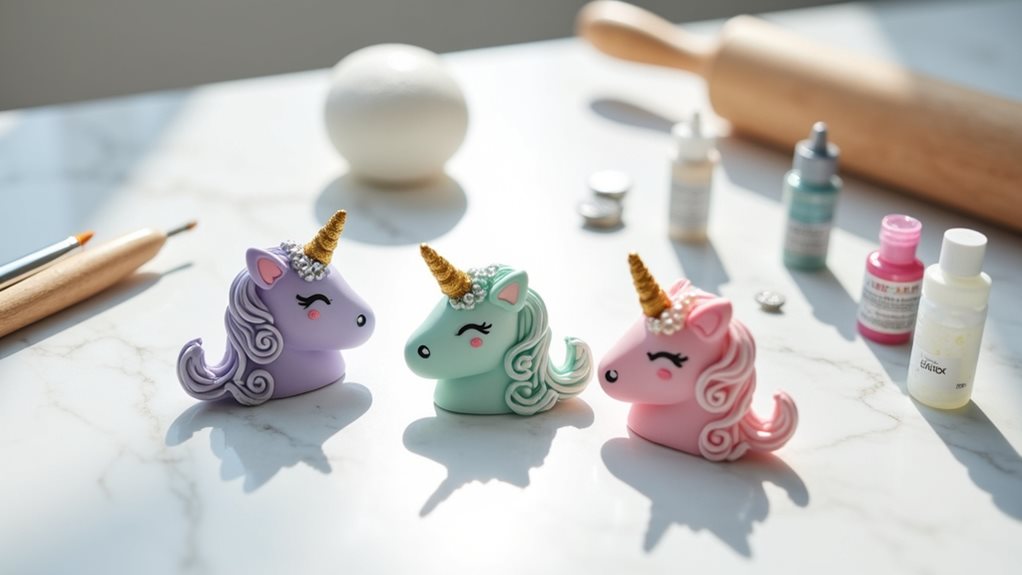
For those whose artistic inclinations lean towards detailed sculpting, miniature work, or jewelry making, polymer clay still ranks as an easy-to-use option, especially for detailed work and small projects. It’s a completely different beast from traditional clay but offers incredible versatility.
Non-Drying and Malleable
One of the greatest advantages of polymer clay is that it doesn’t air dry. It remains soft and workable until it’s baked in a conventional home oven (typically at low temperatures, around 275°F / 135°C). This means you can take your time with your projects, leave them unfinished for days, and come back to them without worrying about them hardening. This extended working time is a huge benefit for intricate designs and detailed sculpting.
Incredible Detail and Color Range
Polymer clay is renowned for its ability to hold fine detail, making it ideal for creating tiny figurines, realistic sculptures, and intricate jewelry components. It also comes in an astonishing array of pre-mixed colors, eliminating the need for glazing or painting if you prefer to work directly with colored clay. You can blend colors, create marbled effects, and even achieve translucent or metallic finishes.
Durability After Baking
Once baked according to the manufacturer’s instructions, polymer clay becomes quite durable and somewhat flexible, depending on the brand and specific type. It’s water-resistant and relatively robust, making it suitable for wearable art and small functional items (though generally not food-safe).
Best Clay by Beginner Goal: Tailoring Your Choice
Now that you have a comprehensive overview, let’s break it down by your specific artistic ambitions. This “best clay by beginner goal” list will help you pinpoint your perfect match.
For Throwing on the Wheel
If your heart is set on the rhythmic dance of the potter’s wheel, you’ll want a clay that’s forgiving and stable.
The Unanimous Choice: Medium-Grog Stoneware
As previously emphasized, a medium-grog stoneware is repeatedly recommended as the best all-around beginner clay for throwing. The 10% grog content provides that crucial support for stable walls and makes trimming a breeze. You’ll quickly appreciate its ability to hold its form as you learn to center, pull walls, and shape your pieces. It offers the best balance of resistance and plasticity for learning fundamental throwing techniques without excessive frustration.
Earthenware as a Softer Alternative
While stoneware is generally preferred for its stability, earthenware can also be a good starting point for throwing, especially if you find stoneware a bit too stiff initially. Its softness makes it easier to center and manipulate. However, be mindful that its increased pliability can also lead to slumping if your walls become too thin or wet. It’s a great option for practicing basic forms and getting a feel for the wheel before moving to more demanding clays.
For Hand-Building (Pinch, Coil, Slab)
Hand-building is a wonderfully expressive way to create with clay, and several types are perfectly suited for this more sculptural approach.
Air-Dry Clay for No-Fuss Exploration
For an immediate, no-commitment entry into hand-building, air-dry clay is your champion. Specifically, Crayola Air Dry Clay is the most beginner-friendly starter pick, with ReArt Air-Dry Clay and Activa Supreme Clay also being excellent options. These clays are easy to condition, hold forms well, and don’t require any special equipment beyond your hands and perhaps a few basic sculpting tools. They are ideal for creating decorative items, small sculptures, and practicing fundamental hand-building techniques.
Earthenware for Kiln-Fired Hand-Building
If you have kiln access and want to create more durable, functional hand-built pieces, earthenware is a fantastic choice. Its pliability makes it easy to roll out slabs, coil, and pinch. It joins well and is less prone to cracking during drying than some other traditional clays. The ability to glaze earthenware pieces after firing opens up a world of colorful and functional possibilities for your hand-built creations.
For Sculpting and Modeling (Detailed Work, Figurines)
When your vision involves intricate details, small forms, or highly expressive sculptures, specific clays will serve you best.
Polymer Clay for Precision and Small Scale
For anything requiring meticulous detail, miniature work, or intricate jewelry components, polymer clay remains an easy-to-use option and is truly unmatched. Its non-drying nature allows for unlimited working time, and its ability to hold fine details before baking is exceptional. The vast color palette also means you can achieve complex designs without needing to paint. It’s perfect for crafting tiny creatures, realistic models, beads, and delicate jewelry.
Air-Dry Clay for Larger, Less Detailed Sculptures
While polymer clay excels at small details, air-dry clay can be a great option for larger, less intricate sculptures and models, especially if you’re not concerned about extreme durability or waterproofing. Its ease of use and lack of firing requirements make it accessible for experimenting with form and volume without a major investment of time or money. Just remember to seal your finished pieces to protect them.
Your First Step: Embrace the Mud!
Choosing your first clay can feel like a monumental decision, but remember this: the best clay for you is the one that gets you started. Don’t get caught in analysis paralysis. If you have kiln access, pick up some medium-grog stoneware or earthenware. If you don’t, grab some Crayola Air Dry Clay or a pack of polymer clay.
The most important thing is to simply begin. Get your hands dirty. Feel the clay. Experiment. Make mistakes. Learn. Each type of clay offers a unique journey and will teach you valuable lessons about form, texture, and the magic of creation. So, go ahead, take that first step, and welcome to the wonderful world of clay!
FAQs
What are the different types of clay for beginners?
There are several types of clay suitable for beginners, including air-dry clay, polymer clay, and oven-bake clay. Each type has its own unique properties and uses.
What is air-dry clay?
Air-dry clay is a type of clay that dries and hardens when exposed to air, without the need for baking or firing. It is easy to work with and is a popular choice for beginners due to its accessibility and affordability.
What is polymer clay?
Polymer clay is a type of synthetic clay that can be cured in a home oven. It is known for its versatility, vibrant colors, and ability to hold fine details. It is a popular choice for beginners and experienced crafters alike.
What is oven-bake clay?
Oven-bake clay, also known as polymer clay, is a type of clay that hardens when baked in a home oven. It is available in a wide range of colors and is popular for making jewelry, sculptures, and other crafts.
How do I choose the right type of clay for my project?
When choosing the right type of clay for your project, consider factors such as the desired finished look, the level of detail required, and the intended use of the finished piece. Experimenting with different types of clay can also help you determine which one best suits your needs.