You’re standing at the crossroads of creativity, a sculptor’s palette of possibilities laid out before you. The most fundamental choice you’ll face, even before the first pinch of material leaves its container, is the type of clay you’ll wield. Two dominant forces beckon: air dry clay and polymer clay. Each offers a distinct path to bringing your visions into three-dimensional life, and understanding their fundamental differences will be your compass. This isn’t about which clay is “better” in an absolute sense, but rather which is the superior choice for you, for this particular project, and for your current creative journey.
Understanding the Core Differences: Heat vs. Air
The most significant divergence between air dry clay and polymer clay lies in their curing mechanisms. This is the crucial step where your soft, pliable material transforms into a solid, permanent piece of art.
Air Dry Clay: The Natural Hardener
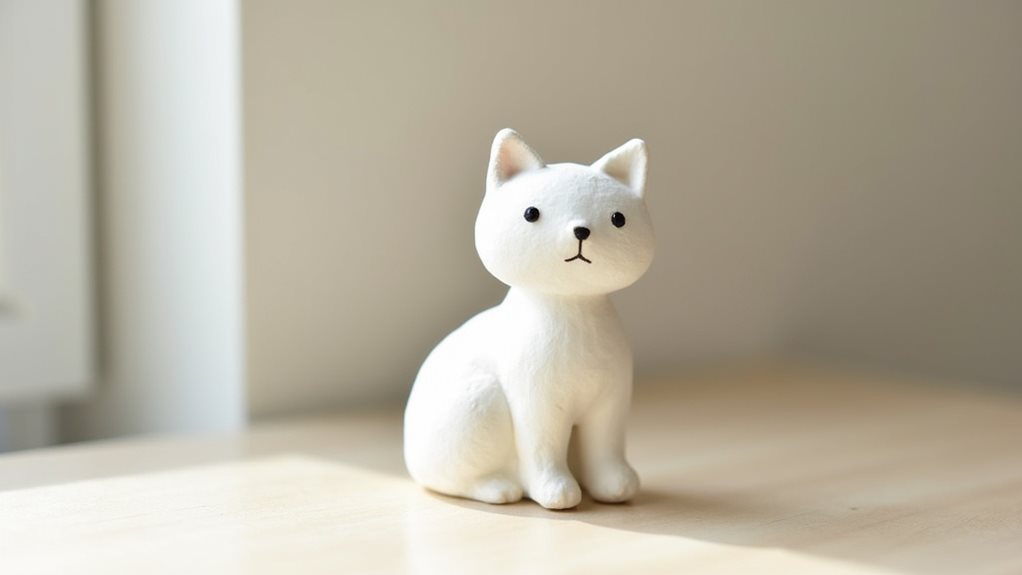
Air dry clay, often hailed for its simplicity, gains its permanence through a process of evaporation. When you remove it from its packaging, its moisture content begins to dissipate into the surrounding atmosphere. As the water leaves the clay particles, they interlock and adhere to one another, creating a solid structure.
The Magic of Evaporation
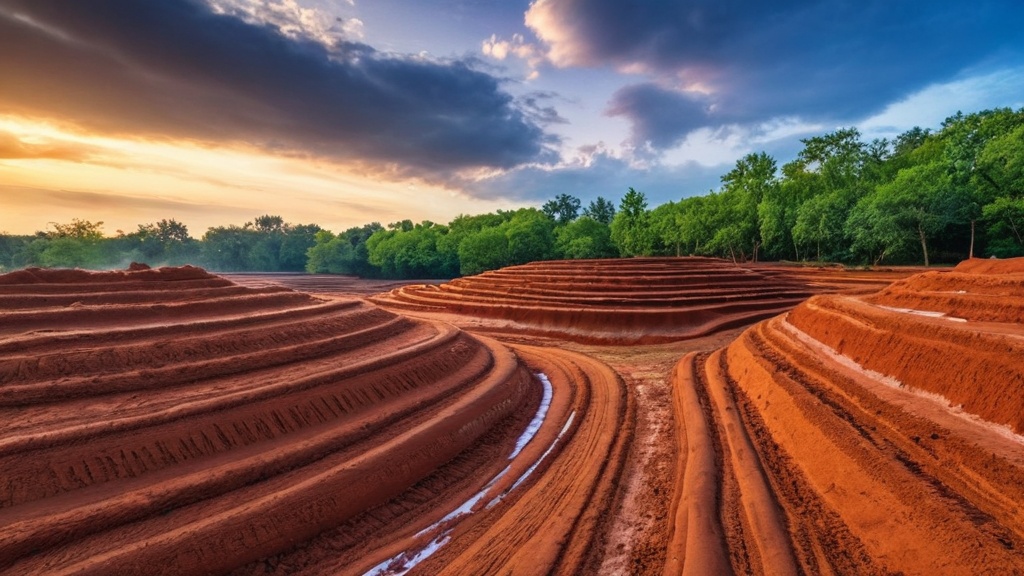
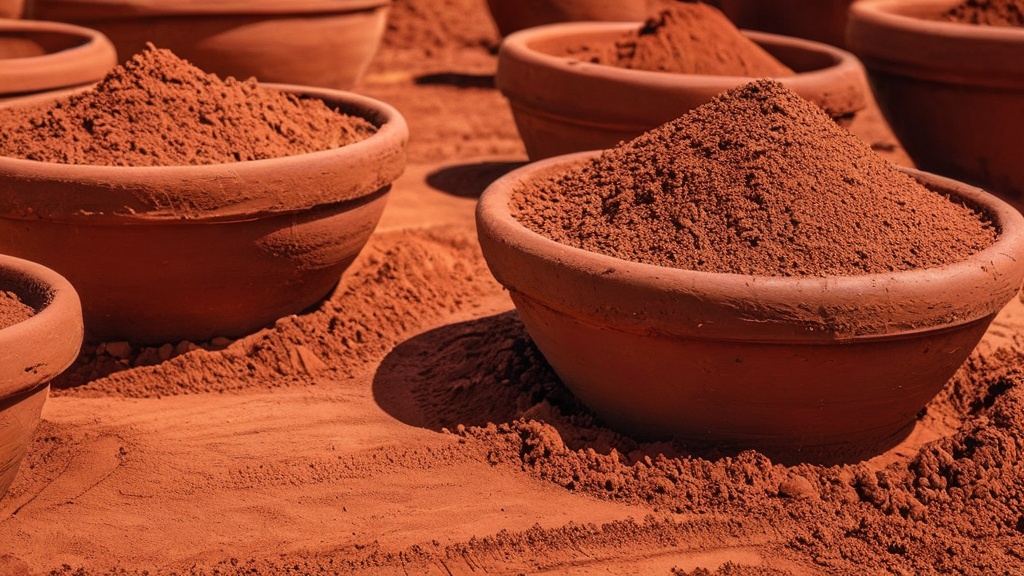
Think of it like mud drying in the sun. The water that holds the soil particles apart evaporates, leaving them closer together and creating a hardened surface. Air dry clay works on a similar principle, though its composition is specifically designed for sculpting and achieving a stable form.
No Heat Required, Ever
This “drying” process happens naturally at room temperature. You don’t need any special equipment, no trips to the oven, and no concerns about fluctuating temperatures. This makes air dry clay incredibly accessible, especially for younger artists or those just dipping their toes into the world of clay manipulation.
Polymer Clay: The Engineered Transformer
Polymer clay, on the other hand, is a marvel of material science. It’s a synthetic material composed of PVC polymer, plasticizers, pigments, and fillers. To achieve its hardened state, it requires a specific thermal process.
The Culinary Conversion: Baking Your Creation
Polymer clay cures through baking. When you place your sculpted polymer creation in a standard oven set to the manufacturer’s recommended temperature, the plasticizers within the clay disperse and fuse the polymer particles together. This creates a durable, permanent bond. It’s like baking cookies, but with a much more durable outcome.
Precise Temperature and Time are Key
Unlike air dry clay, the curing of polymer clay is a chemical reaction triggered by heat. This means that understanding and adhering to the recommended baking temperatures and times is paramount. Too low, and your clay might remain soft or brittle. Too high, and you risk scorching, discoloration, or even toxic fumes. Always follow the instructions on your specific brand of polymer clay.
Cost and Accessibility: The Entry Point for Creation
When you’re starting out, or if budget is a primary concern, the cost and ease of acquisition can heavily sway your decision. Here’s where the two clays often show a clear distinction.
Air Dry Clay: The Budget-Friendly Beginning
Air dry clay is generally more affordable than polymer clay. This lower price point makes it an excellent choice for educational settings, large-scale projects where material cost can accumulate quickly, or simply for experimentation without a significant financial commitment.
Packaged for Convenience
You’ll find air dry clay readily available in most craft stores, art supply shops, and even large retail chains. It often comes in large tubs or blocks, making it easy to buy in bulk if you anticipate needing a lot of material.
Simple to Get Started
The simplicity of air dry clay extends to its usability. You can often start sculpting right out of the package. There’s no conditioning required, no pre-heating, and no specialized tools are strictly necessary to begin shaping your ideas. This low barrier to entry is a significant draw for beginners, children, and educators.
Polymer Clay: The Investment in Versatility
While polymer clay might carry a higher initial price tag per ounce, its cost can be viewed as an investment in its unique properties and the longevity of your creations.
A Range of Brands and Price Points
Polymer clay comes in a variety of brands, each with its own specific characteristics and price ranges. You can find simpler, less expensive lines suitable for general crafting, as well as premium brands engineered for exceptional detail and flexibility.
The Added Cost of Potential Tools
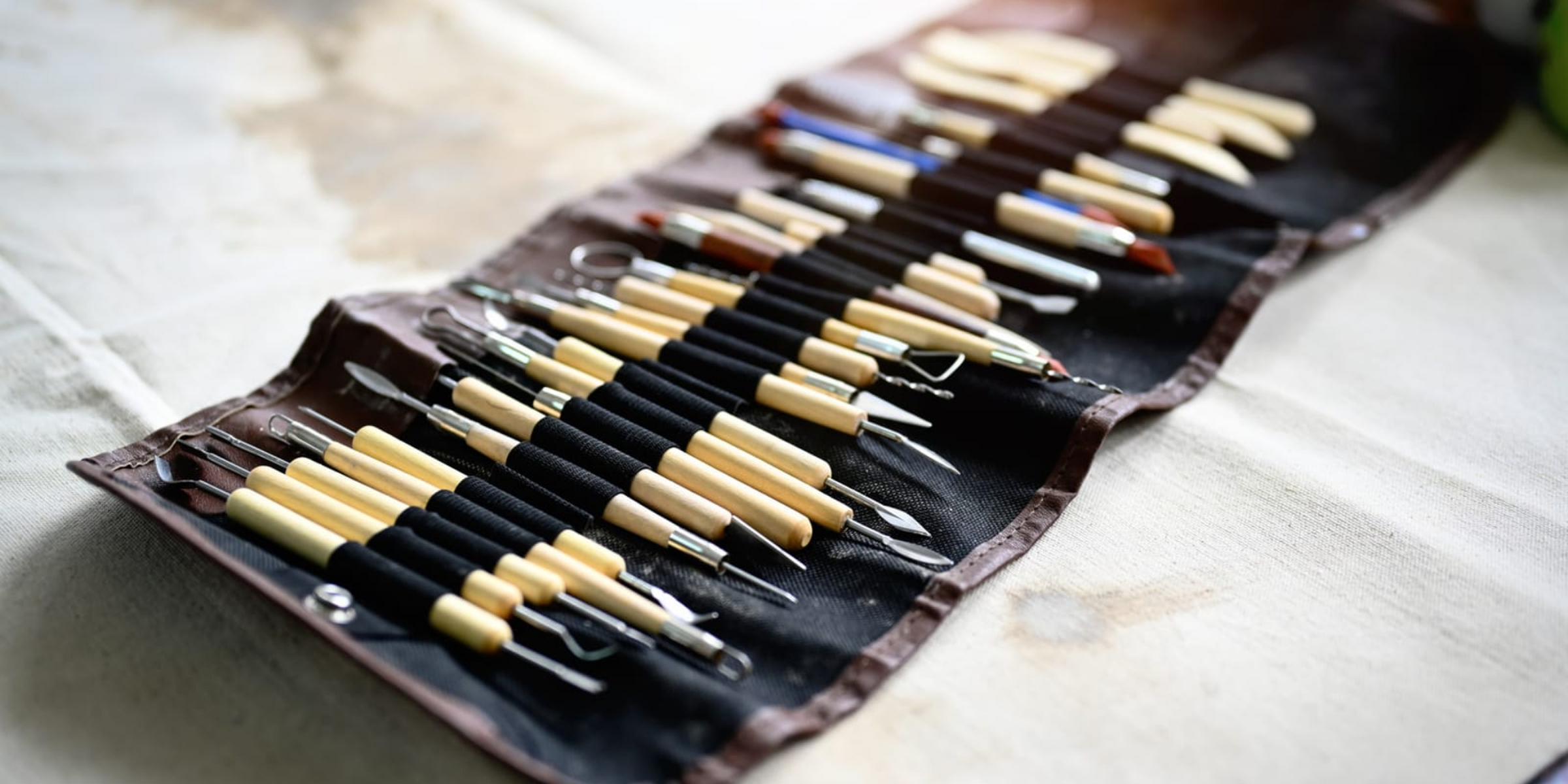
While you can sculpt polymer clay with basic tools, achieving the best results and the most polished finishes often involves a small investment in specialized tools like sculpting tools, smooth rollers, and potentially a dedicated oven or toaster oven. However, these are often one-time purchases that will serve you for many projects.
Durability and Finish: The Longevity of Your Art
Once your creation is complete and hardened, its resilience and appearance become crucial factors. This is where the inherent properties of each clay type truly shine.
Air Dry Clay: The Delicate Masterpiece
Air dry clay, due to its reliance on the evaporation of water to harden, can sometimes retain a degree of inherent fragility. While it can certainly be made durable with proper techniques and sealing, it’s not typically as robust as cured polymer clay.
Susceptibility to Moisture and Impact
When air dry clay is fully hardened, it can be more prone to chipping, breaking, or cracking if dropped or subjected to significant impact. It’s also generally not waterproof unless adequately sealed. Exposure to moisture can cause it to soften or even dissolve if not protected.
Potential for Shrinkage and Cracking
As the water evaporates from air dry clay, the material naturally shrinks. This shrinkage can sometimes lead to cracking, especially in thicker pieces or if the drying process is uneven. Careful drying techniques, such as covering the piece loosely or drying it in stages, can mitigate this.
Polymer Clay: The Resilient Gem
Polymer clay, after proper baking, transforms into a remarkably durable material. Its PVC base makes it resistant to water, relatively flexible, and less prone to chipping or breaking compared to air dry clay.
Water-Resistant and Tough
Once cured, polymer clay is highly water-resistant, making it suitable for projects that might come into contact with moisture. It possesses a good degree of toughness, allowing it to withstand a fair amount of handling without compromising its integrity.
Consistent and Predictable Results
The curing process of polymer clay is predictable and consistent, provided you follow the baking instructions. This leads to a reliable final product that is less susceptible to the unpredictable drying issues sometimes encountered with air dry clay.
Application and Technique: Sculpting Your Vision
The way you work with clay, the techniques you employ, and the level of detail you strive for can all be influenced by your choice of material.
Air Dry Clay: The forgiving Sculptor
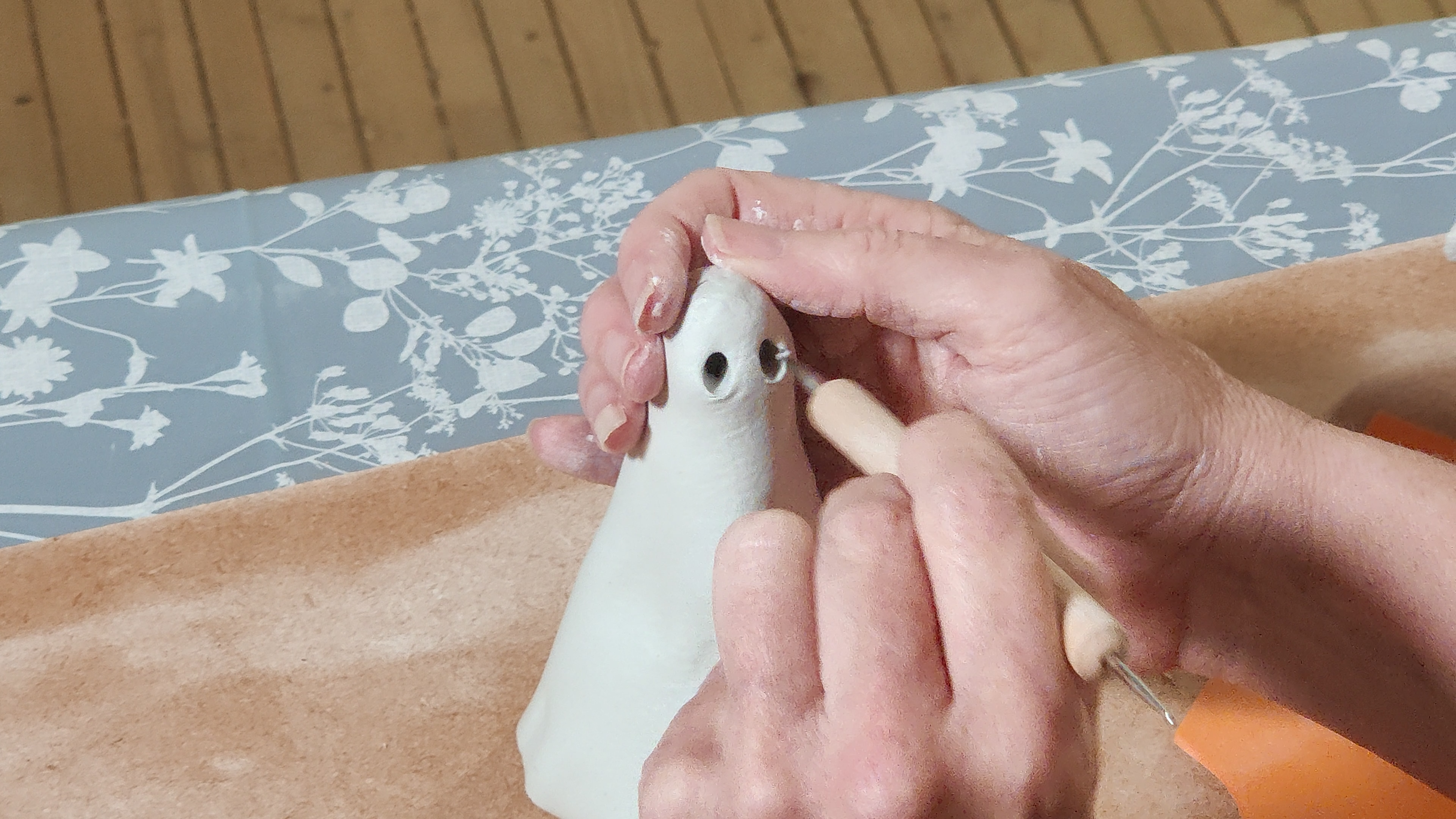
Air dry clay is often praised for its forgiving nature, making it ideal for hand-building techniques and for those who prefer a more organic approach to sculpting.
Ideal for Hand-Building and Larger Forms
Its soft, pliable texture straight out of the package makes it excellent for pinch pots, coil building, and slab construction. It’s also a great choice for larger sculptures where intricate detail isn’t the primary focus.
Easier to Tool and Shape Initially
You can easily carve, smooth, and shape air dry clay with basic tools or even just your hands. Its workability allows for quick manipulation and adjustments before it begins to set.
Sealing for Protection and Polish
To achieve a more durable and finished look with air dry clay, extensive sealing is often recommended. This can involve applying varnishes, acrylic sealers, or even epoxy resins to protect the surface from moisture, enhance its shine, and provide a protective layer against chips and cracks.
Polymer Clay: The Master of Detail
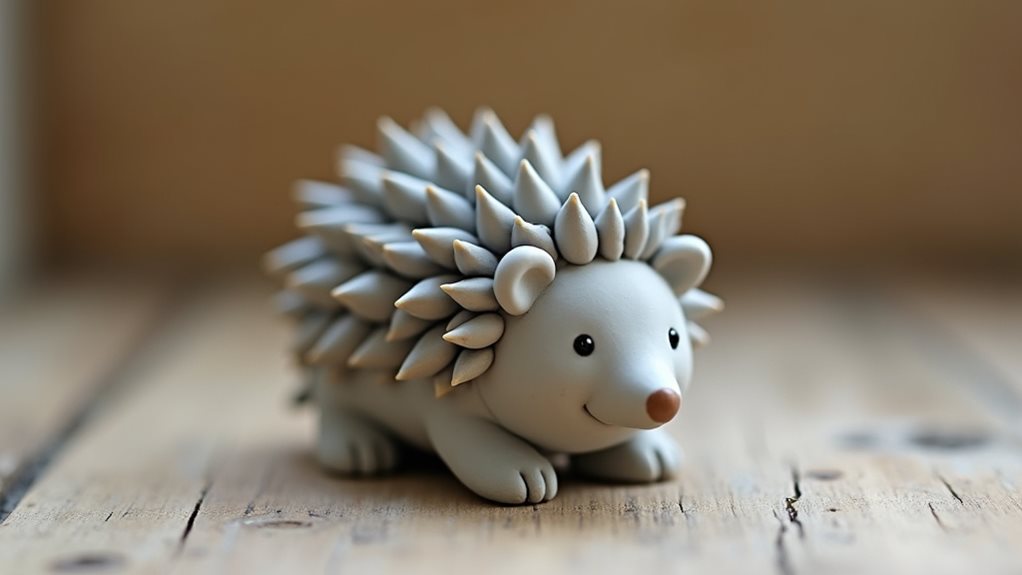
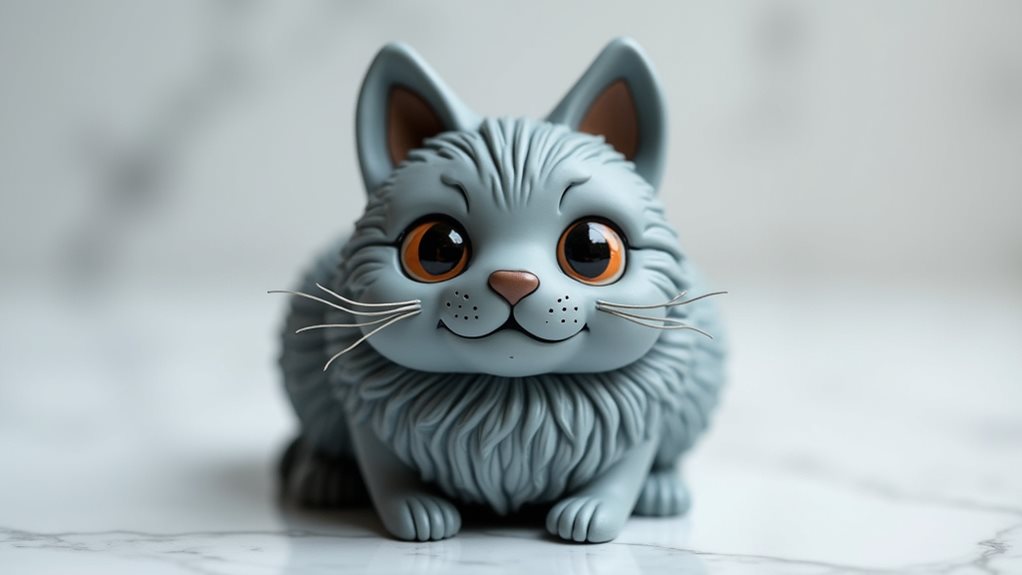
Polymer clay excels when it comes to intricate work and projects that demand a high level of detail and precision. Its ability to hold fine lines and sharp edges is a significant advantage.
Perfect for Miniature Work and Fine Details
Whether you’re creating miniature figures, intricate jewelry, or highly detailed embellishments, polymer clay is your go-to. You can sculpt delicate features, create sharp textures, and achieve incredibly fine lines with this medium.
Conditioning for Optimal Workability
Before you can sculpt with polymer clay, it often needs to be “conditioned.” This involves kneading and softening the clay to make it more pliable and easier to work with. This process can be done by hand, with a pasta machine, or with a clay conditioning tool. Once conditioned, it becomes wonderfully smooth and responsive to your touch.
A Spectrum of Colors and Blending Possibilities
Polymer clay comes in an astounding array of pre-mixed colors. Furthermore, these colors can be easily mixed and blended to create custom shades, gradients, and marbling effects, opening up a vast palette for your artistic expression.
Project Suitability: Where Does Each Clay Shine?
Considering the unique strengths of each clay type, certain projects naturally lend themselves better to one over the other. Understanding these project archetypes can help you make a more informed decision.
Air Dry Clay Projects: Everyday Creations and Child-Friendly Crafts
- Children’s Crafts and School Projects: The ease of use, low cost, and absence of baking make air dry clay an absolute winner for young children and classroom activities. They can create figures, bowls, and decorative items without needing adult supervision for baking.
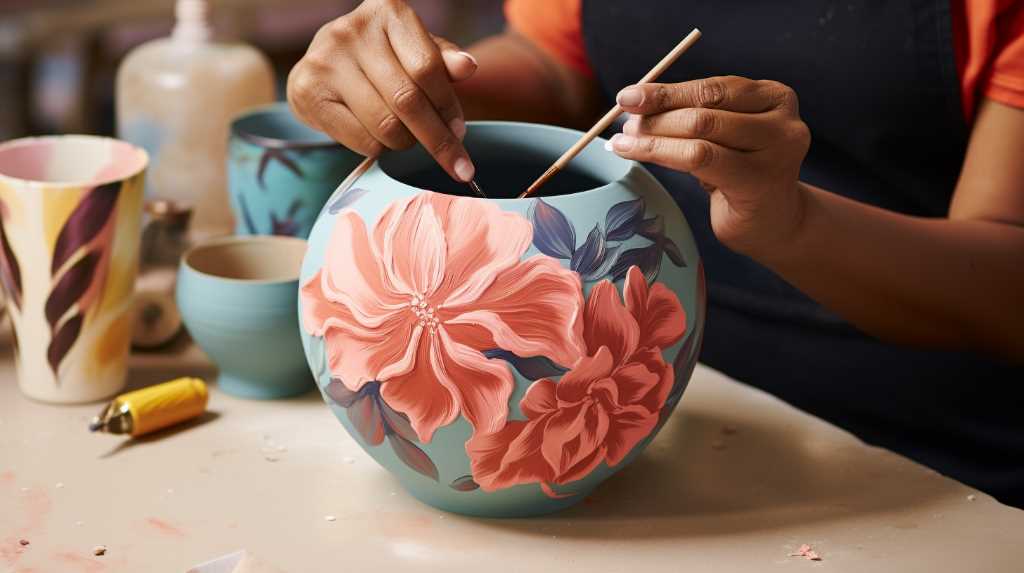
- Decorative Items for Indoor Display: Vases, figurines, and decorative tiles that will be displayed indoors and are not expected to endure rough handling are excellent candidates for air dry clay. A good sealing job will help protect them.
- Large Sculptures Where Weight is a Concern: While air dry clay can be heavier than cured polymer clay, it avoids the need for the additional weight of armatures that might be necessary for larger polymer clay pieces.
- Jewelry and Embellishments (with caution): While possible, air dry clay jewelry may not be as durable as polymer clay. If you opt for air dry, ensure you seal it thoroughly and advise your customers about its fragility.
Polymer Clay Projects: Durable Art, Wearable Creations, and Intricate Designs
- Jewelry Making: The durability, water resistance, and ability to hold fine detail make polymer clay the undisputed champion for creating professional-looking and long-lasting jewelry.
- Miniatures and Figurines: From dollhouse accessories to detailed character figures, polymer clay’s capacity for intricate sculpting is unparalleled.
- Home Decor Requiring Durability: Bowls, coasters, and decorative elements that might be handled regularly or exposed to minor spills will benefit from the robustness of cured polymer clay.
- Prototyping and Detailed Model Making: For designers and hobbyists who need to create precise, durable models, polymer clay offers excellent precision and a reliable outcome.
- Projects Requiring a Professional, Glossy Finish: Polymer clay can be sanded, buffed, and varnished to achieve a high-gloss, polished finish that is difficult to replicate with air dry clay.
As you embark on your next creative endeavor, consider these fundamental differences. Think about your desired outcome for the finished piece: its durability, its intended use, and the level of detail you aspire to achieve. Weigh the ease of use and cost against the longevity and the specific aesthetic you’re aiming for. By understanding the strengths and limitations of both air dry clay and polymer clay, you empower yourself to make the best choice that will help your artistic vision take shape, solid and true.
FAQs
What is air dry clay?
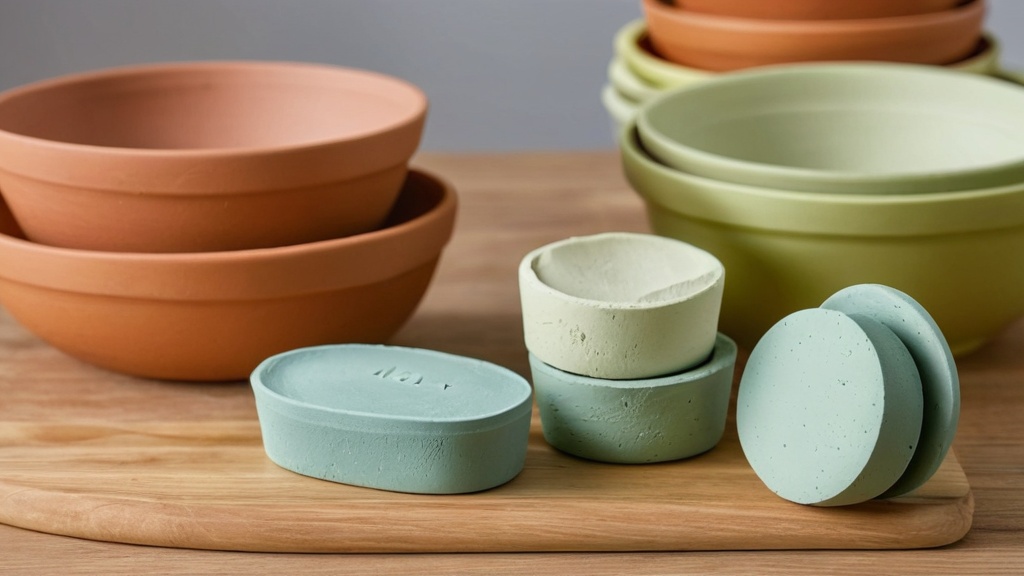
Air dry clay is a type of clay that hardens when left to dry in the air, without the need for baking or firing in a kiln. It is typically made from natural materials such as clay, minerals, and water, and is suitable for creating sculptures, pottery, and other crafts.
What is polymer clay?
Polymer clay is a type of synthetic clay that must be baked in an oven to harden. It is made from PVC (polyvinyl chloride) and a liquid plasticizer, and comes in a wide range of colors. Polymer clay is popular for making jewelry, figurines, and other small crafts.
What are the differences between air dry clay and polymer clay?
The main difference between air dry clay and polymer clay is the way they harden. Air dry clay hardens by exposure to air, while polymer clay hardens through baking in an oven. Additionally, air dry clay tends to be more fragile and porous once dry, while polymer clay is more durable and can be sanded and polished to a smooth finish.
Which type of clay is better for beginners?
For beginners, air dry clay may be a better option as it does not require special equipment or an oven for curing. It is also easier to work with and does not require as much technical skill as polymer clay. However, both types of clay have their own advantages and can be suitable for beginners depending on the project.
Can air dry clay and polymer clay be used together in a project?
Yes, air dry clay and polymer clay can be used together in a project. For example, air dry clay can be used as a base for a sculpture, and polymer clay can be used for finer details or embellishments. It is important to consider the different curing methods and plan the project accordingly to ensure compatibility between the two types of clay.