So, you’re looking to dive into a DIY project and need to know where to find the best craft stores? The truth is, the “best” really depends on what you’re making and what your local options are. Think of it like this: if you’re building a birdhouse, you’ll probably look for different supplies than if you’re knitting a sweater.
However, there are definitely some go-to places that tend to have a good range of materials, helpful staff (sometimes!), and a decent price point. We’re going to break down some common types of craft stores and what makes them useful for different kinds of projects.
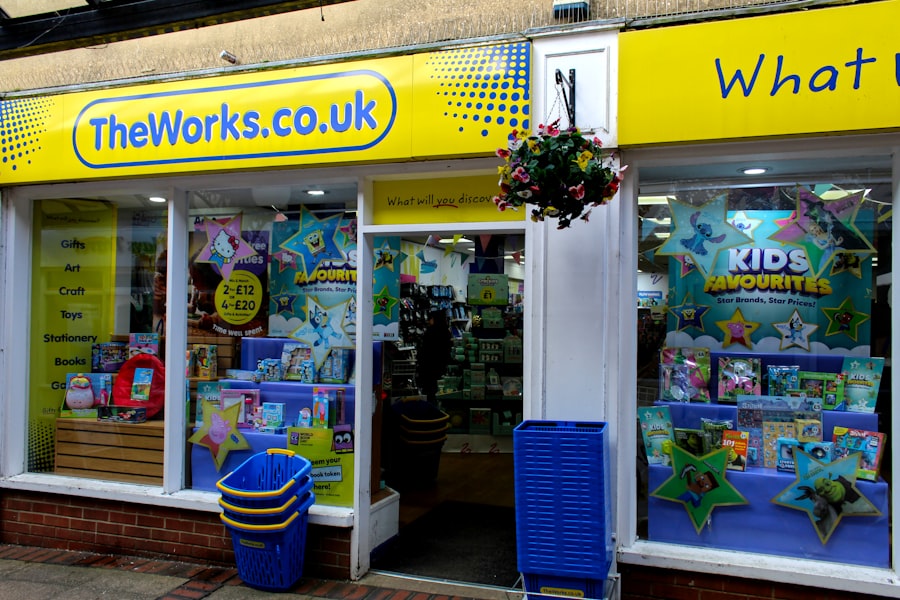
These are the Michaels, Jo-Ann Fabric and Craft Stores, and Hobby Lobbys of the world. They’re often the most accessible and have the widest variety of general crafting supplies.
What You’ll Typically Find
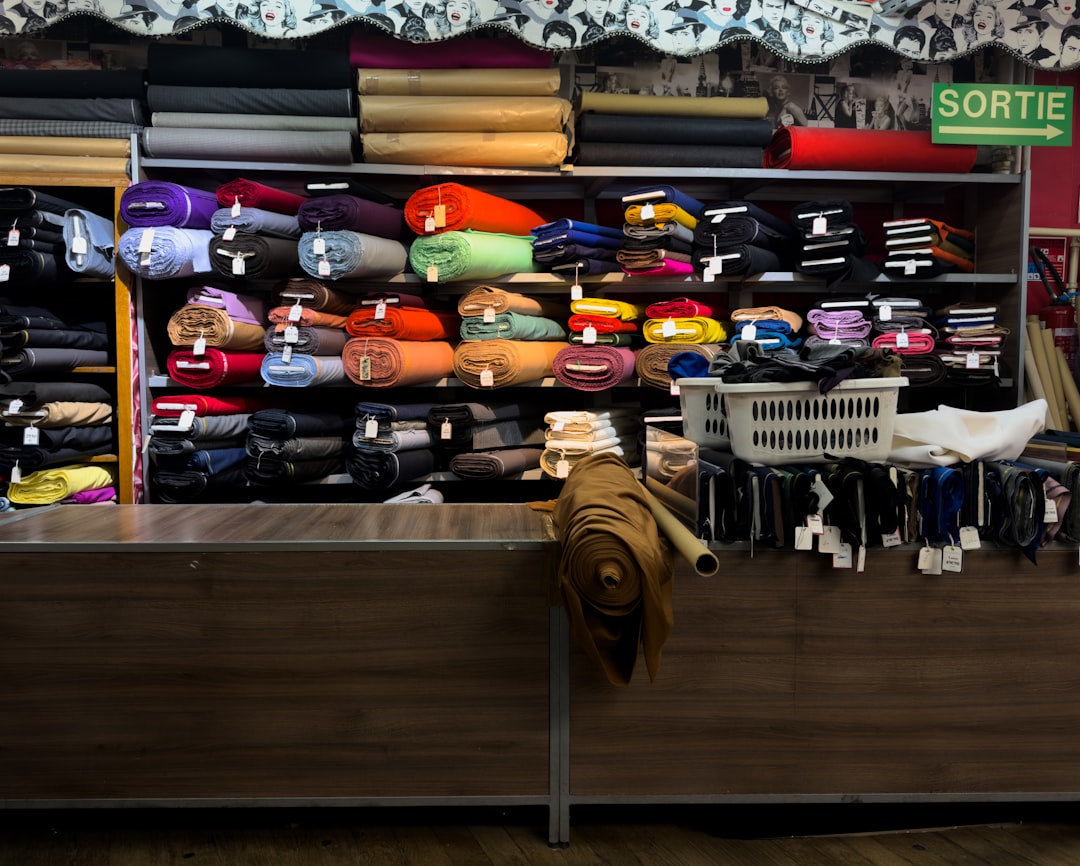
- Fabric Galore: If your project involves sewing, quilting, or upholstery, these stores usually have a substantial fabric department. You’ll find everything from cottons and linens to more specialized materials.
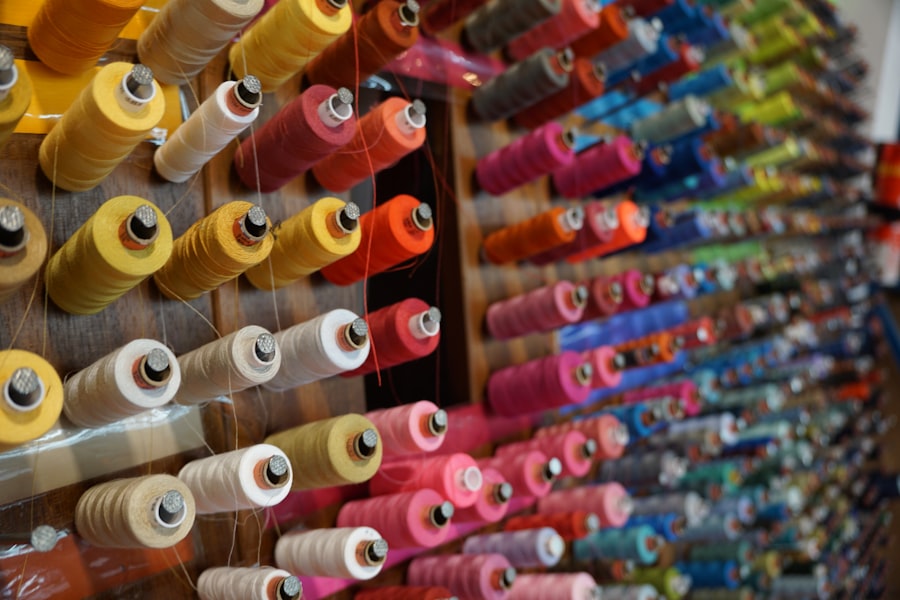
- Yarn and Needlecrafts: Knitting, crochet, embroidery, and cross-stitch enthusiasts will find aisles dedicated to yarn in every color and weight imaginable, along with all the necessary tools and patterns.
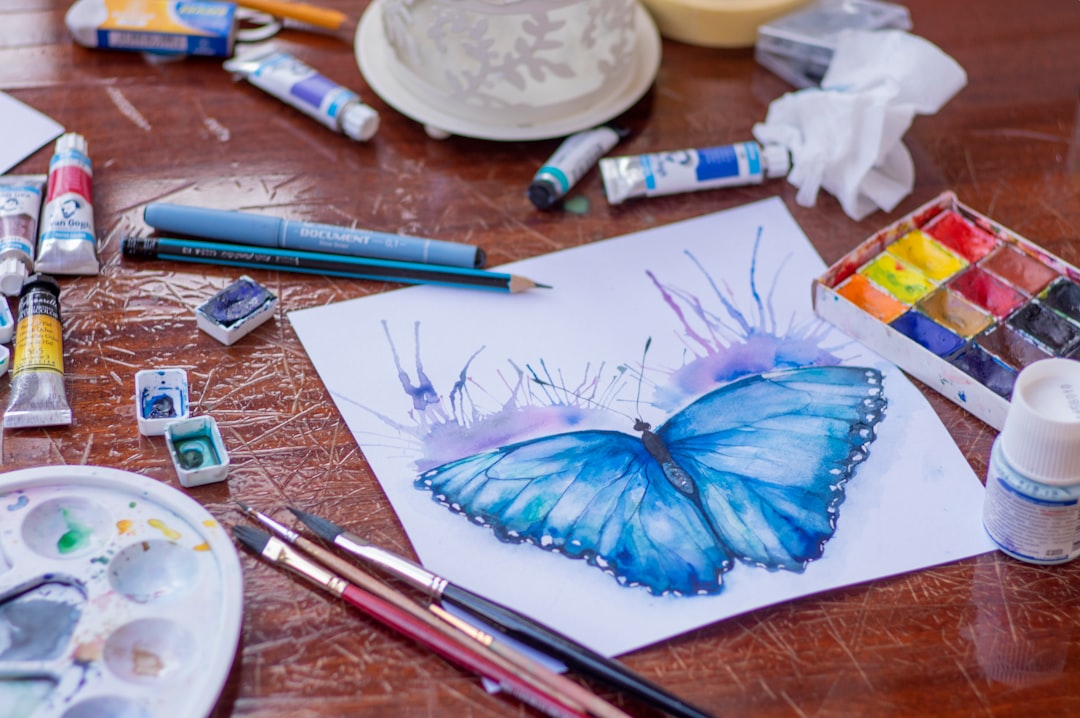
- Art Supplies: From basic acrylic paints and canvases to sketchpads and colored pencils, these stores cater to the painter and drawer. They might not have the most professional-grade oils, but for hobbyists, it’s a solid choice.
- Scrapbooking and Paper Crafts: If you’re into cardmaking, scrapbooking, or journal decorating, you’ll be overwhelmed by the selection of papers, stickers, stamps, inks, and embellishments.
- Seasonal and Home Decor: These stores are also great for finding ready-made decor items that can be modified for DIY projects, or for seasonal craft supplies that pop up throughout the year (think holiday ornaments or wedding decorations).
- Kids’ Crafts: They usually have a dedicated section for younger crafters with simpler kits, art supplies, and project ideas.
When They’re Your Best Bet
Big box stores are ideal for:
- Beginners: They provide a fantastic starting point with a broad selection and accessible price points. You can often find starter kits for various crafts.
- General Projects: If you’re not sure exactly what you need, or your project spans multiple craft types, these stores are a one-stop shop.
- Saving Money: While not always the absolute cheapest, they frequently have coupons and sales that make them very budget-friendly, especially for larger purchases.
- Inspiration: Wandering the aisles can often spark new project ideas you hadn’t considered.
Navigating the Aisles
- Use the Store Map: If available online or on their app, check out the store layout before you go.
- Don’t Be Afraid to Ask: While staff expertise can vary, they can usually point you in the right direction for specific departments or products.
- Check the Sale Flyers: Before you head out, see what’s on sale. You might find deals on items you need or inspire a project based on discounted materials.
- Look for Signage: Departments are usually clearly marked, making it easier to find what you’re looking for.
If you’re looking to enhance your crafting experience, you might find this article on air-dry clay particularly useful. It provides insights on how to easily achieve durable and hard results with air-dry clay, which is a popular material among craft enthusiasts. For more information, check out the article here: How to Easily Get Durable Hard Air Dry Clay.
Fabric Stores: For the Sewists and Beyond
While big box stores have fabric sections, dedicated fabric stores often offer a higher quality and a more curated selection. These are the types of places where you might find independent designers’ patterns or higher-end textiles.

Package Contents: you will receive 1 roll of packing wrap, the folding size is about 10.04 x 1.97 inches/ 25.5 x 5 cm, and the unfolding size is about 79 inches/ 2 meters in width, 22 yards/ 20 meters in length, adequate to meet your various demands

WATER REPELLENT SPRAY: Two Scotchgard Fabric Water Shields, 10 oz cans, that repel water-based spills on furniture and clothing fabric

【100% Pure Mulberry Silk Material】:Silk fabric made of 6A grade mulberry silk, 16 momme thickness, 44 inches width. With lustrous satin effect and light drape, for luxury apparel or home decor projects
Deeper Dives into Textiles
- Specialty Fabrics: Beyond your everyday cotton, these stores are where you’ll find silks, velvets, laces, drapery fabrics, and performance fabrics. The quality and drape will often be superior.
- Upholstery and Home Decor Fabrics: If you’re reupholstering a chair or creating custom curtains, these stores are invaluable for durable, appropriately weighted fabrics.
- Independent Patterns and Notions: You’re more likely to find unique sewing patterns from smaller designers, as well as a wider array of specialized sewing machine feet, interfacings, and hardware.
- Quilting Cotton: Dedicated quilting stores might have an even more extensive selection of quilting cottons with intricate designs and colorways.
When to Seek Them Out
- Specific Sewing Projects: When you have a clear vision for a garment or home decor item and need particular fabric characteristics.
- Higher Quality: If you’re making something you want to last and be of excellent quality, investing in better fabric from a specialty store is often worth it.
- Unique Designs: For fashion garments or statement home decor pieces, these stores are more likely to have fabrics that set your project apart.
- Expert Advice: Staff in specialty fabric stores are often highly knowledgeable about fabrics, their care, and their best uses.
Tips for Fabric Shopping
- Feel the Fabric: Always touch the fabric to get a sense of its weight, drape, and texture.
- Check the Selvedge: The edge of the fabric can sometimes indicate the fiber content and manufacturer.
- Buy a Swatch: If you’re unsure, buy a small swatch to test at home for washing and ironing.
- Ask About Yardage: If you’re making a garment, ask for advice on how much yardage you’ll need based on the pattern.
Specialty Craft Stores: For the Niche Enthusiast
These stores cater to very specific hobbies, offering a depth of product and expertise that general retailers can’t match.

Premium, Hand-Dyed Worsted Weight Yarn: Each skein of KnitPro Symfonie Bella is uniquely hand-dyed with artisanal dyeing techniques, showcasing rich tonal depth and artistic color variation - every skein is truly one of a kind.


Premium Acrylic Yarn. Our Mira Handcrafts Crochet Yarn comes with 12 hefty 50g skeins of 100% acrylic yarn. It has 1,312 yards of soft, sturdy beginner yarn for crocheting vibrant and colorful projects.
Examples of Specialty Stores
- Yarn Shops: Beyond the aisles of big box stores, dedicated yarn shops are havens for knitters and crocheters. They carry a vast range of hand-dyed yarns, luxury fibers (cashmere, merino, alpaca), and often host classes and knit-alongs.
- Bead and Jewelry Supply Stores: If your project involves making your own jewelry, these stores are essential. They offer an incredible selection of beads (gemstones, glass, metal, seed beads), findings, wire, tools, and even casting equipment.
- Model and Hobby Shops: For the builders of intricate models (ships, planes, cars, trains) or those involved in tabletop gaming miniatures, these shops offer specialized paints, glues, tools, and the models themselves.
- Paper and Stationery Boutiques: While not strictly “craft” in the same vein, some paper stores have fantastic selections of fine art paper, calligraphy supplies, letterpress equipment, and unique stationery that can be used for elevated DIY cardmaking or art projects.
When to Go Niche
- Dedicated Hobbyists: If you’re deeply involved in a particular craft, specialty stores offer the best selection and often the most knowledgeable staff.
- Unique Materials: You need specific types of thread for embroidery, particular beads for a unique necklace, or specialized paints for miniatures.
- Learning and Community: Many specialty stores offer classes, workshops, and events that can help you learn new techniques and connect with other enthusiasts.
- Higher Quality Tools: These stores often stock professional-grade tools that are more durable and precise.
What to Look For in a Specialty Store
- Staff Expertise: The staff are usually passionate about the craft and can offer invaluable advice.
- Quality of Materials: Expect a higher standard of materials tailored to the craft.
- Selection Depth: They offer a much wider variety of items within their specialty compared to general stores.
- Community Vibe: Many specialty stores foster a sense of community.
Online Retailers: The Infinite Aisle
The internet has revolutionized crafting, offering access to an almost endless supply of materials regardless of your location.

ALL INCLUSIVE CRAFT KIT: Looking for a fun one-stop, ready-for-anything craft supply bundle that covers all the basics? You found it!

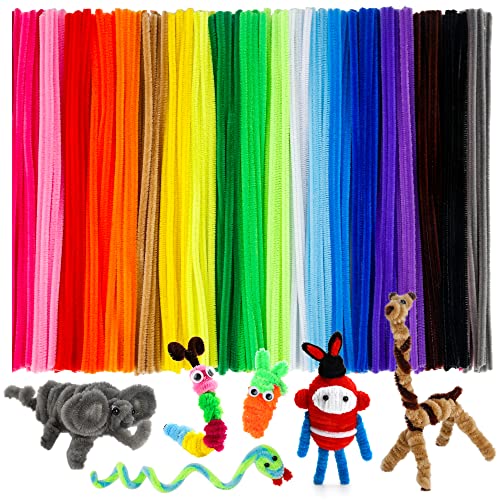
🌈Value Package: Coming with 200 pieces of pipe cleaners in 20 assorted colors, each color 10pcs, approx. 6mm in diameter, 12 inches in length, to bring life to your creations to satisfy your need
The Digital Crafting Landscape
- Amazon and Etsy: These are your workhorses. Amazon offers everything from basic craft supplies to specialized tools, often with fast shipping. Etsy is fantastic for handmade embellishments, unique supplies from small businesses, and vintage craft items.
- Specialty Online Stores: Many dedicated yarn shops, fabric stores, and hobby shops have their own websites, allowing you to shop their curated selections online.
- Direct from Manufacturers: Some craft suppliers sell directly to consumers through their websites, which can sometimes offer better pricing or access to exclusive product lines.
When to Shop Online
- When Local Options Are Limited: If you live in an area with few physical craft stores, online is your best friend.
- Specific or Hard-to-Find Items: For niche supplies or materials that are no longer readily available in brick-and-mortar stores, online is often the only option.
- Price Comparison: You can easily compare prices across different online retailers to find the best deal.
- Convenience: Shopping from home, especially for bulky items or when you have limited time, is a major advantage.
Smart Online Shopping Strategies
- Read Reviews: Pay attention to product reviews to gauge quality and accuracy of descriptions.
- Check Shipping Costs and Times: Factor shipping into your total cost and ensure you’ll receive your items in time for your project.
- Compare Prices: Don’t just buy from the first seller you see; compare prices from multiple vendors.
- Look for Bundles or Kits: Sometimes you can save money by purchasing project kits or bundles of supplies.
If you’re looking to enhance your crafting skills, exploring various projects can be incredibly rewarding. One popular trend in craft stores is the use of air-dry clay, which allows for a wide range of creative possibilities. For instance, you might want to check out this article on how to make air dry clay candle holders, which offers a step-by-step guide to creating beautiful and functional decor. You can find it here: how to make air dry clay candle holders. This project not only showcases the versatility of air-dry clay but also provides a perfect opportunity to personalize your home with handmade items.
Local Flea Markets, Thrift Stores, and Estate Sales: The Treasure Hunter’s Paradise
| Store Name | Location | Number of Employees | Annual Revenue |
|---|---|---|---|
| Michael’s | Multiple locations | 10,000 | 5 billion |
| Jo-Ann Fabric and Craft Stores | Multiple locations | 7,000 | 2.6 billion |
| Hobby Lobby | Multiple locations | 43,000 | 5.3 billion |
These are less about curated selections and more about discovery. They can be excellent sources for unique materials, vintage finds, and budget-friendly additions to your craft stash.
Unearthing Hidden Gems
- Vintage Fabrics and Linens: You can often find beautiful, high-quality vintage fabrics, lace, and embroidery at a fraction of the cost of new materials. These are perfect for unique garment details or embellishments.
- Old Books and Patterns: Pre-internet craft books, old magazines with sewing patterns, and even interesting coffee table books can provide excellent inspiration or be repurposed for paper crafts.
- Unique Embellishments: Think vintage buttons, old jewelry pieces that can be repurposed, interesting hardware, or even discarded items that can be transformed into art.
- Tools and Equipment: You might stumble upon perfectly good sewing machines, craft knives, or other tools at a bargain price.
When to Explore These Options
- Looking for Vintage Charm: If your project has a retro or antique aesthetic, these places are goldmines.
- Budget-Conscious Crafting: You can score incredible deals on materials and tools.
- Unusual and Unique Finds: For project elements that you won’t find in a mainstream craft store.
- For the Thrill of the Hunt: The serendipity of discovering something unexpected is a big part of the appeal.
Tips for Successful Hunting
- Go Often: The inventory at flea markets and thrift stores changes constantly.
- Inspect Carefully: Check for stains, damage, or missing parts before buying.
- Know What You’re Looking For (Loosely): Have an idea of what might be useful, but be open to spontaneous finds.
- Haggle (Politely): Especially at flea markets, gentle negotiation can sometimes save you money.
Ultimately, the best craft store for your DIY project is the one that has the materials you need, fits your budget, and ideally, offers a pleasant shopping experience. Don’t be afraid to mix and match sources – you might find the main fabric at a big box store, unique buttons at a thrift shop, and a specialized thread online. That’s the beauty of DIY!