Home decor often involves a blend of aesthetic appeal and personal expression. While commercially produced items offer convenience, creative handcrafts provide a unique avenue for individuals to infuse their living spaces with distinctive character. This article explores various handcraft ideas for home decor, focusing on methods, materials, and their potential applications. These projects can range in complexity, catering to diverse skill levels and available resources.
Textile arts offer a wide spectrum of possibilities for home decor, from functional items to purely decorative pieces. The malleability of fabric allows for diverse textures, patterns, and colors, providing a rich palette for personalization.
Weaving and Macramé
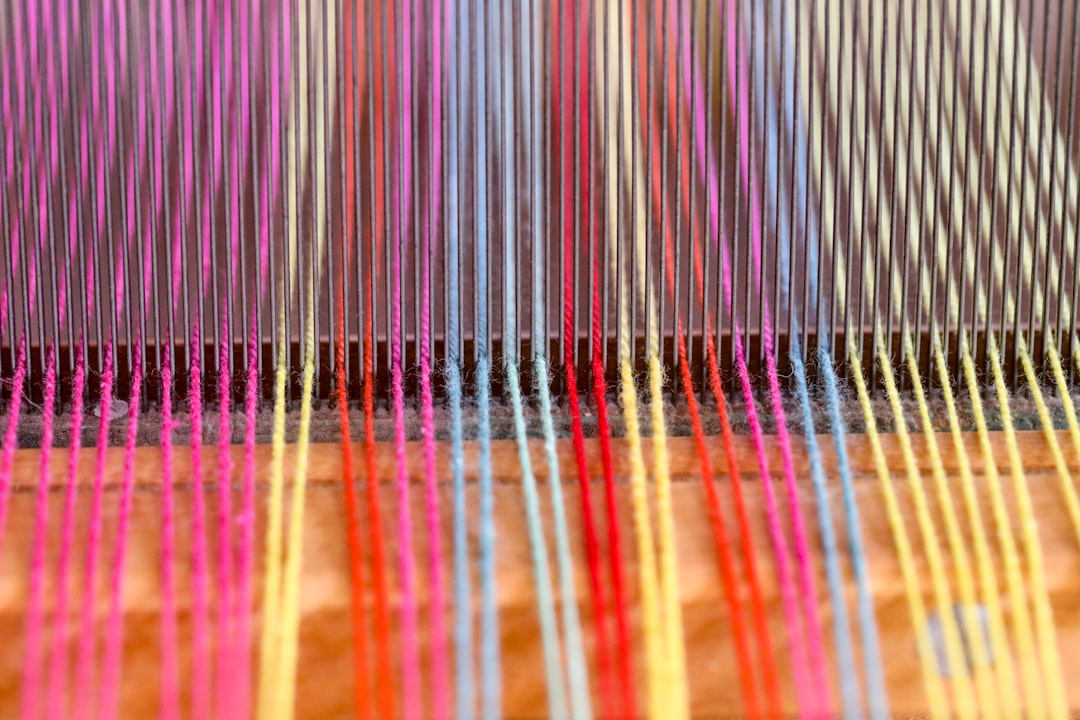
Weaving, an ancient craft, involves interlacing two distinct sets of yarns or threads to form a fabric or rug. Modern interpretations often incorporate natural fibers and minimalist designs. Macramé, a knotting technique using cord or string, creates intricate patterns that can be adapted for various decorative purposes.
- Wall Hangings: Both weaving and macramé are well-suited for creating wall hangings. These can range from large, elaborate tapestries to smaller, accent pieces. The choice of fiber, color, and knotting or weaving pattern dictates the overall aesthetic. For example, a macramé wall hanging with an open, airy design made from natural cotton cord can complement a minimalist or bohemian decor. Conversely, a tightly woven wool tapestry with intricate patterns can become a focal point in a more traditional setting.
- Plant Hangers: Macramé plant hangers elevate greenery, adding a vertical element to decor. The strength of the knotted cords allows for secure hanging of various pot sizes and weights. Different knot combinations can create unique designs, from simple functional hangers to more ornate, decorative ones that integrate beads or wooden rings.
- Textile Art Panels: Experimentation with various weaving techniques, such as tapestry weaving or rigid heddle weaving, can produce abstract or figurative art panels. These pieces can add a unique textural dimension to a wall, acting as a softer alternative to framed paintings or prints. The interplay of different yarn thicknesses and colors can create visual depth and interest.
Embroidery and Cross-Stitch
Embroidery involves decorating fabric or other materials using a needle to apply thread or yarn. Cross-stitch is a form of embroidery where X-shaped stitches are used to create a picture or pattern. These techniques offer fine detail and the opportunity to personalize existing textiles.
- Pillow Covers: Embroidered or cross-stitched designs can transform plain pillow covers into bespoke accessories. Motifs can range from geometric patterns to floral designs, monograms, or intricate scenes. The choice of thread color and stitch type can significantly alter the final aesthetic. A few carefully placed embroidered stitches can add a subtle touch of elegance, while a fully embroidered cover becomes a statement piece.
- Framed Art: Small embroidered or cross-stitched pieces can be framed and displayed as miniature works of art. This allows for intricate detail and can be a way to showcase personalized messages or representations of significant events. Framing techniques can vary, from simple hoops to more elaborate matted frames, influencing how the artwork integrates with the surrounding decor.
- Table Linens: Napkins, placemats, and table runners can be embellished with embroidered accents. This adds a refined touch to dining experiences and allows for thematic decoration aligning with seasonal changes or special occasions. Consider the practicality of the stitches and thread types chosen for items that will undergo frequent washing.
If you’re looking for inspiration on hand craft ideas, you might find this article on air-dry clay particularly helpful. It provides a comprehensive overview of what air-dry clay is and how to use it effectively in your projects. For more information, check out the article here: What is Air Dry Clay?. This resource can spark your creativity and help you explore various crafting techniques using this versatile material.
Upcycling and Repurposing Materials
Upcycling and repurposing involve transforming discarded or unused items into new objects of higher value or quality. This approach not only provides unique decor items but also contributes to sustainability by reducing waste. It often requires a creative vision to see the potential in what others might consider refuse.

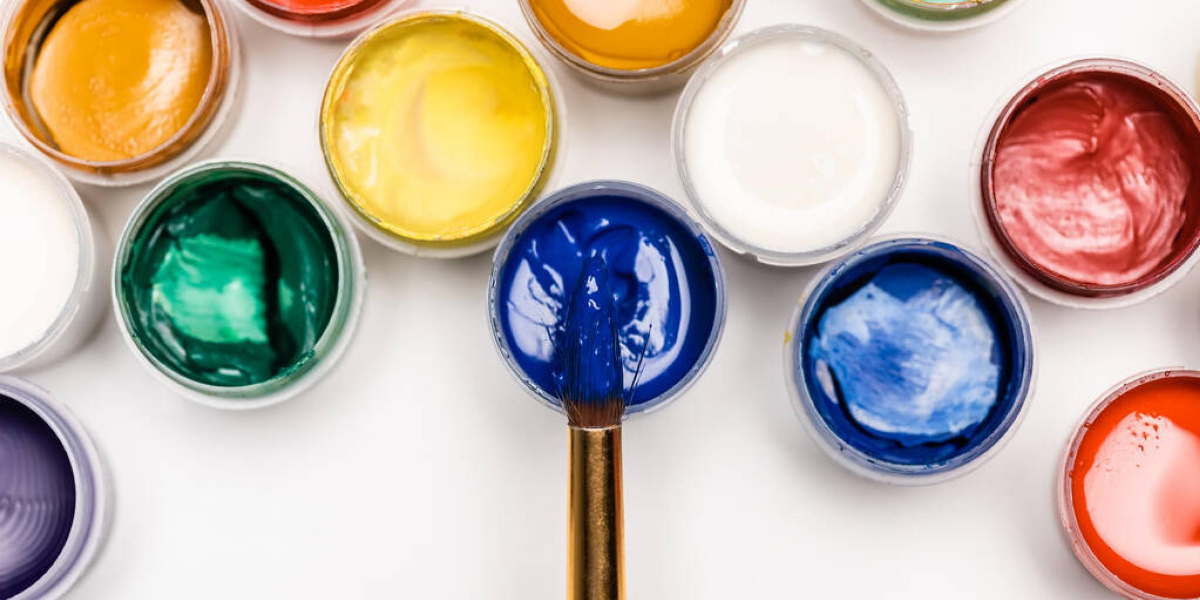
VERSATILE SIZE - This unique chalk acrylic paint comes in a convenient 8 oz size and has a rich, highly pigmented formula - perfect for all your home décor projects!

Furniture Transformation
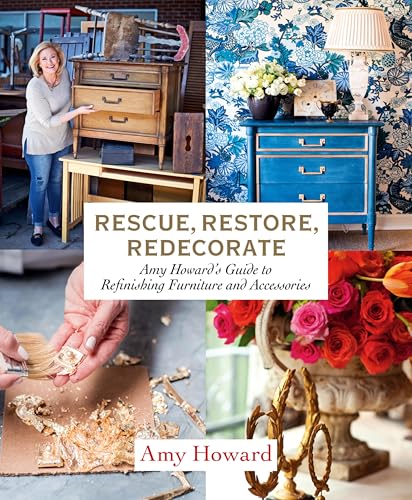
Existing furniture pieces, often overlooked or destined for disposal, can be given a new lease on life through creative intervention. This can involve surface treatments, structural modifications, or a combination of both.
- Painting and Stenciling: A fresh coat of paint can fundamentally change the appearance of a wooden or metal furniture piece. Stenciling allows for the application of intricate patterns or designs, creating visual interest. Consider chalk paint for a distressed, vintage look, or high-gloss enamel for a modern finish. The choice of color can either blend the piece into the existing decor or make it a striking focal point.
- Decoupage: Decoupage involves gluing paper cutouts onto a surface and then coating them with varnish or lacquer. This technique can be applied to furniture like dressers, tables, or cabinets, creating unique surface designs using old maps, newspapers, fabric scraps, or printed botanical illustrations. The layered effect can add texture and depth.
- Upholstery Revival: Older chairs, stools, or headboards can be reupholstered with new fabric. This not only refreshes the item’s appearance but also allows for a complete change in color, pattern, and texture to match the home’s current aesthetic. The difficulty of upholstery varies significantly depending on the complexity of the piece, often requiring specialized tools and techniques for professional results.
Object Reinvention
Everyday objects, from glass jars to old books, can be reimagined as decorative elements, offering a cost-effective and environmentally friendly approach to home styling.
- Glass Jar Luminaries: Empty glass jars can be transformed into luminaries or vases. This can involve painting the exterior, wrapping them with twine or fabric, or filling them with decorative elements like sand, pebbles, or strings of LED lights. These can create ambient lighting for various spaces, both indoors and outdoors.
- Book Art and Craft: Old books, particularly those no longer suitable for reading, can be repurposed into decorative objects. This can include folding pages to create sculptures, cutting out sections to form recessed displays, or using their covers as decorative panels. A stack of aesthetically pleasing antique books themselves can serve as a decorative element.
- Pallet Furniture and Decor: Wooden pallets, often found as industrial waste, can be disassembled and reconstructed into various furniture items or decorative pieces. Examples include coffee tables, shelving units, vertical gardens, or wall art. This often requires basic carpentry skills and suitable tools for cutting, sanding, and assembling the wood.
Natural Elements and Botanicals
Incorporating natural elements into home decor introduces organic textures, forms, and colors, fostering a connection to the outdoors. These elements can be sourced locally or from readily available materials.
Dried Floral Arrangements
Dried flowers and botanicals offer a long-lasting alternative to fresh blooms, providing texture and color without the need for constant maintenance. The drying process preserves their form, allowing for sustained visual interest.
- Wreaths: Dried flowers, leaves, and seed pods can be arranged on a wreath base to create natural decorations for doors or walls. These can be seasonal, reflecting the changing flora, or designed for year-round display. The natural variations in color and texture contribute to a softer, more organic aesthetic than artificial counterparts.
- Bouquets and Centerpieces: Dried flower bouquets can serve as permanent centerpieces on tables or shelves. The range of available dried botanicals, from delicate grasses to robust thistles, allows for diverse arrangements. Consider pairing them with vases made from natural materials like terracotta, wood, or unglazed ceramic.
- Botanical Wall Art: Pressing flowers and leaves allows for their preservation as two-dimensional art. These pressed botanicals can be arranged in frames, creating intricate collages or minimalist displays highlighting individual specimens. This method captures the fleeting beauty of nature and transforms it into lasting art.
Wood and Stone Crafts
Wood and stone, elemental materials, bring a sense of grounding and permanence to interior spaces. Their inherent textures and forms are often celebrated in handcrafted decor.
- Driftwood Sculptures: Pieces of driftwood, shaped by natural forces, can be assembled into unique sculptures or decorative accents. Their weathered appearance and organic forms contribute a coastal or rustic aesthetic. Depending on their size, driftwood pieces can be used as standalone decorative objects or incorporated into larger displays.
- Pebble Art: Smooth pebbles collected from natural environments can be arranged and adhered to a backing to create mosaics, wall art, or decorative elements on trays and picture frames. The varying colors and shapes of pebbles allow for abstract patterns or more representative scenes. This craft encourages an appreciation for natural diversity.
- Log Slice Decor: Cross-sections of logs can be sanded, treated, and used as coasters, trivets, or bases for decorative displays. Larger slices can be incorporated into wall art or even side tables, showcasing the concentric rings that tell the story of the tree’s growth. The natural edge of the bark adds a rustic touch.
Paper and Cardboard Creations
Paper and cardboard, humble and readily available materials, can be transformed into sophisticated and intriguing decorative objects through various techniques. Their versatility allows for intricate detailing and three-dimensional forms.

![Amazing Origami Kit: Traditional Japanese Folding Papers and Projects [144 Origami Papers with Book, 17 Projects]](https://m.media-amazon.com/images/I/51uEuHVJ-PL._SL500_.jpg)

Craft kit comes with everything needed to create 40 folded paper animals
Origami and Paper Folding
Origami, the Japanese art of paper folding, creates three-dimensional shapes from flat sheets of paper without cutting or gluing. Paper folding itself encompasses a broader range of techniques for shaping paper.
- Decorative Mobiles: Origami figures, such as cranes or geometric shapes, can be suspended from a frame to create delicate and visually engaging mobiles. These add movement and a focal point to a room, catching the eye with their subtle sway. Varying paper colors and sizes can create dynamic compositions.
- Modular Art Pieces: Repeated paper folding units can be assembled to form larger, modular art pieces. These can be displayed on shelves, hung on walls, or even used as standalone sculptural elements. The repetition of forms creates a sense of harmony and pattern.
- Paper Flowers and Garlands: Elaborate paper flowers can be crafted from various types of paper, mimicking natural blooms or creating stylized forms. These can be arranged in vases, used as embellishments, or strung together to form decorative garlands for celebratory occasions or everyday decor.
Cardboard and Paper Mâché
Cardboard, a thicker and more rigid form of paper, provides structural stability, while paper mâché allows for the creation of lightweight, sculpted forms through layering paper and adhesive.
- Sculptural Forms: Cardboard can be cut, folded, and joined to create three-dimensional sculptures, from abstract geometric shapes to more representational figures. Painting or covering the cardboard further enhances its decorative appeal. This technique requires precision in cutting and scoring.
- Decorative Boxes and Storage: Sturdy cardboard boxes can be transformed into attractive storage solutions. This involves covering them with decorative papers, fabric, paint, or decoupage. Embellishments like ribbons, beads, or handles can further personalize these functional items.
- Paper Mâché Bowls and Vases: Paper mâché, a technique involving layering paper strips and paste over a form, allows for the creation of lightweight and durable bowls, vases, or decorative masks. Once dry, these objects can be painted and sealed, resulting in a unique, handcrafted appearance. The process encourages organic forms and textures.
If you’re looking for inspiration for your next creative project, you might find some fantastic hand craft ideas in this article. It explores the benefits of using air-dry clay, which can be a great alternative to traditional clay for various crafts. To learn more about why air-dry clay is a preferred choice for many crafters, check out this insightful piece on why to choose air-dry clay over traditional clay. This resource can help you discover new techniques and projects that will elevate your crafting experience.
Illumination and Lighting Crafts
| Hand Craft Idea | Materials Needed | Estimated Time | Skill Level | Popularity (out of 10) |
|---|---|---|---|---|
| Paper Quilling | Colored paper strips, quilling tool, glue | 1-2 hours | Intermediate | 7 |
| Macramé Wall Hanging | Macramé cord, wooden dowel, scissors | 3-4 hours | Intermediate | 8 |
| Beaded Jewelry | Beads, string, clasps, pliers | 1-3 hours | Beginner to Intermediate | 9 |
| Hand Painted Rocks | Rocks, acrylic paint, brushes, sealant | 30 minutes – 1 hour | Beginner | 6 |
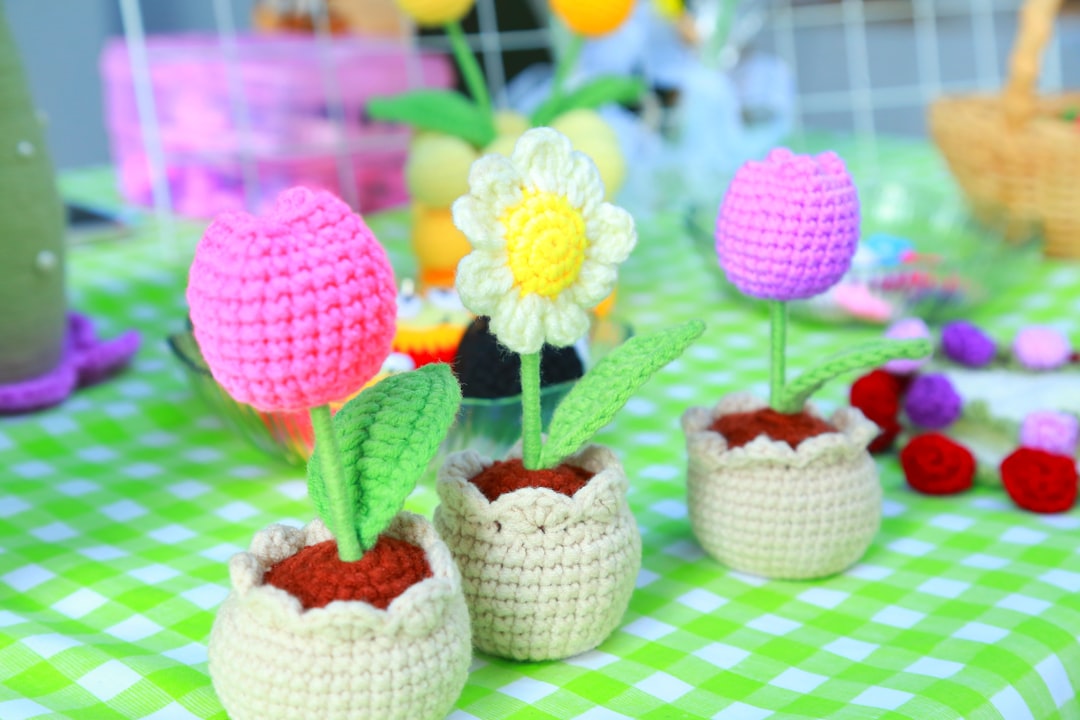
| Crochet Coasters | Yarn, crochet hook, scissors | 2-3 hours | Intermediate | 7 |
| DIY Scented Candles | Wax, wicks, fragrance oils, containers | 2-3 hours | Beginner to Intermediate | 8 |
Lighting plays a crucial role in setting the ambiance of a space. Handcrafted lighting fixtures offer opportunities for customization, allowing for control over both the visual design of the fixture and the quality of light it emits.

NATURE CRAFTED—Join the fun of crafting with the beauty of nature!
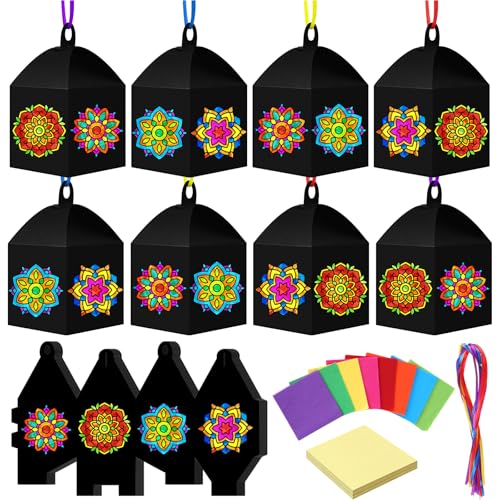
Complete 16-Set Craft Kit: This Diwali crafts bulk set includes 16 black paper lantern boxes, 600 assorted tissue paper squares, 64 transparent adhesive sheets, and 16 colorful ribbons measuring 7.87 inches; the coordinated quantity works well for adult craft nights, office gatherings, cultural events, and shared festival projects

【Pumpkin decorating kit stickers package includes】24 sheets pumpkin face stickers per package, 12 different expressions ,perfect for Jackolantern stickers for Halloween party,classroom and families’ activity.
Lanterns and Lampshades
Creating custom lanterns and updating existing lampshades are effective ways to infuse a personal touch into a room’s illumination. The materials used can significantly alter the light’s diffusion and color.
- Paper Lanterns: Simple paper lanterns can be embellished through cutting, perforation, or the addition of decorative elements. More intricate designs can involve constructing three-dimensional forms from paper or lightweight cardstock around a light source. These can provide soft, atmospheric lighting.
- Fabric Lampshade Covers: Existing lampshades can be revitalized by covering them with new fabric. This allows for the introduction of new patterns, textures, or colors to match changing decor. Consider light-diffusing fabrics to ensure appropriate illumination. Sewing or gluing techniques can be employed depending on the desired finish.
- Jar or Bottle Lamps: Repurposed glass jars or bottles can be adapted as bases for lamps or as enclosures for fairy lights. This creative reuse transforms discarded items into functional decorative pieces. Drilling holes for electrical cords or simply inserting battery-operated lights are common methods. The glass itself offers unique light diffusion properties.
Candle Holders and Flameless Options
Candlelight introduces warmth and a soft glow, while flameless alternatives offer safety and versatility. Handcrafting holders for these light sources allows for diverse material exploration.
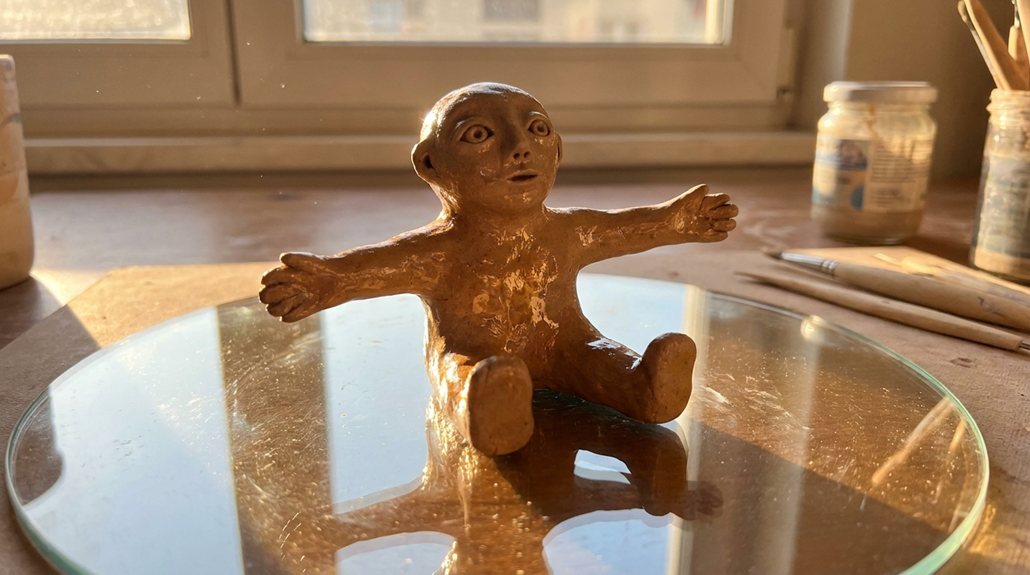
- Ceramic or Clay Holders: Hand-built ceramic or air-dry clay can be fashioned into unique candle holders. This allows for sculptural forms, textured surfaces, and custom glazes or paints. The weight of ceramic provides stability for candles.
- Wooden Candle Holders: Wood blocks, branches, or carved pieces can be transformed into candle holders. Drilling appropriate-sized holes creates recesses for candles. The natural grain and warmth of wood complement the glow of candlelight. Consider different types of wood for varied aesthetics.
- Salt Dough Votives: Salt dough, a simple mixture of flour, salt, and water, can be molded into votive holders. Once baked and hardened, these can be painted and sealed. This craft is particularly accessible and allows for intricate detailing before baking. Flameless LED candles are recommended for these creations, given the flammability of the material.
By engaging in these creative handcraft projects, individuals can cultivate a home environment that is not merely furnished but genuinely curated, reflecting their personal narrative and aesthetic preferences. Each handcrafted item, a small monument of effort and creativity, contributes to a living space that feels distinctively personal and inviting.