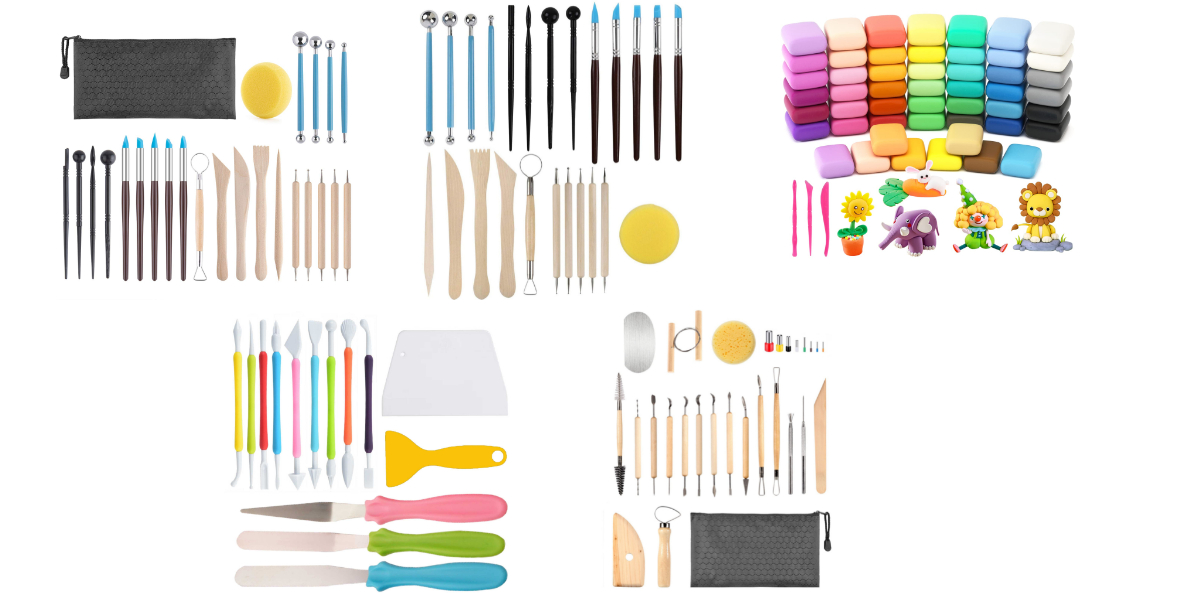

The pursuit of handcrafted items, whether for personal use, artistic inspiration, or as thoughtful gifts, often leads individuals to seek out local craft shops. These establishments serve as vital hubs for both creators and consumers, offering a tangible connection to the tangible world in an increasingly digital age. This article provides a guide to discovering craft shops in your vicinity, outlining the types of goods they typically offer, the benefits of supporting them, and practical methods for locating these valuable community resources.
Craft shops are retail businesses that specialize in the sale of items created by artisans and craftspeople. They represent a diverse spectrum of creative disciplines, ranging from traditional crafts to more contemporary artistic expressions. The products found within these stores are often unique, reflecting the individual skill and vision of their makers, and stand in contrast to mass-produced goods.
Categories of Craft Offerings
The scope of products available in craft shops is extensive and can be broadly categorized:
Textiles and Fiber Arts
This category encompasses a wide array of items fashioned from thread, yarn, fabric, and other fibrous materials.
Knitting and Crocheting
Products include hand-knitted sweaters, scarves, hats, mittens, and blankets. Crocheted items may feature doilies, amigurumi (stuffed toys), decorative edgings, and home decor pieces like baskets and rugs. Yarn shops themselves often fall under this umbrella, providing the raw materials for these crafts.
Weaving and Spinning
Woven goods such as tapestries, wall hangings, placemats, and upholstery fabric can be found. Hand-spun yarns, showcasing unique textures and colors derived from natural fibers like wool, cotton, and alpaca, are also frequently sold.
Quilting and Sewing
Detailed quilts, handcrafted garments, tote bags, and various sewn accessories like pouches and aprons are common. Fabric shops that also carry finished goods can be considered part of this sector.
Embroidery and Stitching
Intricately embroidered wall art, custom linens, and decorative stitched pieces represent this craft. These often involve a high degree of manual dexterity and attention to detail.
Ceramics and Pottery
This domain involves the creation of objects from clay, which are then fired in a kiln.
Functional Pottery
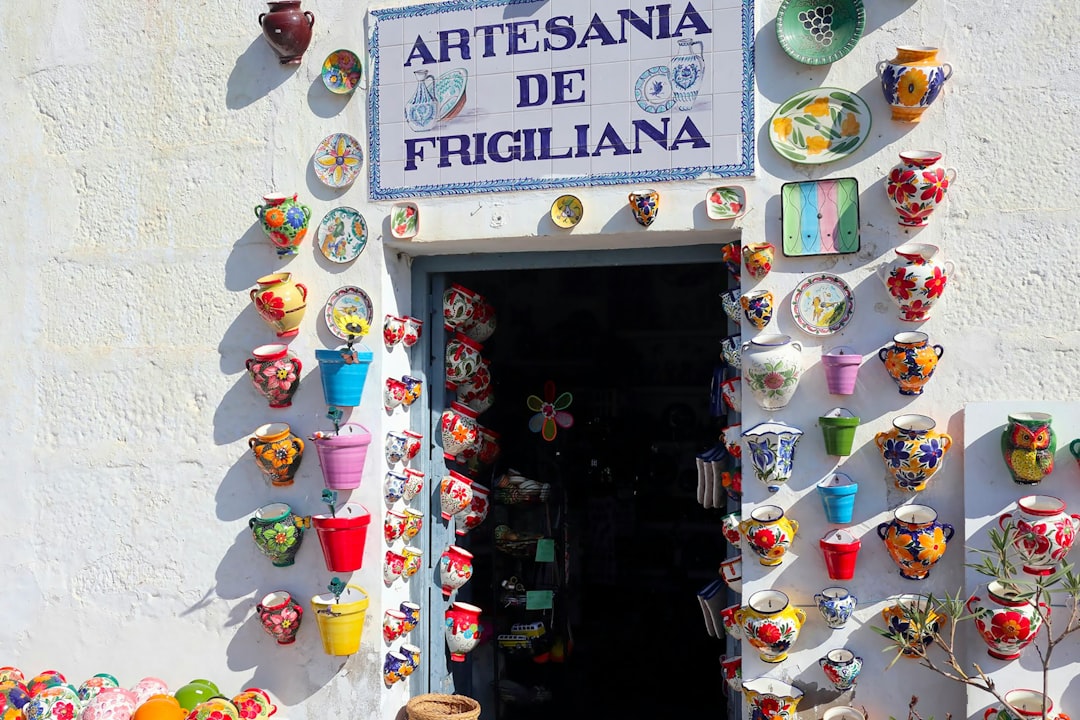
Everyday items such as mugs, bowls, plates, vases, and pitchers, distinguished by their handmade quality, are prevalent. These pieces often offer a unique tactile experience compared to mass-produced tableware.
Decorative Ceramics
Sculptural pieces, wall tiles, figurines, and ornamental objects fall into this category. These items are primarily intended for aesthetic appeal and can range from minimalist designs to elaborate, themed creations.
Raku and Specialized Firing Techniques
Shops that feature items made with unique firing techniques like Raku, known for its distinctive crackled glaze and metallic finishes, offer a particular niche.
Jewelry Making
The creation of wearable adornments using various metals, stones, beads, and other materials.
Metalwork and Silversmithing
Hand-forged rings, necklaces, bracelets, and earrings crafted from silver, gold, copper, and other metals, often incorporating semi-precious or precious stones.
Beadwork
Intricate beaded necklaces, bracelets, earrings, and even beaded sculptures, utilizing a vast spectrum of bead types, sizes, and colors.
Wire Wrapping
Jewelry constructed by artfully bending and weaving wire around beads, stones, or other components.
Mixed Media Jewelry
Pieces that combine diverse materials such as wood, resin, glass, and found objects to create unique pendants, earrings, and brooches.
Woodworking and Carving
The manipulation of wood to create functional and decorative objects.
Turned Wood Items
Bowls, vases, spindles, and decorative objects created on a lathe, showcasing the natural grain of the wood.
Carved Wood Sculptures
Artistic carvings of animals, abstract forms, or detailed figurative pieces, often highlighting the skill of the woodcarver.
Handmade Furniture and Home Decor
Smaller handcrafted wooden items like picture frames, shelves, toys, and decorative boxes, alongside potentially larger custom furniture pieces.
Paper Crafts and Art
The use of paper as a primary medium for artistic expression.
Handmade Books and Journals
Unique, custom-bound journals, sketchbooks, and artist books, often featuring decorative papers and bindings.
Paper Cutting and Quilling
Delicate artworks created through intricate cutting of paper or by rolling and shaping strips of paper.
Card Making and Stationery
Handcrafted greeting cards, invitations, and personalized stationery sets, offering a more personal touch than printed alternatives.
Mixed Media and Found Object Art
Art that combines a variety of materials and techniques, often incorporating repurposed or found objects.
Assemblage Art
Sculptural works created by assembling disparate objects, creating new forms and narratives.
Collage and Decoupage
Art created by layering different materials, such as paper, fabric, or small objects, onto a surface.
Upcycled and Recycled Art
Artistic pieces that give new life to discarded materials, promoting sustainability and creativity.
The Appeal of Handmade Goods
The appeal of handmade goods extends beyond their aesthetic qualities. They often represent a conscious choice to support local economies, individual artists, and the preservation of traditional skills.
Uniqueness and Individuality
Each handmade item carries the imprint of its creator, making it inherently unique. Unlike mass-produced items that are identical, a handcrafted piece possesses subtle variations that speak to its origin. This individuality can be a powerful draw for consumers seeking items that resonate with their personal style.
Quality and Craftsmanship
Handmade items are often associated with a higher level of quality. Artisans typically invest significant time and skill into their work, using careful attention to detail and often selecting higher-quality materials. This dedication to craftsmanship can result in products that are not only beautiful but also durable and long-lasting.
Ethical and Sustainable Consumption
Purchasing from local craft shops often means supporting small businesses and independent artists. This can contribute to the local economy, foster community connections, and reduce the environmental impact associated with long-distance transportation of goods. Many craftspeople also prioritize sustainable practices, using eco-friendly materials and production methods.
Preservation of Traditional Skills
Craft shops are repositories for a wealth of traditional skills that might otherwise be lost. By patronizing these establishments, consumers actively contribute to the continuation of these valuable artistic legacies. These skills, passed down through generations, represent a form of cultural heritage.
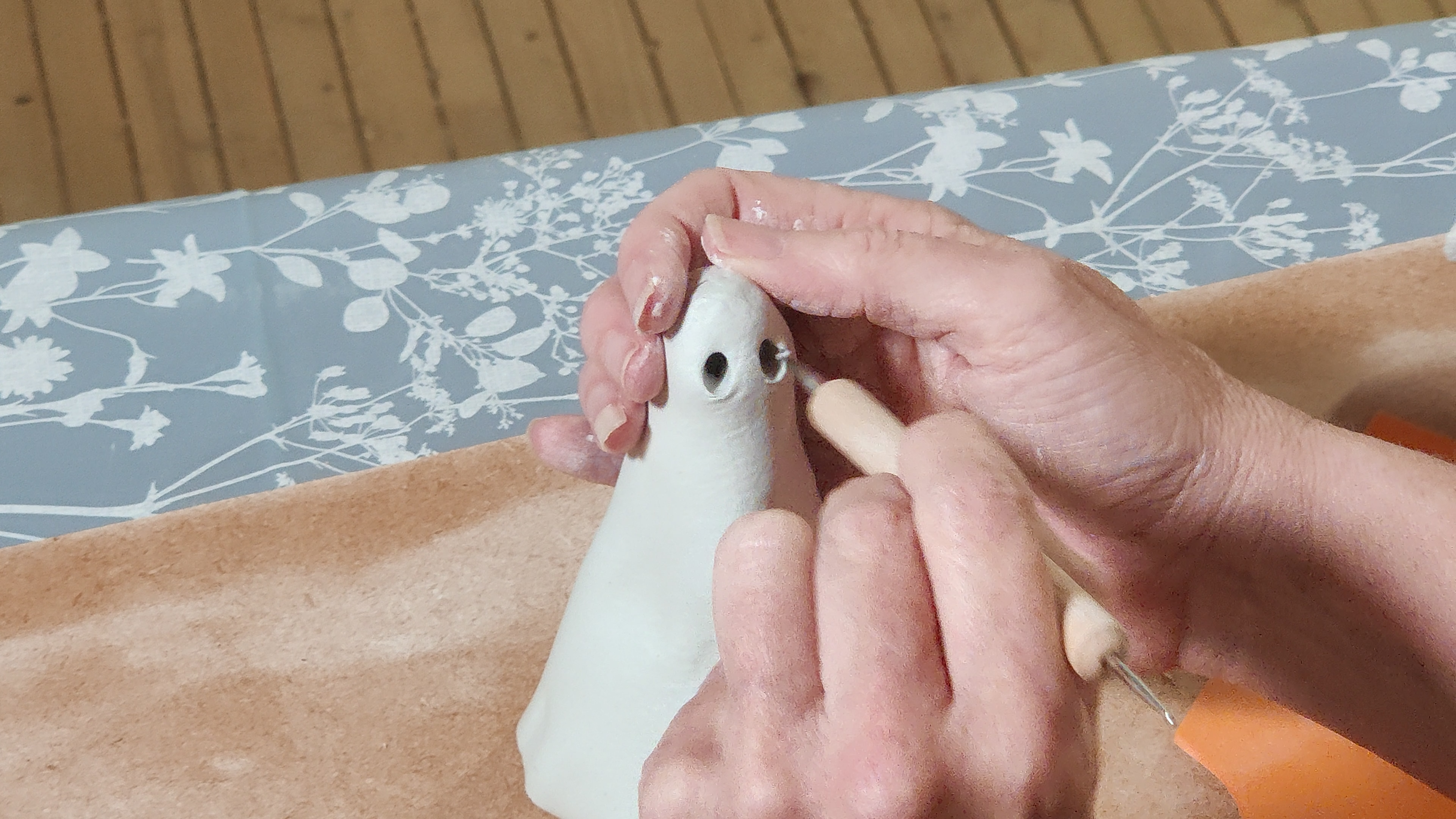
If you’re looking to explore your creativity and find craft shops near you, a great resource is the article on how to make an air-dry clay ragdoll cat. This guide not only provides step-by-step instructions but also highlights the materials you can find at local craft stores. To read more about this fun project, visit the article here: How to Make an Air Dry Clay Ragdoll Cat.
Strategies for Locating Craft Shops
Identifying craft shops in your area involves a combination of digital and traditional research methods. The digital landscape offers a vast array of tools, while local knowledge and physical exploration can reveal hidden gems.
Leveraging Online Search Engines and Directories
The internet is often the first port of call for many people seeking local services and businesses.
Utilizing Search Queries
Performing targeted searches on platforms like Google, Bing, or DuckDuckGo is a fundamental step. Common search terms include:
- “Craft stores near me”
- “Handmade gifts [your city/town]”
- “Artisan shops [your neighborhood]”
- “Local makers market”
- “Boutique craft shops [your zip code]”
Refining these searches with specific craft types can yield even more precise results, for example: “handmade pottery shops [your city]” or “locally made jewelry stores [your area].”
Exploring Online Business Directories
Platforms such as Yelp, Google Maps, and Yellow Pages provide comprehensive directories of local businesses. These services often allow users to filter by category, read reviews, and view business hours and contact information. Craft shops are usually listed under categories like “Gift Shops,” “Art Galleries,” “Specialty Stores,” or even specific craft types.
Social Media Platforms
Social media has become a powerful tool for discovering local businesses.
Facebook and Instagram
Many craft shops maintain active profiles on these platforms, showcasing their products, announcing events, and interacting with customers. Searching for relevant hashtags (e.g., #SupportLocalArtisans, #[YourCity]Crafts, #Handmade[YourCity]) can lead to discovering these shops. Local community groups on Facebook may also feature recommendations and discussions about craft businesses.
While primarily a visual discovery engine, Pinterest can be used to find examples of handmade items and, by extension, the shops that sell them. Searching for specific crafts may reveal images linked to online shops or social media profiles of local artisans.
Exploring Local Community Resources
Beyond the digital realm, there are numerous community-based avenues for discovering craft shops.
Farmers’ Markets and Makers’ Markets
Many farmers’ markets now include stalls for local artisans selling their wares. Dedicated “makers’ markets” or “craft fairs” are even more specialized, bringing together numerous independent creators in one location. These events are excellent opportunities to meet artisans directly, ask about their permanent retail locations, and discover new businesses.
Community Art Centers and Galleries
Local art centers and galleries often serve as hubs for the artistic community. They may host exhibitions of local artists, offer classes, and sometimes have gift shop sections featuring the work of their members. These spaces can be particularly useful for finding high-end or more unique artistic craft pieces.
Local Tourism and Visitor Information Centers
If you are in a new area or looking for attractions, local tourism offices are invaluable resources. They often have brochures, maps, and knowledgeable staff who can recommend local craft shops and artisan districts.
Word-of-Mouth and Local Recommendations
The most authentic way to discover local craft shops is often through the recommendations of people who live in the area. Striking up conversations with residents, asking colleagues, or inquiring at other local businesses can lead to uncovering artisanal treasures. Local newspapers and community newsletters may also feature profiles of local businesses.
If you’re looking to explore your creativity, visiting craft shops near you can be a great way to find inspiration and materials. Many local stores offer a variety of supplies for different projects, from painting to pottery. For instance, if you’re interested in working with air-dry clay, you might find helpful tips in this article about making an adorable one-eyed orange cat. Check it out here to get started on your next crafting adventure!
Identifying Specialized Craft Boutiques
Some craft shops focus on specific types of crafts, catering to enthusiasts and collectors.
Dedicated Yarn Stores
For those interested in knitting, crocheting, or other fiber arts, dedicated yarn stores offer a curated selection of high-quality yarns, needles, patterns, and often hold workshops or knitting circles, fostering a community around the craft.
Independent Bookstores
Many independent bookstores carry sections dedicated to crafts and hobbies, and may also host author signings or events related to creative pursuits. Some may also feature small selections of handmade items from local artists.
Specialty Hobby Shops
Shops catering to specific hobbies, such as model building, stamp collecting, or painting, might also have sections for related handmade accessories or tools.
The Benefits of Supporting Local Craft Shops

Choosing to patronize local craft shops offers a range of advantages that extend beyond the immediate transaction. These benefits touch upon economic, social, and personal aspects of community life.
Economic Impact on the Local Community
Supporting local businesses is a cornerstone of a robust local economy.
Direct Financial Contribution
When you purchase from a local craft shop, a significant portion of that money remains within your community. This contrasts with purchases from large, national chains where profits are often repatriated to corporate headquarters elsewhere. This direct injection of funds can help small businesses thrive, expand, and employ local residents.
Job Creation
Craft shops, whether owned and operated by a single artisan or a small team, contribute to local employment. Beyond the shop owners themselves, these businesses may hire sales associates, marketing personnel, or even production assistants, thereby creating opportunities for individuals within the community.
Supporting a Diverse Marketplace
The presence of independent craft shops contributes to a more vibrant and diverse retail landscape. They offer unique products and experiences that differ from the homogeneous offerings of big-box retailers, making a local area more attractive to residents and visitors alike.
Fostering Community and Connection
Craft shops often serve as more than just retail spaces; they can become important community gathering points.
Artisan-Consumer Relationships
These shops facilitate direct interaction between the people who make the goods and the people who buy them. This can lead to a deeper appreciation for the artistry involved and a stronger sense of connection. Consumers can learn about the inspiration, process, and materials behind their purchases.
Hubs for Creative Exchange
Many craft shops act as informal or formal centers for creative exchange. They might host workshops, classes, or meet-up groups for artisans and hobbyists. This fosters a sense of belonging and provides opportunities for skill-sharing and collaborative projects.
Preserving Local Identity and Culture
Handcrafted items often reflect the local culture, history, and traditions of a region. By supporting shops that sell these items, communities help to preserve and celebrate their unique identity. These tangible pieces can become symbols of local pride and heritage.
Personal Enrichment and Discovery
Engaging with craft shops can be a personally rewarding experience, offering opportunities for learning, inspiration, and connection.
Sources of Unique Gifts and Personal Items
In a world where many gifts can feel impersonal, a handcrafted item from a local shop offers a thoughtful and distinctive alternative. These items are often imbued with personal meaning, making them ideal for special occasions or as cherished possessions.
Inspiration for Personal Creativity
Visiting craft shops can spark inspiration for one’s own creative endeavors. Seeing the diverse range of techniques, materials, and styles can encourage individuals to explore new hobbies or refine existing skills. The sheer ingenuity on display can be a powerful motivator.
Mindfulness and Tangible Engagement
In an increasingly digital world, the tactile nature of handcrafted items offers a welcome contrast. Engaging with the textures, colors, and forms of handmade objects can be a grounding and meditative experience. It encourages a slower, more deliberate engagement with the material world.
Navigating Your Craft Shop Discovery Journey
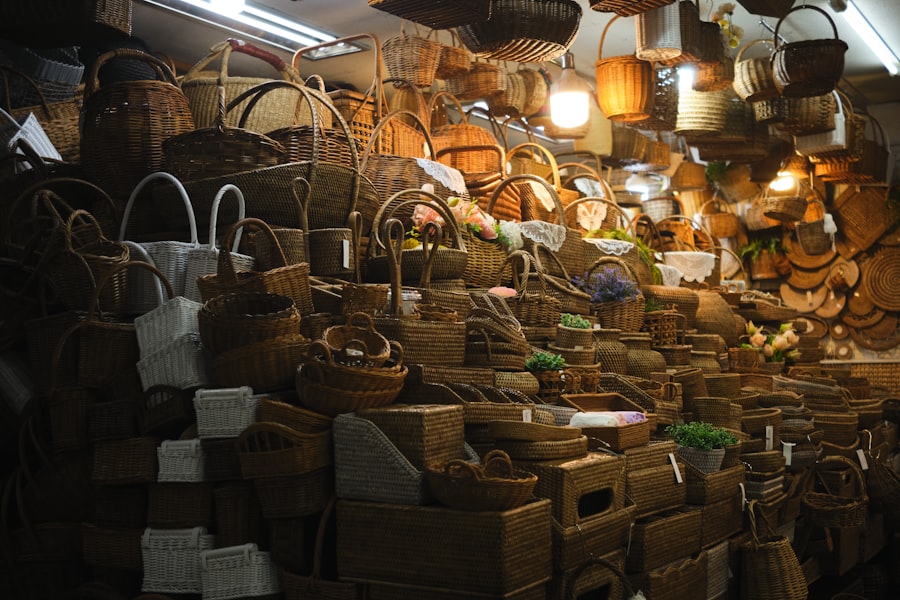
Embarking on the search for local craft shops can be an enjoyable process of exploration and discovery, much like panning for gold in a stream. It requires a combination of systematic searching and serendipitous encounters.
Planning Your Excursions
Before setting out, a degree of planning can maximize your chances of a successful exploration.
Researching Potential Locations
Dedicate time to researching shops that align with your interests. If you are looking for a specific type of craft, such as handmade pottery or custom woodworking, prioritize shops that specialize in those areas. Online reviews and social media feeds can provide insights into the types of products offered and the overall atmosphere of the shop.
Mapping Your Route
Once you have identified a number of potential shops, consider mapping out a logical route. This is particularly useful if you are planning to visit multiple shops in a single outing. Optimizing your route can save time and travel expenses, allowing you to discover more in a single expedition.
Checking Opening Hours and Availability
It is crucial to confirm the opening hours of any shop you plan to visit, especially for independent businesses that may have variable schedules or take breaks. Many shops will list their hours on their website, social media pages, or online directory listings.
Making the Most of Your Visit
Once you are at a craft shop, there are ways to enhance your experience and deepen your engagement.
Engaging with Shop Owners and Artisans
Do not hesitate to strike up conversations with the people who run the shop or who are present as artisans. They are often passionate about their work and can provide valuable insights into the products, their creation process, and their inspiration. This is where the true stories behind the objects unfold.
Appreciating the Details
Take your time to truly appreciate the craftsmanship. Observe the textures, the finishes, the stitching, or the carving. Consider the skill and dedication that went into creating each piece. This mindful observation enhances the value of the item.