
When you’re looking to bring your creative visions to life, one of the first decisions you’ll face is which medium to choose. Two titans of the crafting world, air-dry clay and polymer clay, consistently vie for attention. They both offer a tactile, three-dimensional way to sculpt and create, but their underlying natures and best-use cases diverge significantly. Understanding these differences isn’t just about academic knowledge; it’s about empowering yourself with the right tool for the job, ensuring your projects not only get finished but also endure and impress. This is your guide to navigating the fascinating landscape of air-dry versus polymer clay, helping you determine which one is truly “better” for your unique needs.
At their heart, air-dry clay and polymer clay are fundamentally different materials, dictating every aspect of their behavior, from how they harden to their eventual properties. Grasping these core distinctions is the crucial first step in making an informed choice. Think of it like deciding between watercolor and oil paints – both are paints, but their application and final results are worlds apart.
How They Harden: The Science Behind the Set
The most immediate and defining difference lies in how each clay achieves its permanent form. This process directly impacts your workflow, the tools you can use, and the environmental conditions you need.
Air Dry Clay: Embracing the Atmosphere
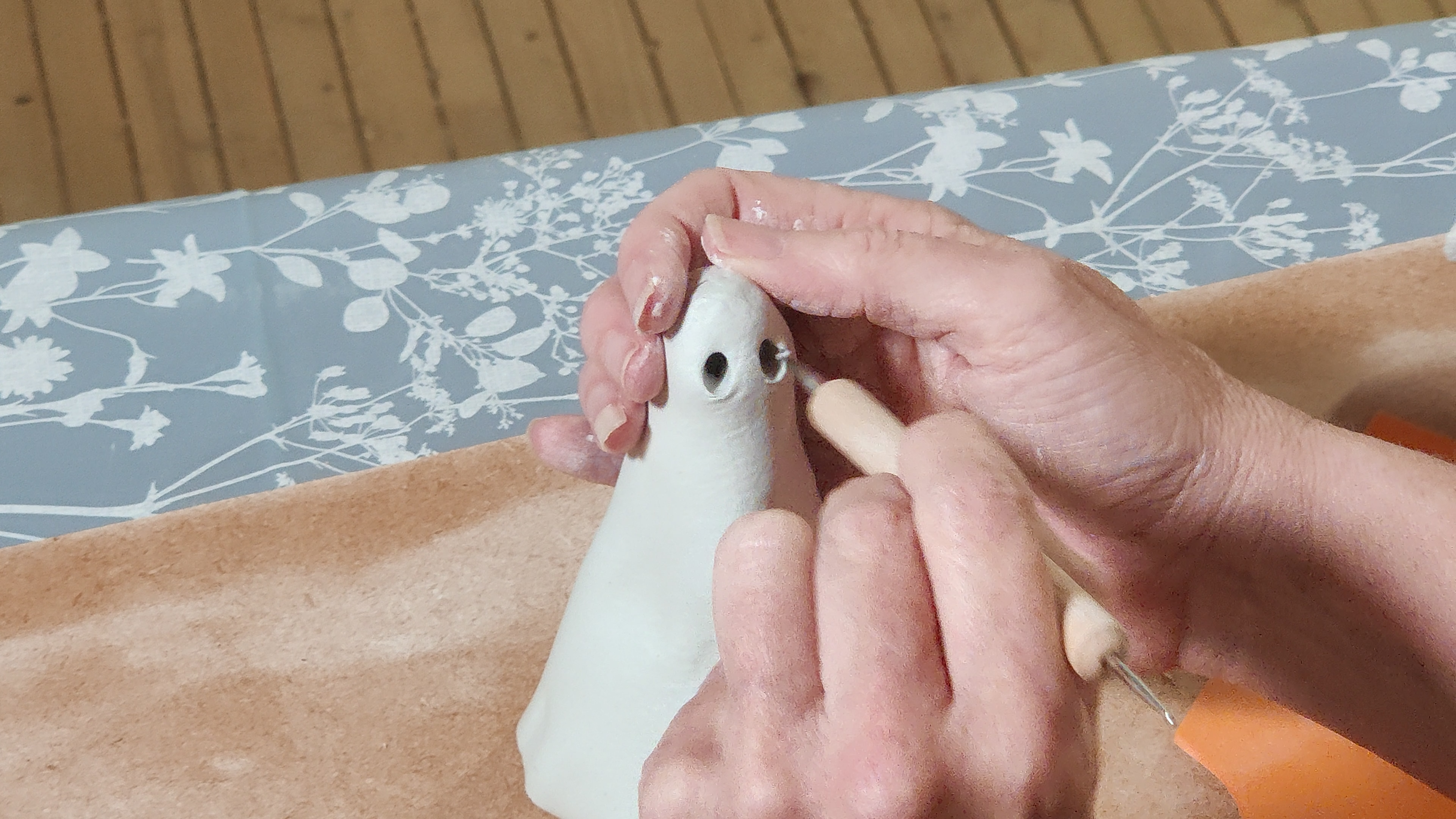
Air-dry clay, as its name explicitly suggests, hardens through exposure to the air. When you’re done sculpting, you simply leave your creation out, and over time, the moisture within the clay evaporates, causing it to dry and solidify. This process is entirely passive, requiring no special equipment or controlled environments, making it incredibly accessible. However, this reliance on atmospheric evaporation also means the drying time can vary significantly. Factors like humidity, temperature, and the thickness of your piece will all influence how long it takes to become rock-hard. Patience is definitely a virtue with air-dry clay. You’ll notice a gradual hardening, often starting with a slight stiffening of the surface and progressing inwards.
Polymer Clay: The Alchemy of Heat
Polymer clay, on the other hand, takes a more active approach to curing. It’s a synthetic material composed of PVC (polyvinyl chloride) powders, plasticizers, fillers, and pigments. When you’re finished sculpting, the magic happens in your oven. The heat from the oven causes the plasticizers to soften and ooze, effectively encapsulating the pigments and fillers, and fusing the particles together. This chemical reaction, known as curing, transforms the pliable clay into a rigid, durable plastic. This baking process is essential; without it, polymer clay remains soft and sticky. It’s this controlled, heat-induced transformation that gives polymer clay its distinct advantages in terms of toughness and detail.
Durability and Detail: The Long-Term Advantage
When you envision a finished piece that will stand the test of time, whether it’s a delicate piece of jewelry or a miniature figurine, you’ll want to consider which clay offers superior longevity and the ability to capture intricate details. This is where the inherent properties of each clay truly shine, or sometimes, falter.
Polymer Clay: The Champion of Intricacy and Resilience
Polymer clay is widely recognized as the superior choice when it comes to achieving fine details and ensuring the durability of your finished work. Its smooth, pliable texture allows for exceptional control, making it ideal for sculpting tiny features, sharp edges, and delicate patterns that might crumble or distort in air-dry clay. After baking, polymer clay becomes remarkably strong and is generally resistant to chipping, cracking, and breaking under normal use. This makes it an excellent material for components that will be handled frequently, like jewelry or miniature doll parts. The smooth, almost plastic-like finish that polymer clay achieves after baking often lends a professional and polished look to your creations, which is hard to replicate with air-dry clay without significant post-processing.
Air Dry Clay: Sacrificing Detail for Simplicity
While air-dry clay offers ease of use, it generally falls short when it comes to achieving the same level of fine detail and long-term durability as polymer clay. Its texture can be coarser, and attempting to sculpt very small or intricate elements can lead to them becoming smudged or losing their definition as the clay dries. The hardening process, being dependent on moisture evaporation, can also introduce stress into the material, making it prone to cracking or chipping, especially with thinner elements or sharp corners. While air-dry clay can be made more robust through sealing and varnishing, its inherent brittleness after drying is a significant limitation for projects demanding high resilience or microscopic detail. This doesn’t mean it’s incapable of detail, but rather that the degree of detail and its subsequent longevity are typically less impressive compared to its baked counterpart.
Cost and Accessibility: Getting Started Without Breaking the Bank

For many artists, especially those just dipping their toes into the world of sculpting or working on a budget, the cost and ease of access to materials are paramount considerations. The financial and logistical aspects of both clay types can significantly influence your creative journey.
Air Dry Clay: The Budget-Friendly Entry Point
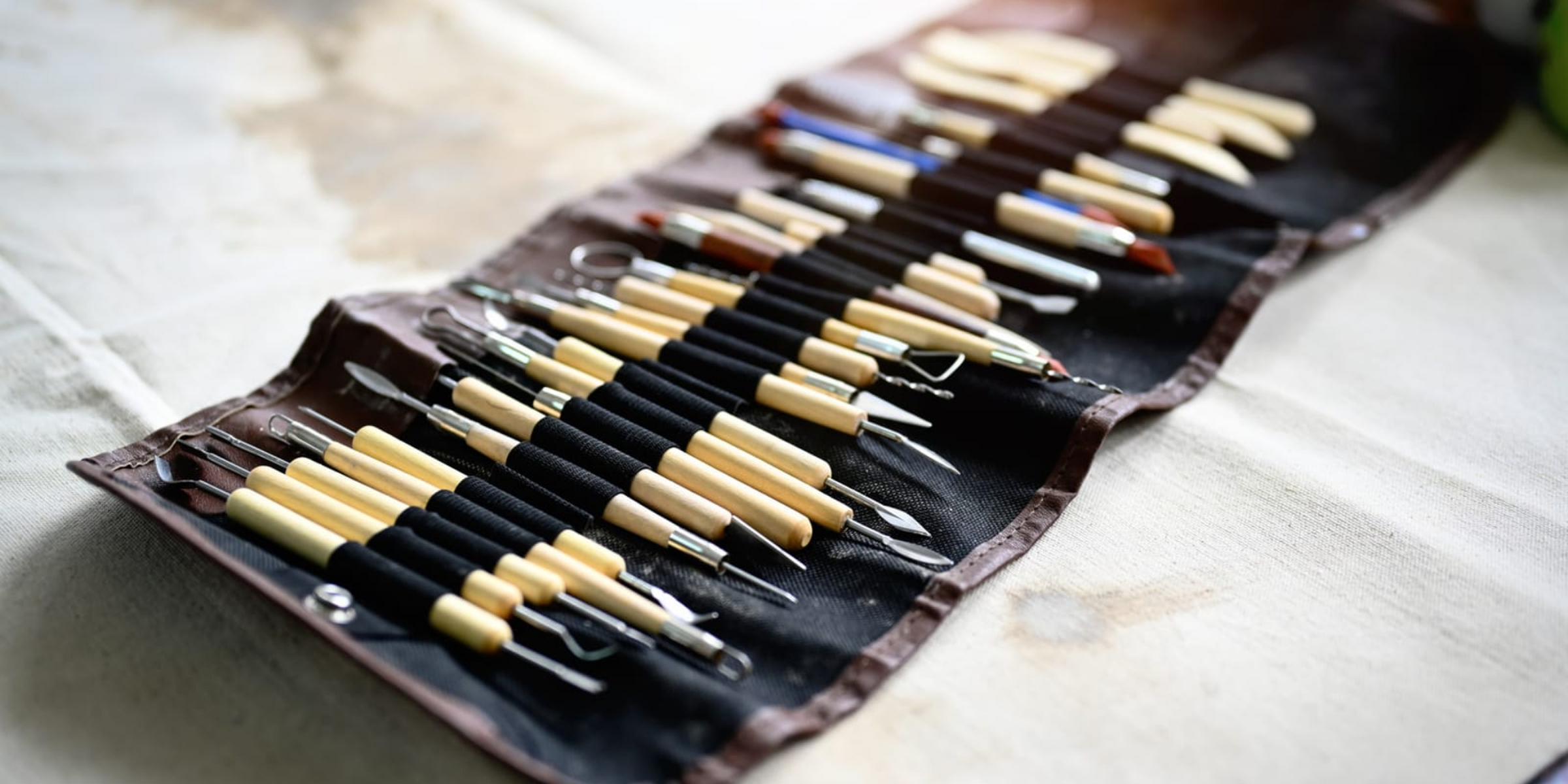
One of the most compelling arguments for air-dry clay is its affordability and widespread availability. You can find good quality air-dry clay at most craft stores, even in art supply sections of general retailers, and often at a lower price point than polymer clay. This makes it an incredibly accessible option for beginners, children, or anyone looking to undertake larger projects without a significant financial outlay. The lack of need for specialized equipment like an oven also contributes to its low barrier to entry. You can start sculpting with just your hands and perhaps a few basic tools. This cost-effectiveness allows you to experiment freely, make mistakes without feeling like you’ve wasted expensive materials, and learn the fundamentals of sculpting in a low-pressure environment.
Polymer Clay: An Investment in Quality
Polymer clay generally comes with a higher price tag per ounce compared to air-dry clay. This is due to its synthetic nature and the manufacturing process involved. While the initial cost might be a deterrent for some, it’s important to view it as an investment, especially if you’re considering projects where durability, detail, and a professional finish are important. The range of colors available in polymer clay, often sold as distinct colors that can be mixed, also contributes to its overall cost, as you might need to purchase several shades to achieve your desired palette. However, a little polymer clay goes a long way, and with careful use, it can be a cost-effective material for producing high-quality, long-lasting items.
Project Suitability: Where Each Clay Truly Shines

Every artistic endeavor has its ideal tools, and when it comes to clay, the nature of your project will often dictate which medium is the most appropriate. Whether you’re creating something for fun, for display, or for wear, understanding the strengths of each clay will guide you toward the best outcome.
Polymer Clay: The Go-To for Jewelry, Miniatures, and Intricate Sculptures
If your creative aspirations lie in crafting delicate jewelry, meticulously detailed miniatures, or complex sculptures where sharp lines and fine textures are paramount, polymer clay is almost certainly your best bet. Its ability to hold intricate details means you can sculpt tiny beads, elaborate embellishments on miniatures, or subtle
FAQs
1. What is air dry clay and polymer clay?
Air dry clay is a type of clay that hardens when left to dry in the air, while polymer clay is a type of modeling clay that must be cured in an oven to harden.
2. What are the differences in the properties of air dry clay and polymer clay?
Air dry clay is typically more brittle and prone to cracking, while polymer clay is more flexible and durable. Air dry clay also tends to be lighter in weight compared to polymer clay.
3. What are the advantages of using air dry clay?
Air dry clay is convenient to use as it does not require baking in an oven, making it suitable for children and beginners. It is also more cost-effective and does not require special equipment for curing.
4. What are the advantages of using polymer clay?
Polymer clay offers a wider range of colors and finishes, and it can be easily manipulated and shaped. It is also more durable and can be used for making intricate and detailed designs.
5. Which type of clay is better for different projects?
Air dry clay is suitable for simple and lightweight projects such as ornaments, jewelry, and small sculptures. Polymer clay is better for projects that require fine details, intricate designs, and durability, such as figurines, beads, and decorative items.