You’ve likely found yourself staring at a bin of clay, perhaps with visions of crafting incredible sculptures, delicate jewelry, or charming decorative items. But then a crucial question arises: which type of clay is right for your artistic ambitions? The world of clay can be broadly divided into two main camps: air-dry and oven-bake. Understanding their fundamental differences, strengths, and weaknesses is the first step to turning your creative ideas into tangible reality. This article will guide you through the distinct characteristics of air-dry clay and oven-bake clay, empowering you to make an informed decision for your next artistic endeavor.
The most significant divergence between air-dry clay and oven-bake clay lies in their hardening processes. This core difference dictates how you’ll work with them, the tools you’ll need, and the final properties of your creations.
Air-Dry Clay: The Patient Potter’s Companion
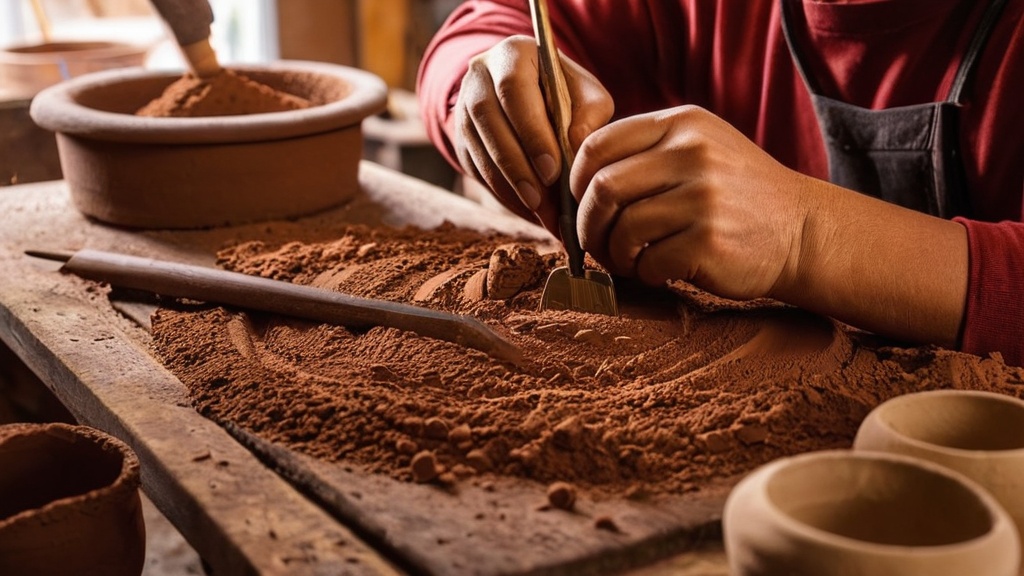
Air-dry clay, as its name strongly suggests, hardens through exposure to the air. When you take it out of its packaging, it’s pliable and moldable, much like its oven-bake counterpart. However, the magic happens as moisture within the clay evaporates. This evaporation causes the clay particles to bond together, resulting in a firm, solid object.
- The Science of Drying: The water molecules trapped within the clay matrix are the key. As they escape into the surrounding atmosphere, the clay’s structure compacts. Think of it like a sponge drying out; as the water leaves, the sponge shrinks and becomes rigid. With air-dry clay, this process is gradual and occurs at room temperature. There’s no need for external heat sources; nature handles the curing.
- No Oven Needed (Generally): This is the defining characteristic. You can shape your air-dry clay, let it sit on a shelf, and it will eventually become hard. This makes it incredibly accessible for crafters of all ages and skill levels, as it eliminates the need for specialized equipment like ovens or kilns. It’s the go-to for spontaneous projects or when you’re working in a shared space where oven use might be limited.
- The Drying Timeline: The time it takes for air-dry clay to fully harden can vary significantly. Factors such as the thickness of your piece, the humidity in your environment, and the specific brand of clay all play a role. Thin pieces might be dry to the touch in a few hours, while thicker, more substantial creations could take several days to become completely solid and moisture-free. Patience is indeed a virtue when working with air-dry clay.
Oven-Bake Clay: The Controlled Cure
Oven-bake clay, most commonly known as polymer clay, takes a different approach to hardening. Instead of relying on natural evaporation, it requires a controlled environment – specifically, the heat of a home oven – to activate its curing process. This method offers a more predictable and robust outcome.
- Polymerization is Key: The “polymer” in polymer clay is crucial. When heated, the plasticizers within the clay migrate, causing the tiny PVC particles to fuse together. This process, called polymerization, creates a remarkably strong and durable material. It’s not simply drying; it’s a chemical transformation that permanently alters the clay’s structure.
- The Oven’s Role: Your standard home oven is the magic box for oven-bake clay. You’ll need to preheat it to the temperature specified by the clay manufacturer – this is a critical step, as too low a temperature won’t cure the clay properly, and too high can lead to burning or cracking. Once baked, the clay cools and becomes permanently hardened.
- Predictable Hardening: Unlike air-dry clay where ambient conditions can influence drying, oven-bake clay hardens in a predictable manner once it’s reached the correct temperature for the correct duration. This makes it an excellent choice for projects where you need consistent results and reliable strength.
Durability and Water Resistance: The Long-Term Outlook
Once hardened, the durability and water resistance of your clay creations become paramount, especially if your pieces are intended for frequent handling or display in various environments.
Air-Dry Clay: A More Delicate Nature
Air-dry clay generally offers a less robust final product compared to its oven-baked counterpart. While it can be quite strong after thorough drying, it is typically more susceptible to damage from moisture and impact.
- Moisture Sensitivity: The primary weakness of air-dry clay is its inherent affinity for water. If your dried air-dry clay piece gets wet, it can soften, warp, or even disintegrate. This makes it unsuitable for outdoor sculptures or items that might come into contact with liquids. Even high humidity can be a concern for long-term preservation.
- Fragility Concerns: While it hardens, air-dry clay often retains a degree of brittleness. Thinner sections can be prone to chipping or breaking if dropped or subjected to significant stress. This doesn’t mean it’s inherently weak, but it requires a gentler touch and careful handling.
- Sealing for Protection: To combat some of its inherent vulnerabilities, air-dry clay projects can (and often should) be sealed with varnishes, sprays, or acrylic sealants. These coatings provide a protective barrier against moisture and can add a layer of durability. However, even sealed, it’s generally not as inherently water-resistant as a properly cured oven-bake clay project.
Oven-Bake Clay: Built to Last
Oven-bake clay, once cured, transforms into a much more resilient material. Its polymerization process creates a dense, sturdy object that stands up well to everyday wear and tear.
- Superior Strength and Resilience: The fused plastic particles in oven-baked clay result in a significantly stronger and more impact-resistant material. It’s less likely to chip, crack, or break when dropped or handled frequently, making it ideal for functional items and intricate jewelry that needs to withstand daily use.
- Impressive Water Resistance: Properly cured oven-bake clay is remarkably water-resistant. While it’s not entirely waterproof (prolonged submersion might weaken adhesives used in assembly), it can handle splashes, cleaning, and even being washed gently without compromising its integrity. This makes it a fantastic choice for items that might be exposed to liquids, such as decorative dishes or outdoor garden ornaments (though UV resistance should also be considered).
- Durability for Detailed Work: The inherent strength and resilience of oven-bake clay make it the preferred choice for detailed and intricate projects. You can sculpt fine details, create thin elements, and assemble complex pieces with greater confidence, knowing that your creation will maintain its form and integrity after baking.
Working with the Medium: Techniques and Tools
The way you interact with air-dry clay and oven-bake clay differs significantly, influencing your creative process, the tools you’ll need, and the potential for intricate designs.
Air-Dry Clay: Simplicity and Accessibility
The beauty of air-dry clay lies in its straightforward approach. You don’t need specialized equipment, and the learning curve is gentle, making it perfect for beginners and spontaneous crafting sessions.
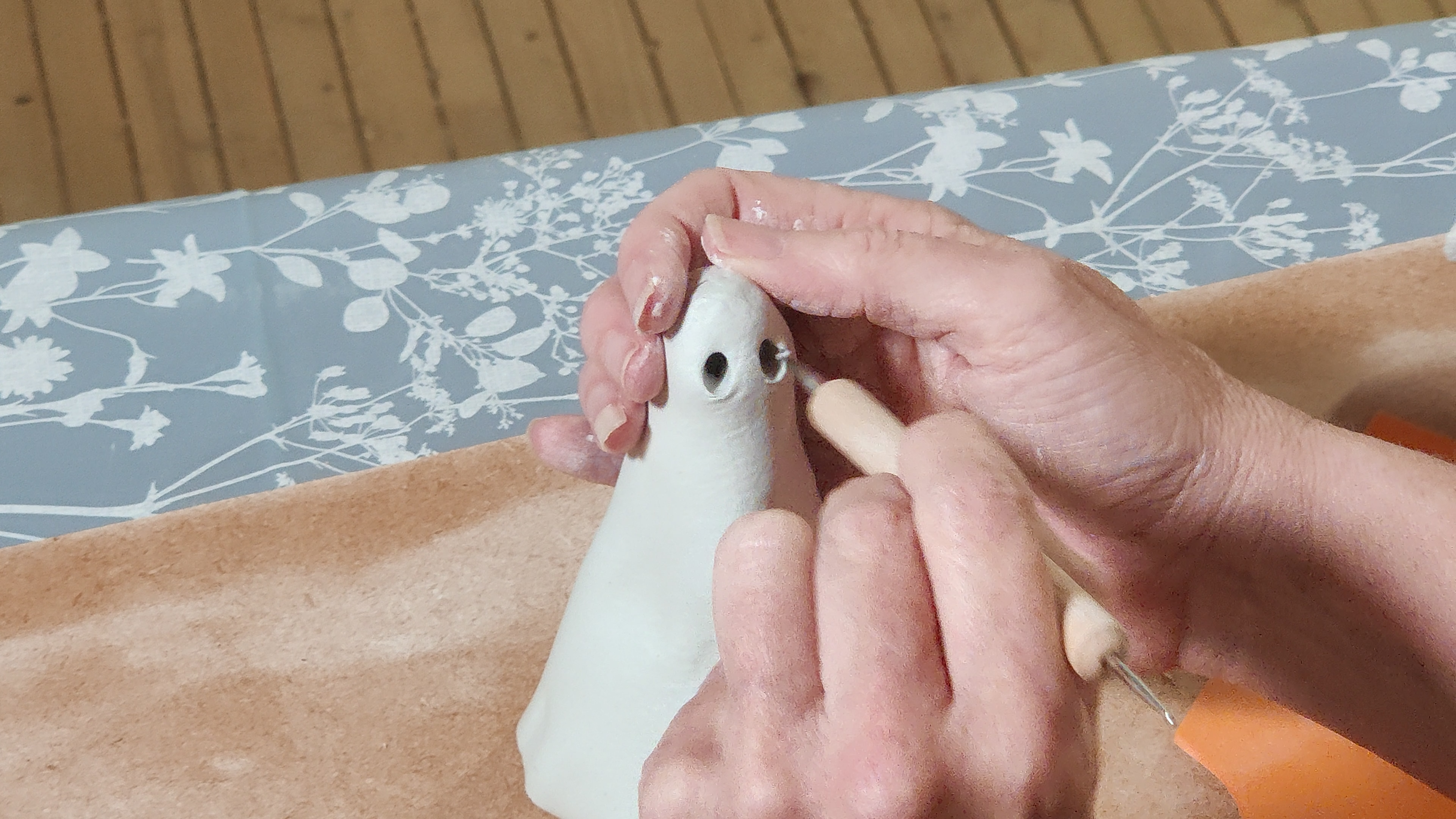
- Ease of Sculpting: Air-dry clay is typically soft and pliable right out of the package, making it easy to shape, mold, and sculpt with your hands. You can pinch, roll, flatten, and carve it with basic sculpting tools.
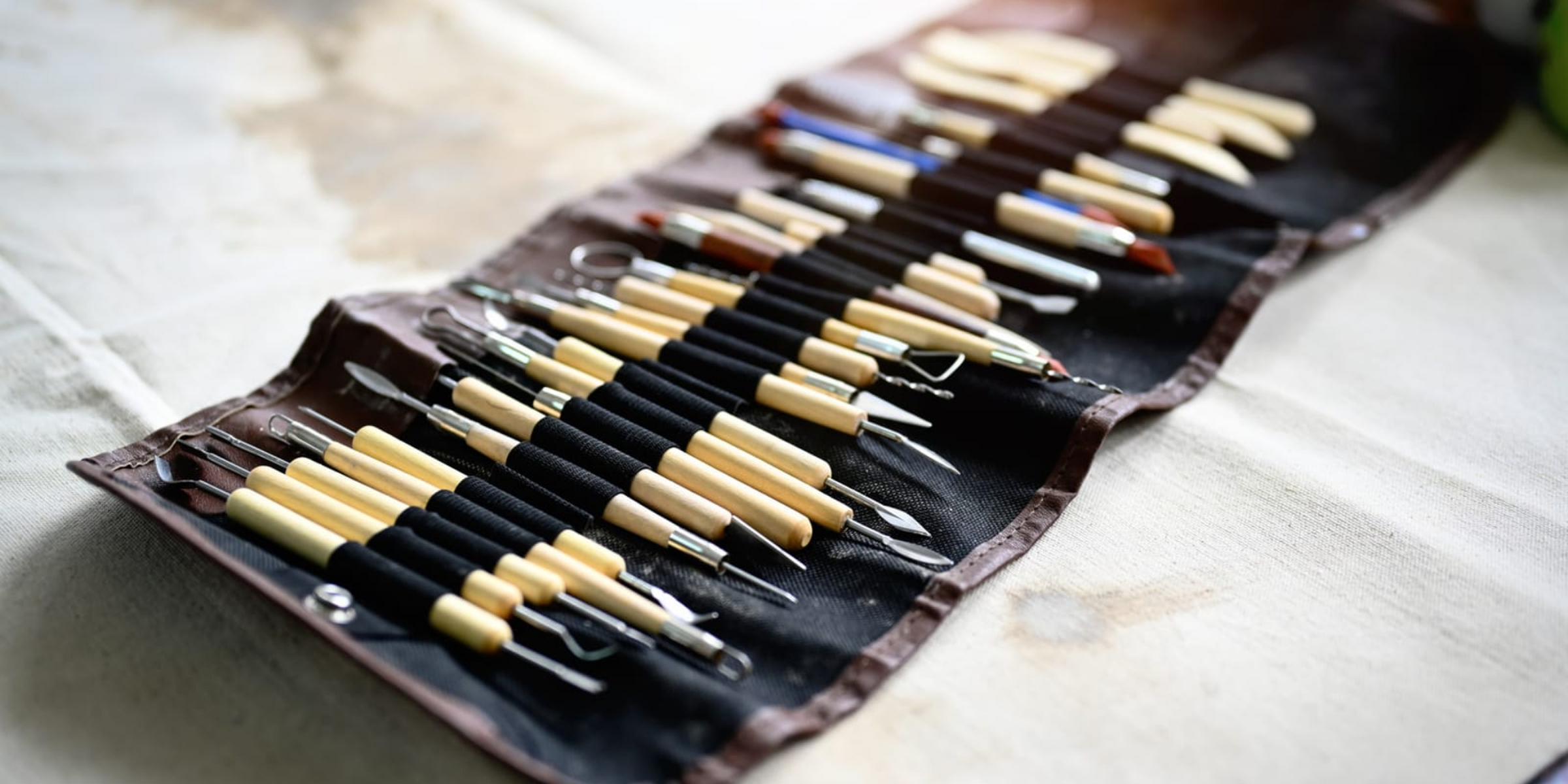
- No Special Tools Required: While specialized clay tools can enhance your work, you can achieve a lot with everyday objects. Toothpicks, butter knives, craft sticks, and even household items like spoons can be used for texturing and detailing.
- Working with Sections: When creating larger pieces, you’ll likely work in sections. Ensure that the surfaces you intend to join are moist before pressing them together, as this helps them bond as they dry. You can also use a bit of water as a “slip” (a watery clay mixture) to help adhere pieces.
- Sanding and Finishing: Once completely dry, air-dry clay can usually be sanded to smooth out imperfections. You can then paint it with acrylic paints, seal it with varnishes, or apply other decorative finishes.
Considering “Oven-Drying” Air-Dry Clay? Proceed with Caution!
You might encounter advice suggesting you can speed up the drying process of air-dry clay by placing it in a home oven. While some users report success, this is generally not recommended and often goes against the manufacturer’s guidelines.
- Inconsistent Results: The effectiveness of oven-drying air-dry clay varies dramatically between brands and even between batches of the same brand. What works for one might result in a cracked or distorted piece for another.
- Risk of Damage: The heat of an oven can cause air-dry clay to dry too quickly, leading to internal stresses that result in cracking, splitting, or even burning. Some clays might melt or become gummy.
- Against Package Guidance: Most reputable air-dry clay manufacturers explicitly state that their products are not designed for oven baking and will not recommend this method. Following their instructions ensures the best and most predictable results. If you opt to experiment, do so at your own risk, perhaps with a small, insignificant test piece first.
Oven-Bake Clay: Precision and Control
Working with oven-bake clay offers a greater degree of control over the final outcome, allowing for more intricate designs and fine details. However, it does require a bit more attention to detail during the sculpting and baking stages.
- Kneading is Crucial: Before you begin sculpting, you’ll likely need to knead oven-bake clay. This process softens the clay, making it more pliable and easier to work with, while also ensuring consistent color and texture throughout.
- Detailed Sculpting: The inherent durability of oven-bake clay makes it ideal for detailed work. You can use specialized sculpting tools, fine brushes, and even everyday objects to create sharp edges, delicate textures, and miniature features with confidence.
- Assembling and Joining: When joining pieces of oven-bake clay, you can either bake them individually and then adhere them with a strong adhesive (like super glue or epoxy), or you can join them before baking. If joining before baking, ensure the surfaces are clean and press them together firmly. A bit of “slip” (a mixture of clay and rubbing alcohol) can also help create a strong bond.
- Baking Precision: The baking process is critical. You must follow the manufacturer’s instructions precisely regarding temperature and time. Using an oven thermometer is highly recommended to ensure your oven is accurate. Over-baking can lead to burning and discoloration, while under-baking will result in a soft, uncured piece.
- Cooling and Finishing: Allow the clay to cool completely in the oven after baking. Once cooled, oven-bake clay can be sanded, buffed, and polished to a high shine. It can also be painted, though many prefer to work with the colored clays themselves, as the baked finish is often quite vibrant.
Project Suitability: Which Clay for Which Creation?

The type of project you envision will often dictate which clay is the better choice. Considering the final use, desired durability, and the level of detail you aim for will help narrow down your decision.
Air-Dry Clay: Ideal for Simple, Decorative, and Kid-Friendly Projects
Air-dry clay shines in situations where oven use is undesirable or impractical, and where extreme durability isn’t the top priority.
- Crafts for Children: Its ease of use and safety make it a favorite for children’s art projects and school activities. No adult supervision is needed for heating, and it’s generally safe to handle.
- Quick Decorations: For seasonal decorations, handmade ornaments, or quick craft projects, air-dry clay is perfect. You can whip up a batch of little figures or decorative elements in an afternoon.
- Statues and Figurines (Non-Functional): When you want to create decorative statues or figurines that won’t be handled much or exposed to moisture, air-dry clay is a solid choice. Think of table centerpieces or shelf décor.
- Projects Requiring Painting: Because air-dry clay is porous and easily painted, it’s an excellent medium if your primary goal is to create a painted piece. The surface readily accepts acrylic paints.
- No-Oven Environments: If you’re crafting at a friend’s house, in a classroom, or anywhere with limited oven access, air-dry clay is your best friend.
Oven-Bake Clay: For Detailed, Durable, and Functional Art
If your artistic vision demands resilience, intricate detail, and longevity, oven-bake clay is generally the superior option.
- Jewelry Making: This is arguably where oven-bake clay truly excels. The durability, ability to hold fine details, and water resistance make it perfect for beads, charms, pendants, and earrings that will be worn regularly.
- Figurines and Miniatures: For detailed figurines, doll parts, or miniature scenes where precision and strength are crucial, oven-bake clay is the go-to. It allows for the creation of sharp lines and delicate features that would be fragile in air-dry clay.
- Functional Items: Items that need to withstand regular use, such as small dishes, coasters, or even handles for tools, benefit greatly from the strength of oven-baked clay.
- Mixed Media Projects: Oven-bake clay can be used in conjunction with other materials. Its durability and ability to be sanded and polished make it a reliable component in more complex mixed-media artwork.
- Weather-Resistant Outdoor Pieces (with caveats): While not fully weatherproof, properly cured oven-bake clay can hold up better outdoors than air-dry clay. However, for prolonged outdoor exposure, consider UV-resistant sealants and acknowledge that factors like extreme temperature fluctuations can still impact longevity.
Cost and Accessibility: Budgeting Your Artistic Journey
| Criteria | Air Dry Clay | Oven-Bake Clay |
|---|---|---|
| Drying Process | Air dry, no baking required | Requires baking in an oven to harden |
| Drying Time | Can take 24-48 hours to fully dry | Dries in 15-30 minutes when baked |
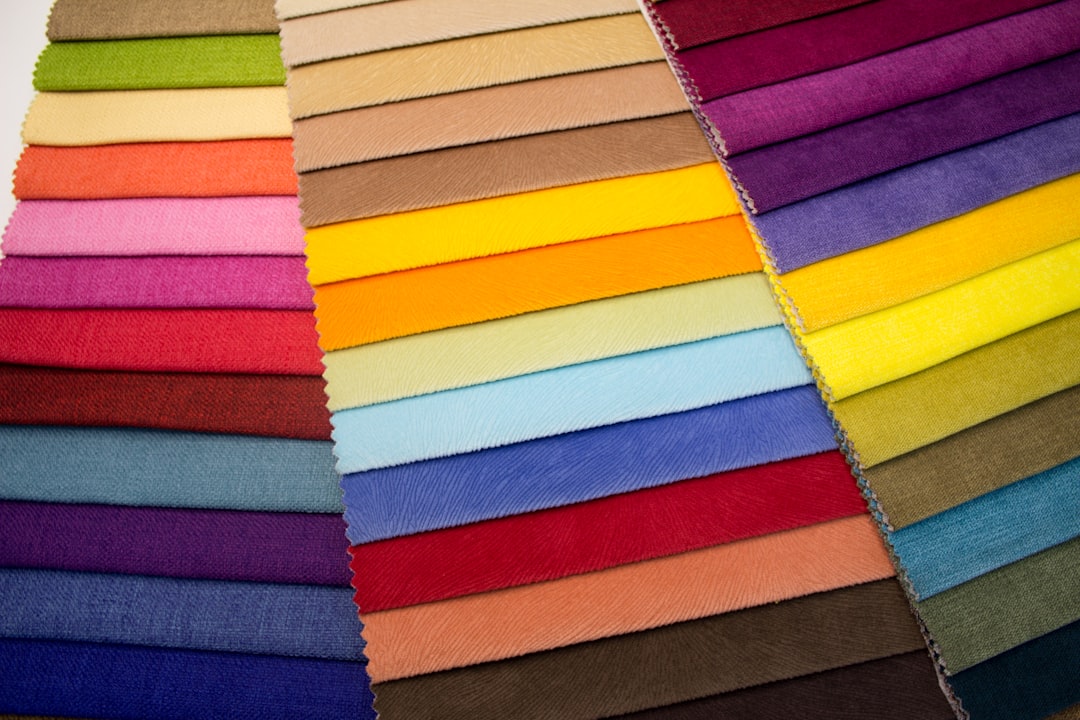
| Color Options | Limited color options | Wide range of colors available |
| Strength | Less durable and more prone to breakage | Strong and durable after baking |
| Cost | Generally more affordable | Can be more expensive |
When embarking on a creative project, budget and accessibility are often key considerations. Both air-dry and oven-bake clays are widely available, but their pricing and the associated costs can vary.
Air-Dry Clay: Budget-Friendly and Readily Available
Air-dry clay generally offers a more economical entry point into the world of sculpting.
- Lower Initial Cost: For comparable volumes, air-dry clay is often less expensive per unit than oven-bake clay. This makes it a very accessible option for casual crafters, students, or those experimenting with clay for the first time.
- Widely Available: You can find air-dry clay in most craft stores, hobby shops, and even many general merchandise retailers. It’s also readily available online.
- Minimal Additional Costs: The primary costs associated with air-dry clay are the clay itself and possibly paints or sealants for finishing. You don’t need to invest in specialized baking equipment.
Oven-Bake Clay: A Slightly Higher Investment, with Long-Term Value
While the initial purchase price of oven-bake clay might be slightly higher, its durability and versatility can offer excellent long-term value for serious crafters.
- Higher Per-Unit Cost: Oven-bake clay tends to be more expensive per pound or ounce than air-dry clay. This is due to its more complex composition and manufacturing process.
- Oven Requirement: The most significant additional cost for oven-bake clay is the need for a reliable oven. While most households have one, for dedicated crafters who might need precise temperature control or a dedicated baking space, a toaster oven or a separate small oven could be an additional investment.
- Specialized Tools (Optional but Beneficial): While you can start with basic tools, as you delve deeper into oven-bake clay sculpting, you might find yourself investing in specialized sculpting tools, rollers, and finishing supplies to achieve professional results.
- Longevity and Durability Value: Despite the higher initial cost, the superior durability and water resistance of oven-bake clay mean your creations tend to last longer and withstand more use, potentially saving you time and money in the long run by reducing the need for replacements or extensive repairs.
In conclusion, the choice between air-dry clay and oven-bake clay is not about one being definitively “better” than the other, but rather about selecting the right tool for your specific artistic vision, skill level, and project requirements. By understanding their fundamental differences in how they harden, their respective strengths in durability and water resistance, and the distinct working methods and project suitability, you can confidently embark on your creative journey, armed with the knowledge to make the best choice for your next clay masterpiece.
FAQs
What is the difference between air dry clay and oven-bake clay?
Air dry clay dries and hardens at room temperature without the need for a kiln or oven, while oven-bake clay requires baking in an oven to cure and harden.
Which type of clay is easier to work with?
Air dry clay is generally easier to work with as it does not require any special equipment or baking, making it more convenient for beginners and those without access to an oven.
What are the advantages of using air dry clay?
Air dry clay is convenient, does not require baking, and is often more affordable than oven-bake clay. It is also suitable for creating lightweight and delicate projects.
What are the advantages of using oven-bake clay?
Oven-bake clay typically results in a stronger and more durable finished product compared to air dry clay. It also allows for more intricate details and can be painted or glazed after baking.
Are there any specific projects that are better suited for air dry clay or oven-bake clay?
Air dry clay is ideal for creating simple sculptures, jewelry, and decorative items, while oven-bake clay is better suited for projects that require durability and fine details, such as figurines, beads, and miniatures.