Understanding Air-Dry Clay: A Timely Process
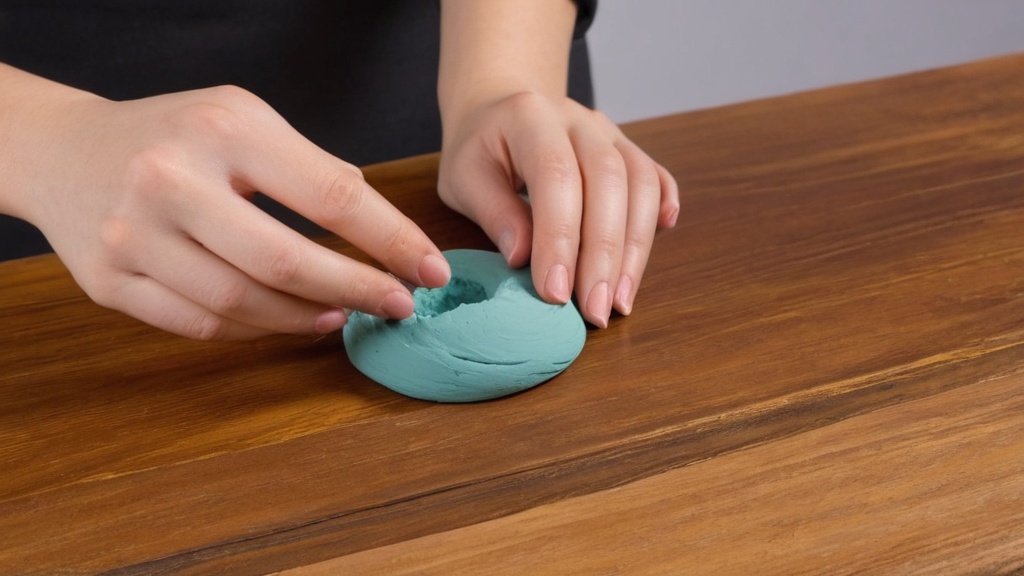
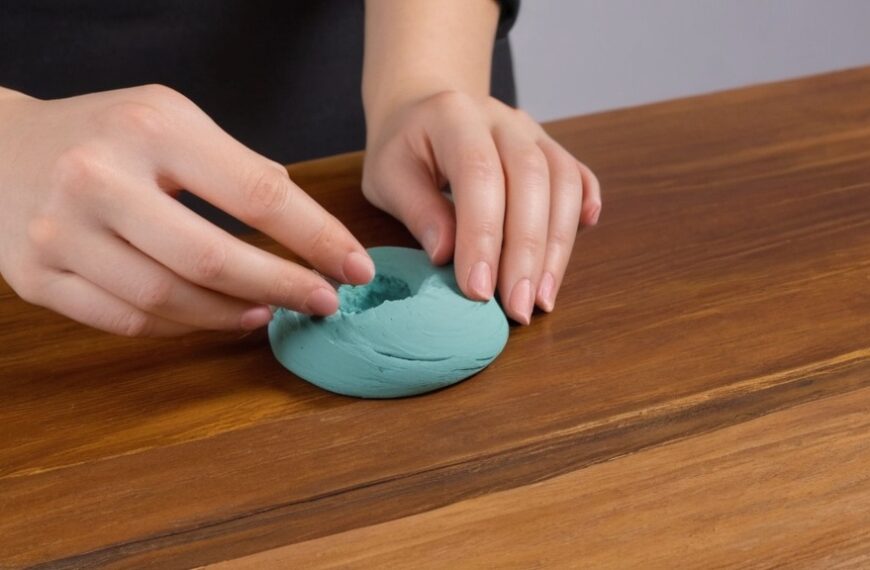
When you embark on a creative journey with air-dry clay, one of the most common questions that quickly arises is: “How long does clay take to air dry?” It’s a fundamental consideration that impacts your project timeline, finishing techniques, and even the structural integrity of your creation. Unlike traditional pottery clay that requires kiln firing, air-dry clay hardens as its moisture evaporates into the surrounding atmosphere. This seemingly simple process is influenced by a multitude of factors, transforming what might appear to be a straightforward answer into a nuanced estimation. Understanding these variables is key to successful air-dry clay crafting, preventing common pitfalls like cracking or incomplete curing. Let’s delve into the specifics, exploring typical drying times and the crucial elements that govern how quickly your clay masterpiece transforms from pliable to permanent.
Typical Drying Times for Air-Dry Clay Projects
The question of how long does clay take to air dry doesn’t have a single, universal answer. Instead, it varies significantly based on the characteristics of your clay piece. However, current consensus among crafters and manufacturers provides helpful benchmarks for different thicknesses and sizes. These estimates assume you’re working under relatively normal room conditions (around 20-24 °C / 68-75 °F) and moderate humidity, without extreme environmental interference.
Very Thin Clay Sheets
If you’re working with very thin sheets of air-dry clay, perhaps for delicate decorative elements or flat embellishments, you can expect a relatively quick drying process. Pieces that are approximately 2–3 mm thick will typically feel dry to the touch within 12–24 hours. For full dryness, where all internal moisture has evaporated, you should allow 24–48 hours. This makes thin pieces ideal for projects with tighter deadlines, but remember that even these still need adequate time to cure completely to ensure maximum strength.
Thin to Medium Clay Pieces
The majority of common craft projects fall into the thin to medium category, encompassing items up to about 6 mm (or ¼ inch) in thickness. For these pieces, a common estimate for full drying under normal conditions is 24–72 hours. Many popular brands, such as Jenna Air Dry Clay, specifically quote 24–48 hours for small pieces on their packaging, which aligns with the general consensus. Crayola Air-Dry Clay, another widely used product, also states approximately 24 hours to be touch-dry and around 72 hours for complete drying. This range provides a good guideline for items like small ornaments, charms, or simple decorative shapes.
Medium-Walled Clay Items
When you move into slightly thicker items, such as small pinch pots, shallow trays, or figurines with walls around 5–6 mm, the drying time naturally extends. You’ll find that the surface of these items will likely be dry within 12–24 hours, making them ready to handle without distortion. However, to be truly ready for painting or sealing, and to ensure internal curing, you should budget around 24–48 hours for them to be safely handled, and approximately 72 hours for them to be fully cured. Rushing this stage can lead to issues later, so patience is a virtue here.
Thick and Solid Clay Sculptures
This is where the drying timeline expands considerably. If your project involves a thickness of 1 cm or more, or if you’re creating a solid sculpture, the process of how long does clay take to air dry will be significantly longer. For pieces with walls or bodies around 1 cm thick, expect full drying to take often 3–7 days. The challenge with thicker pieces is that moisture has to travel a greater distance from the core to the surface to evaporate, making the process much slower.
When you’re working with very substantial pieces, say 1 inch (approximately 25 mm) or more, especially if they are solid forms, you’ll need to allocate 7–14 days or even longer for complete drying. A solid 3-inch sphere, for example, could easily require 10–14 days to fully cure. These thick pieces are also more prone to cracking if dried too quickly or unevenly, making careful management of environmental factors even more critical. Always err on the side of caution with thicker items, allowing extra time to ensure complete and even drying.
Key Factors Influencing Drying Times
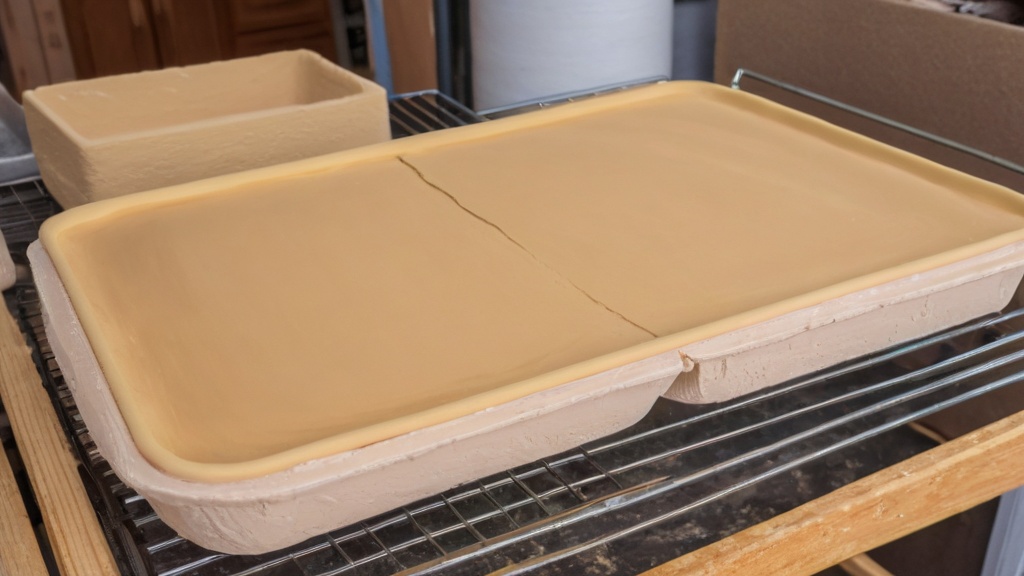
Understanding how long does clay take to air dry isn’t just about knowing typical durations; it’s also about recognizing the variables that can drastically alter those estimates. Four main factors consistently emerge across various guides and manufacturer advice as paramount influencers of air-dry clay drying times. By managing these elements, you can better predict and even control the drying process of your creations.
Thickness and Size of the Clay Piece
This is arguably the most significant factor affecting how long does clay take to air dry. The thicker and larger your clay piece, the longer it will take to dry. This is a simple principle of physics: moisture trapped deep within the clay has a longer path to travel to reach the surface and evaporate.
The Challenge of Moisture Migration
Imagine a small, flat leaf compared to a dense tree trunk. The leaf dries quickly because its surface area is large relative to its volume, allowing moisture to escape easily. The tree trunk, however, retains moisture for a very long time because the water in its core is insulated by layers of material. Similarly, a thin, flat sheet of air-dry clay will dry much faster than a thick, solid sculpture. When the clay is thick, moisture needs to diffuse from the center outwards, a process that is inherently slow. This is why solid forms greater than 1 cm are known to be the slowest and most susceptible to cracking, often requiring a week or more to fully dry. The internal stresses created by uneven drying—where the exterior dries and shrinks faster than the interior—are a primary cause of cracks.
Ambient Humidity Levels
Humidity, or the amount of moisture present in the air, plays a crucial role in the evaporation process. Air-dry clay dries by releasing its water content into the surrounding atmosphere. If the air is already saturated with moisture, it has less capacity to absorb additional water from your clay, thereby slowing down the drying process.
Impact of High Humidity
Higher humidity levels, often in the range of 60–80% Relative Humidity (RH), can significantly extend drying times, potentially stretching them to 2–5 times longer than typical estimates. For instance, a thin piece that might ordinarily dry in 1–2 days could take 2–3 days in a very humid environment. Thicker pieces, which already demand considerable time, could take several days to a week or even more under humid conditions. If you live in a perpetually humid climate, such as a coastal region or during a rainy season, you must factor this into your drying schedule. Conversely, very dry climates will accelerate drying, but extreme dryness can also lead to issues like rapid surface drying and subsequent cracking.
Surrounding Temperature
Temperature directly affects the rate of evaporation. Generally, warmer temperatures accelerate the drying process, while cooler temperatures slow it down. Most guides assume “room temperature” to be approximately 20–24 °C (68–75 °F) when providing their drying time estimates.
Avoiding Extremes
While warmer temperatures can speed up drying, it’s crucial to avoid extreme heat sources. Placing your clay directly on a heater, in direct sunlight, or too close to a heat lamp can cause the surface to dry out much faster than the interior. This uneven drying creates internal stress, leading to cracking and warping as the outer layers shrink while the inner core remains wet and expands or shrinks at a different rate. While a moderately warm room is beneficial, a slightly cooler room will simply extend the drying time without necessarily harming the clay, provided other factors are managed.
Airflow and Exposure
Adequate airflow around your air-dry clay pieces is essential for efficient drying. Air movement helps to carry away the evaporated moisture from the clay’s surface, allowing more water to evaporate.
Benefits of Gentle Ventilation
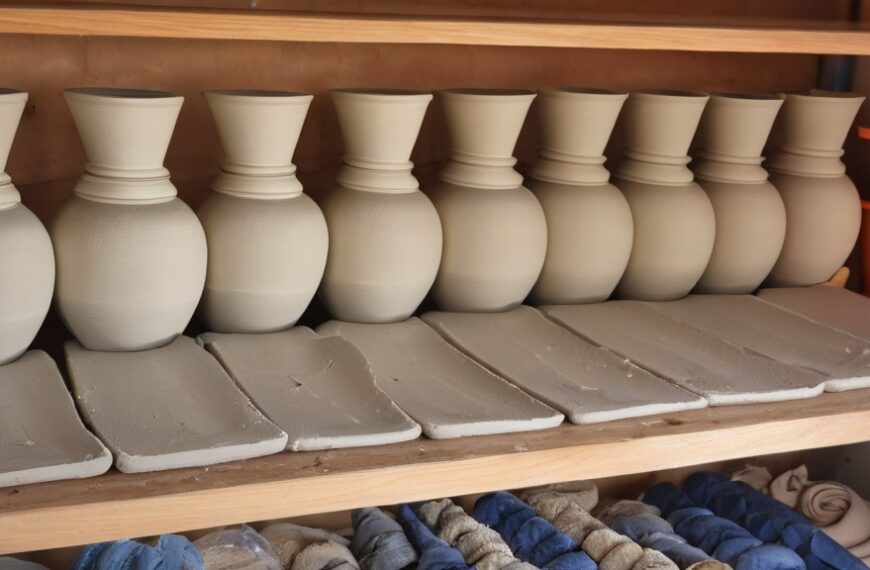
A gentle, consistent airflow in an open, well-ventilated space will shorten drying times by continuously replenishing the air around the clay with drier air. This facilitates the evaporation process. Conversely, placing your clay in a closed cupboard, an enclosed container, or a poorly ventilated room will significantly slow drying, as the air around the clay quickly becomes saturated with moisture, hindering further evaporation.
Cautions Against Harsh Airflow
Just like with temperature, extremes should be avoided. While gentle airflow is good, strong fans or forced air can be detrimental. Much like direct heat, a powerful fan can dry the surface of your clay too quickly, leading to “skinning over” while the interior remains wet. This rapid, uneven drying can cause surface cracks, especially in thicker or more complex pieces. The ideal scenario is a space with natural air circulation, perhaps near an open window (but out of direct sun), rather than a direct blast from a fan. Allow your creations to breathe, but gently.
Practical Rules of Thumb for Air-Dry Clay Drying
Synthesizing all the factors and typical drying times discussed, we can derive some practical rules of thumb that will serve you well in most air-dry clay projects. These estimates are a blend of manufacturer recommendations and extensive crafting experience, offering a realistic framework for planning your creative endeavors. Remember, these are guidelines; individual circumstances will always require a degree of flexibility.
Small, Thin Projects
For your more delicate and less substantial air-dry clay creations, such as small ornaments, charms, flat shapes, or anything with a thickness generally under 5–6 mm, you should realistically plan on 1–3 days for complete drying. This allows for both the initial surface drying and the crucial internal curing, ensuring your pieces are robust enough for painting, sealing, or handling. While some very thin items might feel touch-dry within hours, giving them the full 24–72 hours ensures they are thoroughly cured and less prone to breakage or future issues.
Medium-Thick Items
When your projects involve a bit more substance—think small pots, figurines, bases, or items with a thickness around 1 cm—you’ll need to adjust your expectations. For these medium-thick items, it’s prudent to allow 3–7 days for them to fully air dry. The increased volume and thickness mean moisture takes longer to escape from the core. Rushing these items can lead to hidden internal dampness, which might compromise the integrity of the piece or affect how paint and sealants adhere. This extended period ensures a more even and thorough cure from surface to core.
Very Thick or Solid Sculptures
This category demands the most patience and planning. If you are working on very thick or solid sculptures, especially those over approximately 2–3 cm in any dimension, you must allocate a significantly longer drying period. For such substantial pieces, plan on 7–14 days or even more, particularly if you reside in a humid climate. Solid forms present the biggest challenge, as moisture has to travel the furthest and is most insulated. Allowing this extended time is critical for preventing internal stresses that often manifest as cracks, particularly as the outer layers dry and shrink before the inner parts. For truly massive or dense creations, it’s not uncommon for them to take several weeks to fully cure. Always err on the side of caution with these pieces, as prematurely handling or finishing them can lead to irreversible damage.
The Importance of Patience and Observation
| Type of Clay | Average Air Dry Time | Factors Affecting Dry Time | Recommended Drying Tips |
|---|---|---|---|
| Air-Dry Clay (General) | 24 to 72 hours | Thickness, humidity, temperature | Dry in a well-ventilated area, avoid direct sunlight |
| Paper Clay | 12 to 48 hours | Thickness, moisture content | Thin layers dry faster, keep in dry environment |
| Natural Clay (Earthenware) | Several days to 1 week | Clay composition, thickness, humidity | Cover loosely with plastic to prevent cracking |
| Polymer Clay (Air Dry Variant) | 24 to 48 hours | Layer thickness, ventilation | Thin layers recommended, avoid moisture exposure |
| Modeling Clay (Non-Hardening) | Does not air dry | N/A | Store in airtight container to prevent drying |
Understanding how long does clay take to air dry is not just about memorizing numbers; it’s about developing an intuitive sense for the material. While the provided timelines are excellent starting points, the most reliable method for determining if your air-dry clay is fully dry is through observation and patience. Every piece, every environment, and even every batch of clay can present slight variations.
Signs of Complete Dryness
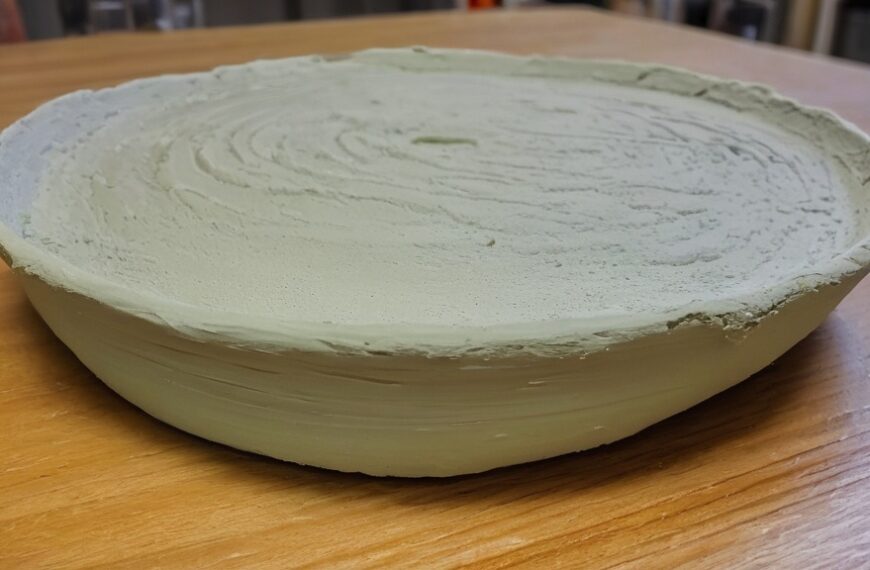
A completely air-dried clay piece will exhibit several key characteristics. Firstly, its color will typically lighten significantly, becoming uniform throughout. The color difference between wet and dry clay is often quite pronounced. Secondly, the piece will feel notably lighter than when it was wet, as all the water weight has evaporated. Thirdly, and perhaps most importantly, it will feel hard and rigid to the touch. There should be no coolness, dampness, or flexibility, even in the thickest sections. If you gently tap it, it should produce a solid, almost resonant sound, rather than a dull thud.
Avoiding Premature Finishing
It’s tempting to rush to the next step—painting, sealing, or decorating—but doing so prematurely can lead to disappointment. If you paint or seal a piece that is still even slightly damp internally, you risk trapping moisture inside. This trapped moisture can eventually lead to cracking, mold growth, or the paint peeling and flaking off as the remaining water tries to escape. Sealing a damp piece effectively seals in its fate for eventual degradation. Always prioritize complete dryness over speed. If you are unsure, it is always better to give your piece an extra day or two to dry, especially for thicker items. This patience will be amply rewarded with durable, long-lasting creations that truly showcase your artistic efforts.
Troubleshooting Common Drying Issues
Despite your best efforts to understand how long does clay take to air dry and manage the drying environment, you might occasionally encounter issues. Recognizing these problems early and knowing how to troubleshoot them can save your project. The most common issues revolve around cracking and uneven drying.
Dealing with Cracks
Cracks are the most dreaded outcome for many air-dry clay artists. They typically occur when different parts of the clay piece dry at different rates, leading to uneven shrinkage and internal stress.
Preventing Cracks from Rapid Drying
If you notice fine hairline cracks appearing, especially on the surface, it’s often a sign that the clay is drying too quickly. This can happen if the piece is exposed to direct sunlight, a strong fan, or a very dry, warm environment. To mitigate this, consider moving the piece to a more sheltered location, away from direct drafts or heat sources. For larger, thicker pieces that are prone to cracking, you can try a technique called “slow drying.” This involves partially covering the piece with a loose plastic bag, a damp cloth, or placing it in a slightly less ventilated area. The aim is to slow down the surface drying, allowing the interior to catch up and dry more uniformly. You want to create a slightly more humid microclimate around the clay, without completely sealing off airflow. Some artists even mist their pieces very lightly with water if they start to crack, allowing the surface to rehydrate slightly and relax, though this should be done with extreme caution as adding too much water can undo hours of drying.
Addressing Deep Cracks
Deeper cracks, especially in thick or solid pieces, are more challenging to fix once they’ve formed. These often indicate that the piece was not adequately dried from the inside out, or that there were significant differences in clay thickness that caused uneven shrinkage. While small surface cracks can sometimes be filled with a thin slurry of fresh air-dry clay (mixed with a little water), larger structural cracks often compromise the integrity of the piece beyond easy repair. The best approach to deep cracks is prevention: ensuring slow, even drying, especially for substantial sculptures. If you are constructing a very thick piece, consider creating a hollow core to reduce its overall mass and facilitate more even drying.
Managing Uneven Drying
Uneven drying can manifest in various ways, from parts of your sculpture feeling damp while others are bone dry, to warping and distortion.
Ensuring All Sides Dry Evenly
For three-dimensional objects, it’s crucial to rotate your piece periodically during the drying process. If one side is constantly in contact with a surface, or consistently facing a draft, it will dry differently from the other sides. Place your clay on a breathable surface, such as a wire rack or an elevated mesh, which allows air to circulate underneath as well as around the sides. This ensures that all surfaces are exposed to the drying air, promoting a more uniform drying process. Regularly turning your piece, perhaps every 12–24 hours for smaller items or every 1–2 days for larger ones, can significantly help prevent localized damp spots or distortion.
By understanding these potential issues and implementing proactive measures, you can increase your chances of successfully air-drying your clay creations, leaving you with sturdy, beautiful pieces ready for their final decorative touches. The patience you invest in the drying phase is an investment in the longevity and quality of your artwork.
FAQs
How long does it typically take for clay to air dry?
The drying time for air-dry clay can vary depending on several factors, including the thickness of the clay, humidity, and temperature. Generally, it can take anywhere from 24 to 72 hours for air-dry clay to fully dry.
What factors affect the drying time of air-dry clay?
Several factors can influence the drying time of air-dry clay, including the thickness of the piece, the ambient temperature, humidity levels, and airflow in the drying area. Thicker pieces will take longer to dry, while warmer and drier conditions can speed up the process.
Can I speed up the drying process of air-dry clay?
Yes, you can speed up the drying process by placing the clay in a warm, dry area with good airflow. Using a fan or a dehumidifier can also help. However, avoid using direct heat sources like ovens or hair dryers, as they can cause the clay to crack.
Is it safe to paint or seal air-dry clay before it is fully dry?
It is not recommended to paint or seal air-dry clay before it is fully dry, as this can trap moisture inside and lead to cracking or warping. It is best to wait until the clay is completely dry before applying any paint or sealant.
What should I do if my air-dry clay piece cracks while drying?
If your air-dry clay piece cracks while drying, you can try to repair it by using a small amount of wet clay to fill in the cracks. Once the repair is made, allow it to dry completely again. If the cracks are severe, it may be best to start over with a new piece.