Deciding on the perfect clay for your ornament-making endeavors can feel like a pivotal moment. You’ve got a vision, perhaps a specific holiday theme, a particular style, or a gift you want to pour your heart into. But when you stand before the shelves of craft stores, or scroll through online marketplaces, the sheer variety can be overwhelming. Two prominent contenders often emerge, each with its own set of strengths and weaknesses: air-dry clay and polymer clay. Understanding their fundamental differences is not just a matter of technicality; it’s the key to unlocking your creative potential and ensuring your handcrafted treasures are exactly what you envisioned.
This guide is designed to walk you through the decision-making process, helping you determine which clay will best serve your ornamental aspirations. We’ll delve into their unique properties, their suitability for different projects, the pros and cons of each, and the practicalities of working with them. By the end of this exploration, you’ll feel confident in your choice, ready to transform lumps of clay into cherished heirlooms and delightful decorations.
At the heart of your choice lies the fundamental distinction in how these clays achieve their final form. One dries, the other bakes. This seemingly simple difference has ripple effects on everything from your crafting process to the longevity and durability of your finished ornaments. Before we dive into specific applications, let’s lay a solid foundation by understanding these core characteristics.
The Natural Process: How Air-Dry Clay Takes Shape
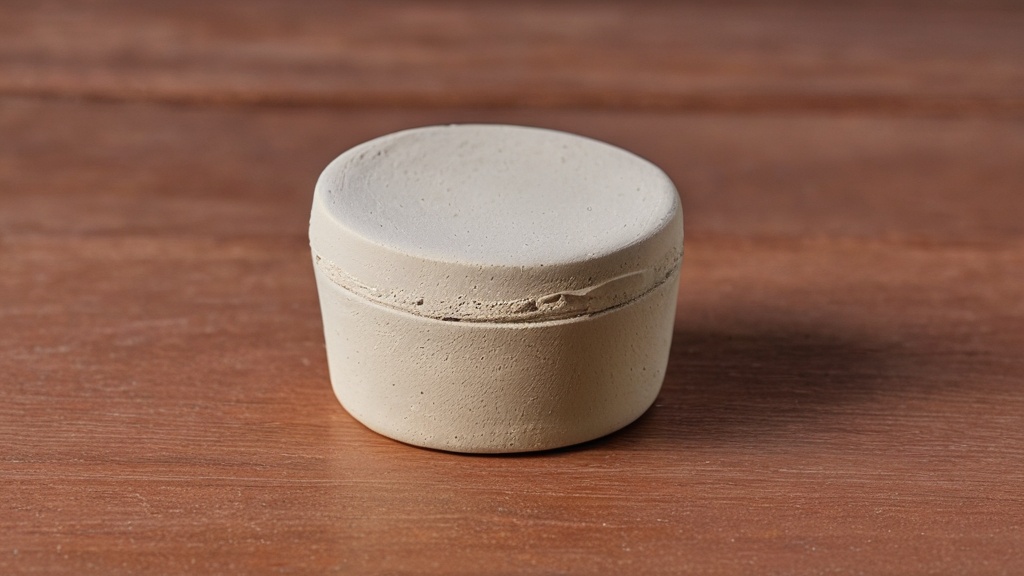
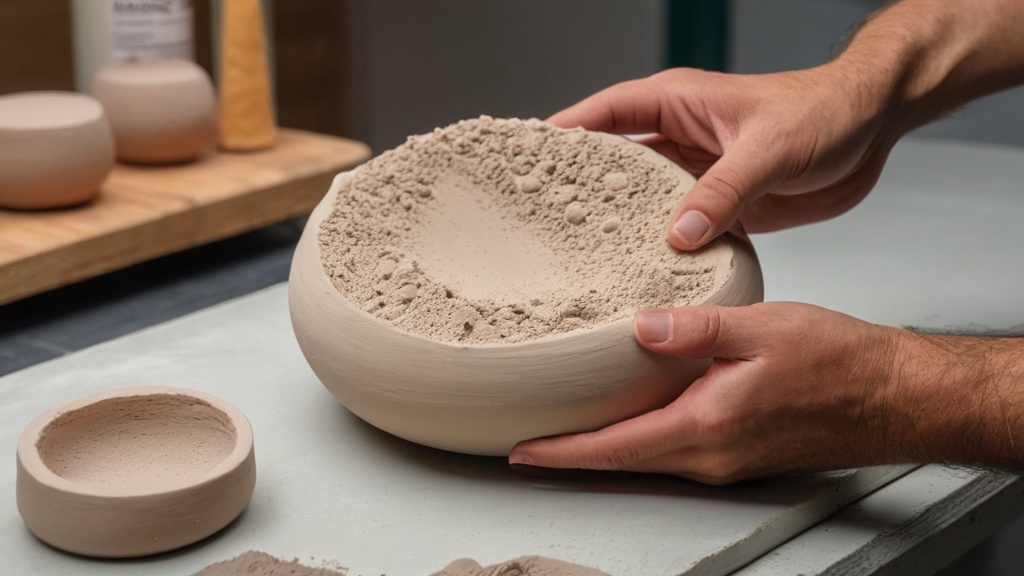
Air-dry clay operates on the principle of evaporation. Think of it as a very fine-grained, pliable mud that, over time, gives up its moisture content to the surrounding environment. When you first open a package of air-dry clay, it has a pleasantly soft, malleable texture. As you work it, it remains flexible and responsive. However, once you’ve sculpted your ornament and set it aside, a transformation begins. Water molecules within the clay start to dissipate into the air. This process causes the clay particles to bond together, shrinking slightly as they do so, and ultimately hardening into a solid form.
- The Drying Time Landscape: The timeframe for this transformation is variable and heavily dependent on environmental factors. Humidity, temperature, and the thickness of your ornament all play significant roles. A thin, delicate piece might be dry to the touch in 24 hours, while a thicker, more substantial creation could take up to 72 hours, or even longer, to fully cure. This extended drying period is a key consideration for project planning. You can’t just bake your creation and be done; you have to patiently wait for nature to take its course.
- The Absence of Baking: This is arguably the biggest selling point for air-dry clay, especially for beginners or those without access to an oven. The lack of a baking step means no special equipment, no concerns about oven temperatures, and no worries about fumes. This simplicity makes it incredibly accessible and removes a potential barrier to entry for many aspiring crafters.
The Oven’s Role: The Magic of Polymer Clay Curing
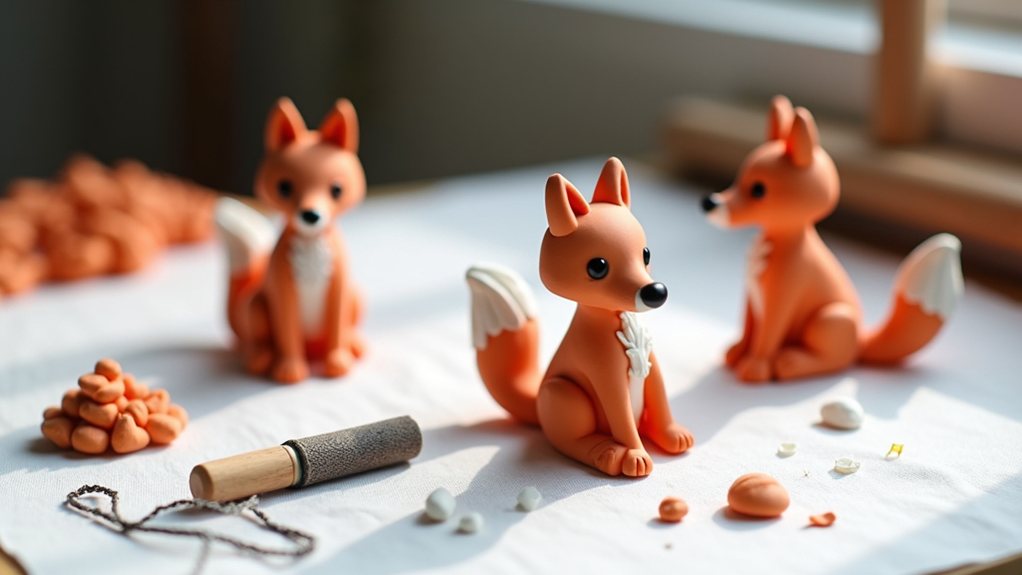
Polymer clay, on the other hand, undergoes a chemical change when exposed to heat. It’s a PVC-based material that contains a plasticizer, a liquid that keeps it soft and pliable. When you place your sculpted polymer clay ornament in a preheated home oven, this plasticizer evaporates, and the polymer particles fuse together, creating a strong, permanent, and dimensionally stable object.
- The Accelerated Transformation: The curing process for polymer clay is remarkably fast compared to air-dry clay. Typically, you’ll see your creations ready to adorn in just 15 to 30 minutes of baking at the temperature specified by the manufacturer. This rapid turnaround is a significant advantage for those who want to see their projects come to fruition quickly or who are working on a tight deadline. It also means you can produce a high volume of ornaments in a single crafting session.
- The Power of the Oven: While the need for an oven might seem like a disadvantage to some, it’s also the source of polymer clay’s superior strength and durability. The controlled heating process ensures a consistent and robust kết quả unlike the more variable outcome of air-drying. Manufacturers provide specific baking instructions for a reason, ensuring optimal curing and preventing issues like burning or under-curing.
Beginner-Friendliness and Ease of Use
When you’re first dipping your toes into the world of ornament making, the last thing you want is a material that fights you at every turn. Ease of use is paramount, and this is where air-dry clay often takes the lead. Its forgiving nature and straightforward process make it an ideal starting point for anyone looking to create something beautiful without a steep learning curve.
The Open Invitation of Air-Dry Clay
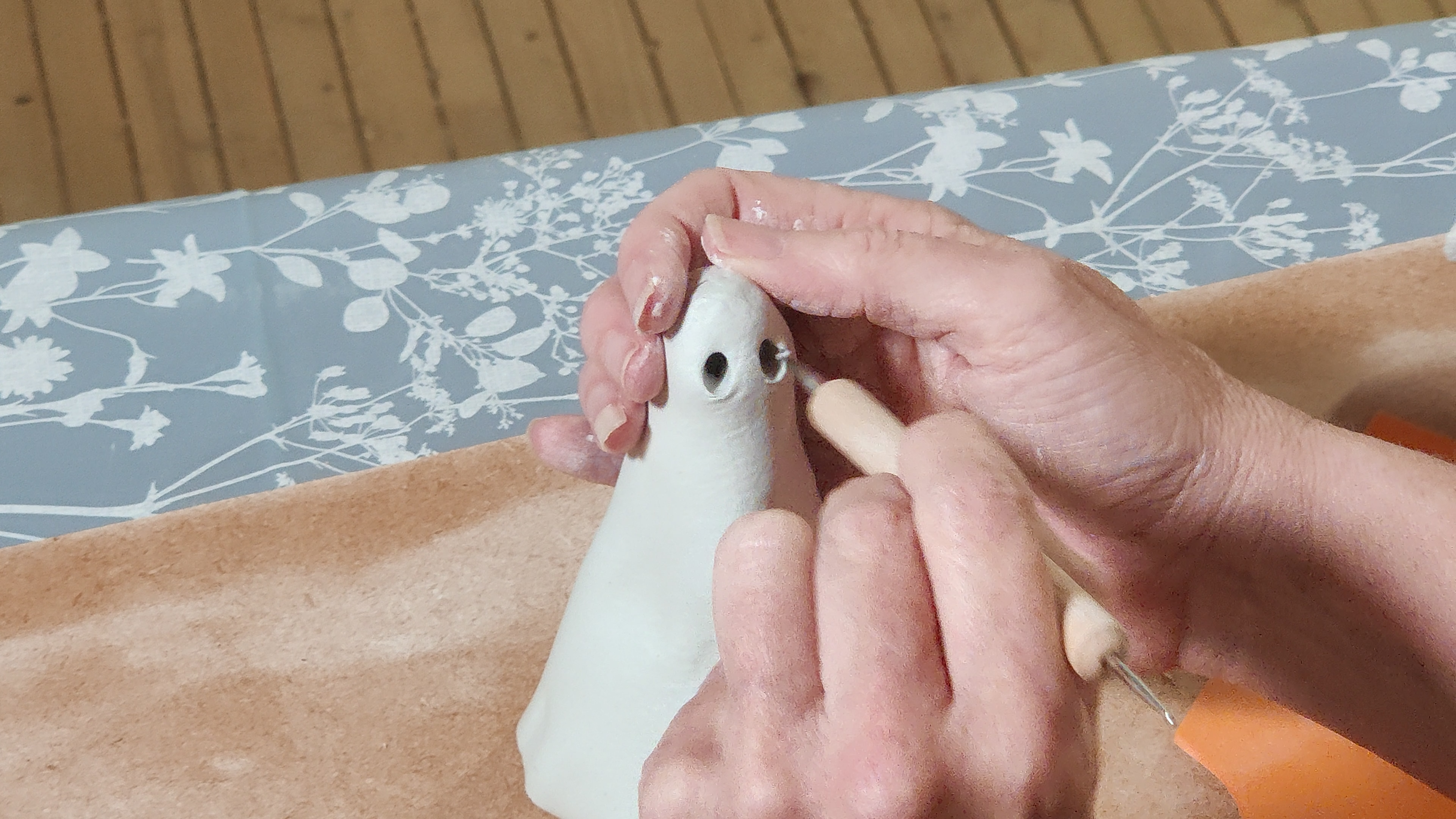
Air-dry clay is often hailed as the most beginner-friendly option, and for good reason. Its texture is typically smooth and easy to manipulate, requiring little strength to knead or shape. You can roll it out, cut it into shapes, stamp textures into it, or sculpt intricate designs with relative ease.
- No Special Skills Required: You don’t need to be a seasoned sculptor to achieve fantastic results with air-dry clay. Simple tools like cookie cutters, rolling pins, and even just your hands are often all you need to create charming ornaments. The material is forgiving, meaning minor mistakes can often be smoothed out or worked around before it begins to dry.
- The “No Mess, No Fuss” Appeal: Beyond not needing baking, air-dry clay generally makes for a cleaner crafting experience. While it can get a little dusty, it doesn’t leave the same sticky residue that some formulations of polymer clay can. Cleanup is typically straightforward, often involving just soap and water.
- The Gentle Introduction: For children’s craft projects or for those who want a relaxed and enjoyable crafting experience, air-dry clay is an excellent choice. It allows for immediate creative expression without the apprehension that might come with more complex materials.
Polymer Clay: A Slight Learning Curve, Big Rewards
While not as inherently simple as air-dry clay, polymer clay is far from inaccessible to beginners. It does require a bit more attention to detail and a willingness to learn its unique properties, but the rewards are significant in terms of the quality and durability of your finished ornaments.
- The Importance of Conditioning: One of the first things you’ll learn with polymer clay is the concept of “conditioning.” Fresh out of the package, some polymer clays can be a bit stiff. Kneading and working them softens them considerably, making them much easier to manipulate, roll, and shape. This step is crucial for achieving smooth surfaces and avoiding cracks.
- Tooling Up for Success: While you can get by with basic tools, polymer clay benefits from a few specialized items. A good quality pasta machine designed for clay, a set of sharp craft knives, acrylic rolling pins, and various sculpting tools can elevate your polymer clay projects. These tools help you achieve finer details and cleaner cuts.
- Understanding the Baking Protocol: As mentioned, proper baking is essential. This means investing in an oven thermometer to ensure accurate temperatures and following the manufacturer’s instructions meticulously. Over-baking can lead to discoloration or brittleness, while under-baking can result in a weak, soft ornament. This is where a bit of research and careful practice come in.
Durability and Longevity: Ornaments That Last
When you pour your time and creativity into making ornaments, you want them to last. You want them to be cherished year after year, perhaps even passed down. This is where the inherent properties of each clay type really come into play, determining how well your creations will withstand the test of time and handling.
The Delicate Nature of Air-Dry Clay
As its name suggests, air-dry clay relies on the removal of moisture to harden. While this process creates a solid object, it also introduces a degree of inherent fragility. Once completely dry, air-dry clay can be more susceptible to chipping, cracking, or breaking if dropped or subjected to impact.
- The Brittle Factor: You’ll find that air-dry clay is generally more brittle than its baked counterpart. This means ornaments made from air-dry clay should be handled with a bit more care. Sharp edges can be more prone to chipping, and thin sections might be particularly vulnerable.
- The Need for Sealing: To enhance its durability and protect it from moisture (which can cause it to soften or degrade over time), air-dry clay ornaments almost always benefit from sealing. This can involve applying a protective coating of varnish, acrylic sealant, or even Mod Podge. Sealing not only adds a layer of protection but can also enhance the appearance of the clay, giving it a matte, satin, or glossy finish.
- Best Suited for Display: Because of its relative fragility, air-dry clay is often best suited for ornaments that will be primarily displayed rather than frequently handled. Think of ornaments that hang on a tree and are touched only occasionally, or decorative pieces that sit on a shelf.
The Robust Nature of Polymer Clay
Polymer clay, after proper curing, transforms into a remarkably strong and impact-resistant material. This is a significant advantage for ornaments that are likely to see a lot of action, whether that’s being handled by curious children, bumping against other decorations on a tree, or even being used as charms on bags or jewelry.
- Impact Resistance as a Champion: Polymer clay ornaments are generally much more resistant to breakage than those made from air-dry clay. You can often get away with dropping an ornament made of polymer clay without it shattering into pieces. This makes it an excellent choice for ornaments that will be in high-traffic areas or handled by younger crafters.
- Waterproof Wonders: Once cured, polymer clay is essentially waterproof. This means you don’t have to worry about moisture damage, condensation, or accidental spills affecting your creations. This inherent water resistance adds to their longevity, especially in potentially humid environments.
- Ideal for Everyday Use: For ornaments that are meant to be played with, attached to frequently used items, or simply handled often, polymer clay is the superior choice. Its durability ensures that your hard work will continue to look good for years to come.
Achieving Fine Detail and Complex Designs
The nature of your design aspirations is another crucial factor in choosing the right clay. If you’re aiming for intricate patterns, tiny embellishments, or incredibly detailed miniature scenes, one clay will invariably offer a more superior canvas than the other.
The Canvas of Air-Dry Clay
Air-dry clay can certainly be used to create detailed ornaments, but its inherent properties can sometimes present challenges when striving for the absolute finest touches. The texture and the way it dries can limit the sharpness and precision of very small details.
- Sculpting Limitations: While you can sculpt intricate shapes, achieving razor-sharp edges or very delicate filigree with air-dry clay can be more difficult. As the clay dries, these fine details may soften slightly or become more prone to breakage.
- Stamping and Impression Techniques: Air-dry clay is excellent for taking impressions from stamps, textures, or natural objects like leaves. These methods allow for beautiful surface detail without requiring the clay itself to be incredibly fine. You can achieve a lovely, rustic charm with embossed designs.
- Working with Thicker Elements: If your designs involve thicker, more substantial elements, air-dry clay works beautifully. Creating layered ornaments with raised patterns or simple cut-out shapes is well within its capabilities.
The Precision of Polymer Clay
Polymer clay shines when it comes to achieving incredibly fine detail. Its smooth, pliable texture and the ability to sculpt incredibly thin elements make it the preferred choice for artists who want to create miniature masterpieces.
- The Power of Thinness: You can roll polymer clay incredibly thin, allowing for delicate cut-outs, intricate layering, and the creation of tiny components. This is essential for creating jewelry-style ornaments, charms, or detailed mini figures.
- Sharp Edges and Crisp Lines: Polymer clay holds sharp edges and crisp lines exceptionally well. This means you can create very precise patterns, stippled textures, or clean, defined borders with confidence. Tools designed for polymer clay, like needle tools and blades, work in harmony with the material to achieve this precision.
- Miniature Marvels and Charms: For those who dream of creating detailed mini ornaments, charms for bracelets or necklaces, or intricate jewelry-style decorations, polymer clay is almost always the go-to material. The ability to sculpt tiny components and bake them to perfection opens up a world of miniature artistic possibilities.
Cost and Project Scale: The Practical Considerations
| Criteria | Air Dry Clay | Polymer Clay |
|---|---|---|
| Drying Time | Requires air drying, can take 24-48 hours | Requires baking in an oven, typically 15-30 minutes |
| Hardness | Dries to a hard, but slightly brittle finish | Dries to a durable, hard finish |
| Color Options | Limited color options, can be painted after drying | Wide range of colors available, no need for painting |
| Detail Work | Can hold intricate details, but may crack if too thin | Can hold fine details without cracking |
| Cost | Generally more affordable | Can be more expensive |
Beyond the artistic and technical aspects, practicalities like budget and the scale of your crafting projects will undoubtedly sway your decision. Both air-dry and polymer clay come with different price points and lend themselves to different types of projects in terms of size and quantity.
The Budget-Friendly Charm of Air-Dry Clay
Generally speaking, air-dry clay is the more budget-friendly option. This makes it an attractive choice for crafters who are working with limited funds or who want to create a large number of ornaments without breaking the bank.
- Lower Upfront Cost: You’ll find that a bulk package of air-dry clay is typically less expensive than an equivalent amount of polymer clay. This lower initial investment allows for more experimentation and the creation of larger decorative pieces.
- Ideal for Larger Pieces: Because it’s often more cost-effective, air-dry clay is a great choice for larger decorative ornaments, wall hangings, or even small sculptures that are meant to be purely decorative. You can create substantial pieces without the cost becoming prohibitive.
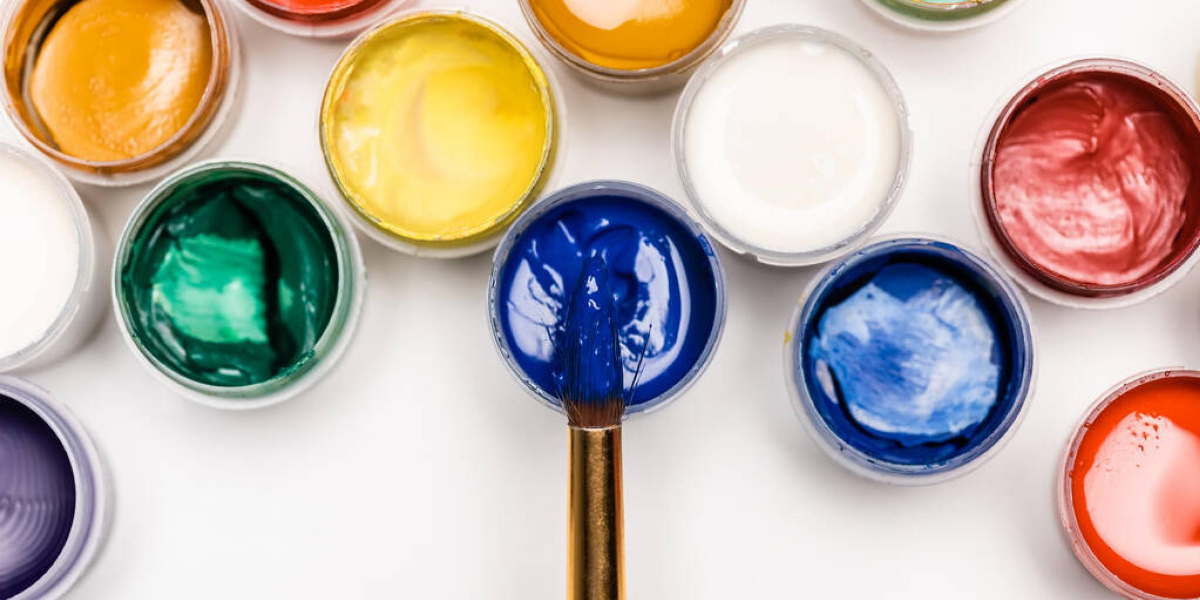
- Consider the Sealing Costs: While the clay itself might be cheaper, remember to factor in the cost of sealants and paints if you plan on finishing your air-dry clay ornaments. However, these are often relatively inexpensive craft supplies.
Polymer Clay: An Investment in Quality
Polymer clay can be more expensive per ounce or pound than air-dry clay. However, for many crafters, this increased cost is justified by the superior durability, strength, and detail that polymer clay offers, especially when creating smaller, more intricate items or when longevity is a primary concern.
- Higher Price Point: Be prepared for polymer clay to be a more significant investment, particularly if you’re buying in larger quantities or choosing premium brands. The advanced manufacturing process and the specialized nature of the material contribute to its higher cost.
- Cost-Effective for Small, Detailed Items: While the per-ounce cost is higher, polymer clay can be very cost-effective for small, detailed ornaments like charms or beads. A small amount of clay can go a long way in creating intricate pieces where the cost of air-dry clay might be less impactful due to the need for larger volumes to achieve similar detail.
- Long-Term Value: For ornaments that are intended to be durable and cherished for many years, the initial investment in polymer clay often pays off in the long run due to its superior quality and resistance to damage.
Final Thoughts: Making Your Choice
Ultimately, the “best” clay for your ornaments is entirely subjective and depends on your individual needs, skill level, and creative vision. There’s no single right answer, but rather a series of considerations that will guide you towards the perfect material for your project.
- For Effortless Elegance and Kid-Friendly Fun: If you’re a beginner, have children involved in the crafting process, or simply want a straightforward, no-bake solution for creating charming decorative pieces, air-dry clay is likely your best bet. Its ease of use, accessibility, and affordability make it a fantastic choice for simple ornaments that add a touch of handmade warmth. Just remember to plan for drying time and consider sealing your creations for added protection and longevity.
- For Lasting Treasures and Intricate Artistry: If your goal is to create ornaments that are exceptionally durable, can withstand frequent handling, or if you have a penchant for fine detail and miniature artistry, then polymer clay is the superior option. Its ability to be baked into a strong, waterproof, and impact-resistant form, coupled with its capacity for incredibly detailed work, makes it the professional’s choice for many jewelry and decorative applications. Embrace the learning curve, invest in the right tools, and enjoy the phenomenal results.
- Consider Hybrid Approaches: Don’t feel limited to choosing just one! Many crafters enjoy using both air-dry and polymer clay for different aspects of their projects. Perhaps you’ll use air-dry clay for larger base shapes and then incorporate small, polymer clay embellishments for added detail and durability. Experimentation is key, and the joy of crafting often lies in discovering new ways to combine materials.
By carefully weighing the pros and cons of each, considering your project goals, and understanding the unique properties of air-dry and polymer clay, you are well on your way to selecting the perfect medium for your next batch of beautiful, handcrafted ornaments. So, gather your inspiration, choose your clay, and let your creativity flow!
FAQs
1. What is the difference between air dry clay and polymer clay?
Air dry clay hardens when left out in the open air, while polymer clay needs to be baked in an oven to harden.
2. Which type of clay is better for making ornaments?
Both air dry clay and polymer clay can be used to make ornaments, but air dry clay is often preferred for its lightweight and natural finish, while polymer clay offers more vibrant colors and is more durable.
3. Can air dry clay and polymer clay be painted after they are dry?
Yes, both air dry clay and polymer clay can be painted with acrylic paints or other types of paint after they have dried and hardened.
4. Which type of clay is more suitable for detailed designs and intricate shapes?
Polymer clay is often preferred for detailed designs and intricate shapes due to its ability to hold fine details and its flexibility when working with small pieces.
5. Are there any other factors to consider when choosing between air dry clay and polymer clay for ornaments?
Other factors to consider include the desired finish (natural or vibrant), the need for durability, and the availability of an oven for baking polymer clay.