So, you’ve found yourself drawn to the tactile world of clay. Perhaps you’ve seen stunning miniature sculptures, vibrant jewelry pieces, or even whimsical home decor, and you’re thinking, “I want to make that!” But as you delve deeper, a crucial question arises: which clay is right for your vision? You’ve likely encountered two main contenders: polymer clay and air-dry clay. Each offers a unique pathway to transforming your creative ideas into tangible realities, but they diverge significantly in their properties, curing methods, and ultimate applications. Deciding between them isn’t just about picking a material; it’s about understanding the strengths and limitations of each so you can achieve the best possible results for your specific project.
Think of it this way: if you were building something, you wouldn’t use the same materials for a delicate filigree necklace as you would for a sturdy garden bench, would you? The same principle applies to clay. Your choice will dictate how you work, how long it takes, and what kind of final product you can expect. Understanding the fundamental differences between polymer clay and air-dry clay is your first, and arguably most important, step in your sculpting journey. It’s about setting yourself up for success, avoiding frustration, and ultimately, bringing your creative ideas to life in the way you envisioned them.
This exploration is designed to demystify these two popular clay types. You’ll discover what makes each one tick, when to reach for one over the other, and what crucial steps you need to take to ensure your creations stand the test of time. By the end of this, you’ll have a clear understanding of polymer clay baking versus air drying, empowering you to make an informed decision that aligns perfectly with your artistic aspirations.
The most significant divergence between polymer clay and air-dry clay lies in how they harden, or “cure.” This fundamental difference dictates everything from your crafting process to the final characteristics of your finished piece. It’s the linchpin that separates these two seemingly similar materials.
Baking the Magic into Polymer Clay
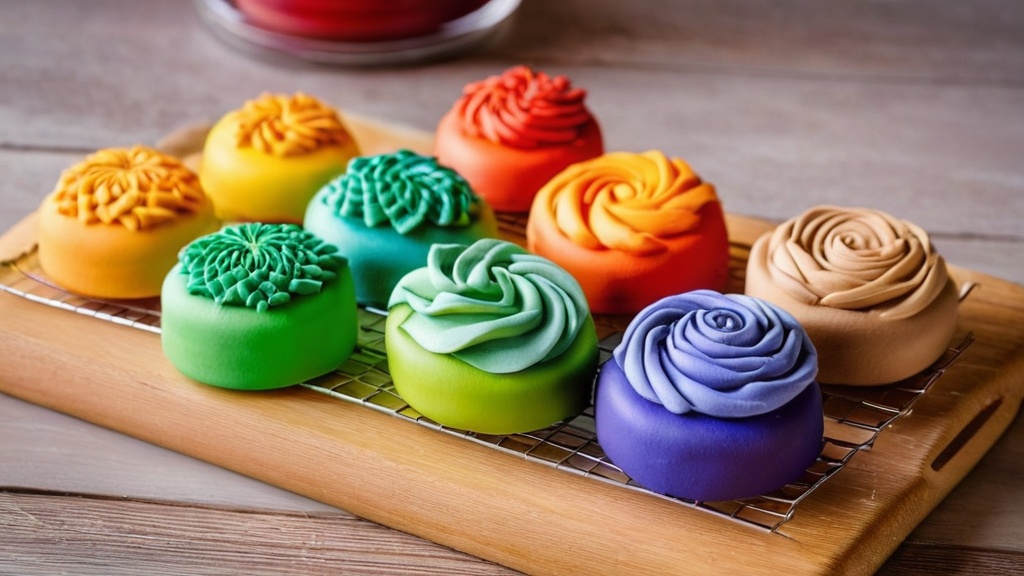
When you choose polymer clay, you’re choosing a material that requires a specific thermal transformation. This isn’t just a suggestion; it’s a necessity for the clay to achieve its intended strength and durability. Essentially, polymer clay is a pliable plastic that solidifies when heated.
The Oven is Your Best Friend (and Necessity)
You cannot skip the oven when working with polymer clay. It needs the controlled heat to undergo a process called polymerization. This is where the small plastic particles within the clay fuse together, creating a solid, resilient object. You’ll typically find instructions on the packaging suggesting a particular temperature and duration, often around 130°C (265°F) for 15 to 40 minutes, depending on the thickness of your piece. It’s crucial to adhere to these guidelines. Too low a temperature, and your clay might remain somewhat brittle; too high, and you risk burning it, which can release unpleasant fumes and damage your creation.
What Baking Accomplishes
The baking process transforms the soft, malleable polymer clay into a rock-hard, non-porous, and remarkably strong material. This isn’t just about making it touchable; it’s about making it water-resistant and incredibly durable. Once baked, your polymer clay creations can withstand a surprising amount of wear and tear, making them ideal for items that will be handled frequently. The finish you achieve after baking is generally smooth and clean, ready for further decoration or use.
The Patience of Air Drying
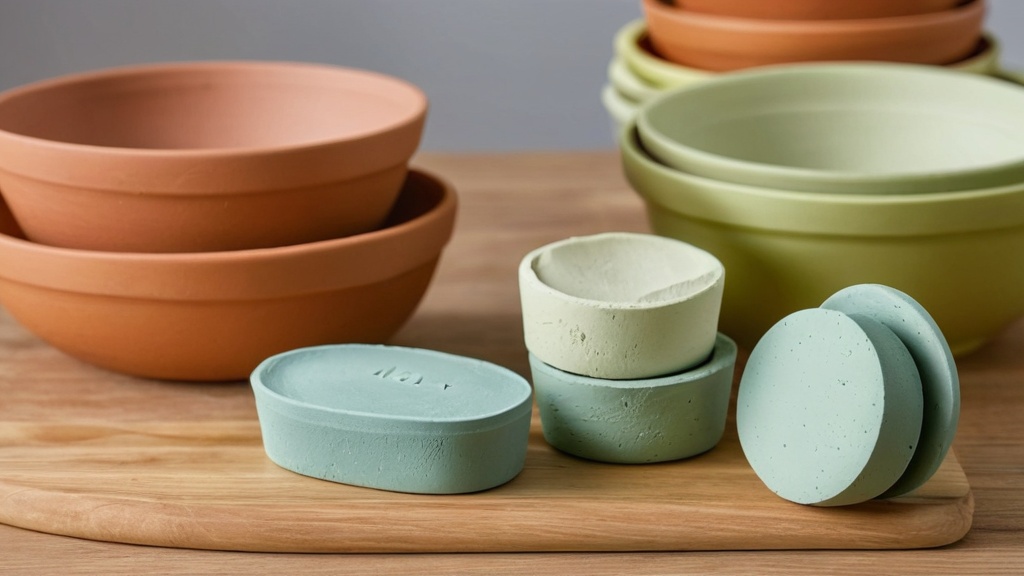
In stark contrast to the heat-activated nature of polymer clay, air-dry clay undergoes a slow and steady transformation through evaporation. It’s a simpler, more accessible method that doesn’t require specialized equipment.
Nature’s Own Curing Process
Air-dry clay hardens as the water content within it slowly evaporates into the surrounding atmosphere. This process begins almost immediately once the clay is exposed to air, and it can take anywhere from 24 to 72 hours, or even longer, depending on the thickness of your piece and the humidity of your environment. There’s no magic temperature, no complex chemical reaction driven by heat; it’s simply a matter of time and exposure to the air.
The “Drying Out” Phenomenon
Because air-dry clay hardens by losing moisture, you need to be mindful of this during your work sessions. It’s a delicate balance: you need air to dry it eventually, but too much too soon can cause problems. As the exterior dries, it shrinks slightly, and if this happens too quickly or unevenly, it can lead to unsightly cracks. This is why many artists working with air-dry clay will cover their pieces with plastic wrap or damp cloths when not actively working on them, to slow down the drying process and prevent cracking. You might also need to lightly mist it with water to keep it pliable while you’re sculpting.
Durability and the Finish You’ll Achieve
The curing method directly impacts the final characteristics of your clay projects, particularly their durability and the surface finish you can expect. This is where you’ll see some of the most pronounced differences between baked polymer clay and air-dried clay.
The Robust Resilience of Baked Polymer Clay
When you successfully
FAQs
1. What is polymer clay baking?
Polymer clay baking is the process of curing polymer clay in an oven at a specific temperature and for a specific amount of time to harden the clay and make it durable.
2. What is air drying clay?
Air drying clay is a type of clay that hardens when left to dry in the air, without the need for baking in an oven or kiln.
3. What are the advantages of polymer clay baking?
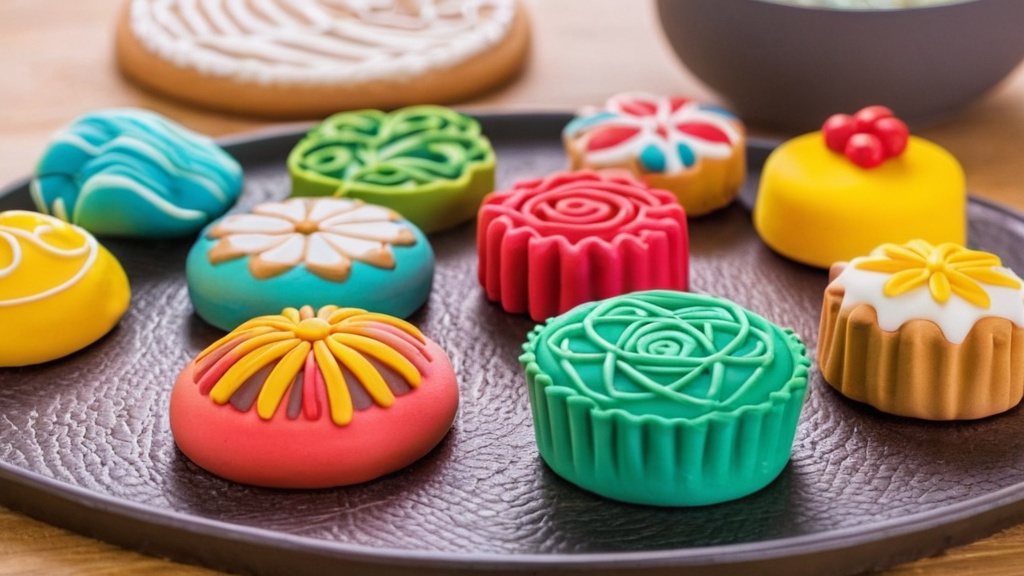
Polymer clay baking allows for precise and consistent hardening of the clay, resulting in a durable and long-lasting finished product. It also allows for the use of intricate details and fine textures.
4. What are the advantages of air drying clay?
Air drying clay is convenient and easy to use, as it does not require an oven or special equipment for hardening. It is also suitable for creating lightweight and delicate projects.
5. Are there any differences in the finished products between polymer clay baking and air drying clay?
Yes, there are differences in the finished products. Polymer clay baking results in a harder and more durable finished product, while air drying clay may be more fragile and prone to breakage. Additionally, polymer clay allows for more intricate details and fine textures compared to air drying clay.