So, you’re looking to elevate your scrapbooking beyond just sticking photos in an album. Creative scrapbooking is essentially about adding a personalized touch, a unique aesthetic, and a narrative to your memories, making them more engaging and meaningful to revisit. It’s about combining visuals, textures, and words to tell your story in a way that’s distinctly you. This isn’t about striving for perfection, but about embracing the process of artfully preserving moments.
You don’t need a craft store’s entire inventory to begin creative scrapbooking. A few key items will get you a long way. Think about what you already have and what you genuinely need before splurging.
Basic Supplies
- Album or Journal: This is your foundation. Choose a size and style that suits your vision. Ring-bound albums offer flexibility, while bound journals can feel more cohesive.
- Photos: Obviously! Print out your favorite memories, whether they’re digital snapshots or old physical prints. Consider different sizes and finishes.
- Adhesives: A good glue stick, double-sided tape, and perhaps some craft glue are indispensable. Look for acid-free options to protect your photos long-term.
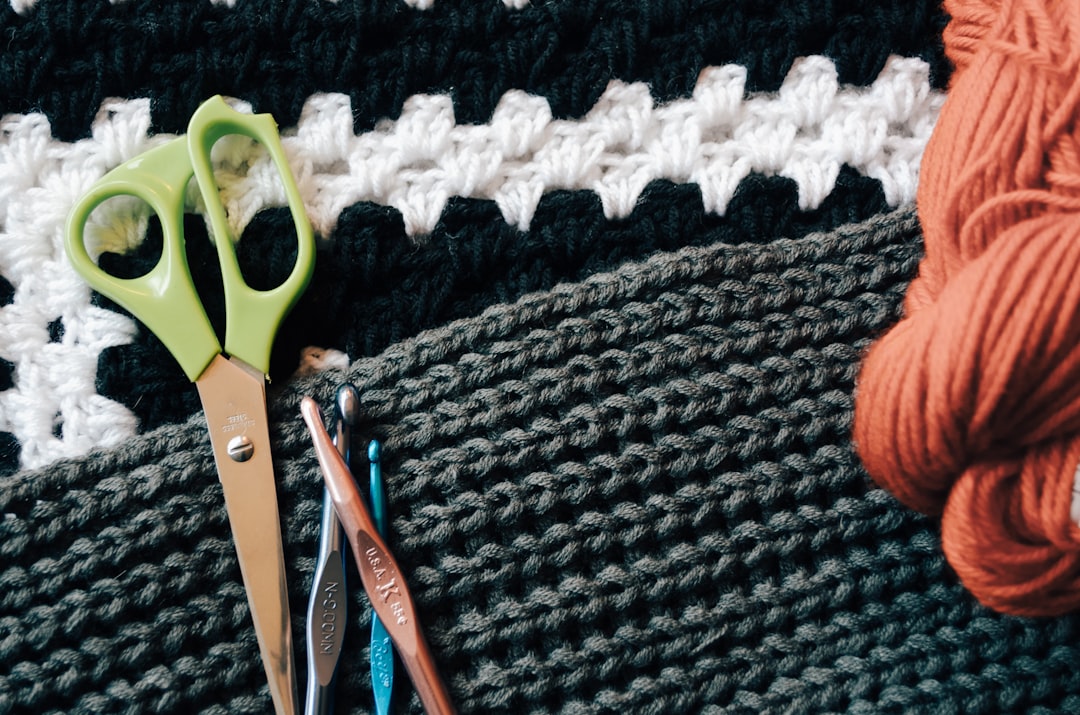
- Scissors and Craft Knife: For precise cutting and trimming. A cutting mat is a wise investment to protect your work surface.
- Pens and Markers: Black fine-liner pens for journaling are a must, and a few colored markers or gel pens can add pops of color.
- Paper: This is where creativity really comes in. A basic pack of cardstock in various colors, some patterned paper, and perhaps some plain white or cream paper for journaling will suffice.
Beyond the Basics: Enhancing Your Pages
Once you have the essentials, you can gradually introduce items to add dimension and visual interest.
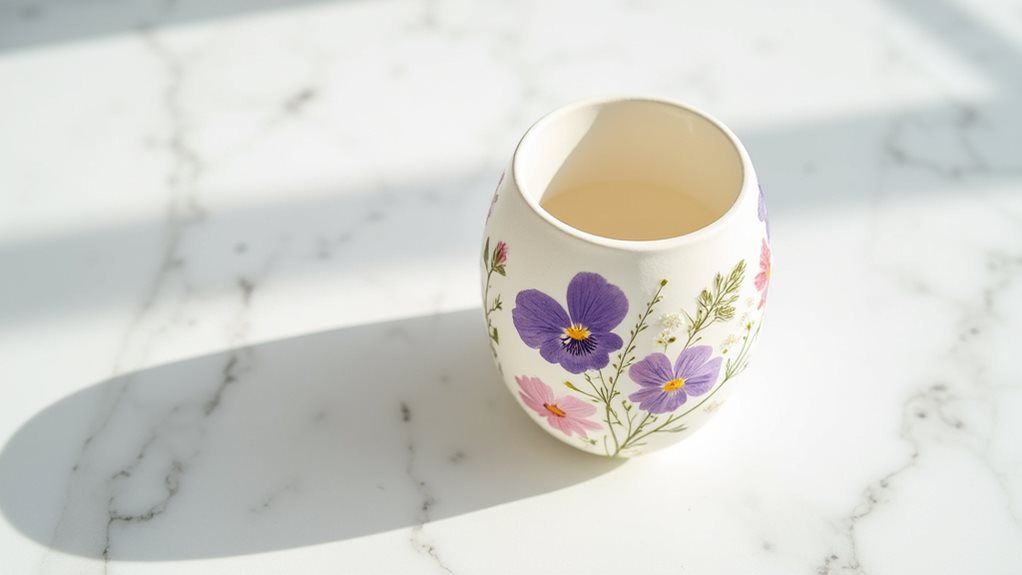
- Embellishments: Think buttons, small charms, ribbon, fabric scraps, stickers, or even natural elements like pressed flowers. Don’t feel pressured to buy specific “scrapbooking” embellishments; look around your home for interesting textures and shapes.
- Stamps and Ink: Rubber stamps with various motifs, letters, or sentiments can add a nice touch. A basic black or brown ink pad is versatile.
- Washi Tape: This decorative masking tape comes in endless patterns and colors, perfect for borders, accents, or even temporarily holding elements in place.
- Stencils: For adding repetitive patterns or shapes quickly and easily.
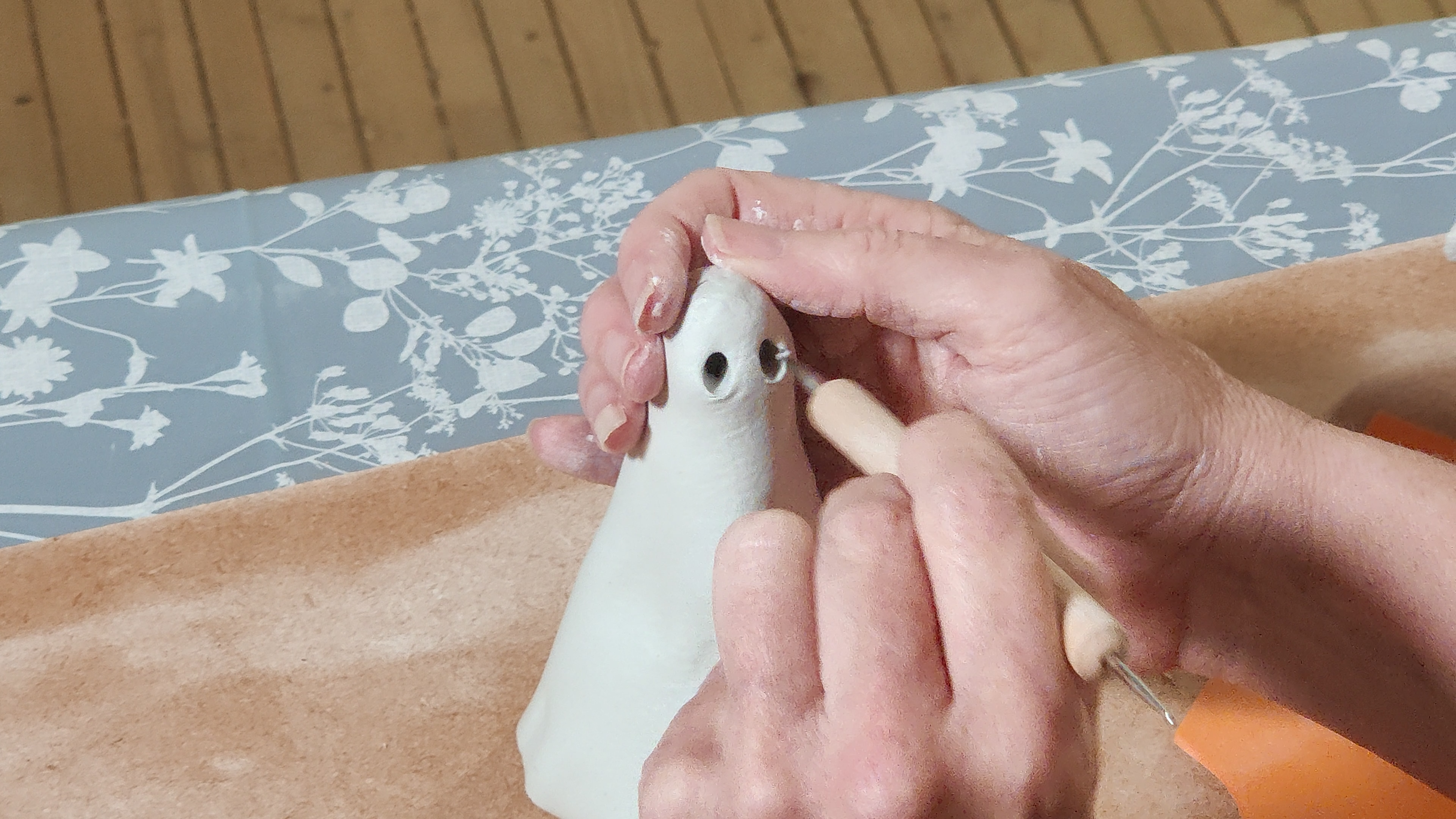
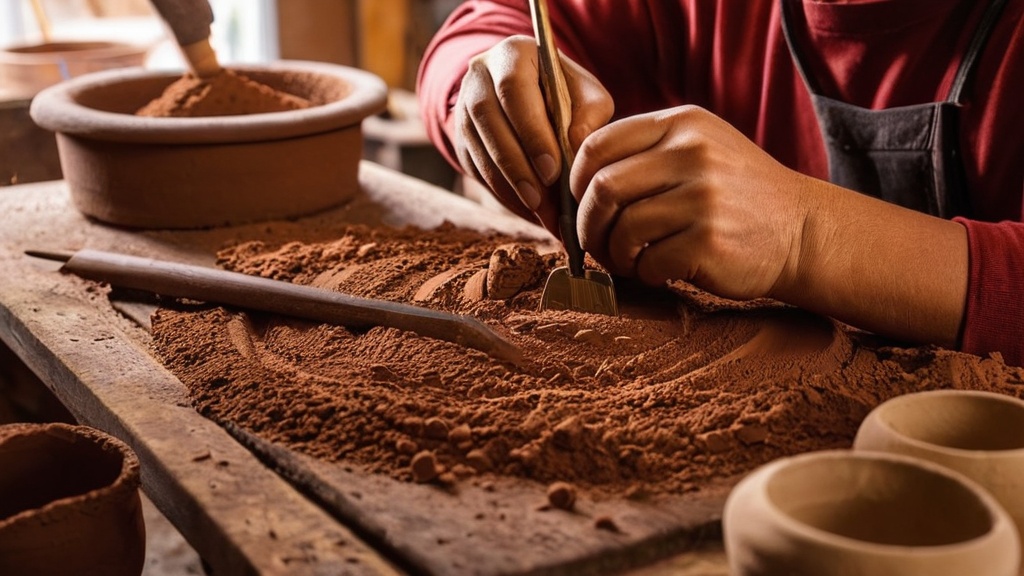
If you’re looking to enhance your scrapbooking projects, you might find it useful to explore how different materials interact with each other. For instance, understanding the properties of air-dry clay can be beneficial, especially if you plan to incorporate three-dimensional elements into your scrapbook. You can read more about this in the article on air-dry clay and its interaction with moisture at this link. This knowledge can help you make informed choices about the materials you use in your creative endeavors.
Developing Your Aesthetic: Finding Your Style
One of the most rewarding aspects of creative scrapbooking is developing a personal style. This isn’t about copying trends, but about understanding what visuals resonate with you and how you want your stories presented.
Drawing Inspiration
- Online Galleries: Websites like Pinterest, Instagram, and even dedicated scrapbooking forums are brimming with ideas. Look at different layouts, color schemes, and journaling styles.
- Everyday Life: Pay attention to colors, textures, and designs you encounter in daily life—in magazines, clothing, nature, or even product packaging.
- Other Art Forms: Interior design, fashion, painting, and photography can all offer insights into composition, color theory, and visual storytelling that can be translated into scrapbooking.
Experimenting with Themes and Colors
- Themed Pages: Some people prefer to create pages around specific events (a vacation, a birthday) or broader themes (nature, family). This can help guide your material choices.
- Color Palettes: Experiment with a limited color palette for a cohesive look, or embrace a more eclectic, vibrant mix. Understanding basic color theory (complementary, analogous colors) can be helpful but isn’t strictly necessary. Trust your eye.
- Visual Storytelling: Think about how the elements on your page work together to tell a story. Do the colors evoke a particular mood? Do the embellishments add to the narrative?
Layout and Composition: Arranging Your Memories

Effective layout and composition are crucial for creating visually engaging scrapbook pages. This isn’t just about putting things on a page, but about guiding the viewer’s eye and creating balance.
The Rule of Thirds (and Other Guides)
- Rule of Thirds: Imagine dividing your page into nine equal sections with two horizontal and two vertical lines. Placing key elements along these lines or at their intersections often creates a more balanced and interesting composition than simply centering everything.
- Leading Lines: Use elements like strips of paper, ribbon, or even a line of journaling to draw the eye towards a focal point.
- Visual Triangles: Arrange three elements in a triangular formation on your page. This creates a sense of stability and dynamic balance.
Creating Focal Points
- Dominant Photo: Often, one photo will be the star of the page. Make it larger or place it prominently.
- Clustering Elements: Group smaller embellishments or photos around your main subject to draw attention.
- Contrasting Colors/Textures: A brightly colored element on a muted background, or a textured item next to something smooth, can naturally become a focal point.
Balancing White Space
- Don’t Overcrowd: It’s tempting to fill every corner of a page, but leaving some “white space” (uncluttered areas, not necessarily white in color) allows the eye to rest and prevents the page from looking too busy.
- Breathability: White space gives your elements room to breathe and allows the viewer to appreciate each component individually.
Journaling: The Heart of the Story

While photos are powerful, journaling adds the context, emotions, and personal voice that truly bring your memories to life. Don’t skip this step.
What to Write About
- The Who, What, When, Where, Why: Basic facts are a good starting point. Who is in the photo? What’s happening? When and where did it take place? Why was this moment important?
- Emotions and Feelings: How did you feel at that moment? What memories or sensations does the photo evoke?
- Anecdotes and Details: Share small stories, funny incidents, or specific details that a photo alone can’t convey. Maybe it’s a quote someone said, or a memorable smell.
- Reflections: What does this memory mean to you now? What did you learn from it?
- Future Hopes: Sometimes, a memory can spark a desire for the future, which can also be captured in your journaling.
Journaling Techniques
- Handwritten Notes: Your own handwriting adds a deeply personal touch. Don’t worry about perfect penmanship; authenticity is key.
- Typed Text: If you prefer a cleaner look or have a lot to say, print out your journaling and adhere it to the page. You can choose different fonts to match your page’s aesthetic.
- Hidden Journaling: For more private thoughts, consider creating a flappable element, a small tag that pulls out, or a pocket for your journaling.
- Varying Placement: Journaling doesn’t have to be a block of text at the bottom. Integrate it around photos, along borders, or even in speech bubbles if appropriate.
- Short Phrases and Words: Sometimes, a few descriptive words or a brief phrase are all you need to convey the essence of a moment.
If you’re looking to enhance your scrapbooking projects, you might find it interesting to explore how different materials can be incorporated into your designs. For instance, air-dry clay can add a unique three-dimensional element to your pages. To learn more about this versatile medium and its applications, check out this insightful article on whether air-dry clay can be used for pottery. Integrating such creative elements can truly elevate your scrapbooking experience.
Creative Techniques and Touches: Adding Zest
| Category | Metrics |
|---|---|
| Number of scrapbook pages | 100 |
| Scrapbooking events attended | 5 |
| Scrapbooking supplies purchased | 200 |
| Scrapbooking hours spent per week | 10 |
Once you’re comfortable with the basics, you can start exploring various techniques to add more personality and flair to your pages.
Layering and Dimension
- Paper Stacking: Layer different pieces of patterned paper, cardstock, or even ephemera (tickets, receipts) under your photos or journaling blocks.
- Pop Dots/Foam Tape: Use these adhesive spacers to lift elements off the page, creating shadows and depth. This instantly adds a professional touch.
- Fussy Cutting: Carefully cut out specific elements from patterned paper or magazine images to use as embellishments.
Textures and Mixed Media
- Fabric and Ribbon: Incorporate small pieces of fabric, lace, or ribbon for tactile interest.
- Stitching: Hand-stitching with embroidery floss or even a sewing machine (without thread, for pierced lines) can add a charming, handcrafted look.
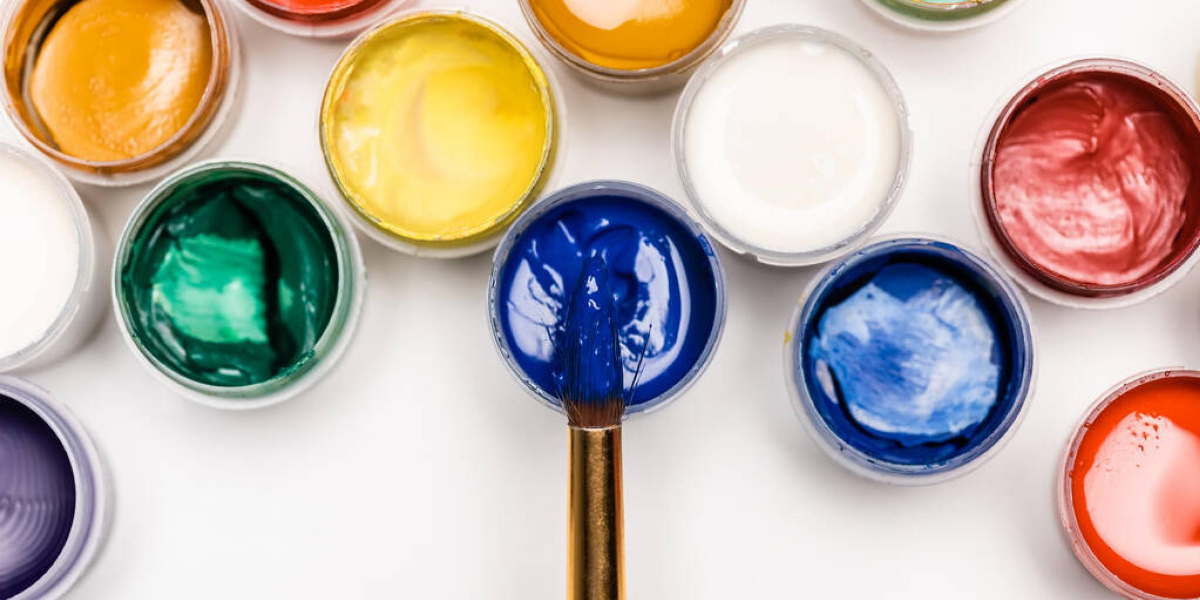
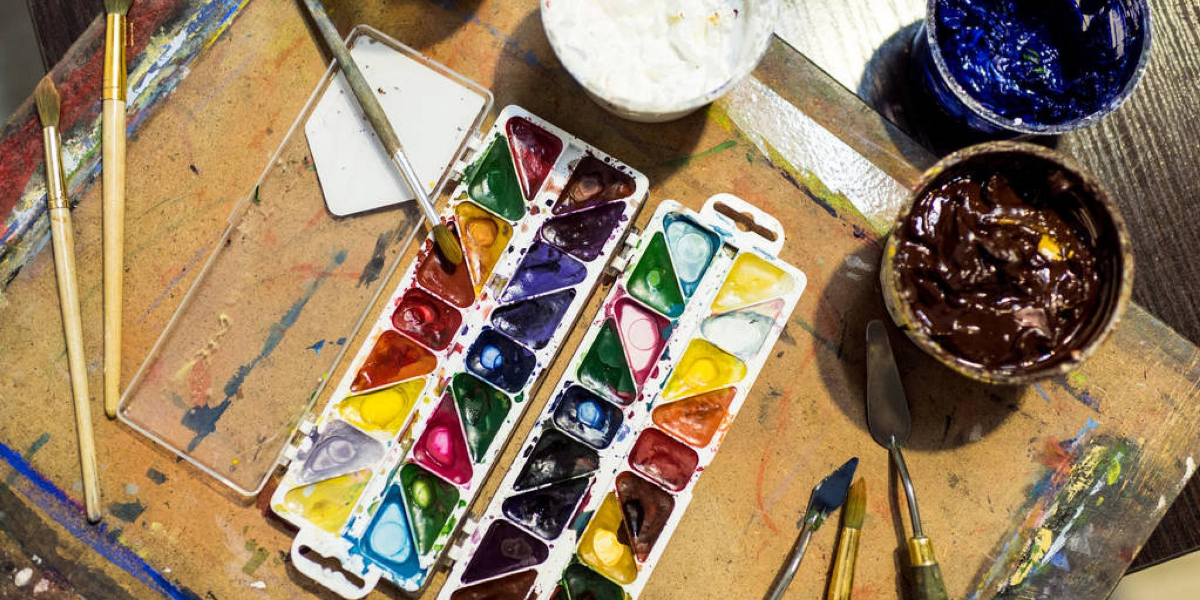
- Inks and Paints: Experiment with distress inks for aged effects, or a bit of watercolor for a subtle wash of color. Don’t be afraid to get a little messy.
- Stenciling and Embossing: Use stencils with ink or texture paste for repeated patterns, or try dry embossing to create raised designs on paper.
Personal Touches
- Artifacts and Ephemera: Collect small items related to your memories – movie tickets, boarding passes, pressed leaves, a snippet of fabric from a special outfit. These add a tangible connection to the moment.
- Hand-Drawn Elements: If you enjoy drawing, add your own doodles or illustrations.
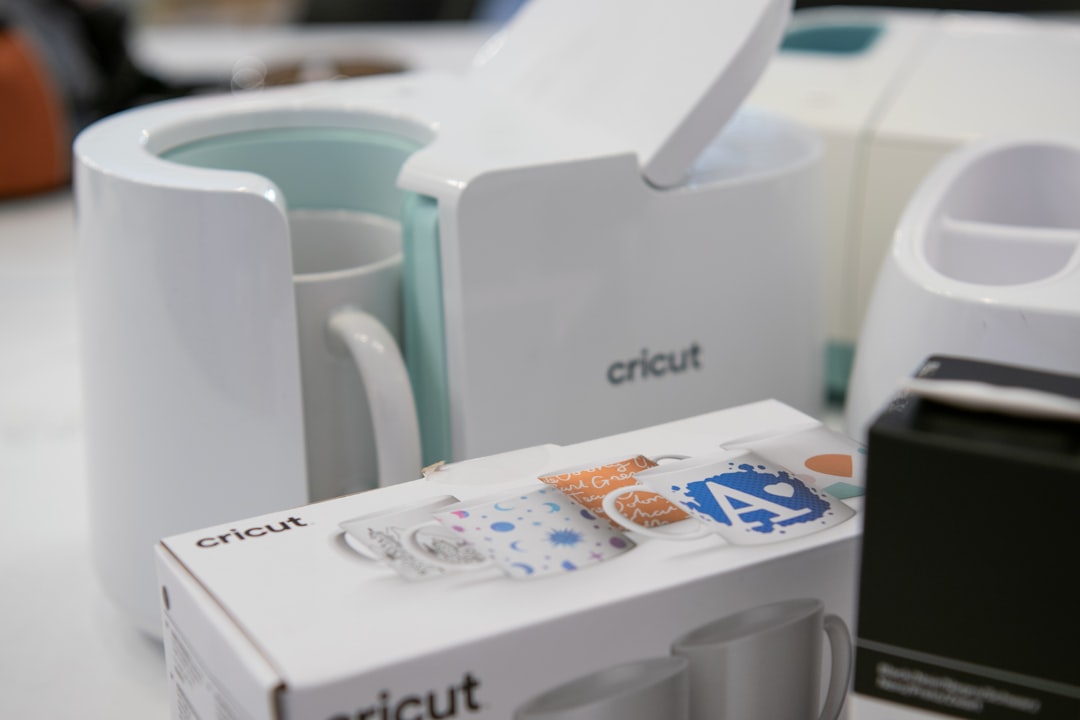
- Die-Cutting (Hand or Machine): Create intricate shapes and letters to enhance your titles or focal points.
Creative scrapbooking is an ongoing journey of learning and discovery. Don’t feel pressured to produce museum-worthy pieces from day one. The goal is to enjoy the process, experiment with different ideas, and ultimately, create a beautifully personalized collection of your life’s moments. It’s a tangible way to revisit your past, celebrate the present, and remember what’s truly important. Start with what you have, and let your memories guide your creativity.