You’ve likely encountered both polymer clay and air-dry clay in your crafting journey, or perhaps you’re just starting to explore the wonderful world of sculpting and molding. As you delve deeper, a crucial question arises: which type of clay offers the flexibility you need for your creative vision? The answer, as you’ll discover, isn’t a simple one-size-fits-all. It depends entirely on your project, your skill level, and your desired outcome. This guide will help you navigate the nuanced landscape of flexibility between these two popular mediums, empowering you to make informed choices for your next masterpiece.
Before we dive into comparing polymer clay and air-dry clay directly, it’s essential to clarify what “flexibility” means in the context of these materials. It’s not just about how much a finished piece can bend. Flexibility in clay encompasses several stages of its lifecycle, from its initial workable state to its final cured form. Understanding these distinctions will be key to appreciating the differences between polymer and air-dry clays.
Workability and Pliability During Sculpting
This is perhaps the most immediate aspect of flexibility that artists consider. How easily can you manipulate the clay? Does it respond well to pressure, carving, and shaping? Is it forgiving if you make a mistake? The way a clay behaves before it’s hardened is crucial for intricate detailing, smooth finishes, and the sheer joy of working with the material.
Post-Curing Strength and Resilience
Once your creation is complete and hardened, its flexibility takes on a different meaning. Does it possess a degree of give, allowing it to withstand minor impacts or stresses without breaking? Or is it rigid and prone to shattering? This post-curing flexibility is vital for the durability and longevity of your finished pieces, especially if they are intended for regular handling or display in potentially precarious locations.
Susceptibility to Cracking and Brittleness
Conversely, a lack of flexibility in the cured state often manifests as brittleness. This means the clay is easily fractured, chipped, or cracked. Understanding which clay is more prone to these issues is paramount for choosing the right material for projects that require robustness.
Polymer Clay: The Marathon Runner of Malleability
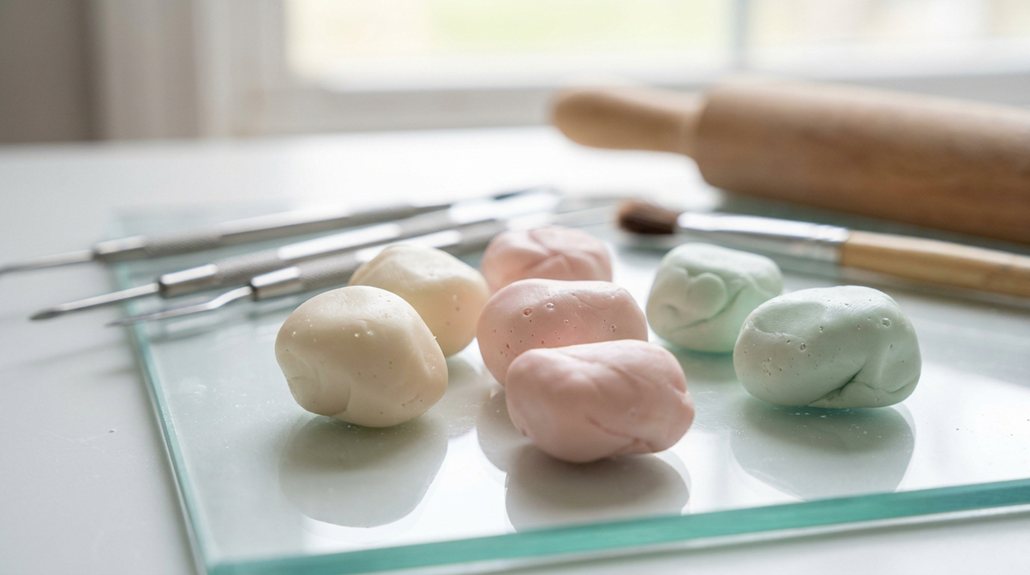
Polymer clay is renowned for its unique properties, particularly its extended workability and its ability to achieve a durable, yet slightly yielding, finish after baking. Its chemical composition allows it to remain soft and pliable for extended periods, a characteristic that opens up a world of creative possibilities.
Extended Workability: Your Creative Sandbox
One of the most significant advantages of polymer clay is its inherent flexibility while you are working with it. Unlike many other clays, polymer clay stays soft and workable until it is baked. This means you can spend hours, even days, on a single project without worrying about the clay drying out or becoming stiff. This extended workability is a game-changer for artists who engage in detailed sculpting, intricate layering, or require significant time for refinement.
- Adjustability and Revision: You can continuously adjust, reshape, and refine your polymer clay creations without fear of premature hardening. If you decide a certain angle isn’t quite right or you want to add a subtle curve, you can do so with ease. This iterative process of sculpting is much more forgiving with polymer clay.
- Seamless Blending and Layering: The pliability of polymer clay makes it ideal for seamlessly blending colors and creating smooth transitions. You can layer different colors of clay, marble them, or create intricate patterns without the clay cracking or drying out before you’ve finished.
- Longer Detail Sessions: For projects that demand fine details, such as delicate facial features, intricate filigree, or tiny embellishments, polymer clay’s sustained softness allows you to work with precision for extended periods. You won’t be rushed by the clay’s drying time.
- Surface Treatments and Textures: You can apply various textures and surface treatments to polymer clay while it’s still soft, from stamping and impressing to carving and sanding. The clay’s inherent flexibility ensures that these details don’t crack or crumble during the application process.
Post-Baking: Sturdy Yet Yielding
Once you’ve finished sculpting your polymer clay masterpiece and baked it according to the manufacturer’s instructions, it undergoes a permanent transformation. The plasticizers in the clay fuse, resulting in a hardened, durable object. However, “hardened” does not necessarily mean “brittle.”
- Slight Flexibility and Resilience: After curing, polymer clay typically retains a degree of slight flexibility. This means that while it’s strong and holds its shape well, it can also withstand minor bending or pressure without immediately shattering. This subtle resilience is a key factor in its durability, making it suitable for items that might be handled or subjected to minor bumps.
- Reduced Risk of Cracking During Use: This inherent post-curing flexibility contributes to a reduced risk of cracking or chipping during the normal use or display of your finished pieces. Compared to more brittle materials, polymer clay offers a greater peace of mind.
- Durability for Wearable Art and Functional Items: The combination of workability during creation and resilience after baking makes polymer clay an excellent choice for jewelry, figurines, and other items that might experience some wear and tear.
Ideal Applications for Polymer Clay’s Flexibility
Given its characteristics, polymer clay excels in specific types of projects where its flexibility is a distinct advantage.
- Intricate Detailing and Miniatures: For those who love creating tiny worlds, miniature food items, or highly detailed characters, polymer clay’s ability to hold fine lines and sharp edges while remaining workable is unparalleled.
- Complex Sculptures and Figurines: If your vision involves intricate anatomy, flowing drapery, or complex poses, polymer clay provides the necessary malleability to bring these designs to life without compromising integrity.
- Jewelry Making: The durability and slight flexibility of cured polymer clay make it perfect for earrings, pendants, bracelets, and other wearable art. It can withstand the stresses of being worn and handled.
- Mixed Media Projects: Polymer clay can be combined with other materials, and its own flexibility allows for smooth integration and adhesion.
Air-Dry Clay: The Quick-Drying Contender
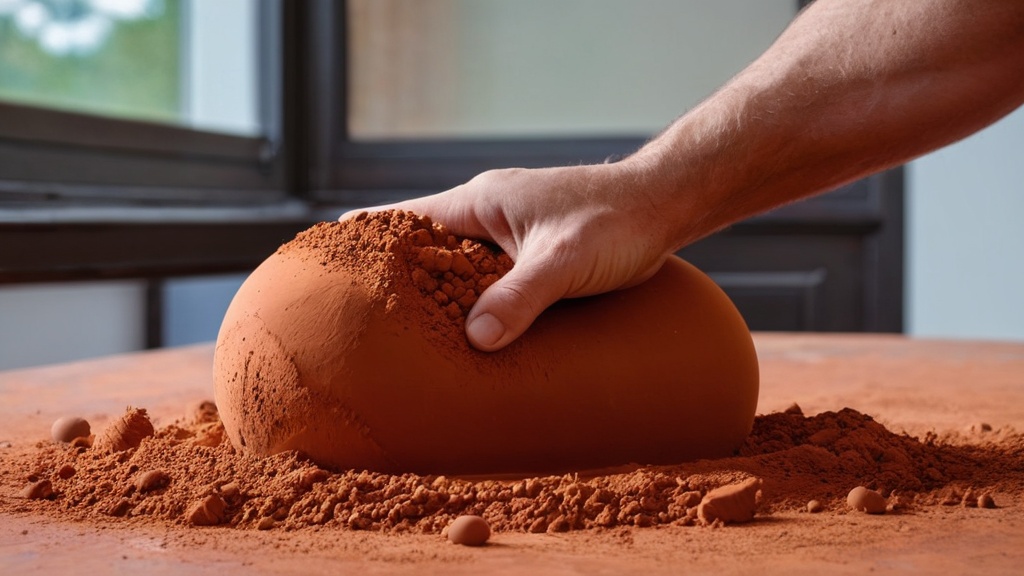
Air-dry clay offers a different approach to sculpting and crafting. Its primary characteristic is its ability to harden simply by exposure to air, eliminating the need for baking. This makes it accessible and convenient, but it also introduces unique considerations regarding its flexibility.
Initial Softness and Rapid Drying
At the outset, air-dry clay often feels quite soft and pliable, much like modeling clay. This initial softness can be very inviting for beginners, allowing for easy shaping and manipulation. However, this pliability is fleeting.
- Exposure to Air Triggers Drying: The moment air-dry clay is exposed to the air, the drying process begins. This means its workable state is significantly shorter than that of polymer clay. The moisture within the clay starts to evaporate, causing it to stiffen.
- Limited Work Time: You will find that you have a more limited window of time to work with air-dry clay before it becomes difficult to manipulate. This can be a challenge for complex projects or for artists who prefer a slower, more deliberate sculpting process.
- Potential for Unworkability: If you leave air-dry clay out for too long, or if you work with it too slowly, it can become unworkable. It will start to harden, crack, or become crumbly, making further shaping difficult or impossible without rehydrating it, which can sometimes compromise the integrity of the piece.
Post-Drying: The Brittle Reality
Once air-dry clay has completely dried, its flexibility is significantly reduced. The hardening process is essentially the evaporation of water, which leaves behind a porous and often more fragile structure.
- Brittleness and Fragility: Cured air-dry clay is typically more brittle than baked polymer clay. This means it has very little give and is prone to cracking, chipping, or breaking if dropped or subjected to pressure.
- Susceptibility to Cracks: As the clay dries, it can shrink, and this shrinkage can lead to internal stresses that manifest as cracks. These cracks can appear during the drying process or later if the piece is handled roughly.
- Limited Resilience to Impact: Unlike the slight flexibility of polymer clay, air-dry clay offers little to no resilience to impact. A minor fall or bump can be enough to cause significant damage, from small chips to complete breakage.
Ideal Applications for Air-Dry Clay’s Flexibility
Despite its limitations in post-curing flexibility, air-dry clay has its own set of strengths and is well-suited for certain types of projects.
- Easy Shaping and Beginner Projects: For those just starting their crafting journey, air-dry clay’s initial softness and ease of use make it a forgiving material. It’s excellent for simple shapes, hand-building, and learning basic sculpting techniques.
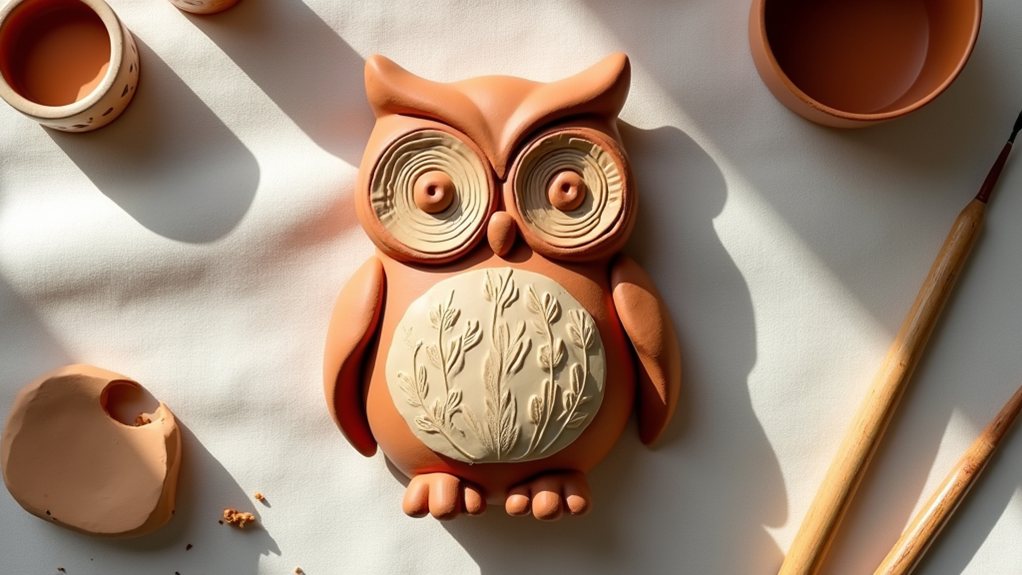
- Larger, Static Forms: If you’re creating larger, static decorative pieces that won’t be handled frequently, such as wall hangings or decorative bowls, air-dry clay can be a good option, provided you take care during the drying and finishing stages.
- Crafts for Children: The quick drying time and lack of baking requirements make air-dry clay a popular choice for children’s crafts. It allows for immediate gratification and a simpler crafting experience.
- Projects Requiring Minimal Detail: For projects where intricate detail is not a priority, and the focus is on form and basic shaping, air-dry clay can be effective.
Comparing Flexibility: A Direct Head-to-Head
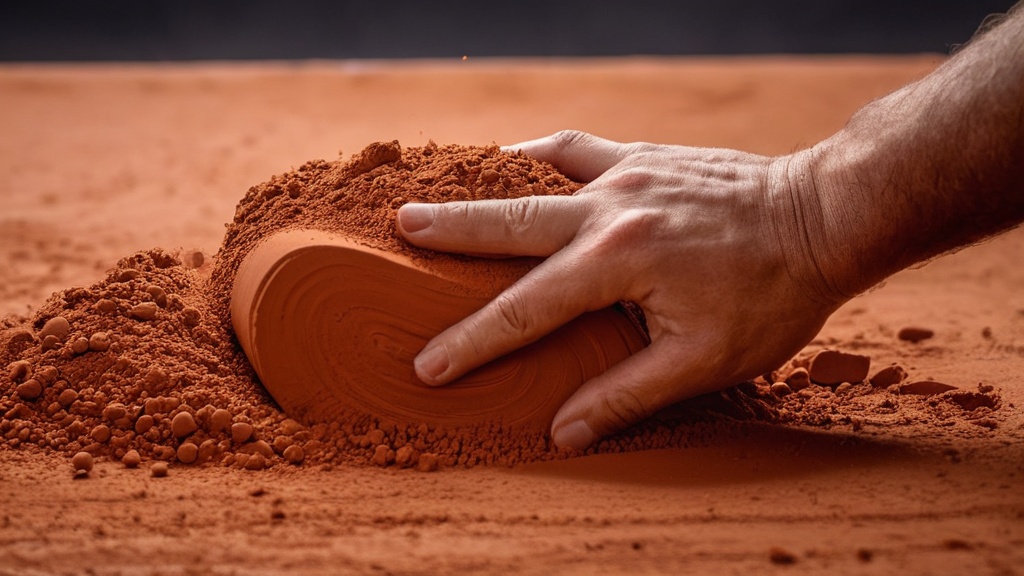
Now, let’s directly compare the flexibility of polymer clay and air-dry clay across different stages.
Flexibility During the Creative Process
- Polymer Clay: You have an extended, virtually unlimited window of time to work with polymer clay. It remains soft and pliable until baked, allowing for continuous adjustments, intricate detailing, and the perfect refinement of your vision. You can set it aside for days and return to it without it hardening.
- Air-Dry Clay: The flexibility of air-dry clay during the creative process is significantly shorter. It begins to dry as soon as it’s exposed to air, meaning you have a limited working time before it becomes stiff and unmanageable. This requires a faster pace and careful planning.
Flexibility and Durability After Curing
- Polymer Clay: Once baked, polymer clay is sturdy and possesses a subtle flexibility. This gives it resilience against minor impacts and stresses, making it less prone to cracking or chipping during normal use. It’s a more robust material for items that might be handled.
- Air-Dry Clay: Cured air-dry clay is generally more brittle. It lacks significant flexibility and is therefore more susceptible to cracking and chipping if dropped or subjected to pressure. Its fragility is a key consideration for its longevity and intended use.
Suitability for Detail Work
- Polymer Clay: For detail work, especially on smaller projects, polymer clay is the superior choice. Its sustained workability allows for the creation of incredibly fine lines, sharp edges, and intricate textures that would be nearly impossible with air-dry clay due to its rapid drying.
- Air-Dry Clay: While air-dry clay can be worked into shapes, achieving fine details is challenging due to its limited working time and the potential for cracking as it dries. It’s better suited for bolder, less intricate forms.
Forgiveness for Beginners
- Polymer Clay: While polymer clay offers excellent workability, its need for baking can be a slight barrier for absolute beginners. However, its forgiving nature during sculpting can make the learning curve smoother if they are patient.
- Air-Dry Clay: Air-dry clay is often considered more forgiving for absolute beginners due to its immediate hardening without the need for baking. Its initial softness is easy to grasp, and the lack of a baking step simplifies the process. However, beginners might quickly encounter frustration with its brittleness if their projects involve more than simple shapes.
When to Choose Which: Making the Right Decision for Your Project
| Clay Type | Flexibility |
|---|---|
| Polymer Clay | Remains flexible after baking |
| Air Dry Clay | Dries to a rigid form and is not flexible |
The choice between polymer clay and air-dry clay hinges entirely on the specific demands of your project and your personal preferences. Understanding their flexibility differences will guide you towards the most successful outcome.
Opting for Polymer Clay When:
You are creating intricate jewelry, detailed figurines, or complex sculptures. Your project requires fine lines, sharp edges, and a lot of detail work. You need the freedom to spend significant time refining your creation without worrying about it drying out. You want a durable finished product that can withstand some handling and minor stresses. You are comfortable with the baking process required to cure the clay. You are looking to experiment with advanced techniques like caning, mokume gane, or intricate layering.
Opting for Air-Dry Clay When:
You are a beginner looking for an easy entry into sculpting. You are creating larger, decorative items that will be largely static and not handled frequently. You need a quick crafting solution for a kids’ craft project. Your project focuses on simple shapes and forms where intricate detail is not essential. You want a material that hardens without the need for baking. You are prepared to seal and protect the finished piece to mitigate its brittleness.
Final Thoughts on Flexibility and Your Creative Journey
Ultimately, the “flexibility” of a clay is not a singular attribute but a spectrum of characteristics that influence your creative process and the longevity of your creations. Polymer clay offers a marathon of workability, allowing you to sculpt and refine with confidence, culminating in a durable, slightly yielding finish. Air-dry clay provides a sprint of initial pliability, making it accessible and quick, but it demands a faster pace and results in a more brittle final product.
By understanding these nuances, you can confidently select the clay that best serves your artistic ambitions. Don’t be afraid to experiment with both, learn their individual strengths and weaknesses, and let their unique flexibilities guide you on your creative journey. Whether you’re crafting delicate treasures or bold statements, the right clay, with the right kind of flexibility, will help you bring your visions to life.
FAQs
1. What is the main difference between polymer clay and air dry clay in terms of flexibility?
Polymer clay is a type of modeling clay that remains flexible after baking, while air dry clay hardens and becomes rigid as it dries.
2. Can polymer clay and air dry clay both be used for flexible and bendable creations?
Yes, both polymer clay and air dry clay can be used to create flexible and bendable creations, but the method of achieving flexibility differs. Polymer clay remains flexible after baking, while air dry clay needs to be manipulated and shaped while it is still wet to retain flexibility.
3. Are there any limitations to the flexibility of polymer clay and air dry clay?
While polymer clay can remain flexible after baking, it may become brittle if bent repeatedly or exposed to extreme temperatures. Air dry clay, on the other hand, may lose its flexibility once it has fully dried and hardened.
4. Which type of clay is more suitable for projects that require long-term flexibility?
Polymer clay is more suitable for projects that require long-term flexibility, as it retains its flexibility even after baking. Air dry clay may lose its flexibility over time as it fully dries and hardens.
5. Can polymer clay and air dry clay be used together to create flexible projects?
Yes, polymer clay and air dry clay can be used together to create flexible projects. By combining the two types of clay, artists can take advantage of the unique properties of each to achieve the desired level of flexibility in their creations.