You’re passionate about crafting, and polymer clay has undoubtedly captured your imagination. Its vibrant colors, pliable texture, and endless possibilities make it a go-to medium for countless projects. But what happens when your artistic vision intertwines with the practicalities of food? You’ve seen stunning polymer clay pieces – coasters, decorative spoons, even intricate platters – and naturally, you might wonder: is food safe polymer clay a thing? This comprehensive guide will navigate the often-misunderstood landscape of polymer clay and food contact, empowering you to create beautiful, and genuinely safe, items.
When you embark on a new polymer clay project, especially one that looks like it could interact with food, it’s crucial to understand a fundamental truth: polymer clay, in its cured state, is not food-safe for direct contact. This isn’t a minor detail; it’s a critical safety guideline you must always keep in mind. You might encounter beautifully sculpted bowls, mugs with intricate handles, or even decorative spoons adorned with polymer clay designs, and think they’re perfectly fine for your next meal. However, this is a misconception that needs to be clarified.
“Non-Toxic” vs. “Food-Safe”: A Crucial Distinction
You’ve likely seen the “AP Certified Non-Toxic” label on your favorite polymer clay brands, like Sculpey. This certification is a wonderful assurance for crafters, meaning the clay is safe to handle during the creative process and won’t cause harm if accidentally ingested in small amounts. However, “non-toxic” is not the same as “food-safe.” This is perhaps the most significant distinction you need to grasp.
- Non-toxic means the material itself isn’t poisonous or harmful to your body when used as intended (i.e., crafting). It addresses immediate, acute toxicity.
- Food-safe, on the other hand, means a material will not leach harmful substances into food, alter its taste, or pose health risks when it comes into prolonged or repeated contact with edible items, especially under varying conditions like temperature changes or washing.
Brands like Sculpey explicitly state that while their polymer clays are AP-certified non-toxic for crafting, they do not recommend using them with utensils or food-contact items. This isn’t a loophole; it’s a direct warning you should heed.
The Leaching Concern: Heat, Acidity, and Time
So, if it’s non-toxic, what’s the big deal with food? The concern lies in the very nature of polymer clay. It’s a plastic, and like many plastics, it contains plasticizers and other additives. These chemicals are what give the clay its flexibility and workability before curing. While largely stable once cured, they are not permanently encapsulated.
- Heat: When exposed to heat, such as from hot beverages, warm food, or even the dishwasher, these plasticizers can become more mobile and leach out of the polymer matrix.
- Repeated Contact: Every time food, especially acidic or oily food, touches the clay, and every time the item is washed, there’s a cumulative effect. Over time, and with repeated exposure, more of these substances can migrate.
- Acidity: Acidic foods (think tomato sauce, citrus, vinegar) can also accelerate the leaching process, as can certain fats and oils.
You wouldn’t want these chemicals migrating into your food or drinks. While the quantities might be small, chronic exposure is a concern that manufacturers and safety experts take seriously. This is why you must avoid direct contact between cured polymer clay and anything you consume.
The Consensus: No Major Polymer Clay is Marketed as Food-Safe
You might be searching for that elusive brand of “food-safe polymer clay” or hoping for a new development in the market. However, as of 2026, the consensus among manufacturers and experts remains clear: no major polymer clay brand is marketed as food-safe for direct and prolonged food contact. This isn’t an oversight; it’s a deliberate stance based on the chemical composition and intended use of the material.
If a product were truly food-safe in the way you might imagine (like glass or glazed ceramic), it would undergo rigorous testing and certification processes specific to food contact. Polymer clay has not met these criteria for direct food contact. Therefore, if you see a product making such a claim, exercise extreme caution and skepticism. Always prioritize safety over aesthetic appeal when it comes to food.
Safe-Use Strategies: Decorating, Not Serving
Now that you understand the limitations, don’t despair! Polymer clay is still an incredible medium for countless projects. The key is to shift your mindset from “serving food on” polymer clay to “decorating items around” food-safe surfaces. This is where you can truly unleash your creativity without compromising safety.
The Decorative Outer Layer: A Clever Workaround
The most effective and widely accepted workaround for incorporating polymer clay into food-related items is to use it only as a decorative outer layer. Think of it as the artistic skin that adorns a functional, food-safe core.
- Handles and Bases: You can sculpt intricate designs onto the handles of cutlery, the base of a glass, or the exterior of a mug. The crucial rule is that the polymer clay must never come into contact with the food or drink itself, nor with your mouth.
- Coasters: Polymer clay coasters are perfectly safe as long as they are for the outside of a glass or mug. They protect your surfaces and add a decorative touch.
- Serving Utensils with Food-Safe Blades: If you want to decorate a serving utensil, ensure the polymer clay is solely on the handle, far removed from the actual part that touches the food. The serving end should be stainless steel, wood, or another food-safe material.
- Decorative Rims or Bases: You could embellish the non-food-contact rim of a platter or the base of a cake stand, ensuring the food itself rests entirely on the food-safe surface.
By adhering to this principle, you can create stunning pieces that enhance your culinary presentation without any safety concerns.
Verified Food-Safe Coatings: A Cautious Approach
Another avenue you might explore is using a verified food-safe coating to seal your polymer clay designs. This option requires extreme diligence and careful selection.
- Research, Research, Research: Do not assume any clear coat or varnish is food-safe. Many are explicitly not food-safe once cured. You must find products specifically labeled and certified as food-safe for indirect or direct food contact, depending on your application. These are often epoxy resins or specialized food-grade sealants.
- Application is Key: Even with a food-safe coating, proper application is paramount. The coating must be applied perfectly, without any pinholes, cracks, or gaps, to form an impermeable barrier between the polymer clay and the food. Any compromise in the coating negates its food-safe properties.
- Durability and Longevity: Consider the durability of the coating, especially with washing and wear. If the coating chips, scratches, or degrades over time, the underlying polymer clay becomes exposed, and the item is no longer food-safe.
- Still Not for Direct Contact: Even with the most robust food-safe coatings, it’s generally still recommended to avoid scenarios where the coated polymer clay would be in prolonged direct contact with highly acidic foods, hot liquids, or subject to aggressive scrubbing.
For most crafters, relying on food-safe coatings for truly food-contact surfaces is a complex and potentially risky endeavor. It’s far safer and simpler to stick to the “decorative outer layer” principle.
The Best Alternatives: Materials That ARE Food-Safe
If your vision absolutely requires a surface that directly interacts with food, polymer clay is not the answer. Instead, turn to materials that are inherently designed and certified for food contact. You have a wealth of options that are both functional and can be beautifully incorporated into your designs.
Kitchen-Rated Silicone: Flexible and Versatile
When it comes to food-safe versatility, kitchen-rated silicone is a fantastic choice. You see it everywhere – baking mats, spatulas, molds, and even storage containers.
- High Heat Resistance: It can withstand high temperatures, making it suitable for baking and cooking.
- Non-Stick Properties: Food doesn’t readily stick to silicone, making it easy to clean.
- Flexibility: Its pliable nature allows for creative shapes and easy removal of baked goods.
- Durability: It’s generally very durable and long-lasting.
You can use silicone to create molds for polymer clay decorative elements, or use silicone itself for the food-contact portion of a piece.
Glazed Ceramic: Traditional and Timeless
Glazed ceramic has been a staple in kitchens for centuries, and for good reason. It’s a reliable and beautiful food-safe material.
- Non-Porous: Properly glazed ceramic is non-porous, preventing food absorption and making it hygienic.
- Heat Retention: It retains heat well, ideal for dishes that need to stay warm.
- Aesthetic Appeal: The possibilities for colors, textures, and designs are virtually limitless.
When working with ceramic, ensure the glaze used is food-safe and fired correctly. You can combine polymer clay elements (e.g., a decorative handle) with a ceramic bowl, ensuring the clay never enters the food area.
Glass: Elegant and Hygienic
Glass offers unparalleled transparency and elegance, making it a popular choice for dinnerware and serving pieces.
- Non-Porous: Glass is completely non-porous, meaning it won’t absorb food particles or harbor bacteria.
- Chemically Inert: It doesn’t react with food, ensuring no leaching of substances or alteration of taste.
- Easy to Clean: Its smooth surface makes it very easy to wash and sterilize.
You can adorn the exterior of glass jars, bottles, or platters with polymer clay, creating stunning decorative pieces that remain entirely food-safe.
Stainless Steel: Durable and Modern
For a sleek, modern, and incredibly durable option, stainless steel is an excellent choice for food contact.
- Corrosion Resistant: It’s highly resistant to rust and corrosion, making it hygienic and long-lasting.
- Non-Reactive: Stainless steel doesn’t react with food, preserving its taste and quality.
- Strength: It’s incredibly robust, ideal for utensils, serving pieces, and cookware.
Think about decorating the handles of stainless steel spoons, forks, or spatulas with polymer clay, keeping the functional part entirely steel.
Wood: Natural and Warm
If you prefer a natural and rustic aesthetic, wood can be a beautiful food-safe material.
- Warmth and Texture: It brings a natural warmth and unique texture to your kitchen.
- Durability: Certain hardwoods are incredibly durable and long-lasting.
- Antimicrobial Properties: Some woods possess natural antimicrobial properties.
Ensure the wood is properly sealed with a food-safe finish if it will be in direct contact with food (e.g., cutting boards, salad bowls). You can easily combine polymer clay decorative elements with wooden bases or handles.
Essential Safety Precautions for Crafting with Polymer Clay
| Brand | Product Name | Food Safe Certification |
|---|---|---|
| Sculpey | Sculpey Souffle | Yes |
| Fimo | Fimo Professional | Yes |
| Primo | Primo Accents | Yes |
Beyond the food-safety aspect, it’s always wise to practice general safety when working with polymer clay. These habits will protect you and your crafting environment.
Workspace Hygiene: Keep it Separate
You should always designate a specific workspace for your polymer clay projects.
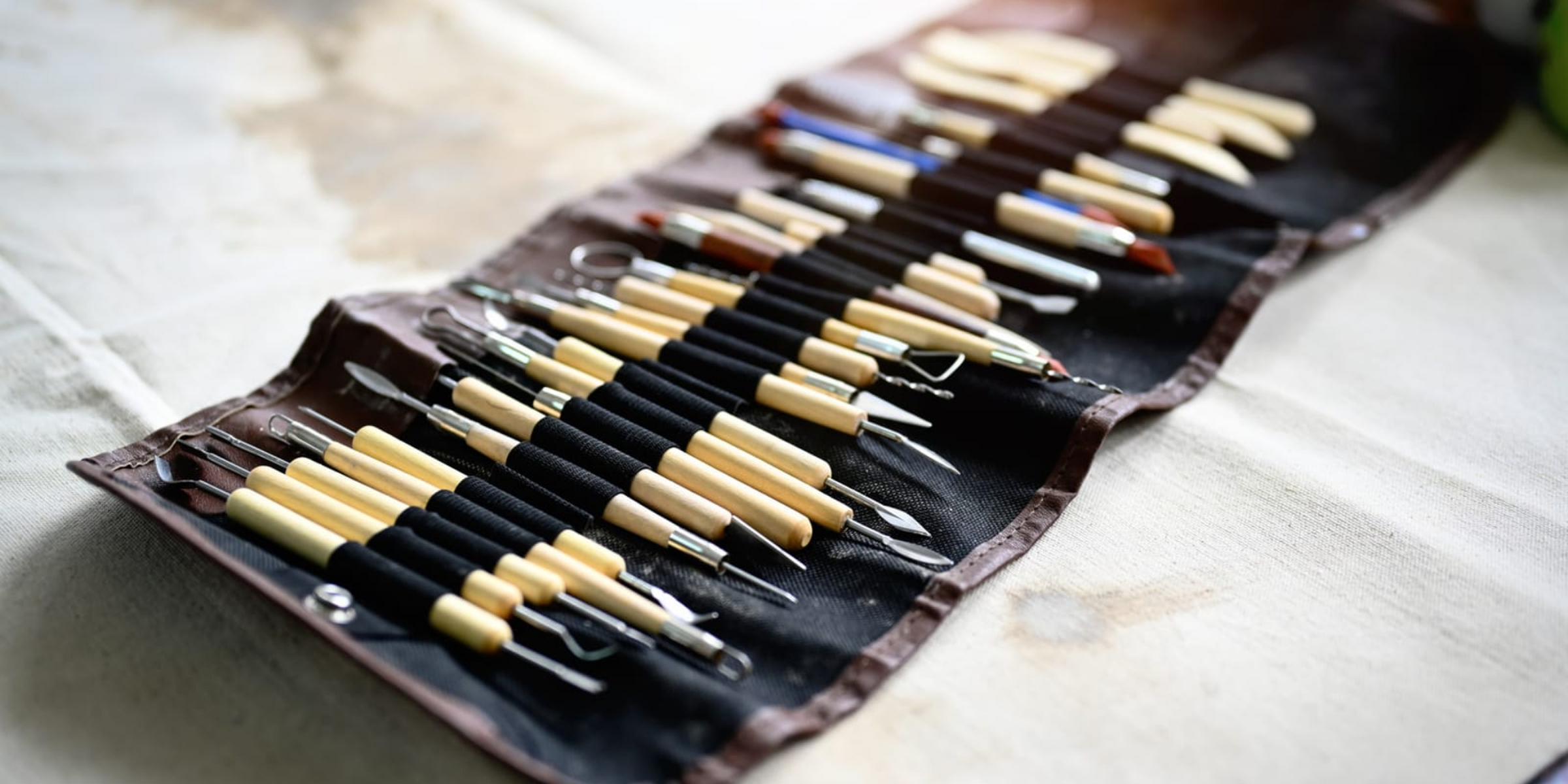
- Dedicated Tools: Use tools that are exclusively for polymer clay. Do not use your kitchen knives, cutting boards, or utensils for sculpting or mixing clay. This prevents accidental cross-contamination.
- Protect Your Surfaces: Cover your work surface with wax paper, parchment paper, a dedicated craft mat, or a ceramic tile. This protects your table from scratches and prevents clay residues from adhering.
- Ventilation: While polymer clay fumes during baking are generally minimal and non-toxic in typical home ovens, good ventilation is always a good practice. Open a window or use a fan if you’re sensitive.
Maintaining a clean and organized workspace not only improves your crafting experience but also minimizes any potential risks.
Baking Best Practices: Temperature Control is Key
Curing your polymer clay correctly is crucial for its durability and safety.
- Follow Manufacturer Instructions: Always adhere to the baking time and temperature specified by the clay manufacturer. These are tailored to the specific polymer blend.
- Use an Oven Thermometer: Oven temperatures can fluctuate significantly. An inexpensive oven thermometer is a valuable tool to ensure your oven is at the correct temperature, preventing under-baking (which can make the clay brittle) or over-baking (which can cause burning and unwanted fumes).
- Dedicated Oven (Optional but Recommended): While not strictly necessary, some crafters prefer to use a dedicated toaster oven for polymer clay projects. This completely eliminates any concerns about residual fumes or plasticizers accumulating in your main kitchen oven. If you use your kitchen oven, ensure it’s well-ventilated afterward.
Proper baking ensures your polymer clay projects are strong, durable, and cured to their optimal state, making them safer for their intended decorative use.
Hand Washing: A Simple Yet Critical Step
This might seem obvious, but it’s worth reiterating.
- Before and After: Always wash your hands thoroughly with soap and water before and after handling polymer clay. This prevents clay pigments and particles from getting into your mouth or on other surfaces, and also removes any oils or dirt from your hands that could transfer to your clay.
- Between Colors: Washing your hands between working with different colors can also help prevent accidental color transfer, keeping your creations crisp and vibrant.
Good hygiene is a simple yet effective way to maintain a safe and enjoyable crafting environment.
In conclusion, you now have a clear understanding of why polymer clay is not food-safe for direct contact and why the “non-toxic” label shouldn’t mislead you. You’re equipped with safe and stylish strategies to incorporate this versatile medium into your life, focusing on decorative applications. And when direct food contact is required, you know exactly which truly food-safe materials to turn to. Craft responsibly, create beautifully, and always prioritize safety!
FAQs
What is polymer clay?
Polymer clay is a type of modeling clay that hardens when baked in an oven. It is made from PVC (polyvinyl chloride) and a liquid plasticizer, making it a popular choice for crafting and sculpting.
Is polymer clay food safe?
Not all polymer clays are considered food safe. Some brands may contain ingredients that are not suitable for contact with food. It is important to look for polymer clay that is labeled as “food safe” or “non-toxic” if you plan to use it for creating items that will come into contact with food.
How can I make polymer clay food safe?
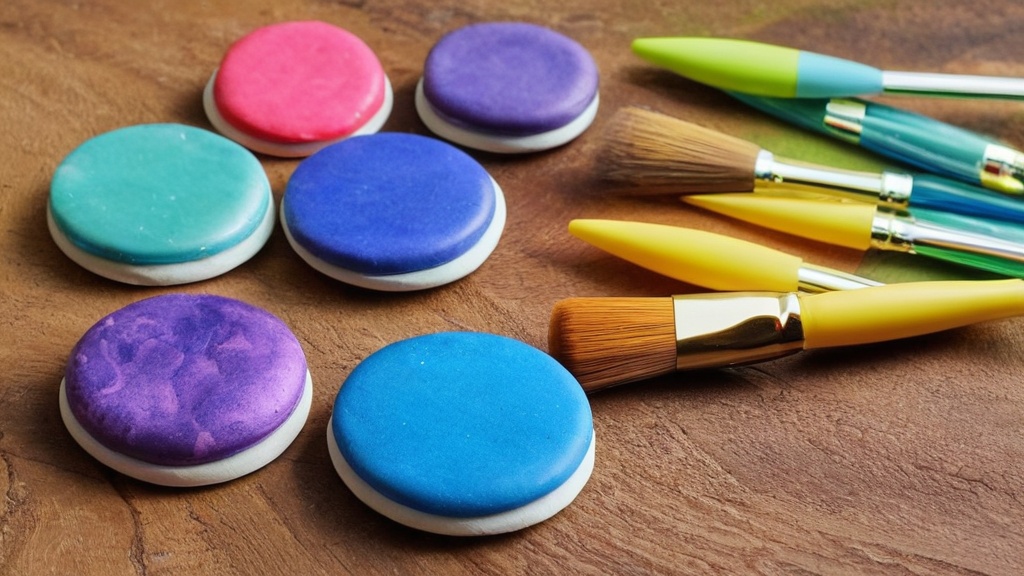
To make polymer clay food safe, it is recommended to use a sealant or varnish that is specifically designed for use with polymer clay. This will create a protective barrier between the clay and the food, making it safe for use with food items.
What are some food safe options for polymer clay?
There are several brands of polymer clay that are specifically labeled as food safe, such as Sculpey Souffle, Sculpey III, and Fimo Professional. These clays are formulated to be non-toxic and safe for use with food.
What should I avoid when using polymer clay for food items?
Avoid using polymer clay that is not labeled as food safe or non-toxic for items that will come into contact with food. Additionally, do not use polymer clay for items that will be used with hot food or beverages, as the heat can affect the clay and potentially release harmful chemicals.