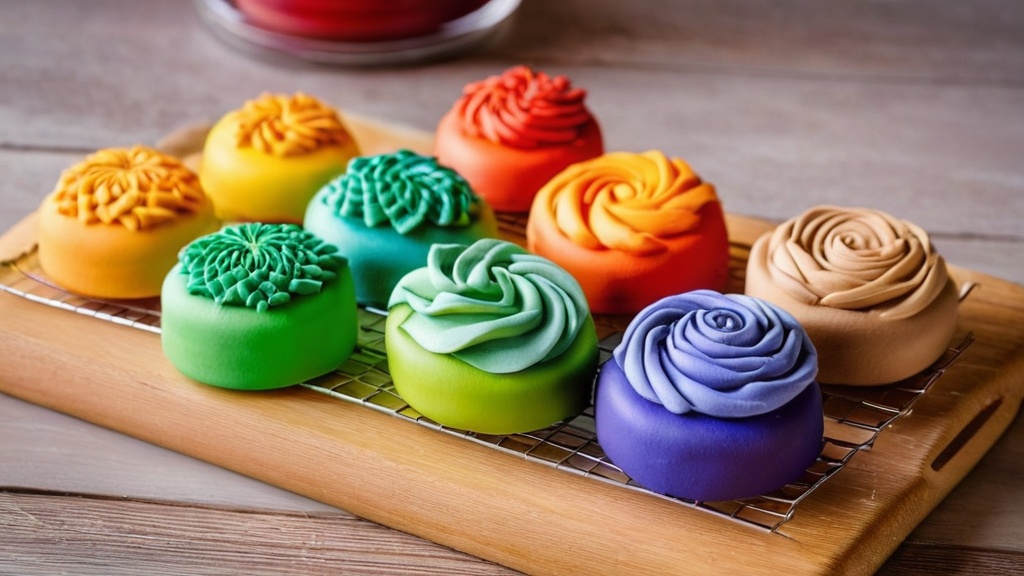
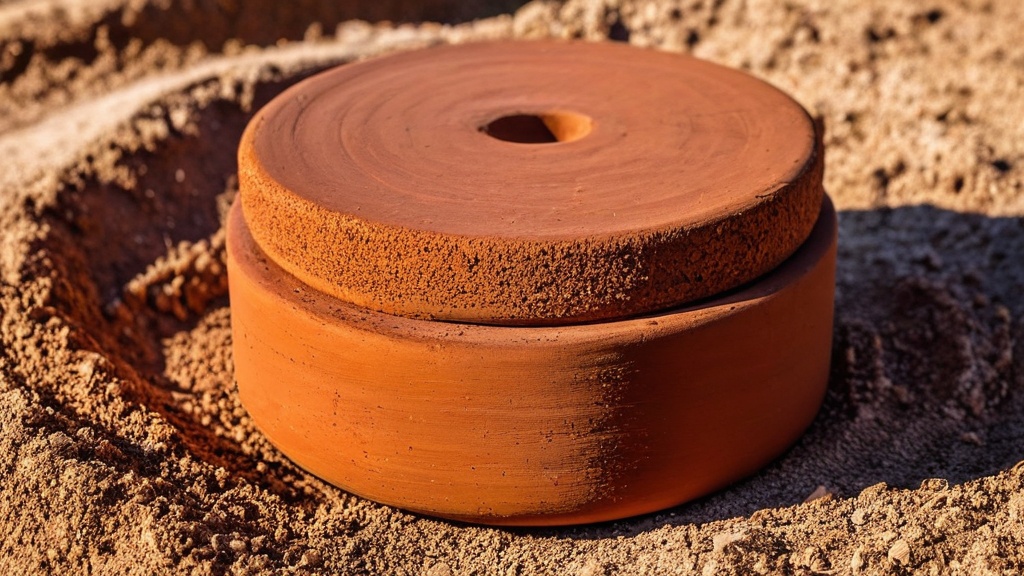
You’re standing at the craft store, staring at two seemingly similar blocks of clay. One is labeled “Air Dry Clay,” the other “Polymer Clay.” Your mind is buzzing with project ideas – a delicate miniature, a sturdy sculpture, perhaps some playful jewelry. But a crucial question lingers: how will the weight of your finished piece impact its functionality, its display, or even its wearability? This isn’t just about raw material; it’s about the fundamental properties that define each clay type and how those properties translate into tangible weight differences. Let’s delve into the fascinating world of clay weight, helping you make informed decisions for your next creative endeavor.
Unpacking the Raw Material: What Makes Them Tick (and Weigh) Differently?
Before you even start sculpting, you’re holding two distinct chemical compositions, each with its own inherent density. Understanding these foundational differences is key to grasping why your finished pieces will have such varying weights.
The PVC Powerhouse: Delving into Polymer Clay’s Composition
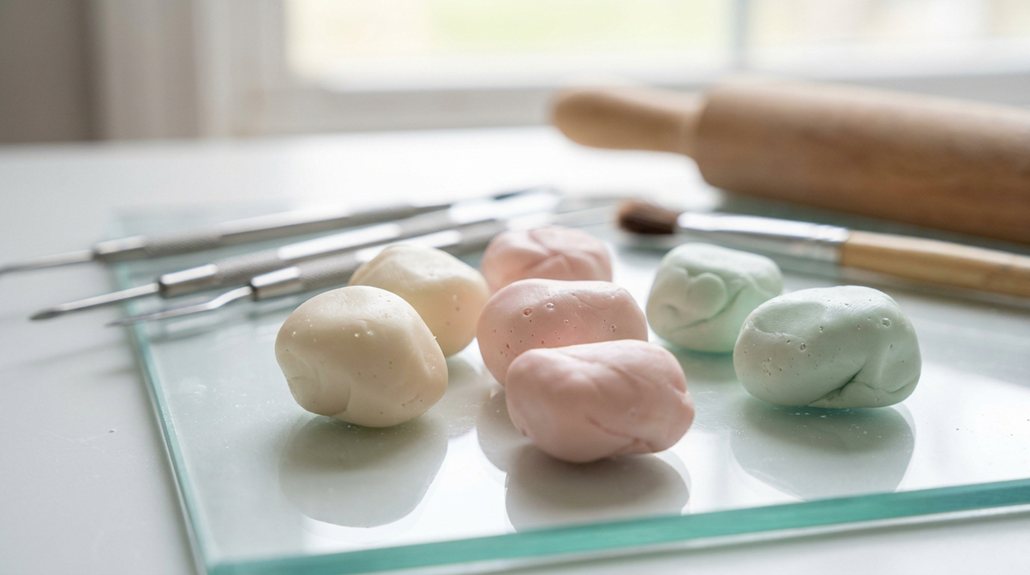
When you pick up a block of polymer clay, you’re essentially holding a marvel of modern chemistry. This isn’t your grandmother’s earthenware; it’s a synthetic material designed for durability and versatility.
- Polymer Clay: A Density Champion: You’ll quickly notice that polymer clay feels substantial in your hand. This isn’t an illusion. The core reason for this weight is its composition. Polymer clay, at its heart, is a PVC-based material. This means it’s made primarily from polyvinyl chloride, a type of plastic. Now, imagine a solid block of plastic – it’s dense, right? That density carries over to polymer clay. You’re working with a material that inherently packs more mass into a given volume. This is why, when you compare an equal-sized piece of polymer clay to an air dry clay, the polymer clay is generally the denser and heavier option. It’s simply got more “stuff” per cubic inch.
- Plasticizers: The Secret to Workability (and Density Contribution): Beyond the PVC, polymer clay also contains plasticizers. These are additives that make the rigid PVC flexible and workable at room temperature. They essentially lubricate the polymer chains, allowing them to slide past each other, giving you that pliable consistency you love to sculpt with. While their primary role is to enhance workability, these plasticizers also contribute to the overall mass and density of the clay. They’re not just empty fillers; they’re integral components that add to the material’s weight. So, when you’re sculpting intricate details with polymer clay, you’re working with a material that, due to its chemical makeup, is predisposed to be on the heavier side.
The Earthy & Fibrous Blends: Exploring Air Dry Clay’s Make-up
Now, shift your focus to air dry clay. This material offers a completely different tactile experience and, consequently, a different weight profile. It’s often perceived as more “natural,” even if many modern formulations include synthetic binders.
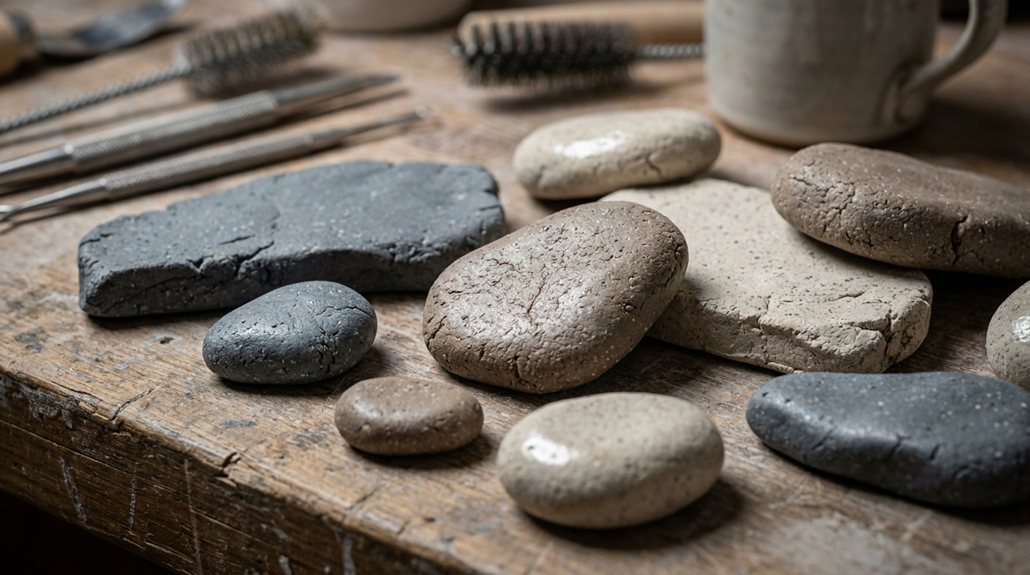
- Air Dry Clay: A Spectrum of Fillers: Unlike the relatively uniform composition of polymer clay, air dry clay is a bit of a chameleon. Its weight and texture can vary significantly because different brands and formulas employ diverse fillers. You might encounter air dry clays that are based on mineral fillers, like natural clays (kaolin, bentonite). These can feel quite earthy and dense initially. Then there are paper-based air dry clays, which incorporate paper pulp for added strength and, crucially, a lighter weight. Some formulations even use synthetic fibers or other lightweight aggregates. This variety means that while a general statement can be made, the exact weight of air dry clay will always be somewhat brand-dependent. A paper-based air dry clay will feel significantly lighter than a mineral-based one, even before drying.
- The Role of Binders: Holding it All Together (and Adding Some Weight): To make these diverse fillers cohesive, air dry clays contain binders. These are typically glues or resins that solidify as the water evaporates, holding the clay structure together. While these binders contribute to the overall weight, they generally do so to a lesser extent than the dense PVC and plasticizers in polymer clay. The primary determinant of air dry clay’s weight lies more in the nature of its fillers. So, you’re looking at a material whose weight profile is highly customizable by manufacturers, allowing for a wide range of lightweight options.
The Drying Dilemma: How Water Evaporation Transforms Weight
Here’s where the plot thickens, especially for air dry clay. What starts as a weighty, pliable mass can end up as a surprisingly light object. This transformation is a critical factor you must consider when choosing your clay.
The Great Evaporation Act: Air Dry Clay’s Weight Loss Journey
Imagine a sponge soaked in water. It’s heavy, right? As the water drips out and evaporates, the sponge becomes much lighter. Air dry clay undergoes a similar, albeit more permanent, process.
- Initial Weight: Water is the Culprit: When you first unwrap a fresh block of air dry clay, it feels surprisingly heavy. This initial heft is largely due to its water content. Water is a significant component in air dry clay formulations, providing the plasticity and workability you need to sculpt. Without it, the clay would be a dry, crumbly mess. So, initially, your air dry clay piece will feel substantial because you’re literally working with a water-laden material. Don’t be fooled by this initial weight; it’s a temporary state.
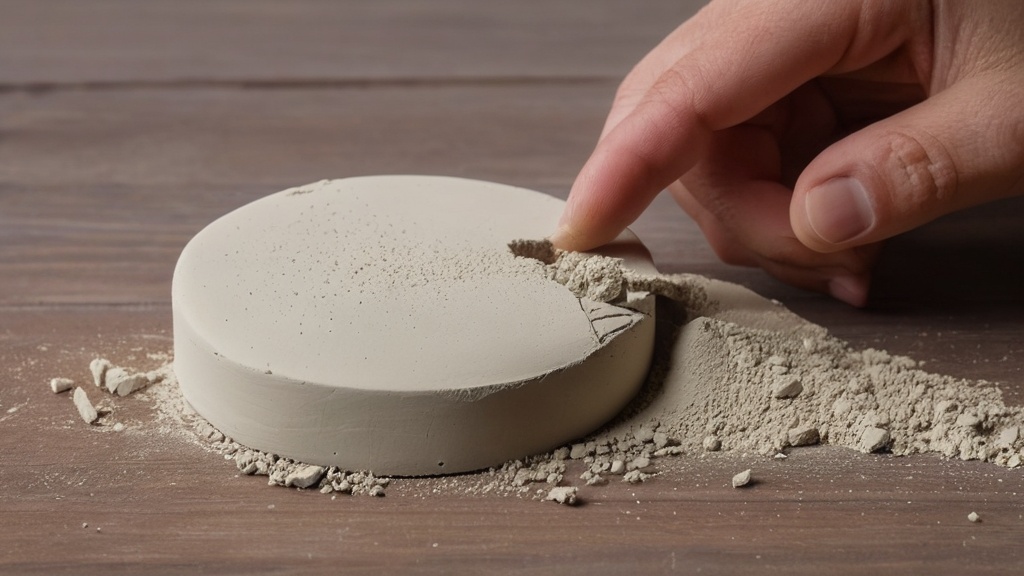
- The Post-Drying Revelation: Shedding the H2O: As your air dry clay creation sits and cures, the magic happens. The water within the clay gradually evaporates into the air. As this moisture leaves the structure, the clay solidifies, and its weight dramatically decreases. This is a fundamental characteristic of air dry clay: it actively loses mass as it dries. Therefore, while it might start heavier than an equivalent polymer clay piece due to its water content, it becomes noticeably lighter once fully dry. This weight reduction is a key selling point for those creating large decorative items or lightweight jewelry where mass is a concern. You’re effectively working with a material that self-lightens.
Polymer Clay: A Constant in the Weight Equation
In stark contrast to air dry clay, polymer clay maintains a much more consistent weight profile. Once you’ve sculpted it, its weight remains largely unchanged through the curing process.
- Pre-Cure vs. Post-Cure: Minimal Weight Change: When you finish sculpting with polymer clay, its weight is essentially its final weight. Unlike air dry clay, polymer clay doesn’t contain a significant amount of water that needs to evaporate. The “curing” process for polymer clay involves baking it in an oven, which causes the plastic particles to fuse together (a process called polymerization). This chemical change doesn’t involve the loss of a volatile component like water. Consequently, the weight of your polymer clay creation before baking will be almost identical to its weight after baking. Any minuscule weight change would be due to the evaporation of trace amounts of plasticizers, but this is negligible compared to the water loss in air dry clay. This predictability in weight is a distinct advantage for projects where precise weight is a critical factor from the outset.
Practical Applications: Where Weight Really Matters
Now that you understand the underlying science, let’s explore how these weight differences translate into real-world crafting scenarios. Your choice of clay can significantly impact the feasibility and success of your project.
Decor and Figurines: The Air Dry Advantage
When you’re creating objects meant for display, especially larger pieces, the weight of the finished product becomes a crucial consideration.
- Lightweight for Easy Display: Imagine crafting a sprawling wall hanging or a delicate mantelpiece sculpture. If you’re using a heavy material, you’ll need robust hanging mechanisms or exceptionally sturdy shelves. This is where air dry clay shines. Because it is often described as lightweight once fully dry, it’s an ideal choice for decor and figurines. You can create substantial-looking pieces without the associated heft. This makes them easier to move, safer to display on less robust surfaces, and simpler to ship if you’re selling your creations. The intrinsic lightness allows for more ambitious designs without the worry of structural strain. Think large decorative bowls or whimsical figurines that won’t topple over at the slightest bump.
- Kid-Friendly Projects: Safety First: For projects involving children, safety and manageability are paramount. Air dry clay fits this bill perfectly. Its lightweight nature makes it easy for little hands to manipulate and for finished projects to be handled without the risk of heavy objects falling or breaking delicate surfaces. Furthermore, the absence of an oven-baking step adds another layer of safety, making it a truly kid-friendly medium. They can create, display, and play with their creations without adult supervision for the curing process. This is why you’ll often find air dry clay recommended for school projects and craft activities with young artists.
Jewelry Making: The Polymer Clay Predicament (and Possibilities)
Jewelry is a prime example where weight directly impacts wearability and comfort. The heavier the piece, the less comfortable it is to wear for extended periods.
- Necklaces & Earrings: The Weighty Debate: If you’re designing earrings, a heavy material can stretch earlobes and become uncomfortable. For necklaces, excessive weight can feel cumbersome around the neck. This is where polymer clay, being generally denser and heavier for the same volume, can present a challenge. While polymer clay is incredibly versatile for jewelry, you, as the creator, need to be mindful of piece size and thickness. A large, thick polymer clay pendant will undoubtedly be heavier than a similarly sized air dry clay pendant. You might need to adjust your designs, opting for thinner pieces or incorporating hollow structures to reduce the overall mass.
- The Lighter Side of Polymer Clay: Techniques to Reduce Weight: Despite its inherent density, polymer clay isn’t entirely without lightweight possibilities for jewelry. Clever techniques can mitigate its weight. For instance, you can create hollow beads or pendants, significantly reducing the amount of clay used. You can also incorporate inclusions like mica powders or glitters that add visual interest without adding substantial weight. Furthermore, some brands of polymer clay are formulated to be lighter than others, so exploring different lines can be beneficial. It’s about working with the material’s properties rather than against them. You can achieve beautiful, durable jewelry with polymer clay, but it requires an awareness of its weight profile.
The Weight-to-Volume Ratio: A Direct Comparison
Let’s get down to brass tacks. When you hold an identical volume of each clay type, the difference in weight becomes unequivocally clear. This isn’t just anecdotal; it’s a consistent characteristic.
The Denser Choice: Polymer Clay’s Dominance
Imagine a small, perfectly cubed piece of polymer clay. Now imagine an identical cube of fully dried air dry clay.
- Polymer Clay: The Heavyweight Per Equal Volume: When you put them on a scale, you’ll find that the polymer clay cube consistently outweighs the air dry clay cube. This is because polymer clay is generally denser and heavier for the same volume. Its tightly packed PVC and plasticizers simply occupy less space while containing more mass. This inherent density is a defining characteristic. If you’re making something small but needing to feel substantial, polymer clay offers that solidity. It feels more robust and less delicate, which can be an advantage depending on your project’s requirements.
- Implications for Small, Sturdy Creations: This density makes polymer clay an excellent choice for small, intricate items where durability and a certain “heft” are desired. Think miniature food, dollhouse accessories, or small, standalone sculptures that need to resist accidental bumps without feeling flimsy. The weight contributes to a sense of quality and longevity.
The Lighter Alternative: Air Dry Clay’s Appeal
Conversely, the same visual comparison highlights air dry clay’s lightness.
- Air Dry Clay: The Featherweight Once Dry: Once fully cured, an equal-sized piece of air dry clay will almost invariably be lighter than its polymer clay counterpart. This is the result of the water evaporation we discussed earlier, combined with the often lighter fillers used in its composition. It’s like the difference between a solid block of wood and a block of balsa wood – both are wood, but their densities (and thus weights) differ significantly. This lightness is its charm and its primary differentiator in many applications.
- Enabling Large-Scale, Low-Impact Projects: This inherent lightness opens up possibilities for larger creations that would be impractical with heavier materials. Imagine building a large, ornate centerpiece for a wedding or an elaborate diorama. Using air dry clay means these pieces will be manageable to transport, less likely to damage surfaces, and easier to hang or display. It allows you to think bigger without the logistical nightmares associated with excessive weight.
Brand and Formula Specifics: Not All Clays Are Created Equal
While we’ve discussed general rules, it’s vital to remember that the world of clay is incredibly diverse. Manufacturers constantly innovate, and their specific formulas can subtly (or dramatically) alter the weight profiles of their products.
The Air Dry Clay Spectrum: From Paper to Mineral
You’ll find a surprising range of weights within the air dry clay category itself, primarily due to the fillers used.
- Paper-Based: The Ultimate Lightweights: Some air dry clays are formulated with a high proportion of paper pulp. These paper-based air dry clays are exceptionally lightweight, even when wet, and become even lighter after drying. They often have a slightly fibrous texture and are perfect for projects where minimal weight is the absolute priority, such as masks, delicate mobiles, or ultra-light decorative elements. If you need something that barely registers on a scale, look for paper-based options.
- Mineral and Fiber-Based: Varying Degrees of Density: Other air dry clays might use traditional mineral fillers (like natural clay) or synthetic fibers. These will generally be heavier than paper-based air dry clays, though still lighter than polymer clay once dry. The specific blend of fillers will dictate the final density. A heavily mineral-loaded air dry clay will feel more substantial and perhaps more “earthy” than a lighter, fiber-filled version. Always check the product description or, if possible, feel the clay in person to gauge its initial density and texture.
Polymer Clay Varieties: Small Weight Differences, Big Impact on Feel
While polymer clay is generally dense, there can be subtle variations between brands and lines.
- Specific Brands and Their Density Profiles: Some polymer clay brands might feel slightly softer or firmer, which can sometimes correlate with minor differences in plasticizer content and, therefore, a slight variation in density. While these differences are less dramatic than those seen in air dry clay, an experienced polymer clay artist might notice them. For instance, certain “professional” lines might feel denser and more robust than some “craft” lines, even if the overall weight difference for small pieces is negligible to the casual observer.
- “Lightweight” Polymer Clays: A Niche Market: You might occasionally encounter polymer clays marketed as “lightweight.” These are specialized formulations designed to be less dense than standard polymer clays, often achieved by incorporating micro-balloons or other lightweight fillers. While still generally denser than dried air dry clay, they offer a lighter alternative within the polymer clay family, catering to specific needs like large earrings or delicate suspended sculptures where some flexibility is needed without excessive weight.
Ultimately, your choice between air dry clay and polymer clay regarding weight comes down to your project’s specific needs. For lightweight decor, kid-friendly crafts, or large sculptural pieces where minimal mass is key, air dry clay (especially the paper-based varieties) is your champion. For small, durable, and solid creations where a bit of heft is desired, and for intricate jewelry where strength is paramount (and you’re willing to manage the weight), polymer clay stands out. By understanding the inherent properties and the transformative power of drying, you can confidently select the perfect clay to bring your creative visions to life.
FAQs
What is air dry clay?
Air dry clay is a type of clay that hardens when left to dry in the air, without the need for baking or firing in a kiln. It is typically made from natural materials such as clay, minerals, and water.
What is polymer clay?
Polymer clay is a type of synthetic clay that must be cured in an oven to harden. It is made from PVC (polyvinyl chloride) and a liquid plasticizer, which gives it a malleable and workable texture.
What is the weight difference between air dry clay and polymer clay?
Air dry clay is generally lighter in weight compared to polymer clay. This is because air dry clay contains more natural materials and less synthetic components, resulting in a lighter finished product.
Which type of clay is better for larger projects that require less weight?
For larger projects that require less weight, air dry clay is often preferred due to its lighter weight compared to polymer clay. This makes it easier to work with and less likely to cause strain on the finished project.
Which type of clay is better for detailed and intricate projects?
Polymer clay is often preferred for detailed and intricate projects due to its ability to hold fine details and textures. Its firm and smooth texture allows for precise sculpting and detailing, making it a popular choice for intricate designs.