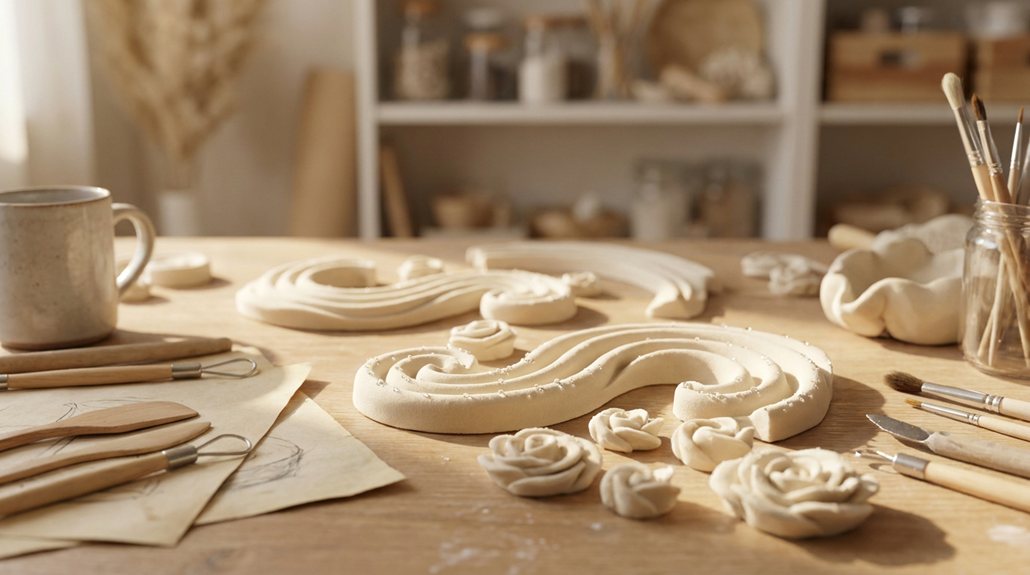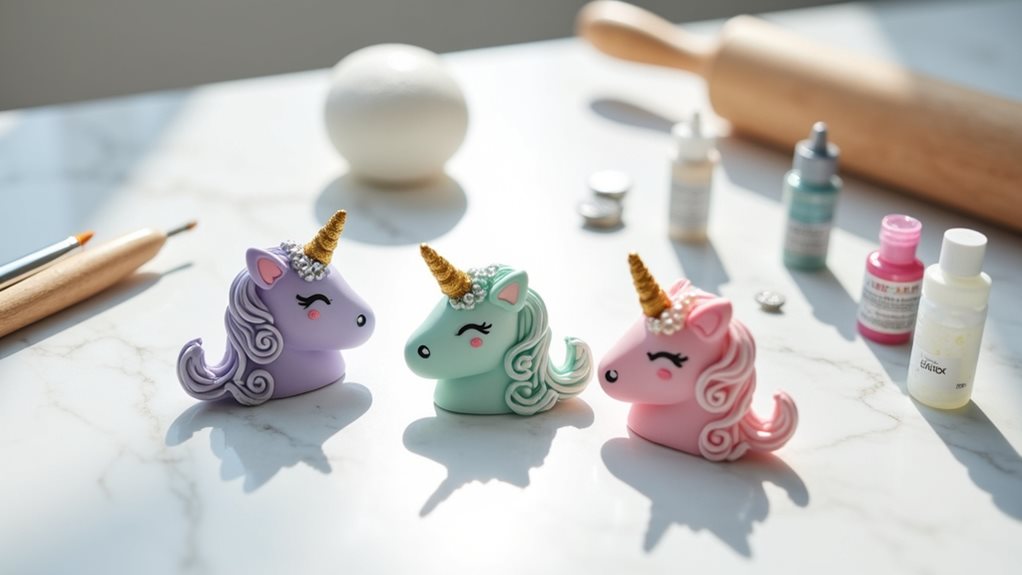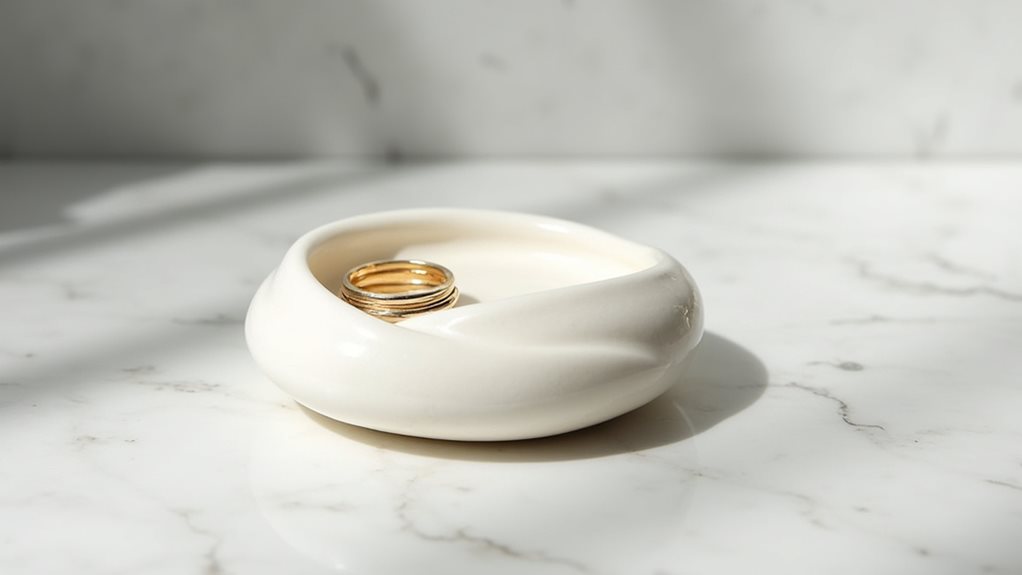
When you first envision yourself creating something with clay, the possibilities shimmer before you. You might picture delicate sculptures, functional pottery, or whimsical decorative pieces. But before you even touch a lump of earth, a crucial decision looms: which type of clay will be your partner in creation? This is where you’ll encounter the dynamic duo of the craft: air dry clay and ceramic clay. They might look similar in their raw, pliable state, but their journeys of transformation and their ultimate destinies are vastly different. Understanding these distinctions is the first step to ensuring your artistic vision translates into a lasting reality.
Embracing the Effortless Transformation of Air Dry Clay
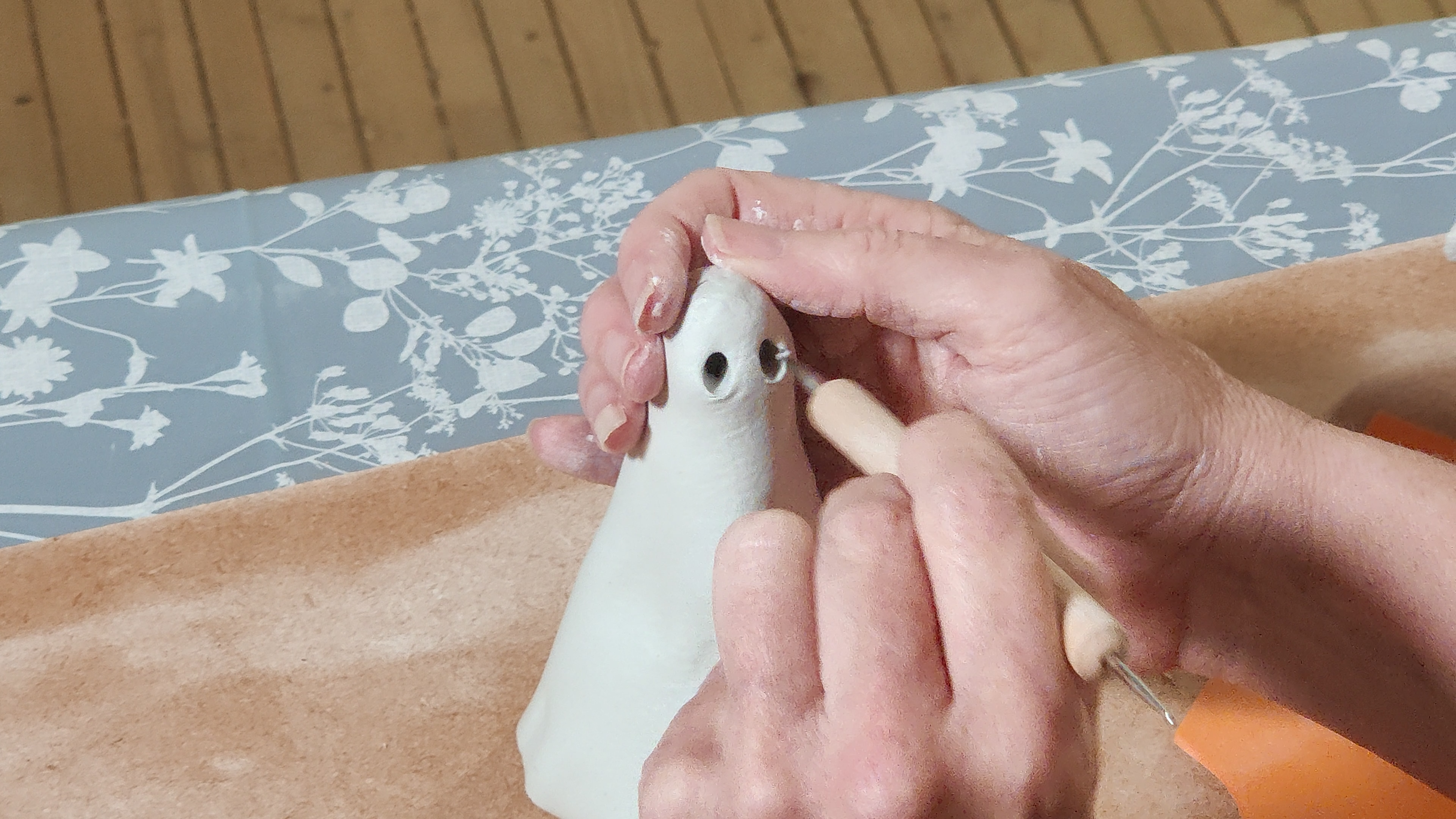
Imagine a clay that lets you bypass the fiery crucible. This is the allure of air dry clay. You can sculpt it, shape it, build upon it, and then, with a sigh of relief, simply set it aside to harden. It’s the accessible, beginner-friendly route, a gateway into the tactile world of clay manipulation without the commitment of a kiln.
The Magic of Evaporation: How it Hardens
The fundamental difference, and perhaps the most defining characteristic, of air dry clay lies in its hardening process. Unlike its kiln-fired cousin, air dry clay doesn’t undergo a chemical metamorphosis. Instead, it relies on the simple, yet powerful, force of moisture evaporation. As the water mixed within the clay mixture gradually dissipates into the surrounding air, the tiny particles of clay begin to draw closer together. This physical process causes the clay to shrink and solidify, transforming from a soft, pliable material into a firm, rigid form. There’s no need for specialized equipment, no soaring temperatures – just time and the natural environment. This ease of hardening is a significant draw for many aspiring artists, eliminating a potential barrier to entry.
Workability and Rejuvenation: The Clay That Forgives
One of the most forgiving aspects of air dry clay is its remarkable workability, even after it has begun to dry. If you find yourself needing to add a new element to a piece that has already started to firm up, you generally won’t face significant challenges. You can often dampen the surface of the dried clay and then smoothly attach new pieces, creating a seamless bond. This makes it incredibly forgiving for mistakes or for refining your design as you go. Even if you notice a small crack or imperfection developing as the clay dries, repairing it is often a straightforward process. A little water, a gentle touch, and perhaps a bit of excess clay can be used to smooth over the issue, making it almost disappear. This inherent flexibility allows for a more intuitive and iterative creative process, where you can experiment and adjust without fear of irreversible damage.
Armatures: Giving Support to Your Structures
When you’re working on larger or more delicate structures, especially those with thin projecting elements, the concept of an armature becomes important. An armature, in essence, is an internal support system that helps your clay creation maintain its shape and integrity during the drying process. Air dry clay is particularly adept at integrating these armatures. You can embed materials like wire, cardboard, or even crumpled newspaper directly into the clay as you build your sculpture. As the air dry clay hardens around these supports, they become an integral part of the finished piece, providing crucial structural reinforcement. This allows you to create more ambitious and intricate forms that might otherwise succumb to gravity or their own weight. You have the freedom to explore dramatic poses and extended forms, knowing that your armature will provide the necessary backbone for your artistic expression.
The Finish Line: Painting, Not Glazing
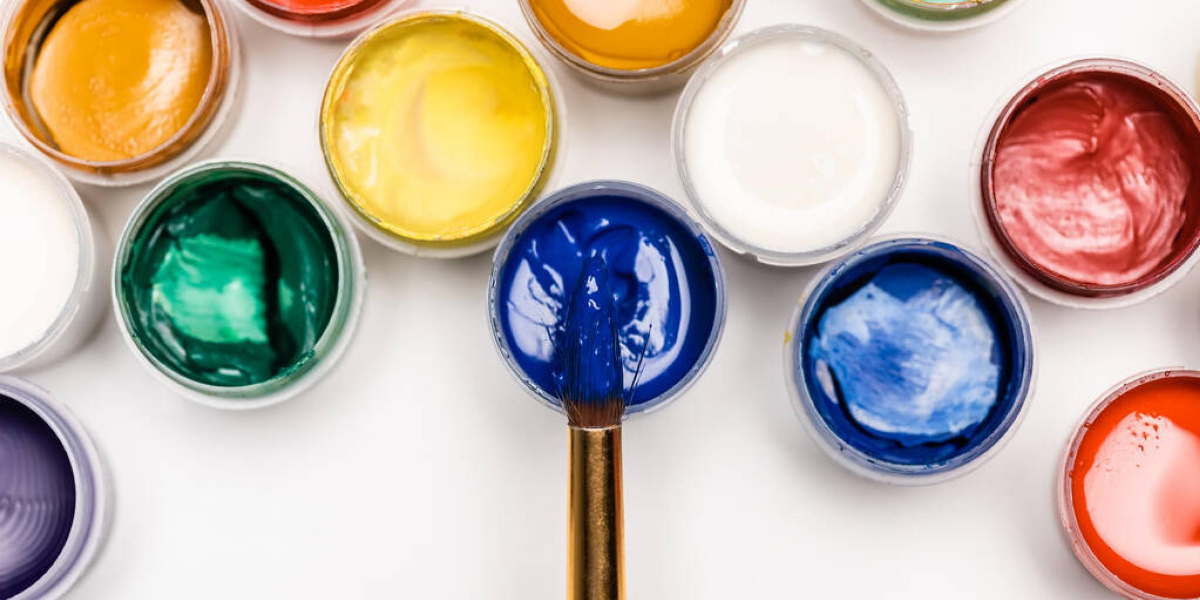
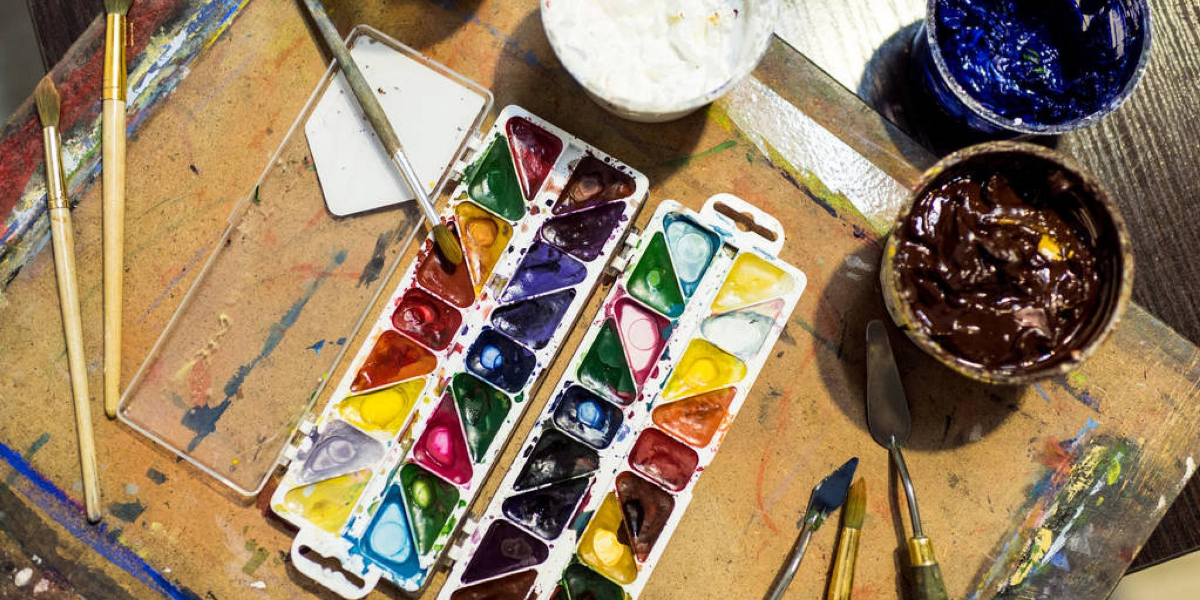
Once your air dry clay piece has fully hardened, you’re faced with the task of finishing it. Here, you’ll encounter another significant divergence from ceramic clay. Air dry clay cannot be fired, and therefore, it cannot be glazed in the traditional sense. Instead, its surface is typically enhanced through painting. You can use a wide range of paints, from acrylics to tempera, to bring your creation to life with color. You can also apply sealants or varnishes to offer a degree of protection and a different sheen. However, it’s crucial to understand that even with these finishes, air dry clay remains fundamentally porous. This means it will never achieve the watertight or food-safe qualities that fired ceramics can possess. The finish is primarily aesthetic, a decorative layer rather than a functional barrier.
The Enduring Legacy of Ceramic Clay
Now, let’s turn our attention to the venerable material that has shaped civilizations and graced homes for millennia: ceramic clay. This is the clay that demands patience, respect, and the transformative power of fire. When you choose ceramic clay, you’re embarking on a journey that leads to objects of incredible strength, permanence, and functional beauty.
The Alchemy of Firing: Vitrification in the Kiln
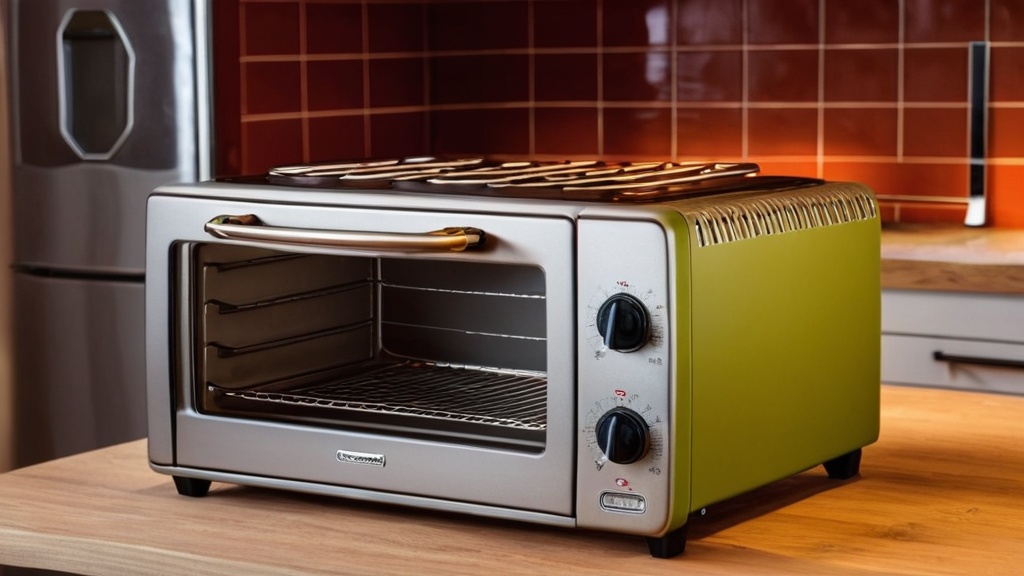
The heart of ceramic clay’s enduring nature lies in its transformation within the intense heat of a kiln. This process, known as vitrification, is a profound chemical change. When subjected to temperatures typically ranging from 1,800°F to 2,400°F (approximately 982°C to 1,316°C), the silica and other minerals within the clay fuse together. This fusion creates a glassy, non-porous material that is incredibly strong and durable. It’s not simply drying; it’s a fundamental alteration of the clay’s molecular structure. This fiery metamorphosis is what imbues ceramic pieces with their legendary longevity.
Unmatched Durability and Timeless Appeal
The strength and resilience of fired ceramic clay are its crowning achievements. Once the vitrification process is complete, ceramic pieces possess a compressive strength that can be 40% to 60% higher than air-dried clay. This makes them remarkably resistant to breakage and wear. Furthermore, the non-porous nature of fired ceramic, especially when glazed, renders it waterproof. This impermeability is what allows ceramic objects to withstand the ravages of time, often lasting for thousands of years. Think of ancient pottery unearthed from archaeological sites – a testament to the enduring power of fired clay. This inherent durability means that pieces crafted from ceramic clay can become heirlooms, passed down through generations, retaining their beauty and functionality.
Water and Food Safety: A Commitment to Purity
For those who dream of creating functional tableware, the distinction between air dry and ceramic clay becomes paramount, especially concerning water and food safety. Ceramic clay, when properly fired and glazed, becomes food-safe and waterproof. The glazing process seals the porous surface, preventing liquids from penetrating and ensuring that no harmful substances leach into food or drinks. This makes ceramic bowls, plates, and cups not only beautiful but also entirely safe for daily use. Air dry clay, on the other hand, fundamentally remains porous, even after painting or sealing. It cannot hold water without degradation, and it is never safe for food consumption, regardless of the decorative finishes applied.
The Art of Joining: Slip and Score
Working with ceramic clay requires a different approach to joining pieces, particularly when dealing with wet clay. The time-honored technique of slip and score is essential for creating strong bonds. Slip is essentially a liquid mixture of clay and water, acting as a potent adhesive. You score, or create small cross-hatched lines, on the surfaces you wish to join. Then, you apply slip to one or both scored surfaces and press the pieces together. This method ensures that the clay particles fuse during firing, creating a bond that is as strong as the clay itself. Once a ceramic piece has dried or, more critically, been fired, repairing cracks becomes a significantly more challenging endeavor, often requiring specialized epoxies or even being deemed irreparable, highlighting the importance of careful construction from the outset.
The Challenge of Armatures
While armatures are a boon to air dry clay sculptures, they present a significant hurdle for ceramic clay. The intense heat of the kiln, necessary for vitrification, would cause most common armature materials – such as metal wire or even wood – to melt, warp, or burn. This means that when working with ceramic clay, especially for larger or more complex pieces, you often need to rely on the inherent strength of the clay itself, or on clever structural design, to support your creation. This limitation encourages a different kind of sculptural thinking, focusing on the material’s own capabilities rather than external supports.
The Lustrous Appeal of Glazing
The aesthetic possibilities of ceramic clay are vastly expanded by the art of glazing. Glazes are essentially powdered glass suspended in a liquid medium. When applied to unfired or partially fired ceramic pieces and then fired in the kiln, the glaze melts and fuses with the clay body, creating a smooth, glass-like surface. This not only adds color and visual interest but also contributes to the impermeability and durability of the piece. Professional glazes offer a spectrum of finishes, from high gloss and matte to textured and crackled, allowing for a level of refinement and aesthetic control that is simply unattainable with air dry clay.
The Economic Equation: Initial Cost vs. Enduring Value
When you consider the cost of clay, a nuanced picture emerges. Ceramic clay is generally cheaper per pound, often ranging from $0.50 to $1. However, this material cost is only part of the equation. The significant investment in a kiln, along with the electricity required to operate it, represents a substantial upfront and ongoing expense. Air dry clay, while more expensive per pound ($3 to $8), eliminates the need for these costly pieces of equipment. For the occasional crafter, the hobbyist working on small projects, or those who simply want to avoid the complexity of firing, air dry clay can be the more economical choice. However, when you factor in the longevity, durability, and functional potential of fired ceramic, the initial investment in a kiln can be recouped over time through the creation of pieces that offer lasting value.
Choosing between air dry clay and ceramic clay is not about one being inherently “better” than the other. It’s about understanding their individual strengths, their unique transformation processes, and the ultimate purpose you envision for your creations. Air dry clay offers accessibility and immediate gratification, allowing you to explore your artistic impulses without the need for specialized equipment. It’s perfect for quick crafts, teaching children, or creating decorative items that don’t require exceptional durability. Ceramic clay, on the other hand, is the choice for those who seek permanence, functionality, and a connection to a time-honored tradition. It’s the material for creating art that can withstand the test of time, objects that can be used in daily life, and pieces that carry the enduring magic of fire. So, before you pick up your tools, consider the journey your clay will take, and choose the path that will best bring your creative dreams to fruition.
FAQs
What is the difference between air dry clay and ceramic clay?
Air dry clay is a type of clay that dries and hardens without the need for a kiln or high temperatures, while ceramic clay requires firing in a kiln to become hard and durable.
Can air dry clay be fired in a kiln like ceramic clay?
No, air dry clay cannot be fired in a kiln like ceramic clay. It is designed to dry and harden at room temperature, while ceramic clay requires high temperatures in a kiln to become fully hardened.
What are the advantages of using air dry clay over ceramic clay?
Air dry clay is more convenient to use as it does not require a kiln for firing, making it suitable for home use. It is also more lightweight and easier to work with compared to ceramic clay.
What are the advantages of using ceramic clay over air dry clay?
Ceramic clay produces more durable and long-lasting results compared to air dry clay. It is also more suitable for functional pottery and items that need to withstand heat or moisture.
Can air dry clay and ceramic clay be used together in the same project?
It is not recommended to use air dry clay and ceramic clay together in the same project, as they have different properties and require different methods of drying and firing. Mixing the two types of clay may result in uneven drying and potential cracking.