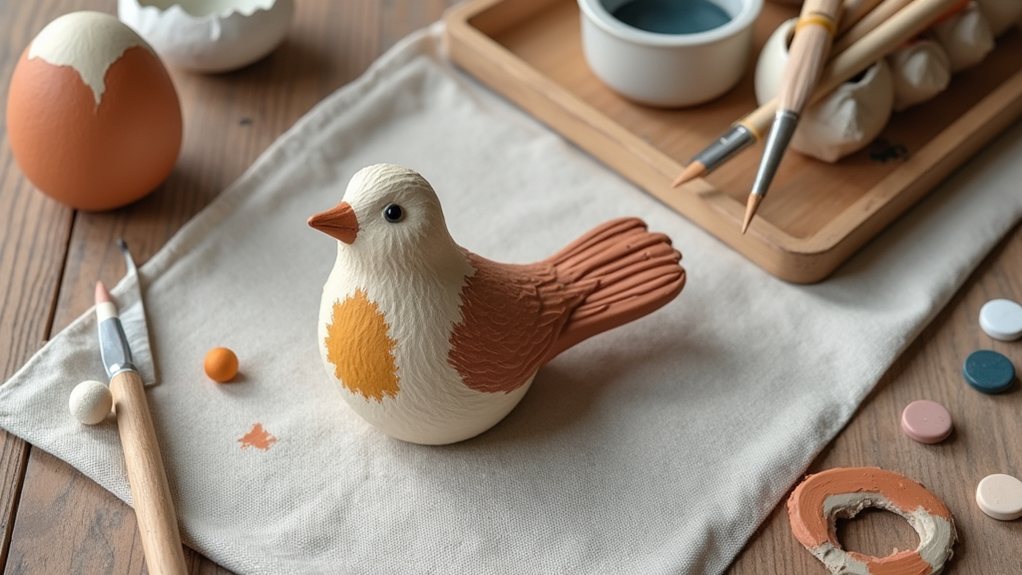
You’ve seen it on social media, in craft stores, and perhaps even in your child’s art class: air dry clay. This versatile material has soared in popularity, promising a world of creative possibilities without the need for expensive kilns or specialized equipment. But is it truly the miracle medium it’s often portrayed to be? As you delve deeper into any new craft, it’s crucial to understand both its strengths and its limitations. This guide will walk you through the essential pros and cons of air dry clay, helping you decide if it’s the right material for your next artistic endeavor.
When you first encounter air dry clay, its immediate appeal lies in its straightforward nature. Unlike traditional ceramic clays that demand specific firing temperatures and elaborate setups, air dry clay offers a more accessible entry point into sculptural art. This ease of use is a significant factor in its widespread adoption.
Effortless Entry into the World of Sculpture
Imagine wanting to create a small decorative dish or a custom jewelry piece. With
FAQs
What are the advantages of using air dry clay?
Air dry clay is convenient to use as it does not require baking or firing in a kiln. It is also lightweight, making it easy to work with and suitable for creating delicate designs. Additionally, air dry clay is relatively inexpensive and readily available in various colors.
What are the disadvantages of using air dry clay?
One of the main drawbacks of air dry clay is its tendency to crack or break if not handled carefully. It also has a shorter shelf life compared to other types of clay, as it can dry out and become unusable if not stored properly. Additionally, air dry clay may not be as durable as other types of clay when it comes to long-term use.
Is air dry clay suitable for all types of projects?
Air dry clay is versatile and can be used for a wide range of projects, including sculpting, jewelry making, and home decor. However, it may not be the best choice for projects that require extreme durability or resistance to water, as air dry clay can be more prone to damage in these situations.
How long does air dry clay take to dry?
The drying time for air dry clay can vary depending on factors such as the thickness of the clay and the humidity of the environment. In general, air dry clay can take anywhere from 24 hours to several days to fully dry and harden.
Can air dry clay be painted and sealed?
Yes, air dry clay can be painted with acrylic paints or other water-based paints once it has fully dried. It can also be sealed with a clear varnish or sealant to protect the surface and enhance the finished appearance of the project.