You’ve probably spent hours meticulously crafting your polymer clay creation. You’ve mixed the perfect colors, sculpted intricate details, and baked it to perfection. Now comes the finishing touch: protecting your masterpiece. Perhaps you’ve heard whispers of Mod Podge, that ubiquitous craft glue and sealer, being a potential option. You’re wondering, “Will Mod Podge work on polymer clay?” Let’s dive deep and explore this question, so you can make informed decisions about protecting your precious polymer clay art.
Before we address its suitability for polymer clay, it’s essential to understand what Mod Podge actually is and what it’s designed to do. Mod Podge is a versatile all-in-one glue, sealer, and finish. It’s water-based and typically dries clear, making it a popular choice for a wide range of craft projects. Its primary functions include:
The “Glue” Aspect
As a glue, Mod Podge is excellent for adhering paper, fabric, and other lightweight materials to various surfaces. It’s the backbone of decoupage, allowing you to seamlessly transfer intricate designs from paper onto objects like boxes, furniture, and even ornaments. You apply it to the surface, lay down your paper or fabric, and then apply another layer of Mod Podge on top to seal it.
The “Sealer” Aspect
Mod Podge also acts as a sealer, creating a protective barrier over your glued-on elements. This seals the edges of your paper or fabric, preventing them from peeling and providing a layer of protection against minor wear and tear. You’ll often find it used to enhance the longevity of crafts that aren’t subjected to heavy use or harsh conditions.
The “Finish” Aspect
In its different formulations, Mod Podge can also provide a glossy, matte, or satin finish. This is where the aesthetic appeal comes in. A glossy finish can make colors pop, while a matte finish offers a more subdued, sophisticated look. This ability to alter the surface appearance is a key reason why crafters flock to it.
The Crucial Question: Mod Podge on Polymer Clay – A Nuanced Answer
So, can you slather that familiar white glue onto your beautifully baked polymer clay? The short answer is: yes, but with significant caveats. It’s not a simple yes or no, and understanding these nuances is crucial to avoid disappointment and potential damage to your work.
When Mod Podge Might Be Acceptable (for Limited Purposes)
While not the ideal choice for rigorous protection, there are specific scenarios where Mod Podge can be used on polymer clay, particularly when its primary function is decorative rather than purely protective.
Decorative Surface Effects
If your goal is to add a decorative layer of paper, tissue, or a thin embellishment onto your polymer clay and you want to seal that decorative layer in place, Mod Podge can fulfill that role. Think of it as akin to adhering a sticker or a printed image onto your clay.
- Applying Paper or Photos: You can use Mod Podge to decoupage paper cutouts or printed images onto baked polymer clay. The Mod Podge will act as the adhesive to hold the paper down and as a sealer for the paper itself. In this case, you’re not relying on the Mod Podge to protect the underlying clay, but rather to secure and seal the applied material.
- Creating Texture or Patina: Some artists experiment with applying thin layers of Mod Podge mixed with pigments ormica powders to create subtle color shifts or textural effects. Again, the focus here is on the visible surface alteration rather than hard protection of the clay.
- Sealing Non-Crucial Components: If you’ve attached small, decorative elements like glitter or tiny beads that won’t be subjected to significant stress, a light application of Mod Podge might hold them in place.
The Role of Thickness and Application Technique
How you apply Mod Podge can influence its outcome. Thin layers are generally, but not always, better. Thick, gloppy applications are more prone to cracking, yellowing, or becoming sticky.
- Thin, Even Coats: When using Mod Podge for decorative purposes on polymer clay, aim for thin, even coats. This allows it to dry more thoroughly and reduces the risk of unwanted textures or pooling. You might need multiple thin coats to build up coverage.
- Avoid Over-Saturation: Don’t saturate the paper or embellishment to the point where it becomes overly wet and risks tearing or bleeding its colors.
Why Mod Podge Isn’t the Ideal General-Purpose Sealer for Polymer Clay
This is where the “but” in our “yes, but” comes into play. For many common uses people imagine for a sealer on polymer clay, standard Mod Podge falls short. It simply isn’t designed to provide the durability and resilience that polymer clay creations often require.
Lack of Hardness and Durability
Standard Mod Podge, especially when applied in thin layers, remains somewhat flexible. While this is good for decoupage on rigid surfaces, polymer clay can be more susceptible to scratching, scuffing, or even chipping when protected by a non-rigid sealant.
- Scratch Vulnerability: You’ll find that a Mod Podge finish on polymer clay can easily be scratched, marring the finish and potentially damaging any underlying paint, mica powder, or pastel applications.
- Wear and Tear: If your polymer clay item is something that will be handled frequently, such as jewelry, keychains, or decorative tiles, Mod Podge is unlikely to withstand the test of time and consistent use. It can become worn down, revealing the underlying clay.
- Not Truly Waterproof: While it’s water-resistant to a degree, standard Mod Podge is not truly waterproof. Prolonged exposure to moisture or submersion can cause it to break down or become cloudy.
Potential for Yellowing or Discoloration
Over time, especially when exposed to UV light (sunlight), some formulations of Mod Podge can yellow. This can significantly alter the appearance of your artwork, particularly if you’ve used light colors or delicate pastels.
- Impact on Color: Yellowing can leach into your original clay colors or any painted details, making them appear dingy or dated.
- Uneven Aging: The yellowing process may not be uniform, leading to an unattractive, patchy appearance on your finished piece.
Adhesion Issues with Certain Finishes
While Mod Podge is a good adhesive for paper, its ability to adhere strongly and permanently to the smooth, often non-porous surface of cured polymer clay can be hit or miss. This is especially true if the clay has been burnished to a high shine.
- Peeling or “Cracking Off”: In some cases, when the underlying clay flexes slightly or under stress, the Mod Podge layer can delaminate or “crack off” in pieces.
- Interactions with Surface Treatments: If you’ve applied powders, paints, or mica powders to your clay, Mod Podge’s adhesion to those layers and then to the clay can be unpredictable. It might smudge or lift these delicate finishes.
What to Absolutely Avoid: Spray Forms and Their Consequences
When it comes to Mod Podge and polymer clay, there’s one type of product you should steer clear of entirely: Mod Podge acrylic spray. This is not a suggestion; it’s a strong recommendation based on reported experiences.
The Devastating Effects of Mod Podge Acrylic Spray
Crafters have reported that Mod Podge acrylic spray can be detrimental to polymer clay finishes. Instead of creating a protective or decorative layer, it can actually damage the clay itself.
- Melting or Softening the Clay: The solvents in the spray can interact negatively with the plasticizers in the polymer clay, causing the surface to become gummy, soft, or even melt. This is especially problematic if you haven’t baked your clay thoroughly, as it can literally ruin the structural integrity.
- Clouding and Etching: Even if it doesn’t melt the clay, the spray can leave a cloudy, etched, or sticky residue that cannot be removed. It essentially ruins the smooth, clear finish you might have been aiming for.
- Permanent Damage: Unlike a brush-on application that might be salvageable to some extent, spray applications are often irreversible when they go wrong on polymer clay.
In summary, if you contemplate using a Mod Podge product on your polymer clay, always opt for the brush-on versions and be acutely aware of the limited applications. Never, under any circumstances, use the spray form.
Introducing the Game Changer: Mod Podge Dimensional Magic
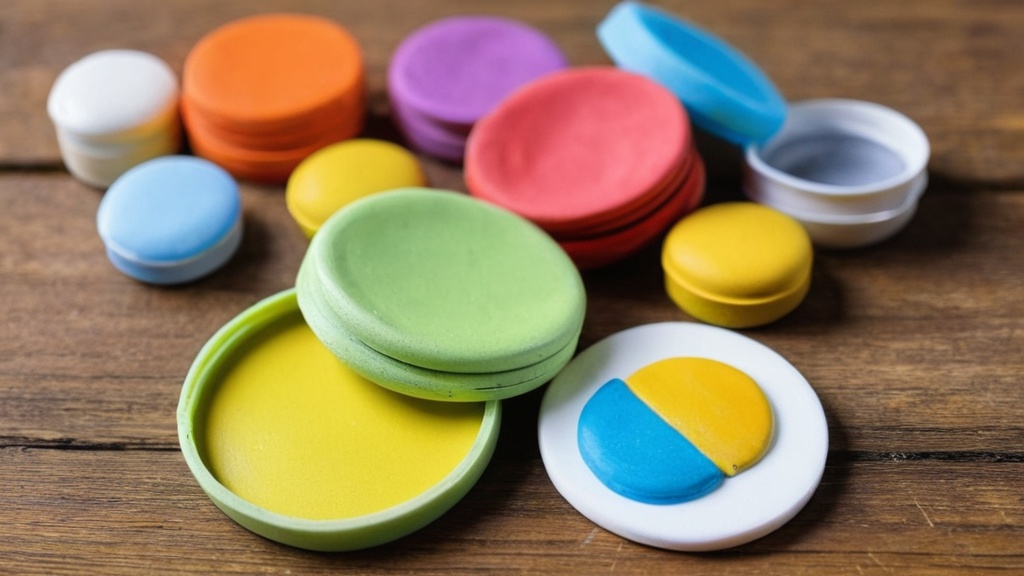
Now, let’s talk about a specific Mod Podge product that offers a different, and often more positive, experience with polymer clay: Mod Podge Dimensional Magic. This product is a significant departure from its standard brethren and deserves its own discussion.
What Makes Dimensional Magic Different?
Dimensional Magic is not your typical glue or sealer. It’s designed to create a thick, clear, domed effect, similar to resin or enamel. This difference in formulation and intended use makes it more compatible with baked polymer clay than standard Mod Podge.
Compatibility with Baked Polymer Clay
Numerous crafters and artists have found that Mod Podge Dimensional Magic can be successfully applied to baked polymer clay. When applied correctly, it dries hard and clear, offering a durable and attractive topcoat that standard Mod Podge simply cannot provide.
- Drying Hard and Clear: The key benefit is its ability to cure into a solid, transparent layer. This provides a protective shell over your work.
- Creating a “Jewelry-Like” Finish: Its viscous nature allows it to be built up into a raised, glossy dome, giving your polymer clay pieces a professional, high-end appearance, akin to enameled jewelry or domed cabochons.
- Encapsulating Elements: It’s excellent for encapsulating small decorative elements like glitter, tiny beads, or even small printed images, creating a sealed, three-dimensional effect.
Best Practices for Using Dimensional Magic on Polymer Clay
While more compatible, using Dimensional Magic still requires careful application to achieve the best results.
- Ensure Clay is Fully Baked and Cool: Just like with any finishing product, your polymer clay must be fully baked according to the manufacturer’s instructions and completely cooled down before application. Any residual heat can affect the curing process.
- Work in Thin Layers (Initially): While Dimensional Magic is designed to be built up, it’s often best to start with thin, even layers. This helps ensure even curing and reduces the risk of trapped air bubbles. You can build up subsequent layers as needed.
- Allow Adequate Curing Time: Dimensional Magic requires significant curing time. Don’t rush it. Follow the product’s instructions for drying and curing times, and avoid handling the piece prematurely.
- Avoid Overcrowding: Don’t apply too much product at once, as this can lead to doming issues, sagging, or trapping air bubbles.
- Test on a Scrap Piece: As with any new material or technique, it’s always wise to test Dimensional Magic on a scrap piece of baked polymer clay first to get a feel for its application and drying properties.
Limitations of Dimensional Magic
Even with its improved compatibility, Dimensional Magic isn’t a perfect solution for every situation.
- Not Indestructible: While it dries harder than standard Mod Podge, it’s still not as impact-resistant or scratch-proof as some dedicated varnishes for polymer clay. Extreme force or sharp objects can still damage it.
- Potential for Bubbles: Trapped air bubbles can be a common issue if not applied carefully. Using a poking tool or a heat gun on a low setting (with caution!) can help remove them.
- UV Sensitivity: Like many acrylic-based products, prolonged exposure to direct sunlight might eventually lead to yellowing or degradation, though generally less so than standard Mod Podge.
When Durability is Paramount: Safer Alternatives for Polymer Clay Protection
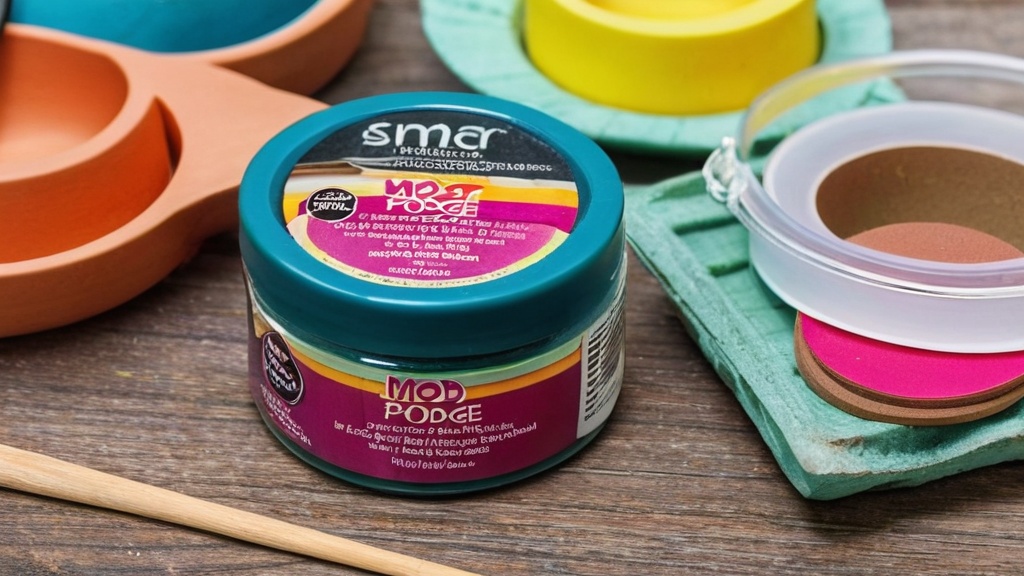
If your paramount concern is the long-term protection of your polymer clay creation, especially if it features delicate painted details, metallic powders, or intricate surface treatments that you want to preserve flawlessly, then you’ll want to look beyond Mod Podge entirely. Several dedicated varnishes and sealers are specifically designed for crafting and are more suitable for polymer clay.
The Advantages of Dedicated Polymer Clay Sealers
These products are formulated to provide superior hardness, scratch resistance, clarity, and UV protection, ensuring your artwork withstands the test of time and use.
Excellent Durability and Scratch Resistance
The primary reason to opt for a dedicated varnish is its superior durability. These sealers are designed to create a hard, protective shell that can withstand everyday wear and tear.
- Resistant to Scratches and Scuffs: Unlike the flexibility of Mod Podge, these varnishes create a rigid surface that is far less prone to scratching from accidental contact.
- Protection for Painted Surfaces: If you’ve meticulously painted on your polymer clay, a durable varnish will prevent the paint from chipping, rubbing off, or being damaged by friction.
- Mica Powder and Pastel Preservation: These special sealers are formulated to lock down mica powders and pastels without smudging or disturbing their delicate shimmer and color.
Superior Clarity and Non-Yellowing Properties
The best sealers for polymer clay will dry crystal clear and remain that way over time.
- True Color Representation: They won’t impart a yellow or amber tint to your artwork, ensuring the original colors of your clay and any applied finishes remain true.
- Long-Term Clarity: Reputable brands are formulated to resist yellowing from UV exposure, maintaining the clarity of your finish for years to come.
Waterproofing Capabilities
Many dedicated sealers also offer excellent waterproofing, making them suitable for items that might encounter moisture.
- Water Immersion Resistance: Some varnishes are robust enough to protect your polymer clay creations even if they are submerged in water for short periods. This is crucial for items like jewelry that might get wet.
Recommended Durable Varnishes for Polymer Clay
When you need serious protection, turn to these trusted options:
- Brite Tone: This is a highly recommended, water-based, acrylic urethane resin that dries extremely hard and clear. It is known for its excellent scratch resistance and durability, making it a top choice for polymer clay artists. It can be applied in multiple thin coats and builds up beautifully.
- Varathane (Polyurethane Varnish): Specifically, the clear, water-based versions of Varathane (like the Polyurethane Water-Based Spar Urethane) are often cited by polymer clay artists as a very durable and affordable option. They dry clear and provide a tough, protective finish. Ensure you choose a water-based formula, as oil-based polyurethanes can sometimes yellow.
- DuraClear Gloss/Matte (by Judikins): This is another popular choice in the polymer clay community. DuraClear is a water-based varnish that offers good durability and comes in both gloss and matte finishes, allowing you to control the final look of your piece.
- Sculpey Glaze: Manufactured by Sculpey, this glaze is specifically designed to be used with polymer clay. It offers a durable finish and comes in gloss, satin, and matte options. It’s a good all-around choice for many projects.
Application Tips for Dedicated Varnishes
- Properly Baked Clay: Always ensure your polymer clay is thoroughly baked and cooled.
- Clean Surface: Make sure your clay surface is free from dust, oils, or fingerprints. A lint-free cloth can help ensure a clean application.
- Thin, Even Coats: Most durable varnishes require multiple thin coats for the best finish. Apply with a soft brush, ensuring even coverage and avoiding drips or pooling.
- Allow Adequate Drying Time Between Coats: Patience is key! Proper drying between coats prevents issues like cracking or unevenness. Follow the product’s instructions.
- Ventilation: Work in a well-ventilated area, especially when using solvent-based products, though many recommended options are water-based and have lower fumes.
The Final Verdict: When to Use Mod Podge and When to Opt for Something Else
| Question | Answer |
|---|---|
| Will mod podge work on polymer clay? | Yes, mod podge can be used on polymer clay to seal and protect the surface. |
After exploring the ins and outs of using Mod Podge on polymer clay, we can arrive at a clear understanding. Your decision hinges entirely on the intended use and the level of protection your polymer clay creation requires.
Summarizing the Mod Podge Dilemma
- For Decorative Accents and Paper Adhesion: If your primary goal is to adhere paper, photos, or thin decorative elements onto your polymer clay and seal those elements, the brush-on versions of Mod Podge can be a suitable, albeit not exceptionally durable, choice. Think of it as a specialized glue and sealer for superficial decorations. You are not relying on it for robust protection of the underlying clay.
- Avoid for Sealing the Entire Piece: Do not use standard Mod Podge as a general-purpose sealer or varnish to protect the entire surface of your polymer clay project, especially if it will be handled frequently or exposed to any significant wear. Its lack of hardness, potential for yellowing, and limited durability make it unsuitable for this purpose.
- Absolutely Steer Clear of Spray Forms: You must avoid Mod Podge acrylic spray at all costs. Reports indicate it can damage and ruin the finish of polymer clay.
When Mod Podge Dimensional Magic Steps In
- A Better Option for a Glossy Finish: Mod Podge Dimensional Magic offers a more promising solution if you’re seeking a clear, glossy, domed finish that provides some level of protection. It dries harder and clearer than standard Mod Podge and is generally compatible with baked polymer clay. It’s excellent for adding a jewelry-like encapsulation. However, it’s still not as robust as dedicated craft varnishes.
The Gold Standard for Protection
- Always Choose Dedicated Varnishes for Durability: For any polymer clay project where you need a truly durable, scratch-resistant, non-yellowing, and long-lasting protective finish, you should always opt for dedicated polymer clay sealers or varnishes. Products like Brite Tone, Varathane (water-based), DuraClear, and Sculpey Glaze are specifically formulated for this purpose and will provide the best results and longevity for your creations. These are the go-to choices when you want to safeguard paint, mica powders, pastels, and the clay itself from damage and the ravages of time.
By understanding these distinctions, you can confidently choose the right finishing product for your polymer clay projects, ensuring your hard work is beautifully protected and celebrated for years to come. Happy crafting!
FAQs
1. What is mod podge and polymer clay?
Mod Podge is a brand of decoupage medium made from a combination of glue and sealer, while polymer clay is a type of modeling clay that hardens when baked.
2. Can mod podge be used on polymer clay?
Yes, mod podge can be used on polymer clay as a sealer or to adhere decorative elements to the clay surface.
3. How should mod podge be applied to polymer clay?
Mod Podge can be applied to polymer clay using a brush or sponge applicator. It should be applied in thin, even coats and allowed to dry completely between layers.
4. Are there any considerations to keep in mind when using mod podge on polymer clay?
It is important to ensure that the polymer clay is completely cured before applying mod podge. Additionally, some types of mod podge may be more suitable for use on polymer clay than others, so it is recommended to test a small area first.
5. What are the benefits of using mod podge on polymer clay?
Using mod podge on polymer clay can provide a protective seal, add a glossy or matte finish, and allow for the addition of decorative elements such as paper, fabric, or glitter.