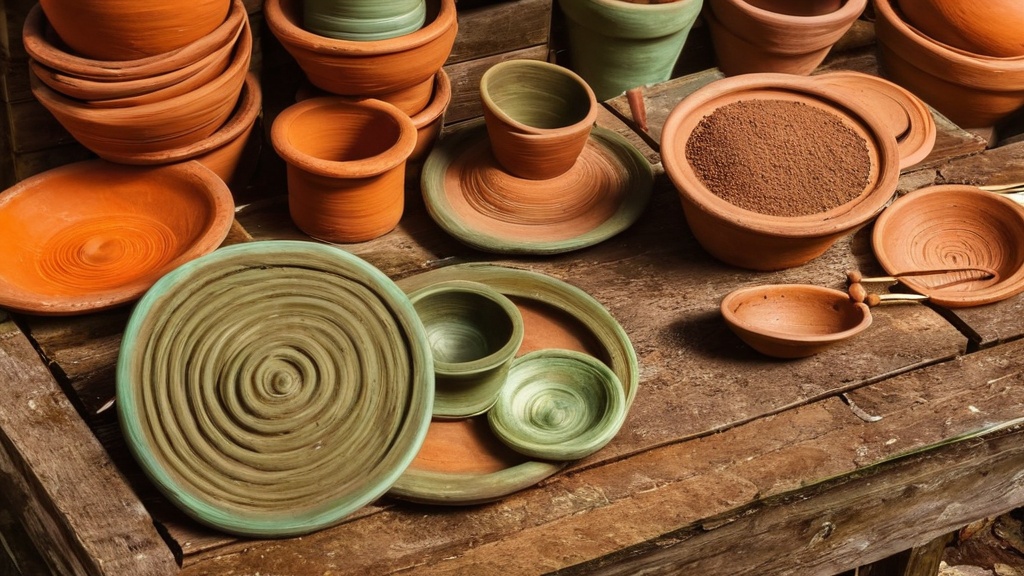
You’re standing at the craft store aisle, a colorful array of clay packages staring back at you. Your mind is buzzing with creative ideas – a miniature fairy garden, a dazzling pair of earrings, a whimsical sculpture for your desk. But which clay will bring your vision to life? Choosing the best clay for your crafts isn’t just about picking the prettiest color; it’s about understanding the nuances of different types and brands, ensuring your creative journey is as smooth and successful as possible. This guide will help you navigate the wonderful world of clay, empowering you to make informed decisions that will elevate your crafting experience.
Before you dive into brand specifics, it’s crucial to grasp the fundamental differences between the two main types of craft clay: polymer clay and air-dry clay. Each has its unique characteristics, making them suitable for different projects and skill levels.
Polymer Clay: Your Oven-Bake Best Friend
Polymer clay is a synthetic modeling material made from a polymer polyvinyl chloride (PVC) base. Unlike natural clays, it doesn’t dry out when exposed to air. Instead, it cures and hardens permanently when baked in a conventional oven, following the manufacturer’s instructions. This characteristic offers several advantages, especially for intricate work.
The Advantages of Polymer Clay
You’ll find that polymer clay offers unparalleled precision and detail retention. It’s incredibly forgiving, allowing you to manipulate and rework your piece for extended periods without fear of it drying prematurely. Once baked, it’s remarkably durable, making it ideal for items that will be handled frequently or subjected to wear and tear. The color palette is vast, and you can even mix different colors to create custom shades, opening up a world of artistic possibilities.
The Disadvantages of Polymer Clay
However, polymer clay does have its drawbacks. The baking process can be a deterrent for some, requiring an oven and careful temperature monitoring. Unbaked polymer clay sometimes has a slight odor, and it’s essential to work in a well-ventilated area. While generally non-toxic, it’s not food-safe, so avoid using it for items that will come into direct contact with food or beverages.
Air-Dry Clay: The No-Bake Wonder
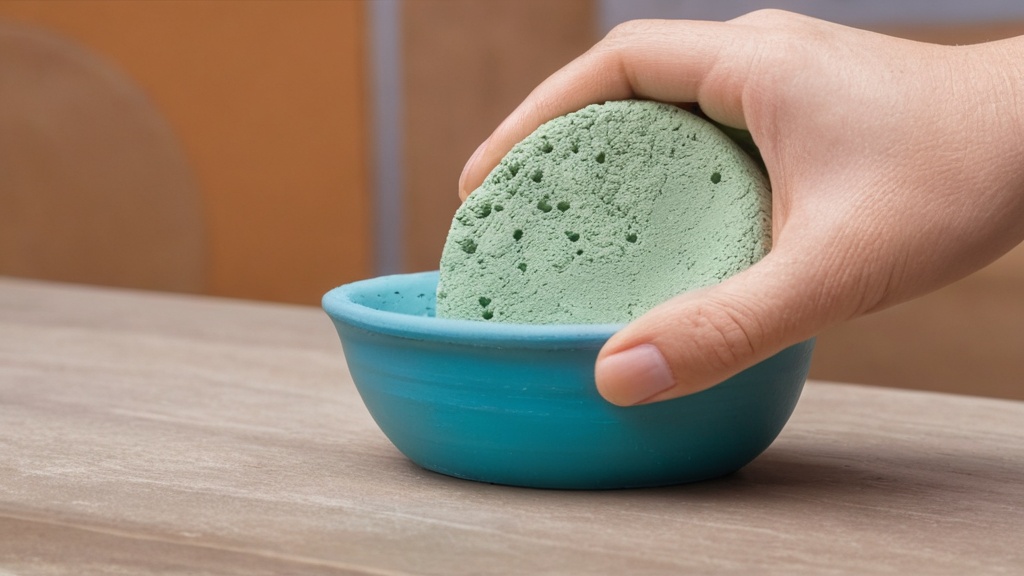
Air-dry clay is a natural-based modeling material that hardens simply by being exposed to air. No oven, no kiln, just patience. This makes it incredibly accessible, especially for beginners and those who prefer a simpler crafting process.
The Advantages of Air-Dry Clay
The primary advantage of air-dry clay is its ease of use. You don’t need any special equipment beyond your hands and basic tools. It’s often more affordable than polymer clay, making it a great option for practice pieces or large-scale projects. Once dry, most air-dry clays can be painted, sanded, and varnished, giving you ample opportunities for finishing touches.
The Disadvantages of Air-Dry Clay
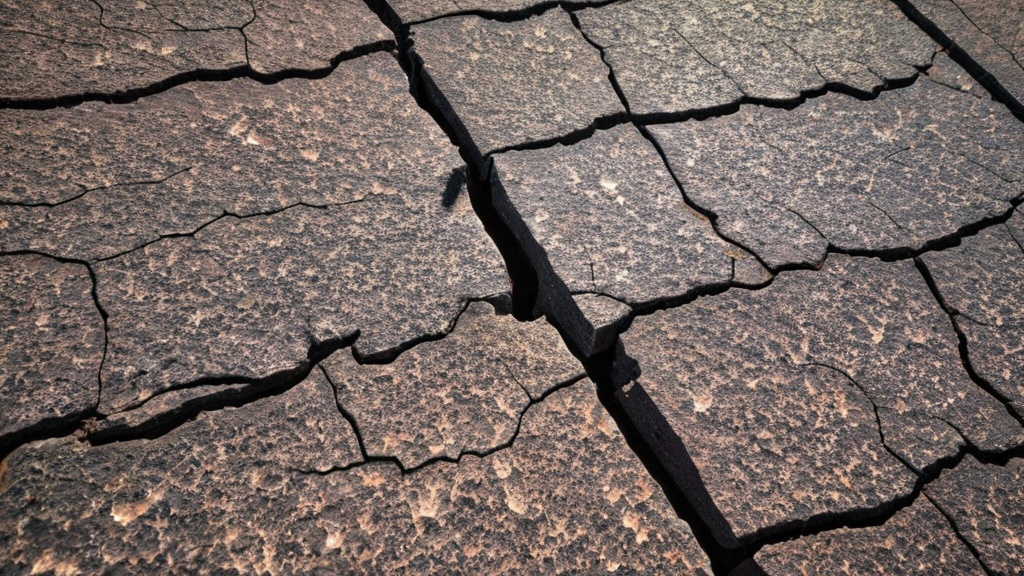
Air-dry clay can be less durable than its polymer counterpart, and finished pieces can be more fragile and prone to breaking or chipping. It also tends to shrink as it dries, which can lead to cracking, especially in thicker pieces. Working time is limited as it begins to harden as soon as it’s exposed to air, requiring you to work quickly and keep unused clay well-sealed.
Polymer Clay: Your Go-To for Detailed Sculpting and Figurines
When your crafting aspirations involve intricate details, lifelike figurines, or delicate sculptures, polymer clay is your undisputed champion. Its ability to hold fine lines and resist slumping during baking makes it the top pick for artists who demand precision.
Top Brands for Detailed Work
You’ll find a few excellent brands consistently rise to the top for their strength, detail retention, and overall quality.
Super Sculpey: The Sculptor’s Standard
Super Sculpey has long been a favorite among sculptors for its semi-translucent, skin-like finish and excellent sculpting properties. It’s firm enough to hold intricate details but pliable enough to be easily manipulated. You can sculpt delicate features, subtle textures, and sharp edges with confidence, knowing they will endure the baking process.
Premo: The Professional’s Choice
Premo is renowned for its exceptional strength and durability after baking. It holds fine detail beautifully and comes in a wide range of vibrant, mixable colors. Artists often gravitate towards Premo for projects that require both intricate work and a sturdy finished product, such as custom action figures or highly detailed doll representations. Its consistency is slightly firmer than Original Sculpey, offering more control for advanced techniques.
Kato Polyclay: Robust and Resilient
Kato Polyclay, developed by artist Donna Kato, is celebrated for its remarkable strength and resistance to breakage after baking. It’s a firmer clay to condition, but this firmness translates into incredible detail holding and a highly durable finish. If you’re creating pieces that need to withstand handling or have very thin, delicate parts, Kato Polyclay is an excellent option to consider.
Fimo Professional: European Excellence
Fimo Professional is another high-quality polymer clay that artists worldwide trust for detailed sculpting. It’s known for its excellent shape stability, preventing distortion during baking, and its wide spectrum of intense colors. Its firm consistency makes it ideal for intricate work and fine detailing, and its baked strength is impressive.
Polymer Clay for Beginners: Easing into the Craft
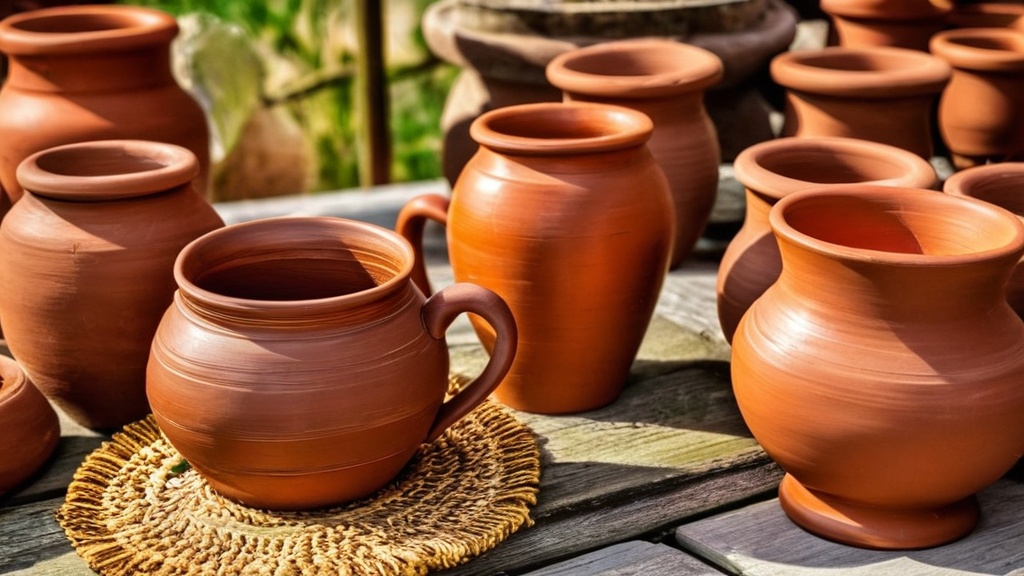
If you’re just dipping your toes into the world of polymer clay, you’ll want a material that’s soft, easy to condition, and forgiving. Starting with a more pliable clay will build your confidence and make the initial learning curve much smoother.
Soft and Easy-to-Condition Options
For your first ventures into polymer clay, look for brands that won’t strain your hands or frustrate you with stiff conditioning.
Original Sculpey: The Classic Starting Point
Original Sculpey is arguably one of the most accessible polymer clays for beginners. It’s incredibly soft and easy to condition right out of the package, making it perfect for getting a feel for the material. While it might not hold the absolute finest details as well as its professional counterparts, it’s excellent for developing basic sculpting skills, testing ideas, and creating simpler forms. Its forgiving nature makes it a joy to work with.
Sculpey III: A Step Up in Color and Softness
Sculpey III is another excellent choice for beginners, offering a slightly firmer consistency than Original Sculpey but still very soft and easy to condition. It comes in a wider range of vibrant colors, which can be very appealing for introductory projects. It’s great for making jewelry, small figures, and decorative items where extreme durability isn’t the primary concern. Its ease of use encourages experimentation without the frustration of battling a stiff clay.
Polymer Clay for Jewelry Making: Lightweight and Lovely
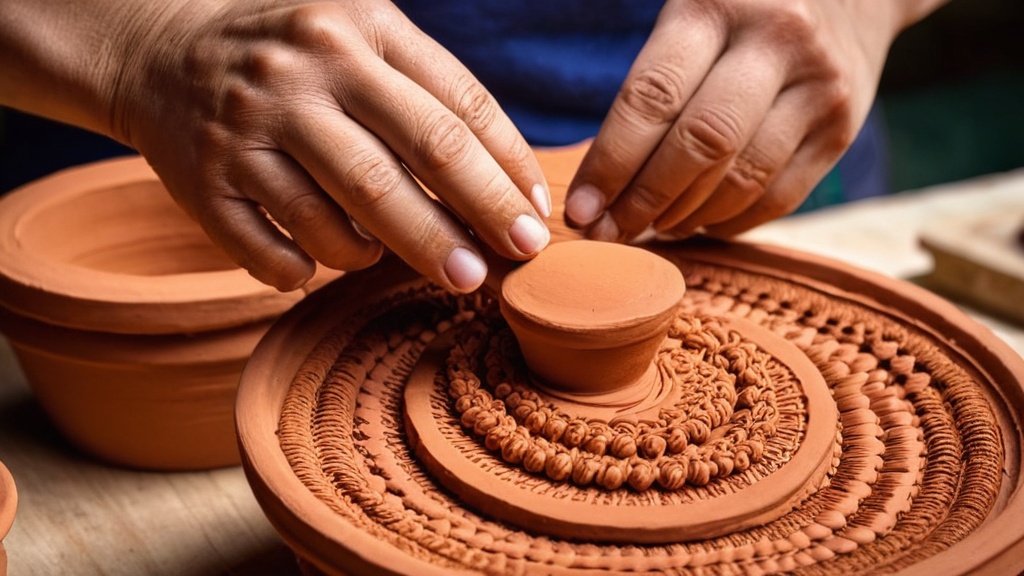
When crafting jewelry, two key considerations come into play: weight and durability. You want pieces that are comfortable to wear all day and strong enough to withstand everyday life. Certain polymer clays excel in these areas, making them ideal for earrings, pendants, and other wearable art.
Preferred Lightweight Polymer Clays
The best polymer clays for jewelry strike a balance between being easy to work with, holding detail, and resulting in a lightweight, durable finished product.
Sculpey Soufflé: Featherlight and Flexible
Sculpey Soufflé is a stellar choice for jewelry makers. Its most outstanding characteristic is its exceptionally lightweight nature after baking. This makes it perfect for large statement earrings or chunky necklaces that wouldn’t feel comfortable with heavier clays. Beyond its weight, Soufflé offers a beautiful suede-like finish, excellent flexibility, and impressive strength, making it resistant to breakage even in thin parts. You can achieve very intricate designs without adding unnecessary bulk or weight.
Premo: Durable and Detail-Oriented
Again, Premo makes the list for jewelry, but for slightly different reasons than general sculpting. While not as featherlight as Soufflé, Premo is still relatively light after baking and provides exceptional durability. Its strength means your delicate findings and intricate designs won’t easily snap or break. The wide range of colors and its ability to hold detail make it perfect for creating intricate patterns, mokume gane, or complex cane designs that are the hallmark of many polymer clay jewelry artists.
Air-Dry Clay Projects: Finding Your Perfect Match
| Clay Type | Advantages | Disadvantages |
|---|---|---|
| Polymer Clay | Easy to work with, comes in a variety of colors, can be baked in a home oven | Can be brittle, may not be suitable for all types of crafts |
| Air-Dry Clay | No baking required, dries to a lightweight finish, suitable for all ages | Can be fragile, may require sealing or varnishing |
| Porcelain Clay | Fine texture, ideal for detailed work, fires to a durable finish | Requires access to a kiln for firing, can be expensive |
For those who prefer a no-bake approach, air-dry clay offers immense versatility. However, since there’s no “best” brand, your choice will hinge on specific performance characteristics crucial to your project. You’ll want to consider how well the clay handles detail, its stickiness (or lack thereof), its workability, how easily it accepts paint, and the overall longevity of your finished piece.
Key Factors in Choosing Air-Dry Clay
When evaluating air-dry clays, you’re essentially looking for a balance of properties that align with your crafting goals.
Detail Holding: For Intricate Designs
If you’re creating pieces with fine textures, small features, or delicate lines, you’ll need an air-dry clay that doesn’t slump or lose its definition as it dries. Some softer varieties may lose a bit of their crispness, while firmer options will retain more fidelity.
Stickiness: A Matter of Preference
The stickiness of air-dry clay can be a double-edged sword. A slightly sticky clay might be easier to join pieces together, but it can also be frustrating if it adheres too much to your tools or hands. A less sticky clay might be cleaner to work with but require more effort for adhesion.
Workability: Ease of Manipulation
Workability refers to how easily you can sculpt, roll, pinch, and shape the clay. Some air-dry clays are very soft and pliable, perfect for quick modeling, while others might be firmer and require more hand strength but offer greater control for precision work.
Paintability: The Canvas You Need
After drying, most air-dry clays are ready for painting. However, some surfaces are smoother or more porous, affecting how paint adheres and the vibrancy of colors. You’ll want a clay that provides a good surface for your chosen paints, whether acrylics, watercolors, or markers.
Longevity: How Long Will It Last?
The durability of air-dry clay can vary significantly. Some brands result in a hard, stone-like finish, while others may be more brittle, making them unsuitable for items that will be handled frequently. Consider the purpose of your finished piece when assessing longevity.
Air-Dry Clay That Mimics Polymer Clay
If you love the concept of air-dry clay but yearn for the smooth, refined finish often associated with polymer clay, you’re in luck! There are options that bridge this gap.
Makin’s Air-Dry Clay: The Polymer Mimic
Makin’s Air-Dry Clay stands out as a strong option if your goal is an air-dry clay that closely mimics the feel and finish of polymer clay after drying. It’s known for its smooth texture, excellent detail holding, and a remarkably durable, almost plastic-like finish once cured. You can achieve crisp details and a clean surface that readily accepts paint, giving your air-dry creations a more professional and refined appearance, reminiscent of oven-baked polymer clay.
Air-Dry Clay for Kids and Practice Projects: Budget-Friendly Fun
When the focus is on experimentation, learning, or simply providing a fun, hands-on activity for children, affordability and safety become paramount. You don’t need the most professional-grade clay for these purposes; instead, you need something accessible and easy for little hands to manage.
Recommended Affordable Air-Dry Options
For budding artists or those wanting to practice new techniques without a significant investment, certain air-dry clays are consistently recommended.
Crayola Air Dry Clay: The Childhood Classic
Crayola Air Dry Clay remains a perennial favorite for children’s crafts and simple practice projects. It’s widely available, incredibly affordable, and non-toxic, making it safe for kids to use. Its soft, pliable texture is perfect for small hands to mold and shape without much effort. While it may not offer the absolute finest detail holding or the strongest durability of more professional brands, it dries to a reasonably sturdy finish that takes paint well, allowing for endless creative expression and fun. It’s the ideal choice for school projects, rainy-day activities, or just letting your imagination run wild without worrying about wasting expensive materials.
By keeping these guidelines in mind, you’ll be well-equipped to choose the perfect clay for your next creative endeavor. Whether you’re sculpting a masterpiece or simply having fun, the right clay can make all the difference. Happy crafting!
FAQs
What are the different types of clay used for crafts?
There are several types of clay commonly used for crafts, including air-dry clay, polymer clay, and oven-bake clay.
What is the best type of clay for beginners?
For beginners, air-dry clay is often recommended as it is easy to work with, does not require baking, and is relatively inexpensive.
Which clay is best for detailed sculpting?
Polymer clay is often preferred for detailed sculpting due to its smooth texture and ability to hold intricate details.
What type of clay is best for making jewelry?
Polymer clay is a popular choice for making jewelry as it can be baked to create durable and long-lasting pieces.
What factors should be considered when choosing clay for crafts?
When choosing clay for crafts, factors to consider include the type of project, desired finish, level of detail, and whether the clay needs to be baked or air-dried.